
tribal dance
Benta Dance, odisha
The Benta dance holds significant cultural and spiritual meaning for the Lanjia Saora of Odisha. Centering around the worship of their ancestors and traditional rituals, this dance is done at the Karja, a grand memorial ceremony performed at the village level once every two to three years. While the deceased are generally cremated shortly after death, the stone memorial is raised during the simpler Gaur ritual. In contrast, Karja represents justified communal farewell to the souls of the departed.
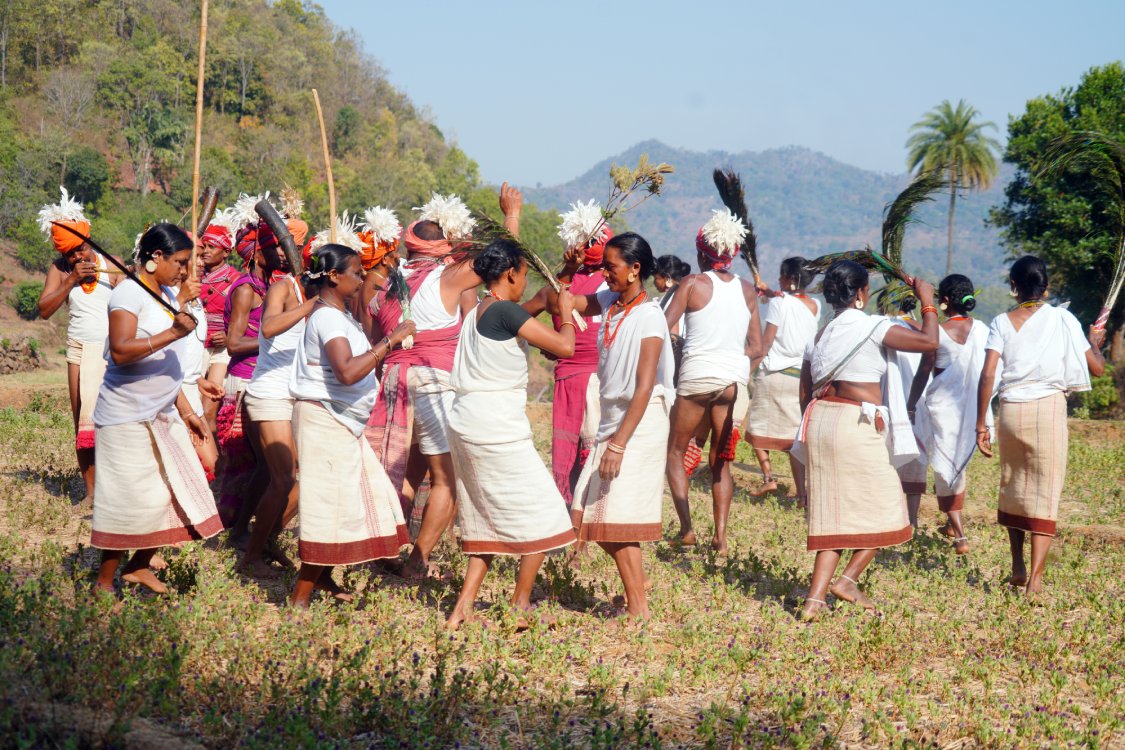
The Benta dance, or hunting dance, forms an important part of the Karja memorial ceremony. The Karja starts with a ritualistic hunt in which a few village men go deep into the forest in search of a peacock, considered a royal sacred offering to the ancestors. The bird overcome is brought back alive whose meat is held for the village feast. The body is stuffed with straw, sewn up, and mounted on a pole-for being the centerpiece of a ceremony.
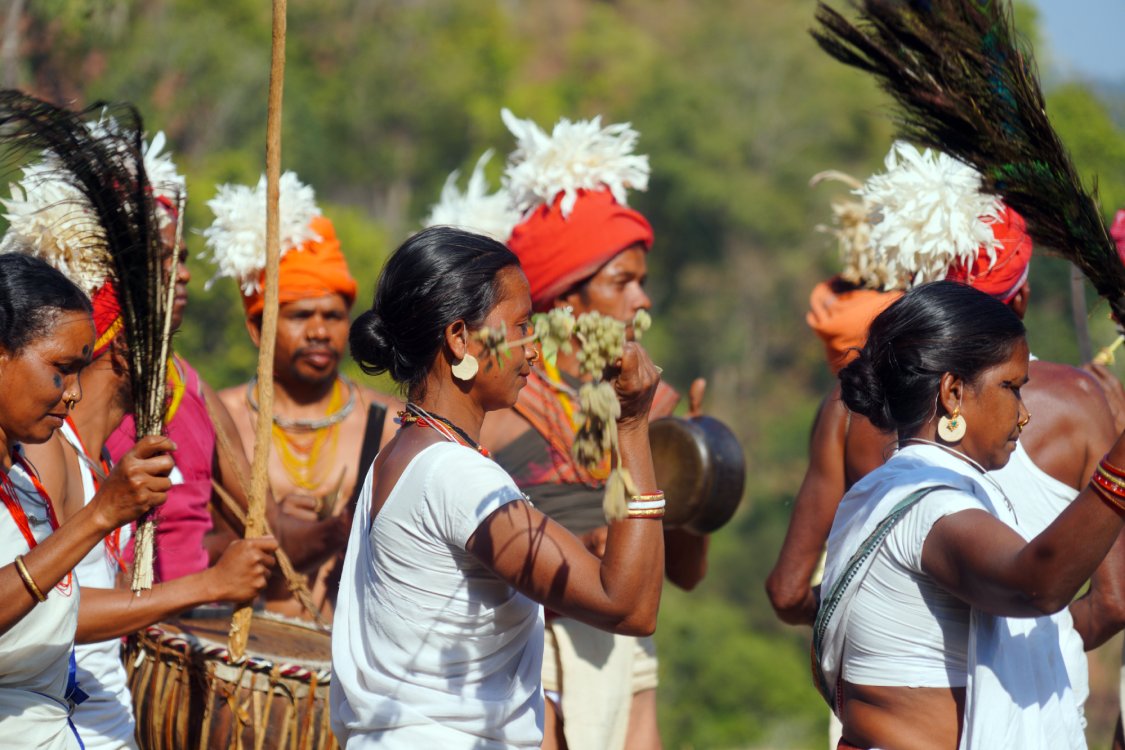
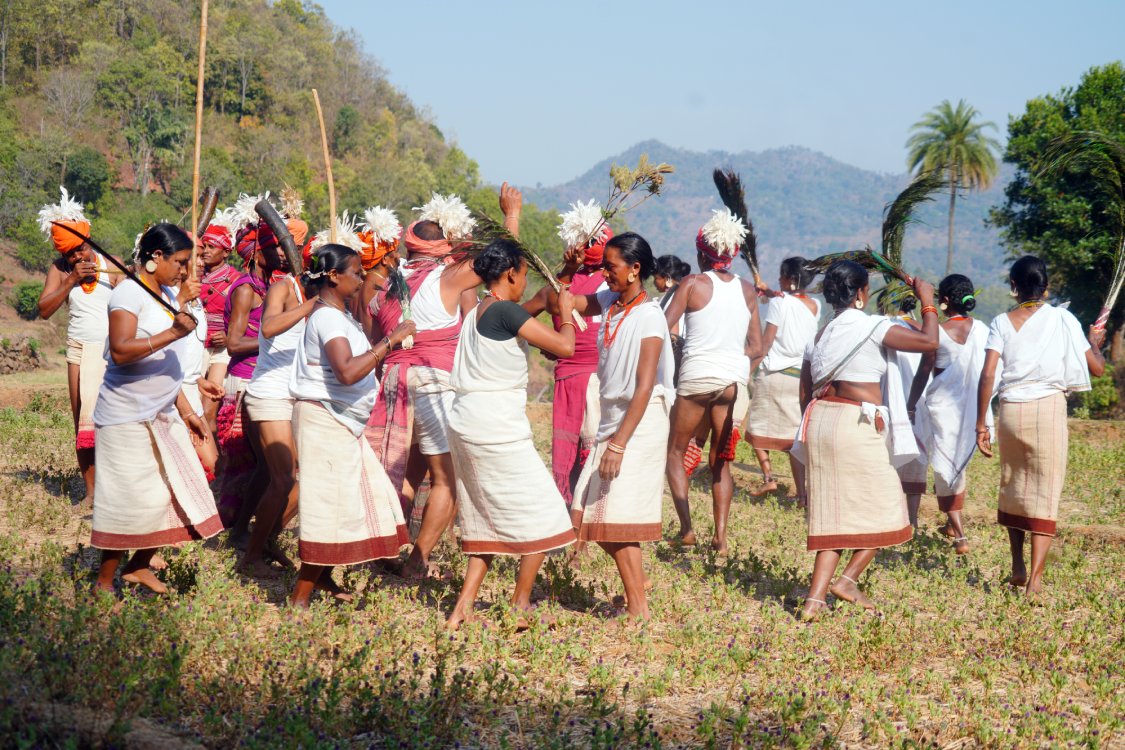
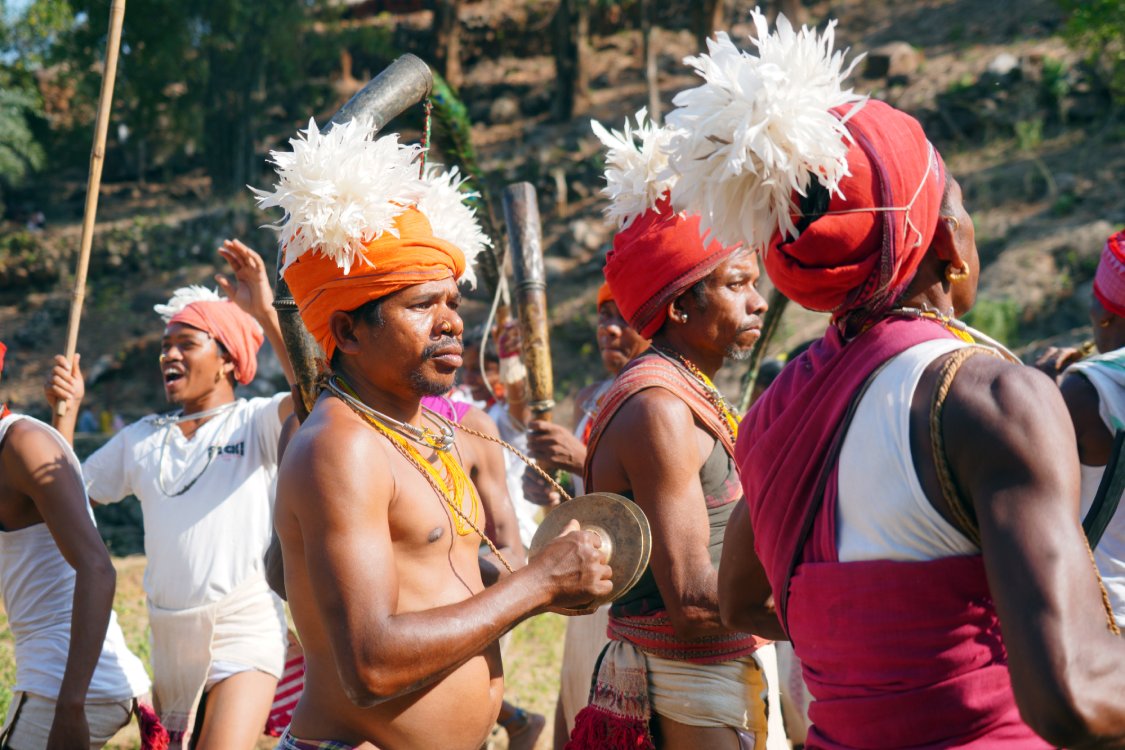
In the Benta procession, the straw-stuffed peacock goes through the village in a colorful procession. The dancers carry the peacock feathers, swords, spears, cane, and umbrellas, which represent gifts to the ancestors. Traditionally, men and women were actively involved in the procession, holding items aloft as they danced with great devotion and grace.
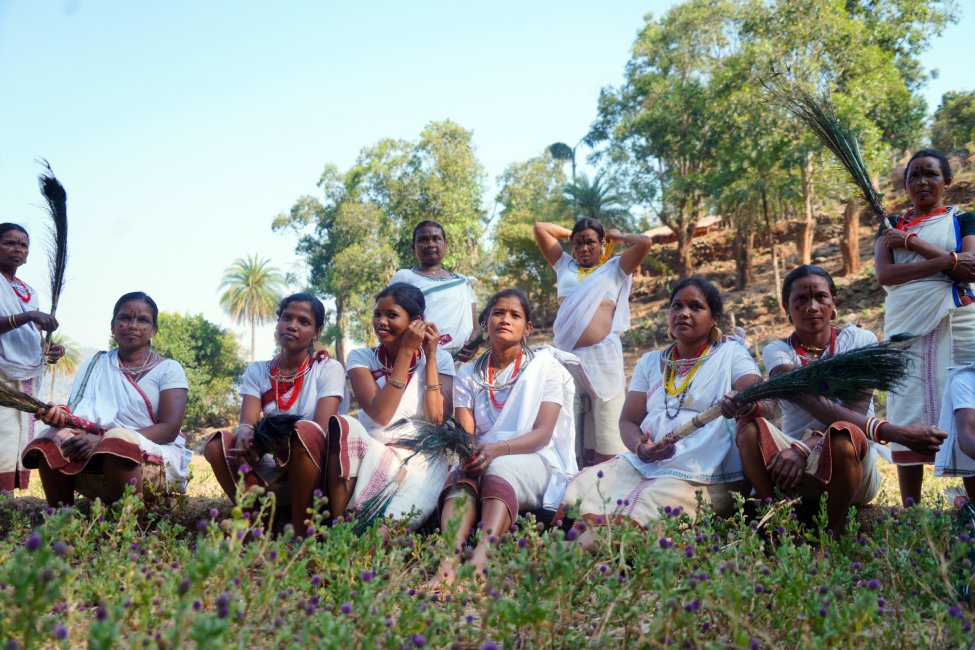
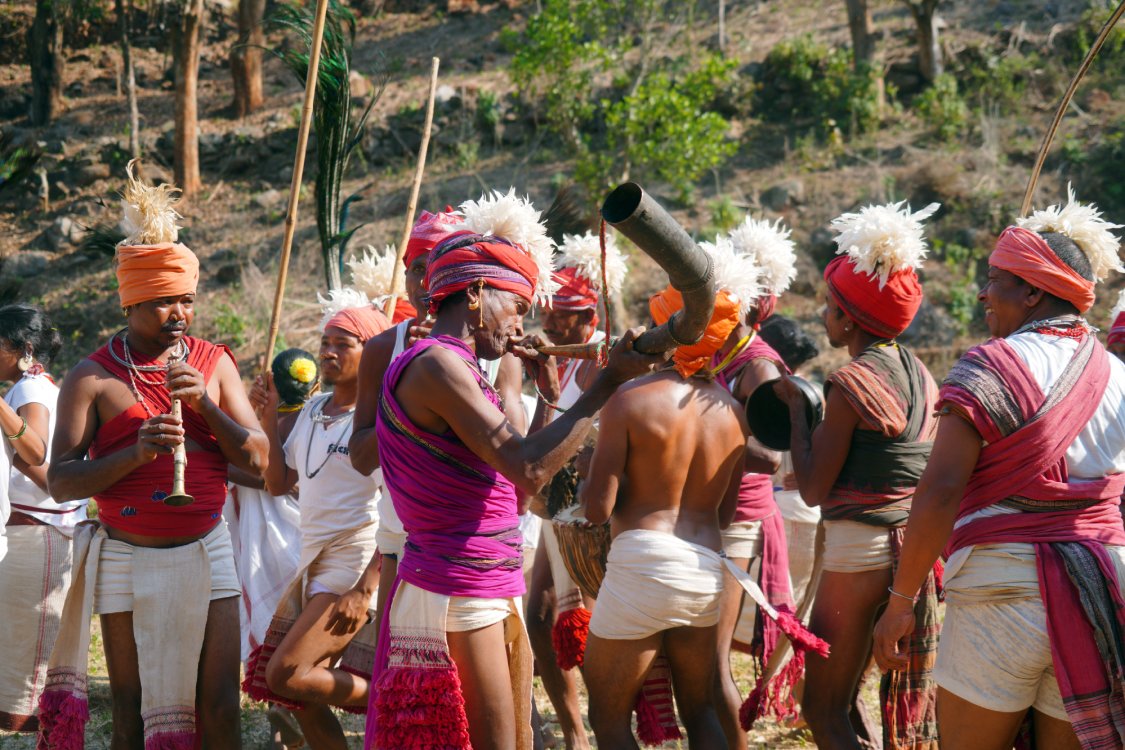
Women dance in lines or in pairs, while men's dance is accompanied by rhythmic charges of voluptuous sound from traditional music-drums, gongs, cymbals, and large brass horns called Surakamped, among others.
The Benta dance is much more than a performance; it is an act of remembrance, celebration, and closure. Through this rich tradition, the Lanjia Saora people honor their ancestors and say a dignified and heart-wrenching farewell to the departed, merging joy and reverence in an exceptional expression of community memory.