

Gaur Singh Dance
This is an advanced course that would introduce you to the world of Gaur Singh Dance, a traditional ceremonial dance form of Madia tribe in Chhattisgarh, its colors, rhythms, and first steps. These interactive modules will address the historical origins, symbolism, music accompaniments and the manner of dancing that made up this culturally rich dance. Along with the study of Gaur Singh Dance on Madia social events, seasonal festivals, rituals, the course will also explore the comprehensive idea of what Gaur Singh Dance could be doing in order to preserve the identity and the heritage of the community.
 Most Viewed

What you'll learn
- Gaur Singh Nritya introduction : Become familiar with the emergence and cultural roots of Gaur Singh Nritya in the traditions of Madia tribe, and with the manners in which the dance represents their concept of relation to nature environment, religion, and society.
- Movements, Music and Materials : Find out about the choreography, rhythm patterns, the costumes, and musical instruments involved with in the dance, e.g. the drums and flutes. Discover how these aspects bear a reflection on the surroundings and the knowledge systems of the Madia people.
- Ceremonies and Holidays : Examine the use of Gaur Singh Nritya during hunting festivals, agricultural seasons, religious rituals and realize how Gaur Singh Nritya helps in the time keeping and transition of a community.
- Symbolism and Social Relationships : Learn how this lively ensemble dance helps to improve social connections, emphasize gender-related roles and acts as a device of telling stories, revealing the values of courage, unity, and remembrance of the past.
- Tradition in Motion : Investigate the forces and responses of retaining Gaur Singh Nritya against the modernity in terms of adaptation and also some form of innovations to keep the system breathable and yet remaining intact.
Couse Features:
- Informative Modules : Five organised modules looking into the origins, movements, music and contextualization of Gaur Singh Nritya into the life of the Dandami Madiya tribe
- Active Learning : Field trainings on traditional dancing, rhythmic control and skills of indigenous musical instruments such as madal and dhol.
- Cultural immersion : Learn about the symbolism, epistemologies of ancestors, and relations to nature in this type of dance.
- Interactive Reflections : Participate in conversations about identity, oral tradition and how the performance of rituals enhances resilience and coherence within the community.
- Under the Compassion of a Tradition Bearer : Train with Madia elders, dancers and custodians of the cultural traditions of Bastar region, who maintain the legacy of Gaur Singh Nritya.
- The Capstone Experience : Graduation project Final project could be a creative performance and/or an ethnographic study and/or some interpretive perception of the importance and significance of the dance today.
Who Should Enroll
- Musicians interested in indigenous instruments
- Anthropologists studying Tribal Cultures
- Ethnomusicologists exploring Cultural Traditions
- Artisans and craft enthusiasts
- Performers of folk dance and music
- Conservationists promoting traditional arts
- Educators and researchers in cultural studies
Description
INTRODUCTION AND HISTORICAL CONTEXT
Gaur Singh Dance or also called Gaur Madia Dance is a colourful tribal dance form of Madia tribe in Bastar of the India state of Chhattisgarh. The gaur (Indian bison) is strong, agile and dominant in the forest thus giving that dance its name. Historically, the dance was a hunting dance but over the years, it has turned out to be an undumpable component of the cultural heritage, social life and community gatherings of the Madia tribe.
Origin and Historical Background
Gaur Singh Dance can be traced back in the early practice of the Madia tribe, who were a tribe of people who loved the closeness with the nature and the wildlife. This dance represents hunting and war traditions of people, which was mostly danced by men to prove their bravery, strength and unity. Historically, it was a stand to show appreciation to the spirits of the forest and the ancestors, and it was thought to translate to success in hunting and a shield against evil spirits.
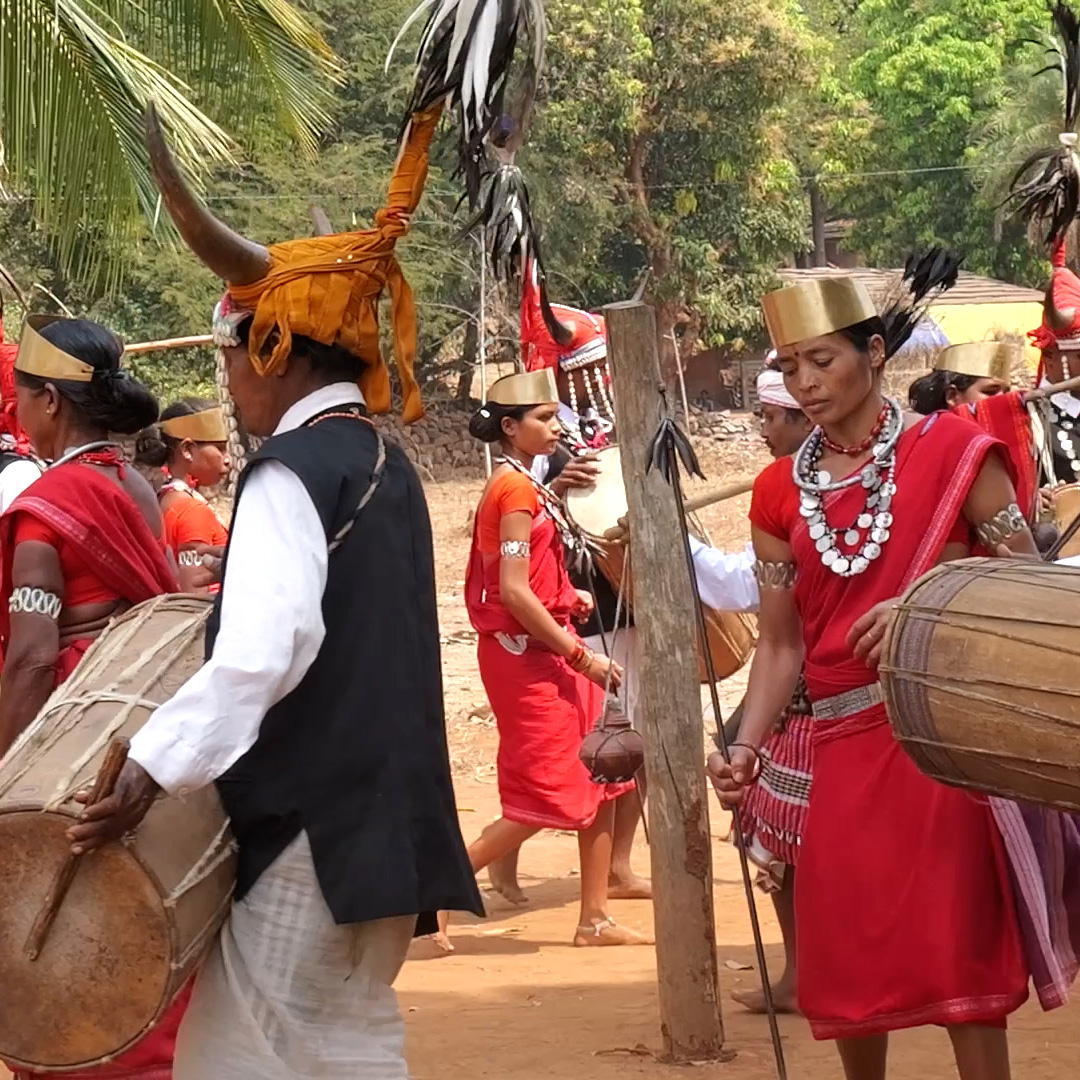
The dance movement resembles the procedural action of a bison hunt whereby the dancers enact the role of hunters and wild animals. The male dancers, who have horns of a bison, feathered crown and traditional tribal clothing are performing an aggressive and rhythmic movement, resemblance the fight between hunters and the strong gaur (buffalo). Women, however, take part by singing and playing of musical instruments as they influence the male dancers and kept the atmosphere festive.
Evolution and Culture Significance
Even though the dance was originally played during ritualistic hunting ceremonies; the Gaur Singh dance has come to serve a different purpose since then. It is no longer part of tribal festivals, weddings and other tribal celebrations but a dedication to unity, prosperity and tribal identity. The dance has also become more artistic and performed as modern cultural events are adapted and also state-sponsored tribal festivals being adapted. The main elements of the dance are the energy of the movements and syncopated formations that are followed by the beats traditional percussion instrument, dhol (percussion drum), taal (cymbals) and shehnai (wind instrument). The dancers also move into the playing ground with a slow and steady step and as the music goes louder they speed up. The way they move their feet, the way they position their bodies and the aggressive gestures make quite a visual feast that tells the primitive battle between man and beast.
The Gaur Singh dance is accredited with national and international recognition in modern times because it is performed in cultural festivals and other tourism related activities as a display of rich tribal culture of Chhattisgarh. Various cultural organizations as well as the Government of India have made efforts so as to safeguard and revive this inimitable art, so as to allow the arts to be learnt and practiced by the younger generation.
Historical Significance
Historically, Madia tribe has been inseparable with nature as it is represented in their hunting activity and within their animistic belief system. Gaur Singh dance is an initial hunting dance which was sung and performed as a procession. Madia warriors used to perform this dance amid a hunt before going out so that they could secure the blessings of their ancestor spirits and deities of the forest, what would grant them luck and safe hunt.
There was also a very strong martial association connected to this dance, as it helped to teach a young Madia man their abilities of agility, strength, and coordination, tools vital in hunting and fighting. The chanting, violent movements that were born in the influence created by the fierce rush of the gaur changed the methods of fighting the warriors kept more effectively with the idea of unity and brotherhood.
Moreover, Madia tribe also had collective decision-making wherein dance and music was a key thing in community bonding. A tribal dance called the Gaur Singha, is usually performed on influential tribal occasions, which assists in settling quarrels, boosting coalitions and the warrior spirit of the tribe.
Cultural significance
Although originally it had its origins in hunting and fighting, the Gaur Singha dance has been developed as a cultural performance that expresses the position of Madia tribe towards nature, social traditions, and spirituality. Nowadays, the dance is practiced on the following occasions:
Festivals and ritual events This dance is an inseparable part of Gonchha (Bastar Dussehra) and the tribal festivals that exalt nature, prosperity and tribal culture.
Marriage ceremonies-Gaur Singh dance is practised during the time of the wedding as a sign of power and masculinity since it signifies the transition of the groom to maturity.
Community roles and festivities - This dance is also used to enhance social unity as it unites the different clans within Madia tribe and also goes ahead to enhance their sense of group identity.
The other significant cultural thing about the dance is the pronounced relation of the dance to music and old instruments.
The moves are cadenced by the beats of the gujrid, dhol, ghungroo and shehnai that makes them move in the world where their steps follow the rhythm of these beats. Addition of tribal songs and chants makes it spiritual, most of the songs celebrate nature, gods and the courage of hunters.
Geographical distribution:
The Madias occupies mostly the larger portion of the Bastar district to the north of the Indravati River to the places of the Kondagaon and Narayanpur districts.
Language:
The Madias use the Godi dialect of the Dravidian family of language. Their culture involves their language which is widely used in their day-to-day life, their storytelling traditions and ceremonies.
Social structure:
The clans or extended family groupings make up Madia society. Older people and social leaders are significant figures as far as social order is concerned, and they oversee traditional practices, as well as sorting out disputes. Culture values and practices are aided by the clan system.
Lifestyle and Traditions:
Agriculture Traditionally, the Madia people are agriculturalist and, they live and farm in compact communities. They engage in mostly subsistence agriculture that involves cultivations of staple crops like rice, maize and pulses. They have a strong hub of agriculture that relies upon their social knowledge of the environment.
Hunting and Gathering: Historically, hunting and gathering was significant element of the Madia. The forest offered them many facilities that depended on it such as food and craft materials. But as things have changed, there has emerged a new change of people becoming settled agriculturists.
DANCE CHARACTERISTICS AND PERFORMANCE STYLES
Gaursingh dance of the Madia tribe of Chhattisgarh is a potent folk dance of the tribe as it depicts how close the tribe was in harmony with the nature, mode of hunting and how they admired the living beasts, particularly the bison (referred to as gaur). This dance is a reward to power, mobility and the custom value of hunting. The movements and the hunted gestures used in the play are also explained in detail as follows:
Mimicking the movements of the bison
Mimicking the animal’s behavior: The Gaur Singh dance begins with the dancers mimicking the movements of the bison, which symbolizes the tribe’s strength and flexibility. The dancers’ gestures reflect the agility and energy of the bison. They twist their bodies and swing back and forth, mimicking the movements of the bison as it moves through the forest.
Frantic and jerky movements: The bison is known for its speed and powerful jolts, and the dancers embody these qualities by making sharp, quick movements. These movements reflect the animal’s power and unpredictability as it moves through the dense forest or escapes predators.
Aggressive postures
Mimicking the dominance of the bison: The male dancers assume strong and fighting positions so as to depict the power of the bison. This entails the elevation of their hands and tightening of their fists that represents horns and aggressiveness of the bison. The intimidating positions are not mere stunts but meant to create the feeling of the strength and fright of the bison.
Defensive and challenging postures: The readiness of the bison in self-defense is also suggested in the postures. During confrontation the position the dancers assume depicts the territory/defending nature of the animal involved.
Stalking and Pursuing
Representing the Hunt: There is also a portion of the dance where the female dancers are chased by the male dancers who in the dance symbolize hunt. The pursuit is meant to show the hunter chasing the prey and the ladies who symbolize the prey are trying to escape. Such a sequence makes accentuation of the excitement and the intensity of the hunt.
Tracking and Prowling Movements: The prowling movements are also followed by the males in the dancing procedure wherein males imitate the movements of the hunters who track their preys. The performers are low on the ground, sneak around and add tension to the performance thus having the audience anticipate catching it.
Use of Props
Spears and Poles as Weapons of Cardings: The cardings are practiced with traditional appliances as the wooden sticks or spear hewn by the dancers in the event. The props are also symbolic hunting equipment and applied in a manner that they would have been used during hunting in real life applications by the tribe. The weapons are also waved like they are the sticks in the real hunt which makes the performance even more realistic.
Hunting technique imitation: The hunting technique is also mimed using props during the choreographed movements and techniques of stalking, tracking as well as attacking the prey. The spear or the stick is moved differently to show the prowess of the hunter and the consequence of the pray.
Rhythmic movements and coordination
The beat of the dance is such a vital part to deliver the innermost power of the animals being hunted. The movements of the dancers are coordinated with the rhythm of the drums which causes some tension and exigency. These are rapid and disjointed such that they resemble sudden changes and movements of wild animals.
Group movements: There is also that of coordination; the dancers move in one direction, to show how the group of hunters would move around. The group performs and organizes syncopated steps through which we can read teamwork and shared effort in the hunting.
Symbolism of Animalistic Elements in Gaur Singh Dance:
- Imitation of Bison: Bison, an animal that is looked up to in the Madia culture, is evoked by the word “Gaur”. This is a dance that resembles the behaviour of the bison that represents the power, the agility and the hunting skills of the tribe. The male dancers are dressed up with some head attires split with cowrie shells and peacock feathers signifying the bison horns and its mane.
- Rhythmic movements and depiction of hunting: The choreography consists of the use of forceful and vigorous steps as well as rhythmic beating of drums that mimics the stunts of the bison as well as the energy of the hunting. This illustration represents the role of hunting and respect of the spirit of the animal by the tribe.
- Women Dancers: Women involved in it wear brass bands and beads and they hold long spear like sticks known as gujrids. With the harmony in the movement and the beat with which they tap on the ground, they are synced with the male dancers, knowing the harmony between the tribe and nature.
MUSICAL RHYTHM AND ACCOMPANIMENT
In the Gaur Singh dance of the Madia tribe in Chhattisgarh, drums and percussion instruments are an integral part of the performance, setting the rhythm and enhancing the dynamic energy of the dance. The primary percussion instruments used are the Paraiya Dhol and the Gujid.
Paraiya Dhol:
The Paraiya Dhol is a cylinder-shaped drum that is being made specifically by the Madia community. It has a deep, low tone which is created by beating the drum skin with a hand or a carry. The instrument is auspicious and plays a necessary role in some of the tribal activities such as festival, marriage, rituals and the Gaur Singh dance. Rhythmic tones of the Paraiya Dhol are not only a part of the dance but also give life to the dancers since the members of the tribe are connected to their culture and ritual ceremonies.
Gujid:
The Gujid is another important percussion instrument in Gaur Singh dance. It is stick-shaped with 3-4 handles on the top head, producing a lively and rhythmic sound that complements the Paraiya dhol. The sound of the Gujid syncs with the dancers' movements, enhancing the depiction of hunting scenes and the spirit of the bison, which are central themes in the dance.
Role in Dance:
The drumbeats and percussion instruments serve several purposes in Gaur Singh dance:
- Rhythmic foundation: They establish the tempo and rhythm, guide the dancers' movements and ensure synchronicity among the performers.
- Cultural expression: The music reflects the Madia tribe's traditions, beliefs and connection to nature, especially hunting rituals and the spirit of the bison.
- Enhancing energy: The dynamic rhythms energize the dancers, adding vitality and enthusiasm to the performance.
Traditional Instruments Used in Gaur Singh Dance:
Paraiya (Parai): A cylindrical drum integral to the cultural expressions of the Madia tribe. Its deep, resonating sound is produced by striking its surface with hands or sticks. The Paraiya is considered auspicious and is essential in festivals, marriage ceremonies, rituals, and the Gaur Dance. Its rhythmic beats energize the dancers and tell stories of the tribe’s heritage.
Dhol: A large, cylindrical drum struck with sticks that produces a deep, resonating sound. The powerful beats of the dhol add intensity to the dance, enhancing its dynamic nature.
Taal: A pair of small, handheld cymbals that produce a sharp, metallic sound when struck together. The shrill sound of the Taal combines with the beats of the drums to add a melodic layer to the rhythmic ensemble.
Flute: A traditional wind instrument made of bamboo, which produces a soft, melodious sound. The sweet tunes of the flute provide a melodic backdrop, balancing the rhythm of the Taal and adding depth to the musical composition.
Gujrid (dance sticks): Long sticks, carried by the female dancers, are used to tap rhythmically during the performance. The rhythmic tapping of the Gujirid enhances the visual appeal of the dance and is in sync with the beats of the drums, symbolizing the tribe’s connection to nature and their hunting skills.
COSTUMES, ACCESSORIES, AND PROPS
Traditional Costumes of Male and Female Performers
The traditional male dancers of Gaur Singh dance present very unique costumes that indicate their association with the powerful animal bison and their tribal flair.
Upper wear: The male dancers do not wear a lot of clothes. They are usually found wearing a plain loincloth or cloth tied round the waist with the upper bodies bare. This is because of the tribe way of dressing which is minimal similar with the nature lifestyle and mobility when they dance.
Accessories and Props: The male performers are also armed with dhols and trumpets which are used to enhance the dance with the rhythmic movements. The drumbeats especially of dhol contribute to the intensity of the performance and can be said to represent the beats of life and the nature. Trumpet is usually used to introduce the soft melodic sound into the performance that makes it gain balance between might and elegance.
Traditional Dress of Female performers: The female performers of the Gaur Singh Nritya, of the tribe, are dressed to emphasize how well they feel part of the landscape they live, and the clothing worn and furnished jewelry is part of the tribal culture.
Upper Clothing: Similarly to the male dancers the female dancers also perform in not very much clothing mostly just a red sari that is beneath the waist with the upper parts of the body covered with a red blouse. The style corresponds to the traditional lifestyle of Madia, which means light and convenient clothes used in all-day actions.
Body paintings and tattoos: Women of Madia culture The traditional male dancers of Gaur Singh dance present very unique costumes that indicate their association with the powerful animal bison and their tribal flair.
Head gear: The male costume is also incomplete without the head gear that consists of the peacock feathers and cowrie shells. The feathers of peacocks are used to depict the pride and elegance of the bison whereas the cowrie shells symbolize wealth and prosperity in most of the tribal communities. This headgear symbolizes the horns of the bison, and it is a significant aspect to the dance performance, because the dance movements simulate the confident and aggressiveness of the bison.
Upper wear: The male dancers do not wear a lot of clothes. They are usually found wearing a plain loincloth or cloth tied round the waist with the upper bodies bare. This is because of the tribe way of dressing which is minimal similar with the nature lifestyle and mobility when they dance.
Accessories and Props: The male performers are also armed with dhols and trumpets which are used to enhance the dance with the rhythmic movements. The drumbeats especially of dhol contribute to the intensity of the performance and can be said to represent the beats of life and the nature. Trumpet is usually used to introduce the soft melodic sound into the performance that makes it gain balance between might and elegance.
Traditional Dress of Female performers: The female performers of the Gaur Singh Nritya, of the tribe, are dressed to emphasize how well they feel part of the landscape they live, and the clothing worn and furnished jewelry is part of the tribal culture.
Upper Clothing: Similarly to the male dancers the female dancers also perform in not very much clothing mostly just a red sari that is beneath the waist with the upper parts of the body covered with a red blouse. The style corresponds to the traditional lifestyle of Madia, which means light and convenient clothes used in all-day actions.
Body paintings and tattoos: Women of Madia culture usually carry the traditional tattoos on their bodies, which indicates their social roles, life cycle and achievements in life. These are the elaborate tattoos and have got strong personal and spiritual connotations. The Madia apply tattooing as an important cultural aspect and it makes the tribe to be different in relation to other tribes.
Costume and its Cultural Significance: The costume done by the performers in Gaur Singh dance is not purely of ornamental nature; it has great cultural, spiritual and symbolic implication:
The headgear composed of peacock feathers and cowrie shells links the actors with nature and more specifically with the bison. Feathers acting as a sign of strength and pride and a closeness of the humans and the animals and the cowrie shells have been used in various tribal cultures as a token of wealth and fertility as well as status. usually carry the traditional tattoos on their bodies, which indicates their social roles, life cycle and achievements in life. These are the elaborate tattoos and have got strong personal and spiritual connotations. The Madia apply tattooing as an important cultural aspect and it makes the tribe to be different in relation to other tribes.
Costume and its Cultural Significance: The costume done by the performers in Gaur Singh dance is not purely of ornamental nature; it has great cultural, spiritual and symbolic implication:
The headgear composed of peacock feathers and cowrie shells links the actors with nature and more specifically with the bison. Feathers acting as a sign of strength and pride and a closeness of the humans and the animals and the cowrie shells have been used in various tribal cultures as a token of wealth and fertility as well as status.
Role of Feathered Crowns and Decorative Elements
In the Gaur Singh dance of the Madia tribe in Chhattisgarh, feathered crowns and decorative elements play an important role in embodying the tribe’s cultural identity and the dance’s thematic focus on hunting.
Feathered Crowns:
Symbolism of Bison: Traditionally crafted from the horns of the wild bison, the crown symbolizes the strength and spirit of the bison, a central figure in the tribe’s hunting traditions. Due to conservation concerns, horns of wild buffalo and spotted deer are now used.
Design and Decoration: These headpieces are decorated with peacock feathers and stringed cowries, which almost cover the dancer’s face. The feathers represent the mane of the bison and the cowries add a rhythmic element, enhancing the visual appeal during the dance.
Decorative Elements:
Cowrie Shells: Cowrie shells tied to strings are an important decorative element, hanging from the headpiece and sometimes from the costume. They produce tinkling sounds during movement, adding an auditory dimension to the performance.
Costume and Jewellery: Male dancers wear head dresses adorned with peacock feathers and cowrie shells, while female dancers are adorned with brass bands and bead necklaces on their tattooed bodies. The costume reflects the aesthetic values and social status of the tribe.
These elements are not merely decorative; they are integral to the expression of the dance, reflecting the Madia tribe's connection to nature, their hunting heritage and their community identity.
Use of Weapons and Hunting-Inspired Props
The Gaur Singh dance of the Madia tribe in Chhattisgarh is a vibrant folk dance that vividly portrays the hunting traditions and cultural heritage of the tribe. The highlight of this performance is the weapons and hunting-inspired props, which not only enhance the visual appeal but also reflect the tribe’s deep connection with nature and the practices of their ancestors.
Weapons and Props in Gaur Singh Dance:
Dancing Sticks (Gujrid): Female dancers use long, thin sticks known as gujrid. These sticks are struck on the ground rhythmically in sync with the beats of the drums, symbolizing the tribe’s hunting rituals and adding an element of percussion to the dance.
Headgear with Horns and Feathers: Male dancers adorn themselves with elaborate headpieces consisting of horns and peacock feathers. The horns represent the bison, a revered animal in the Madia culture, while the feathers add aesthetic value and reflect the tribe’s connection to wildlife.
Drums and Trumpets: Traditional instruments such as drums (gujid, dhol, taal) and trumpets are played by male performers. These instruments provide the rhythmic basis for the dance, with the drums often being waved and tossed with increasing cadence, adding to the dynamic nature of the performance.
Brass Jewellery: Female dancers adorn themselves with brass plaques and bead necklaces. These ornaments not only enhance the visual appeal but also reflect the craftsmanship and cultural aesthetic of the tribe.
The use of these weapons and props in the Gaur Singh dance is deeply symbolic:
Embodying the spirit of hunting: This dance re-enacts hunting processes, with male dancers imitating the movements of bison and other animals, while female dancers engage in rhythmic interaction, reflecting the hunting skills and rituals of the tribe.
Community bonding: The coordinated use of these props fosters a sense of unity and collective identity among the Madia people, strengthening community ties and shared traditions.
Cultural Preservation: Through the careful crafting and use of these traditional props, the Madia tribe preserves and passes on its cultural heritage to future generations.
Influence of Nature-Inspired Colours and Patterns
In the Gaur Singh Nritya of the Madia tribe of Chhattisgarh, nature-inspired colours and patterns play a key role in enhancing the visual and symbolic elements of the performance. The dance, which celebrates the tribe’s deep connection to nature, hunting and wildlife, reflects these natural elements through its vibrant and meaningful use of colour and design.
Influence of colours and patterns inspired by nature:
- Earthy colours: The dancers often wear earthy colours such as brown, ochre and green, which symbolize the forest, land and the animals that the tribe views with respect. These colours are reminiscent of the natural surroundings in which the Madia tribe thrives.
Symbolism: The use of these colours reflects the tribe's connection to the earth and the importance of living in harmony with nature. Earthy colours also symbolise fertility, agriculture and sustenance derived from the land. This colour palette reflects the tribe's lifestyle and their dependence on hunting, agriculture and the forest for survival. - Bright colours and feathers: Male dancers in particular wear elaborate headpieces adorned with bright feathers such as peacock feathers and bird feathers.
- Symbolism: Bright feathers, especially those of vibrant birds such as peacocks, symbolise the beauty and vitality of the natural world. These feathers are not only decorative but reflect the tribe's reverence for the wildlife around them. Feathers are often woven into the headgear, creating a striking visual connection with the birds that are an integral part of the region's biodiversity.
- Animalistic patterns: The dancers' costumes often feature geometric and animal-inspired patterns, particularly those resembling the bison - the main animal of the dance.
- Symbolism: These patterns mimic the appearance of animals or the natural surroundings and are believed to symbolize the strength and endurance of the gaur (bison), an important figure in the tribe's hunting culture. Revered for its strength and grace, the bison is a central figure not only in the dance but also in the tribe's spiritual beliefs, as they see it as a symbol of resilience and vitality.
- Nature-inspired jewellery: The dancers also adorn themselves with jewellery made from natural materials such as wood, bones and leaves.
- Symbolism: These materials connect the dancers directly to their environment, highlighting the tribe's reliance on nature for both physical nourishment and spiritual connection. The use of leaves and wooden beads strengthens their bond with the forest and the creatures within it. The tribal belief in the spiritual power of nature is depicted through these organic elements, which enhance the visual connection between the dancers and the world around them.
- Bright reds and yellows: In addition to natural colours, colours such as red and yellow are sometimes used in costumes and face paint.
- Symbolism: These colours are often associated with energy, strength and vitality, reflecting the tribe’s belief in the powerful forces of nature. Red, in particular, can symbolise vitality and is associated with the element of fire in many indigenous cultures. It represents both danger and life, reflecting themes of survival and resilience central to the dance.
CULTURAL CONTINUITY AND MODERN ADAPTATION
Efforts to Preserve Gaur Singh Dance in Tribal Culture
Gaur Singh Dance of Madia tribe of Chhattisgarh is full of cultural, historical and religious values. This is an old dance where the tribe indicates the hunting rituals practice and this is a forceful statement on their association with the nature, the wild life and the life within the community. During the course of time, an attempt has been realized to maintain and carry out the Gaur Singh Dance in the context of contemporary challenges and external forces.
Cultural Revitalization Programmes:
- Government and NGO Initiatives: Various government organisations and NGOs are working to revive and promote tribal arts including the Gaur Singh Dance. They organise cultural festivals, workshops and exhibitions where tribal artists can showcase their traditional performances. These platforms not only celebrate the dance but also educate the younger generation about its cultural significance.
- Grants and Scholarships: The government also provides financial support through grants and scholarships for the preservation of tribal arts and culture, including the Gaur Singh dance. These grants help maintain the training of young dancers and support the creation of cultural centers dedicated to preserving tribal traditions.
Tribal Schools and Cultural Academies:
Cultural academies have also been established to teach the younger generation the importance of preserving their dance forms, music, and rituals. These academies train local youth in the performing arts, ensuring that the traditions of their ancestors are carried forward effectively.
Documentation and Research:
Ethnographers and cultural researchers have taken active steps to document the Gaur Singh dance in its traditional form. Through videos, photos, and written records, they have created detailed archives of the dance's choreography, ritual significance, and historical context. These efforts help preserve the dance and educate the wider public about its relevance.
Collaborations between tribal communities and cultural researchers have led to the publication of books and the production of documentary films that showcase the dance in its authentic form.
Community Involvement:
The Madia tribe itself plays a key role in preserving the dance. Community leaders, elders and dance gurus are actively involved in teaching the youth the steps of the traditional dance and the stories behind them.
The tribe has also adopted contemporary tools such as social media platforms and digital storytelling to share their dance with a global audience, thereby promoting a sense of pride in their cultural heritage and connecting with a larger audience that can appreciate their traditions.
Cultural Festivals and Events:
The Gaur Singh dance is often performed during local and regional festivals, such as the festivals – Utsavs, which celebrate the harvest season and the community’s connection to nature. The dance is a central attraction during these festivals, providing both locals and tourists a venue to witness the vibrant cultural practices of the Madia tribe.
These festivals also provide the tribe with an opportunity to educate outsiders about their history, spiritual beliefs, and the ecological significance of the animals and landscapes (such as bison) featured in the dance.
Integration of Dance in Tribal Festivals and Ceremonies
Gaur Singh Dance, also known as Gaur Madia Dance, is a vibrant folk dance of the Madia tribe in Chhattisgarh, particularly in the Bastar region. This dance is deeply integrated into the festivals and ceremonies of the tribe, serving both as a form of entertainment and as a medium to express cultural values and traditions.
Integration into Tribal Festivals and Ceremonies:
Marriage Ceremonies: Gaur Singh Dance is widely used in the Madia tribe to perform marriage ceremonies. It is done with so much joy and is a representation of joy and harmony of society. The dance does not only entertain but makes the social fabric even stronger in the community.
Weddings as well as Community Ceremonies: Besides the weddings, Gaur Singh Dance is played during different tribal festivals and Gaur Singh Dance community celebrations. These events give people of the tribe a chance to reunite and demonstrate their heritage and share traditions with the younger generations.
Cultural Preservation: The Gaur Singh dance is linked to cultural preservation as in recent years much effort has been taken to preserve and promote the dance. Efforts are made by the cultural bodies and even government agencies to maintain the art form and report it so that this art form can live on the epoch of modernisation.
Conclusion
In this course, we have learnt about the heritage and cultural value of Gaur Singh dance, which is significant display of the identity of Madia tribe in Chhattisgarh. We have also obtained the rich background of how it came into existence that was highly laced in the hunting cultures of the Madia people in Mangolia and how it has evolved through different times as a rich community performance. The background of the dance symbolizes their strong connection with nature, distinguished actions of hunters and spirituality of traditions.
The changes in performance styles were caused by urbanization, pressure of the economy, and digital media developments; nevertheless, community-led projects, government endorsement, and cultural festivals help keep the dance alive. With the adoption of new elements in newer forms of Gaur Singh dancing, the heart of Gaur Singh dancing still continues to lie in the Madia dance.