

Khasi Folk Music
This course explores the rich heritage of Khasi indigenous folk music, its history, cultural significance, and deep connection with Khasi traditions. It delves into the structure of folk songs, musical elements, traditional attire, and their symbolism. Participants will learn about traditional instruments, unique singing techniques, and variations in styles. The course also examines modern influences, conservation efforts, challenges, and prospects for Khasi music, highlighting contributions of notable artists. It provides a comprehensive understanding of Khasi culture and its musical legacy.
 Most Viewed
What you'll learn
- Introduction to Khasi Music and Culture : Explore the historical and cultural origins of Khasi folk music.
- Khasi Musical Elements and Instruments : Learn about traditional Khasi instruments, their roles, and unique singing techniques.
- Integration of Music and Khasi Traditions : Understand the connection between Khasi music, attire, and social practices.
- Cultural and Religious Symbolism : Delve into the symbolic significance of Khasi costumes and music in ceremonies.
- Modern Influences and Challenges : Examine how modernity impacts Khasi music and the efforts for its conservation
- Practical Skills Development : Gain insights into Khasi singing styles, rhythms, and themes.
- Reflection and Cultural Insight : Appreciate the evolution of Khasi music and its importance in preserving cultural identity.
Couse Features:
- Explores Khasi Music : Origins, cultural significance, and evolution
- Cultural Insights : Connection between Khasi traditions and music.
- Key Elements : Focus on music structure, themes, and attire symbolism.
- Instrumental Study : Overview of traditional Khasi instruments.
- Modern Influence : Impact of contemporary trends and preservation efforts.
- Practical Insights : Techniques, styles, and cultural practices.
- Future Outlook : Challenges and prospects of Khasi music.
Who Should Enroll
- Music enthusiasts exploring Khasi folk music.
- Ethnomusicology and cultural studies students.
- Heritage and preservation advocates.
- Educators and researchers on Northeast Indian culture
- Artists seeking Khasi influences.
- Travelers interested in tribal traditions
- Anyone curious about Khasi music and culture.
Description
Introduction to Khasi Indigenous Folk Music
The history, and the development of Khasi music is closely linked with the cultural and social life of the Khasi people, one of the major tribes in Meghalaya. This music represents the local's intertwining with their land, history and spirituality from which is derived an essential means of expression and storytelling. The music of the Khasi has developed over generations, molded by their distinct customs, oral stories, and connection with nature.Music and society in the traditional society, music formed a critical part of the various facets of Khasi life, be it celebrations, festivals, rituals or daily activities. The songs mostly revolve around nature, love, heroism, and the collective experiences of the community, mirroring the beauty as well as the struggle of life in the hills. The Maw Tambor, Khasi music's defining feature - in its melodies, rhythms, instruments and also prose - claims an archaic existence, rooted in ancient rituals and philosophies, and is considered a part of the tribe's identity.In this chapter we will discuss the Khasi music by studying the history of Khasi music, its origin, the forces that have influenced it, and how it plays a role in preserving the tradition and culture of the Khasi community.
History and Origin of Khasi Music
'Khasi music is one of the most important expressions of the culture of the Khasi people, a major ethnic group of the state of Meghalaya, India. This music is the product of the community’s inextricable link with the natural world, its social and spiritual organization. Its historical presence is shrouded in mystery and the exactors is not clear but it is assumed to be with the Khasis since the birth of the tribes, it has only been inculcated from generation to generation and oral tradition is still deeply rooted to the way of life.Khasi music takes its influences from nature. The hatchet, sounding birds, whispering leaves and rippling streams of the Khasi people are the harmonies of the dance of the people. This deep respect and celebration of nature can be felt in their songs, which frequently honor the beauty of the land, the newness of seasons, or the unity between all living things. The lyrics of Khasi music carry a story of love, loss, mirth, and devotion to the land, its spirits, and its only child, “pure, naive, sublimely unschooled, if you see that as special, child of mystic hills,” says one of the songs.Music and singing have been age-old customs of the Khasi people. It's not just an art, it's part of everyday life. Khasi songs are sung while doing different works such as household works, enjoying festive occasions etc. They commemorate birth and ceremonial occasions as well as death, acting as vehicles for sentiment and solidarity. This inculcation of music as part of the daily routine emphasizes music's role as an instrument of narrative, education and transmission of culture.Creating a Heart Song from a song which sang another person into your life As songs play a central role in the lives of the Khasis, so do they in their birth and death ceremonies, and in so many other events of life. This perspective can be seen in a practice of naming the child through a song (Sur Iawbei) – you can translate the Sur Iawbei into a Heart Song. When a child is born their mother, out of the deep love and compassion for the child will sing him or her an individual tune which is the child's own sound identity for life. This tradition showcases the role music plays in relationships and in sharing a culture. So, even if lullabies help to calm the baby, they are also carrying down our values and telling our traditions to the kids…so that, they know where they came from.Khasi music has a very important role to play in educating the society, other than in the familial sense. Songs are often employed by elders to convey wisdom and cultural lessons whilst reinforcing social norms and shared history. These songs are commonly performed with the Duitara, an indigenous string instrument that adds to their emotional expression, and to the vestiges of their local musical repertoire. Music is something community participates in – that maybe we’re all singing along – and therefore we’re all together in this experience, et cetera.Though the roots of Khasi vocal music cannot be firmly ascertained, its evolution has been phenomenal through the ages. Song[edit] Early Khasi songs were un-harmonious, but the practice incorporated choral arrangement of music thereby evolving a complex music. The native vocal music of the Khasis is of three kinds: the lyrical, the non-lyrical and what may be called a blend of the two. Preview The employment of raucous nonsense syllables, like "la la la," in their music adds an element of whimsy and improv.The development of Khasi music is shaped by the social structure of the Khasi. The development of several levels of community polity - the village (Sur Shnong), the clan (Sur Raid), and the state (Sur Hima) - has been a major factor in the making and establishment of musical praxis. Music is performed and appreciated on every level of social organization, enriching it with its diversity. When communities develop, music develops together with them and music is refined, created and perpetuated within these socializations.The continuity of native vocal traditions has been essential to maintaining the integrity of Khasi music. While the oral transmission may have changed, the life and beauty of this musical tradition has not. Many singers are committed to preserving traditional musical forms; for those who are, the sweet sounds of the past still echo in their communities.This development would later be extended further by the introduction of music notation systems, such as the Tonic Sol-fa in the later 19th century, which marked a watershed moment in the recording of Khasi music. This system allowed for songs to be transcribed, and aided in musical education, and in retaining traditional tunes. The introduction of staff notation has given impetus for the preservation and dissemination Khasi music to reach people and adapt to change in times.The setting up of All India Radio in Shillong in 1948, as well as the emergence of modern media facilities too had significant influence in spreading of Khasi music. This provided new paths for exposure and recognition thus enabling the Khasi music to be known beyond the local boundaries. That recognition has translated into pride at home, and at the same time given popular music here and abroad a lift by a new generation of artists.Recent times have seen a revival of Khasi music with modern artistes adapting their own modern influences to traditional melody and themes. This fusion of past and present mirrors the evolving nature of the Khasi culture with tradition and modernity co-habiting the same spaces. Artists of today continue to bring in newer styles and experiment with different varieties to make the Khasi music more contemporary, flexible and dynamic.Apart from being a form of artistic expression, Khasi music also has a significant influence in the culture of the people. It is an expression of Khasi individuals' stories, emotions and moments in time, representing Khasi trials, hopes and dreams. Through this art, music becomes vehicle for cultural transmission, and contributes to the creation of a consciousness of identity and pride in the race. Thus, it occupies a great corner in the Khasi hearts and minds.The origins and history of Khasi music is part and parcel of the Khasi tribal culture. From the sounds of the outdoors to the heart of a community, "Music is storytelling, and there's no better way to be part of that than through music." Somehow the exact roots of Khasi music may be chalked up to ancient history but its history to the modern day prove to be resilient and alive with the Khasi culture. Their music sings out their being in sweet tunes, as the Khasi retain their musical heritage for posterity. Khasi Music: A Living Legacy The living tradition of Khasi music continues to endure as it remains the heart and soul of the Khasis.
Cultural and Religious Significance
Folk music of Khasi people is the social and cultural expression of their spiritual and material existence. Embedded in their history, traditions, and culture, this music is not just an art, it’s an integral part of the Khasis’ everyday existence, expressing their beliefs, values and relationship with their land.The close affinity with nature is at the heart of Khasi folk music. The lyrics frequently extol the wonders of the natural world — lakes, hills, forests — and evoke the Khasi people’s profound respect for their environment. This background is crucial to understand their worldview, as the Khasis consider themselves the custodians of the earth, and they use music to remember and protect their bond with nature. Songs encapsulating this worship often echo the sounds of nature, fusing man-made sound with the rhythms of the land.Khasi folk music also plays an important part in the cultural functions during different social and life-cycle events. Music pervades all stages of life, from womb to tomb. For example, mothers frequently sing their own, personal lullabies to calm their baby during childbirth, while at the same time helping the baby find their place in the world. This ritual, called Sur Iawbei, reflects the view that music should be integral to a child’s initiation into the world.At some of the life events like wedding ceremony, Music becomes the main feature, where people enjoy make fun with each other. The song category the majority of songs being studied as part of wedding performances at the Prince Islands are intended to convey good wishes rather than to entertain the audience. During funerals also, laments are sung; in this way the members of the community pay grief and homage with the community. This double play of music in happy and sad occasions, brings out its emotional and social import in Khasi life.Further, Khasi traditional music is also an educative medium through which cultural values and historical events can be taught to " young learners " in the society. Elders teach morals, communal living and ancestral wisdom through songs. The lyrics describe the sagas of mythical heroes, native folklore and historic events of the Khasi tribe, which helps in the preservation of cultural identity and indigenous heritage. This oral tradition is of particular significance in a culture that highly values the narrative arts, providing its members a source of collective identity and history.The religious aspect of Khasi folk music is also remarkable. Formerly, the Khasis are famous for their peculiar animistic religious belief, in which everything natural is revered as being spiritual. Even today, a portion of the population still has animistic belief as religion and theology. Music plays a crucial part in religious festivals and rituals, for the spirits of the nature to bring blessings, hymns are sung. The community aspect of congregating together to sing and dance brings individuals together in a shared communal experience which develops a connection and a sense of solidarity and shared spirituality. The drum beats and tunes of the music adds to the spiritual atmosphere as one transcends to be closer to the divine.Music In various Khasi ceremonial occasions are used the following musical instruments The Duitara, a four-stringed guitar-shaped instrument. These instruments not only accompany the vocal productions but also contribute to the cultural heat of the music as well. This characteristic mix of voices and instruments produces a sound which strongly lends itself to the Khasi ethos. Interestingly, traditional instruments are also used in religious and cultural context, where musicians play music for worship, events, and special needs.Interest in Khasi folk music, especially among the youth, has seen a revival in recent years. This resurgence has resulted in the fusion of old and new styles, giving rise to a new form of Khasi music carrying the culture of past with it. Artistes of today, they have their own inspiration which is from olden day themes and they are importing new influence -thereby the music is still very significant even in a globalized world. This transition is indicative of the dynamic Khasi society where the old blends seamlessly with the new.But modernization and changing lifestyles have posed a threat to the preservation of Khasi folk music. The younger generation has become more attracted to popular music genres, thus endangering the traditional Khasi music. Nevertheless, efforts are on at the grass-root level to resurrect and popularize the Khasi music through education and workshops as well as festivals as part of its cultural revival. With the integration of the youth in traditional music practices, there is optimism for the sustainability of this rich culture.
Introduction to Khasi Tribe and Culture
The Khasi Tribe One of the most significant Indo-Aryan people of Meghalaya, India, the Khasi Tribe prides itself following a rich cultural heritage, woven into the lifestyle and tradition of its people. The Khasis are known for their matrilineal society, and over generations they have nurtured their own customs, beliefs, and traditions that provide a distinct identity and colour to the complex diversity of tribal cultures in India.Nature-lore of the Khasis The deep love for nature has woven itself into every aspect of Khasi life - it is part of their existence, determining the customs and tradition of not only their livelihood, but also their arts, which in particular are music and dance. The tunes of Khasi folk music echo love, nature and spiritualism, representing the deep-rooted respect that the tribe holds for its surroundings. Khasi Festivals and Rituals: The line and theme: It can be said that festivals and rituals are an essential part of Khasi culture where people join together during such occasion, stories are told and rebounding and sharing of cultures takes place.In this section will be covered the core of the Khasi tribe and its culture, also the context, the society structure and the most important cultural representations that shape their lifestyle. In learning about the unique details of Khasi culture, we can better understand the rich traditions of this people and how strongly rooted traditions are upheld, despite the modernistic influences. For in this exploratory journey, we want to bring to focus, the preservation of the rich legacy of the Khasi people, so that their richer heritage perpetuates itself through the ensuing generations.
Overview of the Khasi Tribe
The Khasis are one of the few remaining matrilineal societies on earth. The Khasi people are an indigenous ethnic group which is native to the state of Meghalaya, in the north-eastern part of Eastern India. They also inhabit other parts of the bordering regions of Assam and in some areas of Bangladesh. The Khasi are the predominant group in the eastern part of Meghalaya, i.e., in the Khasi and Jaintia Hills, and they account for about 48% of the state's population. Their culture, language and dances make the Khasi tribe a distinct identity.
Historical Roots and Linguistic Heritage
The mythology and folklore of the Khasi tribe forms an indelible and intertwined part of their history. The Khasis have been living in their ancestral land which they call as 'Ki Hynñiewtrep' or "The Seven Huts" from time immemorial. According to the myth, the almighty U Blei Trai Kynrad scattered mankind into 16 families: seven families stayed on earth and the other nine moved up to heaven. A ladder between heaven and earth was this mode of communication, but a fatal misstep brought this relationship to an abrupt end, revealing the profound significance of nature as a form of the divine for the people of this place.The Khasi language is part of the Austroasiatic language family, and its affiliation with other members of the family is closest with the Munda subgroup of the family in India. It has parallels in the lexicon with languages such as Palaung and Khmer and reflects the historical migrations that have influenced modern Khasi ethno-genesis. Originally an oral culture, the Khasi script was created by Welsh Christian missionaries in the 19th century to preserve a literature of its rich folklore and customs.
Matrilineal Society
One of the most unique aspects of the Khasi people is their matrilineal society, an exception in India. In this system the lineage and inheritance pass through the female side, and gives women significant role in family and society. The "Khadduh" or the youngest daughter is responsible for continuing the family line and inheritance of property. This helps instill some security and confidence in women, who can now have important decision-making power in their families.The Khasi marriage customs are as peculiar. They generally adhere to a system which allows young men and women to select their own spouses, with families proving background support. Once a relationship between two members culminates in marriage, a series of ritualized customs and acts are performed; in the end, a ceremony accompanied by gaiety and color that reveal the cultural richness of the tribe is observed. Divorce is very common and easier here than in a lot of cultures, demonstrating that the community is also very advanced in relation to relationships.
Social Structure and Community Life
The Khasi have several sub-tribes: Khynriam, Pnar, Bhoi, War, Maram, Lyngngam plus the vanished Diko. All of the sub-tribes possess their own particular cultural traits, but there is unity among them in terms of language and culture. The traditional political structure in Khasi society is essentially democratic and decisions are made in a gather perspective by the Dorbar or the elected village headmen in the village durbar. This mechanism is conducive to a high level of community spirit and mutual aid, with people able to work together to resolve problems at local level.Vast barbarous plain." and the phrase "Though the story that was told me if a very song indeed, Very painful is the story" and "Their only valuable legacy were their language and their oral tradition". Khasi oral traditions are rich in narratives. They are rich in folk tales, songs, and ceremonies. The Khasis have many festivals -chief among them being Ka Shad Suk Mynsiem were the Khasi people will pull their best traditional dress in celebration of dance and hymn. These are not only times to be merry but times of strengthening the links of the community and consolidating a cultural bond.
Agriculture and Livelihood
Agriculture and farming is the main profession of the Khasi people and the fertile Meghalayan soil allows cultivation of different crops. The Khasis are also cultivators of betel leaves, oranges, areca nuts, pineapples, plums, rice and vegetables. In many cases, native methods based on sustainable use and conservation add to traditional agricultural practices. This peaceful coexistence with nature is deeply embedded in Khasi society, where they see themselves as custodians of the land.The people also indulge in handicrafts and weaving, and traditional weaves such as Ryndia and Eri silk play a role in their cultural identity. Weaving is practiced mainly by women and constitutes an important source of economic support for families as well as of craft tradition. Khasi textiles, in all their bright hues and busy treatments, show their link with nature and their love of art.
Contemporary Challenges and Adaptation
Khasi Tribe Though the Khasi tribe has been able to retain their cultural identity for centuries, current obstacles jeopardize its future. With the globalization, urbanization and outside influence, there is a change in the traditional way of life and practice. more and more young people are moving to urban areas for work and school or college and as a result many are losing touch with their heritage.Despite these challenges the Khasis have shown great powers of recuperation. Work on cultural preservation, including educational programmes, community development projects, and a revitalisation of traditional arts and crafts, is in progress. Creation of different institutions for the preservation and promotion of Khasi culture and traditions is the expression of that dedication to preserve its own identity while witnessing the alteration of a changing world.The Khasi community is a beautiful history of diversity, creativity and resilience in the northeastern part of India. A part of what keeps them unique is the matrilineal social organization, their language and their deep ties to the natural world. While marching ahead with modernization, the Khasi community chose to walk a tight rope by clinging on to their traditions. These continued endeavors of preservation and proliferation of their tradition are a true testament to their love and dedication for their history and culture, and a demonstration of their resolute will to ensure that their tradition, values, and heritage becomes a treasured inheritance for their descendants.
Khasi Social and Cultural Practices
The Khasi, who are mainly found in Meghalaya state of India, have a vibrant social and cultural ethos that is woven into their distinct heritage.” This Khasi community, also referred to as "U Khun Hynñiewtrep" or "the seven huts", follow a matrilineal culture that sets them apart from the majority of the world's societies. Here’s a primer on their social organization, cultural practices and major traditions.
Matrilineal Society
In Khasi society it is the youngest daughter Ka Khatduh who is the natural heiress. This tradition serves as a reminder of the significant role of women in family units, as well as for property and family names to be passed on through the maternal line. Under marriage, men usually leave into their wives' homes and in this way, the system is matri-local. The Khatduh embodies that family tradition and ritual (and family property), making the women's power and place in Khasi social structures the irrevocable nucleus around which changes and choices can spin. The special part depicted by the woman appears to be closely associated with the uncle or grand unclelike figure. But with the development of nuclear families, the Khasi family structure has also changed, father’s role could be seen emerge increasingly side by side.
Religious Practices
Khasi religion is mostly animistic, and a minority of the Khasi are Christian. Rituals frequently involve slaughtering animals, particularly roosters which are considered servants that carry the sins of people. It suggests a faith in spiritual salvation and in a bond between the living and the dead. Khasi people also raise monoliths, menhirs, and dolmens to their ancestors, signifying link between generations and a concept of memory. The most important is megalithic culture, in which great monuments are erected in order to be remembered for social events or for the sake of the dead.
Festivals and Celebrations
The Khasis have numerous festivals to celebrate the grand Shad Suk Mynsiem is the most important festival of spring to give thanks for the harvest. Celebratory dances, music and feasting accompany, functioning as a means of social integration and the reinforcement of communal bonds. Among the rites and rituals at such festivals is the offering of sacrifices to gods and spirits of ancestors, in accordance with their religious practices and their belief in the importance of nature.
Cultural Expression through Art
The Khasi culture, which reflects a President Collection, are rich in artistic attire, textile, and musical performance. Traditional Khasi attire is bright, often woven by women from the community with elaborate stylish and typical pattern to represent a person’s identity. The tribe has a rich musical tradition, and they play traditional instruments such as the Maryngod, a stringed instrument resembling a fiddle, and the Tangmuri, a thunderous wind instrument. Music, in particular songs, tells them stories about their origins, culture and community.
Social Structure and Community Life
Khasi people in the North, trust is absolutely fundamental: their society is an extremely communal one, revolving around collective benefit and mutual aid. Decision-making tends to take the form of community meetings where elders often serve as the driver of discussions. The Khasi are known for their respect for elders and strong family bond, they are taught love and peace at a young age. This communal pact inculcates a “sense of community” and “common share” and a shared responsibility that are important for their societal make up that is generally inclined to be a democratic way of life vis-a-vis community or family.
Education and Modern Challenges
The Khasi community is a traditional one, it is steeped in tradition but never stands still as they struggle to adapt to the modern ways. The Khasi people are struggling to adapt to the challenges of change, urbanisation and migration. There are attempts to strike a balance between the retention of traditional practices and the realities of modern living. Educational programmes center on the fusion of traditional learning with classic education so that younger mestizos stay in touch with their own roots.In conclusion, the Cultural flagship of khasi tribes are found to be matrilineality matriliny, religious, spiritual believes, social binding and traditional rituals rich cultural heritage. Their customs demonstrate a synergy with nature and a strong veneration for ancestral beliefs which contribute to the perseverance of their own ways against the onslaught of urbanization and globalization.
Connection Between Khasi Culture and Music
The Khasi and music are highly revered in its culture, music is used in its songs, drama, courts etc. Music is also a part of the beliefs, traditions, and social norms of the Khasi people. It can be approached in various ways, through classical instruments, folk songs, religion, festivals, music and rituals.
Traditional Instruments
Instruments The khasi traditional music has its own class of musical instruments, which are often considered to be the pillars of Khasi music as they play crucial roles in various aspects of the society. The Duitara, a kind of guitar, is played at festivals and community events. Interestingly, the Duitara started as a house instrument whose sound was totally mellowed down, but when sound technology and amplification came into, people would rather say an existence, the Duitara is promoted to a stage instrument that is second to probably the loudness of the drums. Its melodic numbers reflect the folk spirit of Khasi, narrating tales that have been handed down over generations. Ka Bisli is part of this tradition – it’s a bamboo pipe used to accompany the performers – and it plays an important role in traditional ceremonies. They are not mere entertainment instruments but are cultural icons representing the Khasi culture and tradition.
Folk Songs and Oral Tradition
Folk songs form the intrinsic backbone of Khasi music, as this has been a part of their tradition which has been passed on from one generation to another. The narratives in these songs speak of courage, love, nature and ancestral wisdom as they mirror the values and experiences of the community. The songs generally talk about Khasi people and nature with an/a emphasis on the belief of animism. This identification with nature is to be seen in songs which praise rivers and mountains and forests (which are sacred).The khasi have a strong oral tradition through which they pass their culture on to their descendants. The elders get together to tell stories in songs, thereby keeping the younger generation rooted. Fostering the sense of belonging and identity is a practice that further emphasizes the role that the community has in bonding.
Rituals and Spiritual Significance
Music is an important aspect of Khasi rituals and religion. In rites, or songs and chants to call on divinities and deceased, blessings are requested. Singing is a ritual act that, it is thought, allows one to make a spiritual connection, to reach out and communicate with divinity. Rituals usually involve offerings, and music contributes to the ambience, adding reverence and devotion.The traditional Khasi religion, Ka Niam Khasi, is a mixture of religious reverence and customs where the traditional music has played a pivotal part in ritualistic chanting during prayers to the God of the Khasi. The songs used in these ceremonies also frequently contain prayers and invocations, reflecting the tribe’s profound reverence for their ancestors and the spiritual world.
Festivals and Community Celebrations
Festivals are a lively expression of Khasi culture and the joy of music is an integral part of it. The Shad Suk Mynsiem is a springtime festival that features traditional dances and songs that represent value for the harvest. At this festival men and women dress in traditional clothes and perform complex dance forms togethe with live music. You can feel that sense of togetherness and music has the power to bring people together.The sounds of Khasi during Meghalayan festivals are such, of joy and celebration that the community has every right to take pride in their culture. These gatherings are not just for entertainment, but are essential in maintaining the tribe's cultural identity.
Modern Influences and Preservation Efforts
Although the original Khasi music still thrives, today's Khasi music scene is being revolutionised. Modern musicians are working on fusion genres that combines Khasi traditional tunes with western music. And with this evolution comes a resurgence in interest by a younger generation who want to discover their cultural roots from a new perspective.The preservation of Khasi music, as with music in other areas of the world, is being documented and promoted so that it may continue to thrive in a globalizing age. For their part, organizations and local artists are collaborating to develop forums for traditional musicians, which enable these musicians to play and present their art. These efforts are instrumental in preserving the cultural essence of Khasi music yet enabling the tradition to become modern. In simple form, it can be described as the Khasi Music clings to the past, but not afraid of the future.The relationship between Khasi culture and music is deep, mirroring the tribe's culture, beliefs, and community orientated lifestyle. Music is the way to bridge the gap between the traditional and the modern and keep the culture alive and fresh. Through the traditional instruments, folk-songs, rituals and festivals the Khasi people have still been able to maintain their culture and left a distinctive music heritage behind. Their enduring connection with music not only enhances their communal life, but is also a testimony to their resilience and pride in their culture.
Major Khasi Artists and Their Contributions
There are many prominent figures spawned by the Khasi community who made significant impact in diverse areas such as politics, education, social activism and art. Here are a few key Khasi artists and some of their important contributions:
Silverine Swer
A leading social and environmental activist, Silverine Swer has also been involved in education and civil administration. She has been working towards achieving sustainable development and strengthening the local communities, mainly in Khasi area, for conservation cultural and environmental heritage.
Skendrowell Syiemlieh
One of the most well-known Khasi folk singer and Padma Shri recipient, Skendrowell Syiemlieh for his contribution through traditional Khasi Music. His performances extol up the unique culture of the Khasi and have been instrumental in the preservation of the region's musical inheritance.These people represent not only the varied accomplishments of the Khasi in many disciplines, but also their cultural history and socio-political significance. Their memories remain a great source of inspiration and their acts are objects of pride Khasi identity and tradition
Silbi Passah
Silbi Passah, a legendary name in promoting Khasi-Jaintia folk traditions, has dedicated more thann half a century in conserving and promoting music, dance and culture of Meghalaya. Her music included indigenous folk songs, dances and traditional musical instruments of the Khasi-Jaintia tribe and she is often described as a repository of knowledge. Her love of the culture and promotion has created opportunity for actively contribution with the Department of Art and Culture; and to represent the state at various festivals all over the nation, often partnering with the North East Zone Cultural Centre.For her outstanding services, Silbi Passah received numerous state awards, and in 2024 the Padma Shri, one of the highest civilian awards was bestowed on her. A public speaker and classroom manager, Riatsamthiah has raised awareness to cultural education, contributing to the survival of the Khasi outlook and traditions for posterity. Passah is a polyglot speaking Khasi and Hindi which allows her to interact with different kinds of audience and disseminate her profound knowledge on Meghalaya’s indigenous culture and customs authoritatively. Her life’s work is proof of the power of cultural preservation and education.
Structure of Khasi Folk Music and Attire
Khasi traditional music is very much own to the identity of Khasi people in Meghalaya. With its lush melody lines, rhythms and the complex themes of their songs, this musical tradition has served as a channel of storytelling, social commentary and cultural expression. The instruments played by the Khasi people, mode of vocalization and performance styles are indicative of their affinity to nature and community.A traditional attire formed an integral part of Khasi culture along with such rich musical heritage is an important gender marker and acts as a symbol of identity, status and belongingness in community. Dress for performances and festivals are colourful with intricate designs, and adorned with unique ornamentation which narrate rich stories of Khasi tradition and history. Taken collectively, Khasi folk music and attire represent a striking montage of cultural identity reflecting the community's ideals, philosophy and lifestyle.
Basic Structure of Khasi Songs
The structure of Khasi songs is an interesting glimpse into the resplendent Cultural Grandeur, the musicality and varieties of themes found in these tribal people. The music of the Khasis comprises both traditional music that has changed little over generations and popular music which has, the flourished in the region. Here's an overview of the fundamental components that define the structure of Khasi songs.
Melodic Structure
Khasi tunes usually involved pentatonic scale, musical scales with 5 notes per octave. A similar characteristic is also present in a range of non-Western music traditions; for example, in many African and Asian music traditions. The major and minor scales are also introduced for emotional depth in Khasi music, and the pentatonic scale makes a major presence.The music of khasi is more melodic than harmonic. This suggests that the interest is the more in the single air than in the elaborate chords. The songs are thus often filled with lush, soulful vocal runs with a lot of emotion behind them.
Rhythmic Patterns
The rhythmic patterns of Khasi music are important, and they are also enhanced by a series of patterns, those which enhance the melodic lines. Also, rhythmic patterns such as Ka Lumpaid, Ka Mastieh and Ka Shadwait, play an integrative part of the music. These rhythms are commonly syncopated, contributing to the music's festive feel. Rhythmic patterns can be quite divergent depending on the context in which the music is played, being performed during joyful celebrations or accompanying the most serious rituals.
Lyrics and Themes
Although the song texts are secondary in importance in Khasi songs, it would be remiss to ignore them. Lyrics can cover the spectrum from love, to the natural world, to the soul, and to the communal experience. There are different classifications of Khasi songs that are made based on their themes which include:
- Devotional Songs: Songs of devotion and praise.
- Story Songs: Ballads which tell a local myth or historical event.
- Lullabies: Soft songs sung to calm infants.
- Melancholy Songs: Songs of mourning or of missing someone, sung frequently during a funeral ceremony.
The mood and theme of the song are closely interconnected, influencing the choice of tempo, melody, and even the instrumentation used during performance.
Melisma and Vocal Techniques
Khasi traditional vocal music is marked by use of melismas - singing of several notes on a single vowel sound. This ornament, called the kyriah, gives richness and meaning to the song. There is melisma, as we already noted, even in current popular music, which suggests its flexibility and continued existence in Khasi music.
Classification of Khasi Songs
Types of Khasi songs Khasi songs can be categorized according to functions and the moods they invoke:
- Sur shad or Sur kmen: Dance or happy tunes which is played at weddings or celebrations, Typicaly have a fast beat.
- Sur iam or Sur tympang: Melancholic songs are expressive with grief, usually followed by subdued instruments.
- Sur biria: Comical songs which caricature the highlights of life and are usually sung at the assembly level.
- Sur kyntang: Chorus devoted to sacred songs on a solemn atmosphere with or without intricate instrumental accompaniment performed during ritual.
Contemporary Influence
Modern music influence (chiefly through choral arrangements) has also been introduced in the development of Khasi hymns. Diatonic scales can be used as well to create music that still has the indigenous feel, but with more notes. Notable modern day Khasi songs include "Hoi Kiw: Pyrta Shnong" and "Tiar Put Tiar Tem" that embody a traditional feel along with a hint of modern music.
Major Musical Elements and Themes
Khasi indigenous folk music is a representation of Khasi culture in Meghalaya and one of the most expressive mediums of the tribal way of living, history and traditions. The music is carefully weaved with different sounds and ideas that represents the Khasi culture. Following is an account of description of the nature and main component of the music and themes of Khasi indigenous folk music.
Melodic Structure
Melodic construction The pentatonic scale is used abundantly in the Khasi indigenous folk music, one of the important features. This scale has five elements, which makes it harmonically simple as the sound is specific and not complex. Although found in several music traditions around the world, the pentatonic scale used in these melodies does not emphasize harmony but rather melodic lines that carry rich emotional content.Melisma or melismatic singing (singing many notes on one syllable) can be employed in Khasi songs to give the lyrics more soul. The technique, called kyriah in the local spoken language, leads to more emotional content, and is common in various folk songs.
Rhythmic Patterns
Rhythm too is a vital element in Khasi music, and number of rhythmic patterns exist to accompany songs. Notable patterns such as Dum dum and Nalai set the tone for a vibrant rhythm with a strong accent especially in dance numbers. The syncopated rhythms of Khasi music lend a vitality that works well on festive themes.
Instrumentation
The instrumentation in Khasi folk music is rather traditional and includes a variety of indigenously produced instruments. The most common instruments are the Duitara and Bisli which accompany vocal song with melodic riffs. Instrumentation choice often reflects the themes behind the songs and the songs overall.
Themes in Khasi Folk Music
Khasi folk songs touch upon a variety of topics that depict the community's ethos, philosophy and life:
- Nature and the Environment: A number of Khasi songs extol the beauty and sanctity of nature, and their connection to the land is reflected in these songs. Songs frequently feature landscapes, plants and animals, and the necessity of protecting the natural beauty around us.
- Spirituality and Ancestry: The Khasi people have a deep spiritual background and their music reflects some of these traditions. The lives of others are celebrated in many of the songs, including ancestors, deities, and the spiritual beliefs that shape their lives. It is most closely felt in devotional songs of thanksgiving and adoration.
- Social Life and Community: Khasi traditional music acts as a social binder in festivals, community events and jaunts. Dance songs and humorous songs, especially, are woven with the hard times and happy times of everyday life creating an identity and a shared experience for the people.
- Historical Narratives: Khasi's history is woven into their music, songs filled with the stories of their people, their triumphs, their love, their strife. Story songs such as these are a way of keeping the history of the tribe alive, and teaching future generations.
- Life Cycle Events: Music is an integral part of Khasi life cycle functions like birth, wedding and death. Lullabies and wedding songs and dirges are incredibly poignant - they mark moments of passage in people's lives.
Contemporary Influences
Although Khasi folk music has been heavily influenced by tradition, it has become modernized through the years. Today’s music tends to be a mix between the traditional and the modern, with Western infused into the style, a mix that makes the music appealing to a younger audience. This progression can be seen in modern Khasi artistes who are working to keep native elements intact in the music, at the same time fusing new styles.
Traditional Attire in Khasi Music
Culture and music culture the traditional Garo attire is very simple yet unique in its own terms; the hosoh (munchat) and gerim (rallah) fine quality fiber is still painstakingly made by the Garo tribe's women The traditional Khasi language attire plays a vital part of their culture and in their music too. It is not only aesthetic but also has a long cultural and social tradition, and is an important part of rituals and cultural performances.
Men’s Attire
- Jymphong: The Jymphong is an important dress for Khasi men when they perform music or when they are in an official ceremony. This is sort of a coat-like piece that falls on the knees, made up of cotton or silk, with elaborate patterns depicting the Khasi lifestyle. Functional and symbolic, the “Jymphong” provides the wearer both comfort and a representation of their cultural heritage.
- Jainspong: Jainspong so to speak is really the crown and pride a Khasi man wears just as a head gear or a turban. Ka Jainspong epitomizes the culture of a good school, responsible authority and recognised achievements. Jaispong is mostly used by Male artistes to enhance their image and look larger to represent their kinds.
- Ryndia: It is worn with a Jymphong and over a Ryndia, a quintessence of Khasi shawls. This wrap is not only fashion, but also warm in winter. The Ryndia more often than not contains indigenous patterns that the Khasi people are represented with, their root embedded in the image and their high esteem of their cultural tradition.
- Footwear: Slippers or sandals, sometimes none is worn at all, worn indoors. This option reflects a deep association with nature and the earth, a common theme in Khasi music and culture. Not only does the act of "performing barefoot" evince humility; it also highlights the Khasi community's spiritual relationship with their surroundings.
Women’s Attire
- Dhara: Women often wear a Dhara, a piece of cloth tied or pinned on both shoulders and draping to the tapping feet. The wearing of this piece of cloth is very unique because it is not a lungi nor a wraparound nor a skirt. This garment is particularly comfortable for performing female artistes, allowing freedom of movement essential for dance and music. The Dhara represents a more formal aspect of the traditional attire while maintaining cultural integrity
- Ka Sop-kti: It is worn with an optional Ka Sop-kti, a velvet long sleeve blouse, over the Dhara. This outfit is colorful also and comes in the colorway of red, black,green, purpleand violet. Ka Sop-kti acts as a finishing touch to the overall traditional look and it makes the Khasi identity more uniformed.
- Ka Tapmoh: Another important attire of women is Ka Tapmoh (A shawl to cover shoulders). Ka Tapmoh is sometimes finely embroidered reflecting the social status and location of the wearer. Inspired by the natural environment or ancestral tales, this is no mere shawl; it carries culture and heritage with it. Ka Tapmoh is often made of the indigenous Ahimsa Silk known as “Ka Ryndia”.
Jewelry and Accessories
Jewellery There is Warmth brought into a complete attire adorned by Khasi females. Common pieces include:
- Earrings: Local traditional earrings Ki Suhskhor are designed interestingly, which is a testament of local craftsmanship. They are typically made of silver (and other materials) and can be decorated in themes that include natural themes or cultural motifs.
- Necklaces: The necklace or U Paila can be extremely elaborate and is fashioned of materials such as silver, beads, shells. Their purpose is to draw attention to the neck and also go well with the overall look.
- Bangles: You can wear bangles also called as Taj Rupa in local language made out of metal or woven materials for a traditional look. They can be worn in ‘stacks’ and are often deeply culturally-significant as a representation of wealth and womanhood.
Connection to Music and Culture
The costume of the Khasi people is deeply linked with their music and traditions. On stage, the bright hues and detailed patterns of the costume add to the visual narrative of Khasi music. Most Khasi songs are about nature, love, and community life, and the clothing they wear reflects the mood and theme of these songs.
Shad Suk Mynsiem Festival
Another popular festival is the Shad Suk Mynsiem festival, which heralds the spring season. In this festival, men and women wear traditional clothes to and launch their souls to join a musical dance. The beautiful colors and complex designs lend themselves to representing the fun and excitement of the holidays, and bring a little more fun to the performance.The traditional women's dress of the Khasi community has a tremendous impact of its cultural, social and artistic way of life. Apparels like the Jymphong, the Jainspong, the Jainboh for the male and the Dhara, the Sopkti and the Kynjri Tabah for the female which are representatives of Khasi cultural identity are reflection of the history, heritage, tradition, values and the relationship between the Khasi and the creation hence with such cultural insignia the Khasi community reflect their history, values and deep-rooted attachment to their primordial identity and nature. Loaded with costumes, these costumes add a brilliant visual dimension to their music, making it colourful and thematically rich, the musical continuation of the Khasi spirit.
Cultural and Religious Symbolism in Costumes
Khasi folk dance Khasi traditional folk music has been part of the cultural practices of the Khasi people of Meghalaya. Such definitions are visually represented in the traditional costume, where the costumes become an open canvas for the community’s culture, values and belief systems. Such costumes also serve to not only make the musical experience richer, but also embody the community's identity and its relationship to nature.
Costumes in Khasi Folk Music
The Khasi Musical costume also plays an important role in representing the cultural identity during the musical performances. Each piece of clothing or ornament has a story, it is symbolic representing colours and forms to reflect various parts of the Khasi culture, beliefs, traditions and social status.
Men’s Attire:
- Jymphong: Worn during performances, these knee-length coats symbolize honor and respect. The designs are often expressions of the artistic tradition of the community and ancestral shapes connecting the wearer to their heritage. At music performances the Jymphong provides a wonderful visual experience to complement material and cultural richness of the performance.
- Ryndia: Worn over the Jymphong, it's a soft, warm wrap. It is said to be the network between the Khasis, as the designs stiched on the Ryndia can represent such family, and clans. This kind of fellowship, this belonging are all important whenever our faces meet, but especially at times of community and celebration.
- Jainboh: Jainboh is a wraparound garment worn around the waist, for comfort and simplicity. It is indicative of the Khasi philosophy of living in harmony with nature and represents the no-frills ethos of the community. Jainboh displays grace, personality and manhood during performances which distinguishes male community members from the female. This is the intended attire in order to provide the ability to move freely and represent the joyous nature of the music.
Women’s Attire:
- Ka Jainsem: Rainbow colour cloth pinned or tied on the shoulders falling up to the ankle & lower than that that up to the ankle of the transgender symbolizes the respect of the Khasi women. When it is worn by a Khasi woman performers, the dress has become a sign of womanhood as well as of strength. The intricate designs and vibrant colors celebrate life, deep reverence for women, and the nurturing role that mothers play in Khasi society. at festivals and musical shows have taken the Jainsem or the Dhara centrestage, attracting attention and adding colour to the overall performance.
- Ka Sopkti: This blouse is well decorated with intricate patterns and portrays the creativity and artistic expression of Khasi women. Colour and pattern choices can be linked to the mood and emotion of the music being performed, allowing the performer and audience to connect further.
- Ka Tapmoh: Shawl used by women during performances, representing dignity and honour. It is embroidered the lines and with symbols that narrate stories of the Khasi culture, forming the connection between the wearer and roots. Not only does this accessory improve visual aesthetics it also reminds the wearer of their place in the community.
Symbolism in Jewelry
Accessories There is even a lot of accessorisation that is a string of Kerala Necklace and another thing Included carring walk racing footwear, a necklace and soutache: Jewellery is a big part of Khasi attire, being rich in (cultural and religiuos) significance:
- Ki Siar Kynthei and Ki Kpieng: These are Earrings and Necklaces worn traditionally made of silver, golden and corals. These decorations represent prosperity, position in society, and family ties. Certain patterns and motifs are considered to be related to folklore or history, connecting the bearer with their heritage.
- U kynjri Tabah kynthei and Shad Ryndang: Both represent women’s chains and neck gear and it represent womanhood, prosperity, and marital happiness. The quality range of these jewelries are also the measure of the woman’s social status, adding up to the cultural story telling during the performances.
Cultural and Religious Themes
The themes in Khasi folk music often reflect the community's relationship with nature, spirituality, and daily life. This relationship is echoed in the costumes worn during performances:
- Nature: Much Khasi music extols the wonders of the natural world, and the colors and texture of the costumes are often informed by local flora and fauna. For example, patterns that mimic leaves or flower’s themes signify growth and being one with nature.
- Spirituality: The spirituality of Khasi people also reflects on the costume. In some religious services clothing or other items that are traditionally worn are, in and of themselves, intended to be signals of religious or faith profession. White for purity; red for life; violet for royalty; maroon for friendship and black for resiliency, and the colors wearers choose sometimes signify something.
- Community and Identity: The communal nature of Khasi culture is evident during festivals like Shad Suk Mynsiem, where people come out in their best traditional clothes to express the feeling of community togetherness and appeals for peace. The costumes create a common visual language that brings together people and cultivates a shared cultural identity.
Traditional Instruments and Singing Techniques
Vocal techniques in Khasi music are also important, featuring raw, powerful melodies and plaintive lyrics. These singing techniques also often include characteristic features like melisma (singing of a single syllable of text while moving between several different notes in succession, for increased overall musical flavor). The themes found in the songs often are natural, community life and spiritual beliefs based and forms an integral part of the Khasi cultural heritage.The traditional tools of Khasi folk music-making will be discussed, along with their history and purpose, and the diverse kinds of singing unique to this lively tradition. In doing so, we will attempt to develop a greater appreciation of how these attributes form the significant chapters of Khasi history and music down through the years.
Introduction to Khasi Musical Instruments
Khasi folk music The Khasi folk music is the oldest of all sorts of music in Meghalaya; it is a perfect embodiment of their feelings. We have the rig about our land and the institution in terms of the music instruments that had not only added to the musical world but reflects the culture inclination and the symbols of the Khasi people as a close loop with the nature, as a part of the natural world and as a part of the culturally co-operative people.
Key Traditional Instruments
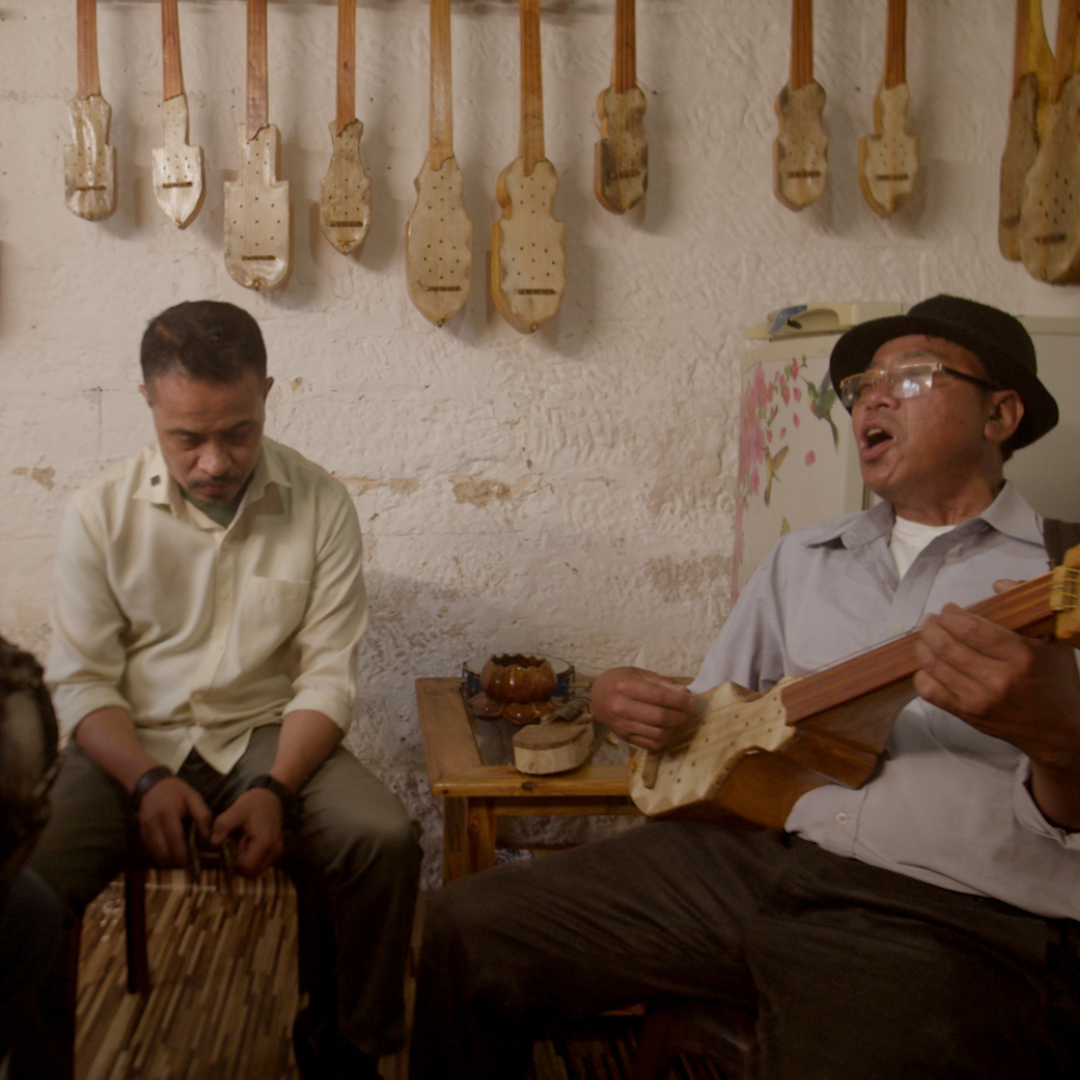
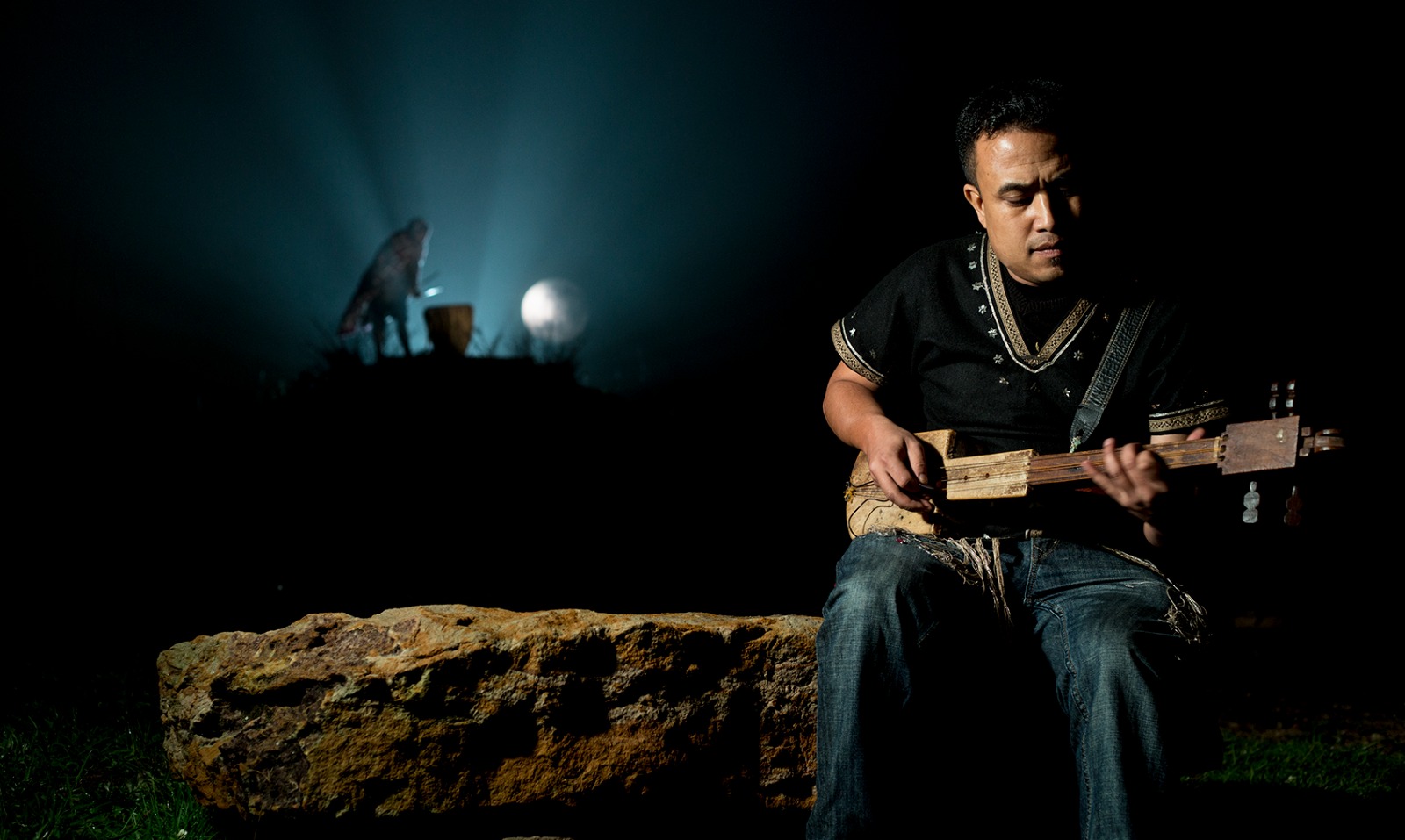
- Ka Duitara: The Duitara is a guitar-like four-stringed instrument produced from medium-soft wood having an open space and covered with dry animal hide. Its strings are usually made of muga silk, resulting in a special sound and is associated with the musical culture of Khasi. The Duitara is traditionally used in a variety of performances from single homemaking to accompaniment on folk songs and folk dances on a festival. The art and technique in creating the Duitara is considered as the Khasi's commitment to keep their music unspoiled, which makes it an important icon of their culture. The instrument has a wide range of expression, and the melodies can be rich and complex, and the function, likewise can be quite varied, from entertaining occasions to serious ceremonies.
- Ka Ksing: It is used for the drums including “Ka Bom” (a low frequency drum), "Ka Ksing Kynthei" (Female Drum), "Ka Ksing Shynrang" (Male Drum) which are common in Khasi music. The pulsating beats of the drums lend rhythm to most of the performances, not just a pace for dances, but a ceremonial uplift during festivals. Ka Bom or The Nakra / Nagra to be precise is identified more for its sonorous-bass rich sounds which has a charging effect on an audience while Ka Ksing Kynthei is performed with tales and oral legacy. Drumming in the Khasi society is not just a music act but it is a fun communal activity, where people gather to network, bolster their social ties and show their pride about Khasi culture. The percussion and the other instruments play well off each other to produce a very atmospheric sonic mood that is as enveloping as Khasi culture.
- Flute: Ka Bisli, a bamboo type flute is played by Khasis both in solo and in orchestration. Its innocently melodious songs are inspired by the mystic beauty of the Khasi Hills, even replicating the sounds of nature, like birdcall and rustle of leaves. This instrument melds the musical world and the environment, mirroring the Khasi peoples' reverence for nature. In addition, the flute is very popular in festive music and ceremonies where it complements the music that is being played, allowing a lyrical quality to pervade throughout the experience. A Select Review victims and embodied souls in the wake of modern resurgence from the new world of externality.
- Shawshaw (Small Cymbals): The use of metallic cymbals provides its characteristic clang to the music, enhancing the sound and complementing the rhythm of the drums. The Kha comes out in its full glory during dances and rituals and lend a festive air. Their vibrant tunes slice effortlessly across the beat, suggesting an atmosphere in which pumping, noisy jubilance is encouraged. The role of cymbals in Khasi music also underscores the cultural importance of rhythm and sound in Khasi culture, where all the instruments are part of a communal narrative. They used the Kha on important bars in a performance, to emphasize phrases in order to excite and keep the audience together.
- Bamboo Instruments: Different kinds of bamboo instrument, such as "Ka Dymphong" gives the traditional feel to the Khasi music. These instruments frequently imitate the sounds of the nature, strengthening the indigenous people's long-standing relationship with their natural world. "Ka Dymphong", with remarkable notes, is employed in different kinds of traditional songs ranging from folk to ceremonial. The flexibility of bamboo instruments complements how the Khasi people are resourceful to music with what is available in their local environment. They are not just melodic instruments but a tool to remember the community's heritage and the need to conserve the conventional skills.The diverse sounds of Khasi folk music emanate from the traditional instruments and throw light over rich tapestries of its tribal culture and bond with nature. Every instrument has a story to tell, not only of Khasi people and their ways that have stood the test of time, but also of the inextricable bond that they share with one another.
Key Modern Instruments
Contemporary instruments have been introduced in the Khasi folk music, and there have been a mixture of traditional and modern influences on the music. Thus the blending has proved to be an enriching of the musical fabric, and that the essence of Khasi culture has remained intact.
- Guitar: he guitar is a sign of cultural flexibility and is one of the most tabbed instruments of Khasi music, and used extensively both in acoustic and electric guise. The purists might suffer other opinions on this, but the real world is quickly coming to embrace this shift in thinking due to the currency originating from the real world. The Guitar can be used for a wide variety of styles from country to rock to any traditional song. It's guitar ads new dimension to Duitara & Duitara in turn adds dimension to guitar, together they worked & lots of melodic structure created, younger artist love Duitara because they make their tradition sound modern as well as not loosing the cultural meaning.
- Keyboards and Synthesizers: As music in Khasi has incorporated modern technology, keyboard and synthesizers have become essential in Khasi music today. These electronic instruments give players access to multiple sounds and synthesis options that can expand the horizon of a performances. They are frequently used in fusion genres where Khasi folk music is combined with pop, rock, and electronic music giving it a younger appeal.
- Rhythm Tech Support: Since rhythm is a very important element in Khasi music, drum machines have been introduced to maintain a uniform beat. They allow musicians to try various beats and tempos and still retain the traditional drum beats, essential to the cultural heritage. Activating e beats with traditional rhythms supports the creation of a new edition of old songs.
- Bass Guitar: The bass includes rhythm in such Khasi modern numbers. The heavy, satisfying sound adds an overall dimension of depth to the music giving it a new swing popular to younger audiences. The music of the Gasse-Horn is frequently used to backing the melodies played by the Duitara and other indigenous instruments, producing the perfect marriage of new and old.
Role of Instruments in Khasi Music
In Khasi syiem music, traditional instruments are very important; they also serve as accompaniment to the song and to give the song cultural identity. They are essential to numerous types of traditional music including folk songs, jocose songs, ceremonial music, and dance music that require the beat and classic rock.
Rhythmic Foundation
Instruments like that of the Ksing Shynrang, Ksing Kynthei & Ka Bom (The Nagra) form the main rhythm providing instruments of Khasi music. Their rhythms, which both compete in performances and lend ceremony to festivals and rituals, not only establish performing tempos. The syncopation of Khasi drumming can spark a sense of togetherness, encouraging people to come together and celebrate life, music and culture.The Duitara and bamboo flutes play a central role in the Khasi’s melodic expression. Tunes from the Duitara, whose distinctive resonance is characteristic of the silk strings it is played with, complement the folk songs and dances, and bamboo flutes complete the pictures with their melodies imitating the beauty of the natural surroundings of the Khasi Hills. They are performed both solo and in ensembles, providing personal and social expression.
- Cultural Musical Instruments in Khasi Music Musical instruments play significant role not only as music making tools in Khasi society. They represent traditions of the community and communities, usually accompanied by rituals and festivals. During the Shad Suk Mynsiem festival for instance, people wear traditional dress, play traditional instruments and witness the colours of Khasi culture boldly come to life depicting nature, love and community life. There’s also a theatricality to the performances, between instruments and traditional costumes, which deepens their resonance.
- Adaptation and Modernization on and of Khasi music On Khasi music, modern instruments and other medium like guitars, keyboards, and even electronic rhythm pads have been used. This mix of old and new means it will appeal to a wider audience and particularly to younger viewers. If these new age instruments bring in new sounds and textures, they still maintain their melodic and rhythmic forms present in the traditional Khasi music. This flexibility is testimony to the robustness of the Khasi culture, which is organic, traditional yet rooted to the past but which is able to cope and adapt to the inevitabilities of change and journey into the horizon.
Emotional Connection
The sound of the traditional instruments sends any listener to the ancient emotional expression, which resemble the sorrow, joy and pleasure. The particular tone and sound produced by each instrument by which a certain feeling and emotion can be triggered among the audience. For example, the high pitch of the flute or The Bisli can be happy and the resonances of the drums can be serious during songs of mourning.
Special Techniques in Singing
Khasi folksong presents a tradition of rich singing skills which is a reflection of the social practices and sentimental expressions of the Khasi tribe. These strategies are not only used to elevate the musical experience, but are instrumental in the representation of the stories and values that are inherent in the songs.
Vocal Techniques and Styles
The call-and-response form is one of the most prominent features of Khasi song, known as Ka Phawar in these regions, characteristic of their oral traditions. This not only takes the audience into account and brings them into the community life at the time of and after shows but it is surprisingly easy and rather rewarding in the end. Some singers sing back and forth with their audience or between group members in conversation with them, to produce a dynamic interaction that deepens and enhances the music. This method is extremely popular at public gatherings, festivals etc., where people are encouraged to participate. Ka Phawar : Ka Phawar is a lyric based singing and it's a form of singing, speaking where fast wit and humourist phrasing is created and the nature of language portraying sarcasm nature.The second major point is the donning melodic ornaments. Vibrato and glissando are also used by many Khasi singers to lend expression and emotion to their singing. The flourishes aren’t just ornamental, they also help to elucidate the lyrics, which frequently address themes of nature, love, and fellowship. These are not academically learned but It is that seeking group of artises who has not learned but gathered, storing in his subconscious. It’s an emotive way of singing, and being able to express this through whistling and groaning is very much appreciated in Khasi society – the singers even have to be trained in them.
Rhythm and Improvisation
Khasi traditional music is no exception, and the music generally from the genre is heavy with traditional musical instruments that both dictate the sound while dominating the rhythm. Vocalization Singers also modify their vocalization to mold it to the rhythms of the instruments, especially the melody-based Ka Duitara and drums. This interplay of voice and instrument gives the music its identity.It's also a type of singing where there is a lot of improvisation in Khasi songs." Most songs have a standard structure, but can involve some variation in arrangement among different groups of actors chosen to perform the song. That might mean changing melodies or including improvised vocal runs in her songs, or even rewriting song lyrics that convey her autobiographical experiences, or touch on current events. This kind of extemporisation has not only the expression of the individual artist in it but contributes to keeping the idiom fresh at the witness of the contemporary crowd."
Storytelling and Cultural Significance
The theme-based content of Khasi songs focuses on storytelling and the context narrated by the singers are related to ancestors, nature and social traditions. This form of storytelling is strongly connected to the community’s identity and is a way to ensure the history. Songs are often handed down from one generation to the next, and every performer puts their own stamp on their interpretation of a shared song. These oral recordings keeps the cultural narratives fresh and within reach.Singing is a form of spiritual vehicle which enables the communicator to send the message as music is meant to be sung. Most Khasi songs are sung during rituals and ceremonies to summon blessings or to pay respect to the gods. Certain melodies and beats contribute to spiritual atmosphere, and for that reason, singing is also considered a form of prayer. This relationship between music and spirituality accentuates the importance of song in Khasi society.
Variations in Singing Styles
Linguistic and poetic features Khasi folk or Hymr sung and thevar songs are characterized by a wide variety of singing styles, each reflecting the particular context, theme and regional influences placed upon it. These differences not only represent the cultural diversity of the community, but also the artist interpretation and creativity. One popular format is the call-and-response, where a lead singer offers a question or remark, which is then repeated by the audience, or a group of singers. This method encourages the involvement of the crowd and adds a dynamic element to the act. It is typical of folk and performs festivals, where communal participation is featured.A common variation is the melismatic singing style, where syllables are sung with more than one note. This is called kyriah in Khasi, and enables the singer to convey profound emotional nuance, as well as ornamenting the sound. It is often used in folk songs and ballads, bringing out these songs’ emotional content and intensifying their transmission to the listener.There are also various types of Khasi music that reflect different regional influences, with different dialects of the Khasi language used to enhance these styles. One area can have another in interpreting traditional songs and influenced by their local customs and history. The melodic characteristics of songs from Jaintia Hills, for example, may be different from those in other areas thus demonstrating the ability of Khasi music to adapt to environmental and community dynamics.Aside from these original forms, modern influences have brought a new form of singing performance in Khasi folk music. Today many artists merge traditional Khasi music with more contemporary styles and bring out an attractive fusion of sounds appealing to the younger generation. This merging can range from modern vocal styles, instrumentation, to totally new themes dealing with modern society.In addition, emotional quality of singing differs greatly from one vocalist to another. Other tunes may be more joyful and celebratory, such as fast and happy songs at festival times like the Shad Suk Mynsiem or more somber and thoughtful at times of grieving or reflection.These different approaches toward song rendering showcase the flexibility and vibrancy that Khasi folk music is endowed with, and ensure that it is very much alive, and relevant within the cultural environment even today.
Modern Influences, Conservation and Conclusion
The crosscurrents of modernity and of the traditional Khasi folk music has created a buzzing space that exemplifies not only the changing face of the genre, but also the difficulties it undergoes in preservation. Due to globalization and expanded possibilities for music sharing, today's young musicians are mixing what they've learned from the rest of the world and using it to create new music that is more 'multi-layered' and appeals more to the modern ear. This transformation has expanded the musical spectrum in interesting ways but has also led to anxieties about the preservation of age-old forms, and the legitimacy of Khasi cultural representations. While the introduction to modern and popular sounds trend amongst the younger generation is unavoidable, it is a pressing concern to strike a balance between the new approach and the age-old qualities which constitutes the distinctiveness of Khasi music.
Traditional and Modern Influences on Khasi Music
The development of Khasi music has been deeply affected by graceful inheritance from the older and vintage traditional style and at the same time modernization has also been incorporated in the forms of effective fusion giving a distinct representation of the cultural heritage of the Khasi community. Traditional Khasi music stands out for its indigenous instruments, unique way of singing, and close relation to the community's rituals, festivities, and standard of living. The Duitara, drums, and bamboo flutes are principal instruments played for performances, with the vocal style often following the traditions of storytelling, spirituality, and community values. These are heritage which is an integral part of Khasi culture.Khasi music, influenced by modern music has started to emerge in recent years particularly due to globalization, and technological advancements. They have incorporated modern genres like pop, rock, and electronic dance music to write new, fresh compositions that are connecting with younger generations. Acts like rock-fusion combo Summersalt, Snow white and Daminot have managed to fuse traditional Khasi melodies with Western sounds, carving out a sound both local as well as transglobal. This fusion has sparked a revival of interest in Khasi music, a music that is itself a demonstration of the Khasi people's adaptability even as they manage to preserve key aspects of their culture.With contemporary influence, there comes innovation and greater acceptance; however, it also has brought along with it daunting tasks for the conservation of folk Khasi music. When exposed to the global trends of music, more and more of the younger generation might prefer modern styles than the traditional practices. This transition sparks concerns for the realness and longevity of native music forms. Efforts are to be made as well, those that aim at creating awareness and educating people about Khasi cultural heritage to save traditional music.Community projects and cultural festivals are also key to ensuring the continued relevance of traditional Khasi music. Activities such as the Shad Suk Mynsiem and other festivals of dance, which involves the whole community provide platforms for local artists to exhibit and sell their work. These events bring generations of people together as older musicians teach younger generations traditional techniques and songs. Meanwhile, Khasi music is also being promoted through new media, with social media and the streaming platforms playing a crucial role in transmitting it into the future.
Efforts to Preserve Khasi Traditional Music
During the last few years there has been a growing interest in the revival of this rich tradition of Khasi traditional music, as it is an important part of their rich cultural heritage, which reflects the identity and the history of the Khasi society. At the community, institution and government level, several initiatives exist to promote the well-being and survival of this rich musical tradition in the face of contemporary changes and globalization.Community engagement: The single biggest push to keep Khasi music alive comes from community events including festivals and cultural fairs. Festivities such as the Shad Suk Mynsiem and the Ka Shad Nongkrem are not just shows featuring traditional music but also pedagogic as well as intergenerational occasions. These festivals provide an opportunity for younger musicians to learn from older ones, so that knowledge of traditional playing techniques and songs will be passed on to the next generation. Communal performances help to uphold the pride of the Khasis, and these gatherings have also helped to ensure that there is space for the youth to get involved in music, and institutions have been instrumental in conserving Khasi music. More schools and colleges in the state of Meghalaya have started to add local music and arts to their syllabus. Courses with an emphasis on traditional music education provide a way for students to learn to appreciate their cultural heritage as they build their musical skills. Establishments such as the Lakresh Memorial Music School, North-Eastern Hill University and Martin Luther Christian University offer courses for the study of indigenous music thereby making it possible to learn Khasi music traditions in a structured way.Also, organizations are still documenting and archiving Khasi music. These organisations undertake research of Khasi music, interpretive workshops and AV production which involves the beauty of Khasi musical traditions. For example, organizations such as the Meghalaya Institute of Music and Arts are committed to the development and retention of local art, which includes music. With a focus on recording performances and resources, these organization also ensure that future generations have access to Khasi music.Digital technology has provided another powerful tool in the preservation and transmission of embroidery skills. Social media platforms as well as digital streaming websites have provided a medium for artists to cater to larger audience, in the process representing their traditional Khasi music. The musicians are likely to be found making their art on platforms such as Spotify, and YouTube- A fusion that erases the generations. This not only rekindles interest in Khasi music but gets the world to turn its head towards the region, thereby ensuring a place for it on the map of global music.
Challenges and Future Prospects
Despite such endeavours to ensure the survival and dissemination of this cultural treasure, Khasi traditional music is confronted with various threats. Modernization and globalization The most pressing problem is the influence of modernization and globalization, often resulting in erosion of the traditional practices. The subsequent generation of people, exposed to more Western music and international influences, may be at risk of preferring these modern genres over their own indigenous music. This change may lead to a diminishing of the participation in Khasi music and in essence a slow erosion of Khasi folk-qualities in the music.Moreover, insufficient funding and resources for artistes and cultural organizations represent a huge challenge. Financial struggle of traditional musicians and complementary occupations Most of the traditional musician’s face with financial hardship and they could not make a decent living just by playing music to get them out of social exclusion, social exclusion or to extract them from informality. The economic pressure here can, of course, demotivate younger generations from engaging in the field of music as a profession and inevitably lead to a loss in traditional knowledge and wisdom, due to elder artists retirees who had" no time/space" to pass it down. While resourceful projects exist to help local artists, they require more substantial resources and infrastructure to ensure their long-term survival.The other problem is documentation and archiving of Khasi music. While some groups are committed to the preservation of recordings and performances, the more organized archival work on various kinds of Khasi music styles such as folk songs, rituals and instrumental traditions is still a long way off. Without documentation the wealth and variety of Khasi music may well be lost or misrepresented in the generations to come.Future the prospects of continuation and sustainability of Khasi traditional music are bright. With the world awakening to a growing interest in indigenous cultures and the resurgence in interest of hold art forms, there is a space for Khasi music to be known far by the mainstream. (c) Traditional artistes and modern-day players working together are able to develop new mixes attractive to young listeners yet still drawing reference from tradition. These collaborations are a way of bringing Khasi music into the mainstream and also a push for tourism, and an interest in the region's cultural heritage.Educational interventions are also very important for the future of Khasi music. Schools and colleges that use indigenous music in their courses can develop their students a sense of pride and appreciation. Education plays the main role in forming attitudes to traditional music amongst children, therefore education programmes related to the community and practical learning will aid the generational gap in traditional music being passed down.It is the advancement of technology also, which provides an alternative for the storage of Khasi songs and their exposure. Traditional performances can reach far beyond local communities when using digital platforms, and it helps expand networks and opportunities for artists. Social media platforms, music streaming sites and even virtual classes can be used to share Khasi music and attract interest and involvement from across the world.
Conclusion
A journey into Khasi Indigenous Folk Music for an appreciation of a broad range of music and its relative importance. This conclusion merges a number of threads, focusing on the complex interaction between music, the Khasi people and their cultural identities.Khasi music is all about expressing the value system, belief systems and the traditions of the people. It is a genre that takes in several forms, long as it may be to the honor of the devil, the flesh, of drink and so on, and turning it strictly blends materialistic songs hyperbolically expressive and devotional songs, seasonal and festive which form an integral part into Khasi society. These songs mirror the community's bond with nature, society and spirituality.The Khasi tribe is famous for their matrilineal culture, mythological lore, and abiding respect for the environment. This rich history underpins their musical heritage and transforms it from simply something that entertains into something that encapsulates history and helps to bring communities together. Ceremonies and everyday events sometimes involve music, demonstrating the inextricable link between cultural traditions and musical legacy.Khasi song forms have distinct features with relation to melody, rhythm and content. The pentatonic scale and the melismatic singing style are defining aspects of the sound. In addition, the old costumes of the performers contribute to making the music traditional and to focus the artistry, social and religious values.A variety of native musical instruments like Duitara (stringed instrument), Tangmuri (wind instrument), Bisli (wind instrument) and a number of traditional drums like Ka Ksing Kynthei, ksing shynrang and Ka Bom have taken up a significant place in the Khasi music scenario. Each instrument adds to the rich tapestry, and traditional signing techniques bring depth to the performances. The dance between instruments and vocals tells you how to feel, what to expect, reaches out on a psychic level, making you believe in the skill and creativity of Khasi musicians.Today, modernization and globalization are threats to Khasi music, but they also make it possible to experiment and reach out friends and people we once thought of as ‘Outsiders’. Such initiatives, being undertaken both to educate and document the music, and for the broader community to participate, are indispensable for sustainability of Khasi Music in the future. Reinforcing pride in their musical heritage among younger generations is the Khasi community's answer to grappling with modern influences while maintaining their roots.Khasi Indigenous Folk Music Khasi Indigenous Folk Music is very much alive and an intrinsic part of the Khasi life. The relationship between music, culture, and community is deep and is embedded in the soul of the Khasi. In this era of musical modernisation, the task of preserving and propagating Khasi music will thus become even more important to ensure that it doesn’t lose its originality and significance. There is no limits to the future of Khasi Indigenous Folk Music, as soon as it adapts but still founded in resources and roots, this cultural treasure is fit to be cherished for ages.This comprehensive perspective does not only display the aesthetics of Khasi Music but the significance of cultural richness as well in a world increasingly getting globalized. By educating, involving their community, and by forging innovative liaisons, the Khasi people will be encouraged to keep alive the tradition of their special music and that in turn will be viewed as another precious jewel to the cultural diversity of India.There was this module on Khasi music that talked about modernization and its impact on Khasi music, challenges as well as what is being done to preserve it. We talked about the projects for safekeeping traditional music and the future of Khasi music, with special focus on the cultural value of music and the need for preservation.