

Paliya Dance
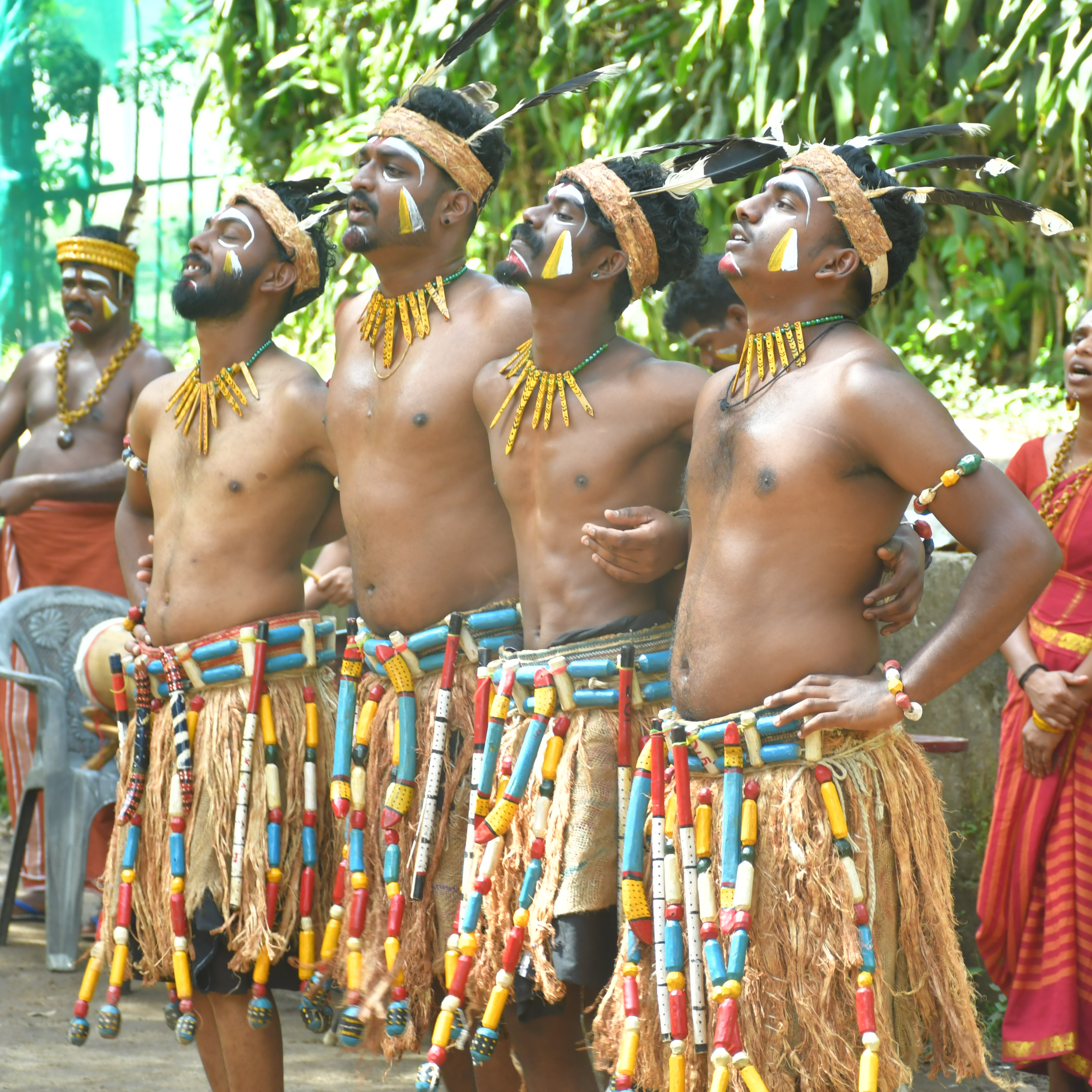
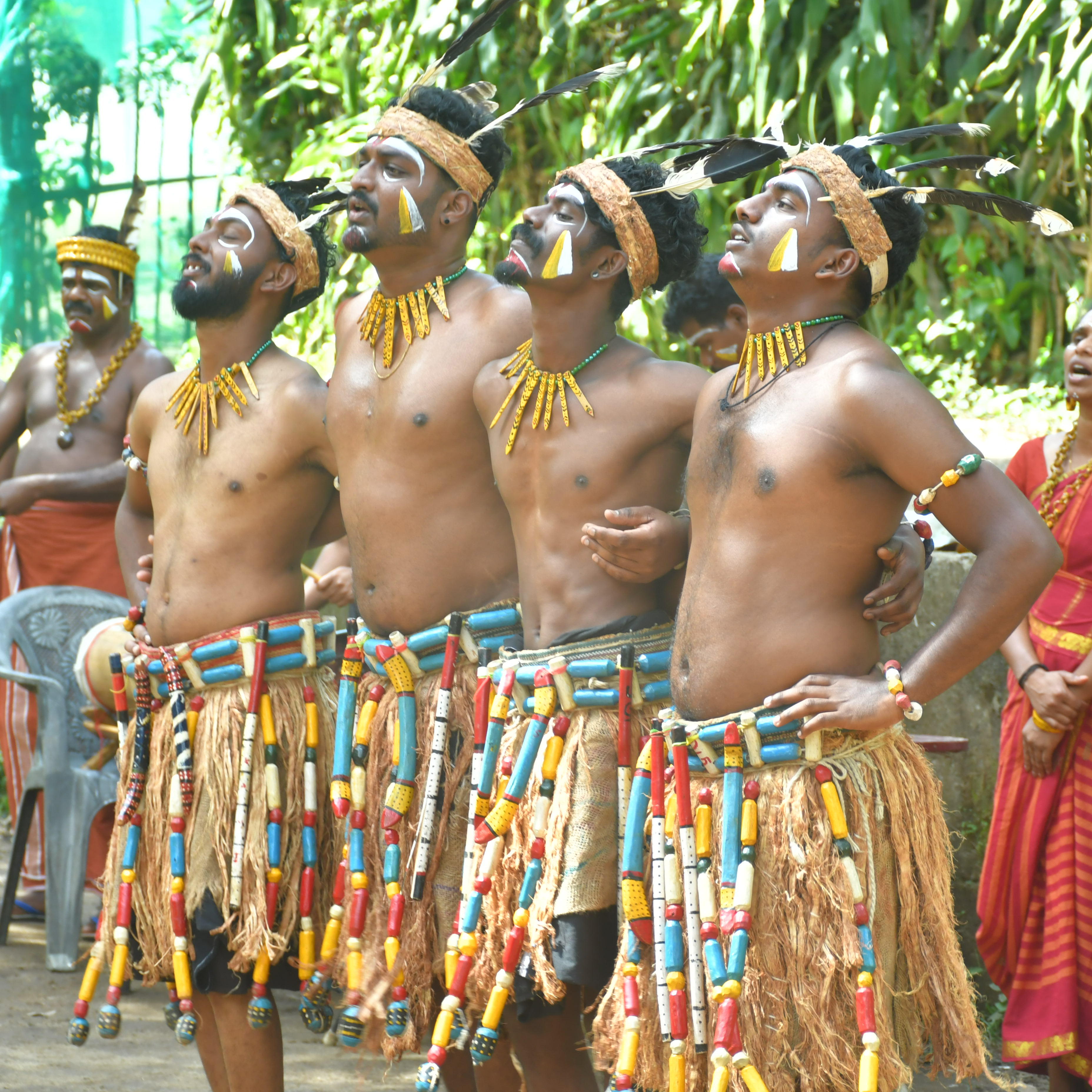
This program provides a living experience of the Paliya dance, which is a rich tribal performing art of the Paliya community of India. Along the way, you’ll discover more about this tribe’s history, sub-tribes, and other ceremonial dances. The curriculum involves the music, traditional instruments, costume and symbolic expressions employed in Paliya Nritya. It also focuses on present-day efforts to save and revive the dance in contemporary cultural venues. For lovers of culture, educators and scholars, this course animates an extraordinary and powerful specimen of Indian indigenous performing arts.
 Most Viewed

What you'll learn
- Origins and Cultural Context : Learn of the cultural heritage of the Paliya tribe and their traditions and way of life.
- Sub-Groups and Diversity : Get to know the internal conflicts and diversity of affects in the tribe.
- Dance Styles and Significance : Dance Form Paliya and other tribal dances.
- Music and Instruments : Recognize traditional instruments and find out what they represent.
- Costumes and Visual Elements : Learn the clothes, body paint and ornaments that they use in their shows.
- Preservation Techniques : Discover the tactics for protecting and preserving tribal dances.
- Contemporary Relevance : Learn about the adaptation and promotion of Paliya Dance in the current times.
Couse Features:
- Authentic Field Research : Material produced from tribal visits.
- High-Quality Video Content : See original dance performances and visual explanations.
- Audio Samples : Hear traditional music and tribal instruments in action.
- Downloadable Study Resources : Print out and distribute articles, glossaries, and cultural information.
- Interactive Quizzes : Stimulate learning with these fun tests.
- Discussion Forum : Become a part of a dynamic community of learners and practitioners of folk arts.
- Visual Costume Gallery : detailed photos of the dance costumes and ceremonial props.
Who Should Enroll
- Students of cultural heritage and anthropology
- Entertainers and dance participants
- Art and culture educators
- Tribal and rural development practitioners
- Ethnomusicologists and folklorists
- The 'diggers' documentaries and reporters
- Heritage tourism and event organizers
Description
Paliya Dance
we will study about Paliya tribe and see the Paliya Dance. We will here receive preliminary information about the religious / cultural importance of this dance and its different forms. And we will see what is its history and how it’s origin of dance in Paliya tribe, then the cultural background of the tribe, the rootedness of the Paliya dance with the mythological context. This dance form is a medium to explore the age-old tradition, rich cultural heritage of the Paliya community and its significance in their lives.
Paliya Dance Paliya dance is a popular folk dance of the Idukki district of Kerala. This dance is usually associated with Temple goddess elathu palichamma and it has rhythmic attractive music which gives a lot of semi-tone sound and refection of Semar in the white attire is shining. The Paliya dance neither serves as mere religious functions but it is the cultural identity of the Paliya community.
Geographical Context and Origin
Before discussing the geography of the Paliya people or searching into the history of the tribe, we will take a peep into the southern plot of Idukki district and the neighbouring regions of Tamil Nadu. Distribution Paliyans are distributed among different settlements in Idukki District namely in the village Kumily of Peerumade Taluk, between Chakkupallam and Anakkara village and in Vandanmedu Panchayat of Udumbanchola Taluk. and known by alternative designations such as Palliyar, Palleyan or Palani Makkal as well, Malai Paliyar indicating that 'they are hilly dwellers.
They are concentrated in Peerumedu Taluk and Udumbanchola Taluks in the Idukki district of Kerala. These three are also code separately listed in the list of Scheduled Tribes in Kerala A.A.D Luiz in his ʺTribes of Keralaʺ mentions that all these three names are synonymous with the same tribe (Luiz, 1960)
Paliya trace their origin to British times. They were were brought to Idukki from Madurai district, particularly Bodinayakanur taluk where they were working as forest clearing and agriculture labourers. Until fifty years ago, the Paliya lived a nomadic existence, practising shifting cultivation. Their primary food crops were yams and other tuber crops that they hunted and gathered. The settled agriculture has been adopted by the Paliya tribe in the course of time and now it is obtaining crops like honey and trading other producers of the forest.
The Paliyan speak Paliyan, a Dravidian language related to Tamil. His people are also a product of the culture and society they are from. Social System The social organization of the Paliya is dominated by kinship and village. Their religion is along with "Ezhamathu Palaichi".
In brief, the source and geographical milieu of the Paliya tribe are intertwined to their distinctive way of life, cultural identity and religious faith. They depend upon forests and natural resources for their livelihood and are struggling to maintain the traditions and culture they have inherited from their forefathers.
Historical Background and Cultural Significance
To understand their lives and traditions in a better way, it is important to discuss a few aspects of historical background and cultural importance of the Paliya tribe. The Paliya tribe, predominantly found in Idukki district of Kerala and bordering parts of Tamil Nadu, have special cultural heritage and historical legacy.
Historical Background
Origin of the Paliya tribe is associated with the British times. Migrants from the 19th century In the 19th century, the British authorities migrated the paliya people from Madurai district Southern peak to Idukki, Madurai district to Idukki where they were employed as laborers in the cinema and movie making industry, made to clear forest jungle and took up agriculture. Before this, the Paliya was predominantly a nomadic tribe, living on hunting, honey and wild food. A significant part of their customary livelihood was hunting, fishing and to some extent collecting wild fruits and about vegetable. The Paliya community had a significant contribution in the society but the colonial rulers had an impact on their lives in a transformed way.
Cultural Significance
Religion, folklore, dance and music Paliya tribeTheir Religion is Local gods and Hindu and folk dance and folk songs. They also worship their goddesses like ‘Ezhamathu Palaichi’ (Seven-faced goddess) and ‘Mariamman’ during their major phases of life. Paliya dance is performed during the festivals of the goddess Elathu pali chammar It is notonly a religious ceremony but also a witness to their cultural legacy.
Paliya dance is concocted from the raw materials without a single thread of human-made factor use, with colorful clothes made from the bark of acacia instia. The music instruments that are played during this dance like Mulam chenda, Nagara and Urumi are those that breathe life into this art form. This dance is a token to community oneness and collectivism and a manifestation of all the people working together to continue the traditions of their forefathers.
Their cultural activities are also marked by their folk songs, which depict their social and economic life. This musical heritage serves as a binding factor for the Paliyas as these songs are a representation of their moments of joy, sorrow and life roles.
The Paliya community holds nature in particular reverence. They conserve forests and natural resources supported by their indigenous knowledge. pap The Paliya continue to practice traditional agriculture and hunting to preserve biodiversity that the life of the pap is dependent on.
Religious Beliefs and Practices
Most of the Paliya tribe members are Hindu, although there are approximately 22 per cent Christians.
• Vandevata: This deity is venerated to protect forest produce and forest. The Paliya people offer her prayers and worship her while they collect honey to have her blessings to protect themselves from wild animals. They consecrate to their service, also, new honey, by wrapping it up in seven leaves.
• Karppuswami: The guardian of Paliya and was worshipped for prosperity. On the opening day of the Mariamma festival, Karppuswami is venerated and money and grains are collected.
Cultural practices and festivals
Festivals Festivals form an integral part of cultural life of Paliya tribe.
• Paliya Nritya : Traditional art of the Paliya tribe, performed during the Mariamma festival. It is a style of dance that is done in cololful clothes and to traditional music and instruments.
• Festivals: The Paliya are also observing the festivals of lights and Pongal. On such occasions, they put on new clothes, take a bath and prepare select dishes. Festivals are an opportunity for a vacation and a community feast is arranged.
So, while a historical background and cultural relevance to the Paliya tribe can be traced to their lifestyle, religious beliefs, dance, music and conservation of natural resources. Their fight and their customs make their identity strong and they are attempting to hand over their tradition to the forthcoming children.
Paliya dance We learnt the "Introduction" one in this module. Geographically, this dance is of North Indian origin. Its cultural importance and therefore place in local tradition and social life was reflected in historical perspective. Form and style Paliya Dance which is based on regional diversity.
We shall learn specifically about Paliya tribe in the subsequent module. The general account of the Paliya tribe, their sub-sections, manners and customs and dances.
Description of Paliya tribe, subgroups and other dances
In this part of Paliya dance, we are going to learn about the Paliya ethnic community and its sub-groups. Here, we will be introduced to the Paliya tribe and their society. We will also talk about their other traditional dances and cultural forms, to know about cultural roots of Paliya tribe who predominantly lives in Kerala and Tamil Nadu. In this session, we will have an opportunity to learn more about the colourful culture of Paliya tribe spirited dance which is integrated into their agriculture, nature and community living. We will see how this dance is in their religion/ daily lives (for example, planting/tilling the field rain dance) and how this dance has been loved for hundreds of years. Let's begin.
Description of the Paliya Tribe
Distribution The Paliya is scattered in the districts of Madurai, Thanjavur, Pudukkottai, Tirunelveli and Coimbatore in Tamil Nadu; in the taluks of Peerumedu and Udumbanchola of the Idukki district. The Paliyans are a hill tribe of Dravidian origin and are a remnant of the ancient Dravidian race. They speak a sort of Tamil with numerous local vocabularies.
The traditional economic base of the Paliya was hunting and gathering, as well as shifting cultivation, but more recently they have taken up sedentary agriculture. Their way of life revolves around collecting forest resources, beekeeping and agriculture. They formerly occupied the forests and lived in fissures of the rocks and caves.
The cultural aspects of the Paliya community are also very significant. These people used to dress in white clothes and they performed simple marriage functions. Paliya is one of the prominent dances of the tribe and is popular during the worship of the goddess Mariamman. It is in this dance that they express their culture.
But the plight of the Paliyas isn’t any easier; like loss of land rights and the reigns of traditional agriculture. Nevertheless, the Paliya people continue to work toward maintaining their identity and transferring their ancient culture and tradition to the upcoming generation.
In this context, the Paliya tribe is of great importance in terms of geography and culture and is an integral component of tribal life in South India. Their tensions, culture, tradition show us how the cultural identity changes with time but never leave its base.
Lifestyle of Paliya Tribe
Life-style of the Paliya Tribe The life-style of the Paliya tribe is the product of rich and divers tradition, very much in harmony to their environment, culture and social order. The majority of these people live in the hills and forests of southern India, particularly Kerala and Tamil Nadu. To know the lifestyle of the Paliya tribe we have to pay attention to their economic, ecological social, cultural and religious ways of living.
Habit Paliya: Ancestral occupation of Paliya tribe is hunting and collection. Their description was that of hunter-gatherers with gathering of wild fruits, tubers and honey. Eventually, they transitioned to sustainable farming. At present, the Paliya are primarily farmers and forest product collectors. They grow cardamom, ginger and other crops. And in addition to this, the Paliya tribe also practices beekeeping, it provides them with honey and other products.
Paliya tribe people are engaged in agriculture in group and they follow what has been traditional for them. They also earn money from selling forest products. However, in the recent past, their agricultural lands have been taken over for private and commercial use, which has influenced their affluence.
The Paliya tribe has a simple way of social organization, where there is emphasis on family and community living. Those people are resident in small families and attached great value to family relations. They have no classes in their social organization for gender, age and experience. All the members support each other, and community decision-making is routine.
They live as on mutual means of support. All people cooperate with one another in the festivals and jatras like harvesting, preparations for festivals and others.
Paliya tribe has a rich cultural heritage which is reflected in its customs, songs, dances. Dance and music are not only a source of entertainment for them, it is their history, their legacy. Paliya dance is performed at the time of worship ofThis dance clearly represents their community life, their relation to nature.
Their traditional clothes, too, tells about their way of life and tradition. The Paliya dress themselves in multi-coloured garments produced from the natural until a lot of vegetable fibers such as tree bark and other wild plants. This clothing not only as a symbol of their identity but they represent their concern for the environment.
The paliya people are very religious. They follow thewho is reportedly their Kul Deva (family deity). On festivals, Paliya people observe some special worship together. These ceremonies stenghten the unity and identity of their culture in the their society.
Also, for the Paliya tribe, their goddess guards their agricultural produce and well-being and therefore conduct festivals each year. Among these dances, music and special food is prepared, which are a part of their culture.
The life of Paliya tribe is rural and conventional, but they have gradually realized the significance of education. Paliya people are now sending their children to schools and other educational centers. Yet, access, and quality of school is still an issue for them in the area of residence. A majority of Paliya youth are seeking Alt employment avenues beyond agriculture.
Way of life of the Paliya community is an amalgamation of age-old traditions, contemporary lifestyle, their affinity with nature and their desire with to keep pace with the inevitable march of the future. Their fight, culture and development make us learn how to evolve with times yet stick to the roots. The Paliyas not only know about their culture but they are also working towards claiming and strengthening its identity.
Importance of Paliya Dance, Description of Music, Instruments and Costumes
Thus, the great details of Paliya dance in their society, the music and instruments such as drum and flute used in this dance and the cultural significance of the special costumes worn by the artist during this dance would be experienced by us. This dance isn’t just an art but is also a religion and a culture for the Paliya tribe, and is attached with them in every step of their life. And when we talk about the traditional costume, we will learn how the various colors, designs and materials contribute to making this dance extraordinary.
Method of Paliya Dance
Paliya dance is an important element in the life of Paliya tribe of South India - both religious and cultural. This dance is not just a symbol of their beliefs, it is also closely linked to their way of life, community and festivals. The dance is executed on tribal, native or religious festivals and special events. Paliya dance evident their culture as well as their life which is attached with nature. Through this performance, Paliya tribe pay their respects to their gods as well as show gratitude to them.
The dance is performed if any kind of festival is conducted in the village dedicated to Goddess Mariamman in kovai village festival like veerapandi thiruvizha. It is also danced in the worship of Vandevata and the time the tribe goes to the forest to collect honey, or starts farming.
Religious - Paliya dance, although with its religious role also has social reference. This dance enhances the feeling of unity and brotherhood in the society. Everyone dances together which builds up more collectivism. This dance is a way of keeping their tradition alive and handing it down to generations to come.
Music and Instruments used in Paliya dance Involvement of music and instruments enhances the ethnic attribute of Paliya dance. The instruments of this dance are classical instruments; they are almost all made of natural products that are taken from the forest. These are Murum Chenda (a drum type made with bamboo), Nagada, Udukku, Urumi, Jara and Chilanga. Murum Chenda provides the main rhythm for the dance while the tune and rhythm is further supported by other instruments.
The dance is accompanied with the sharp/beating sound of Nagada, containing energy and speed, whereas the melody of Urumi and Udukku fills it with contrast and sense of tradition. These bring a lot of energy to their performance, not only do they set a beat for the dancing, they also have amazing onstage energy that gets both the audience and the festival dancers really going.
Costumes And Ornaments: The costumes and ornaments worn during the Paliya dance are another integral part of the dance that fairly projects their culture and traditions. The performers are clothed in good-looking national attire (of natural colors and fabrics).
and a number of other musical instruments, these dancers dance with their whole body all made up for decoration and gesticulate. Their costumes are their cultural identity and are worn on only on occasions and fesitival.
Paliya dance style A lot of twisting and coordination is used in the Paliya dance. It's a group dance; all the participants in the dance are dancing to a prefixed rhythm and beat. The dance usually begins slowly and then accelerates its tempo and energy. In it, dancers are shown in differing poses, hand gestures, footwork and so forth are made by the dancers using the whole body.
The body language and asanas used in this dance form are not just about spiritual and religious expression, but also about life, joy, peace, struggle etc. Their each part of body at all does not have voluntarily every step, each beat for dance when it rhythm love, so this dance is very living, impassioned.
Paliya dance is not only a religious devotion with them but is a component of their social organization. The dance signifies the spirits of togetherness, brotherhood and cooperation. Using dance to bring them closer to one another, the Paliya tribe unfold the ties of their togetherness.
Dancing this dance during feasts and religious ceremonies is an essential part of their community life. This dance binds them to their ancestral essence and keeps their cultural heritage intact. The religious, cultural and social lives of these people are represented through Paliya dance.
Paliya dance is both a traditional dance and a part of their everyday existence. Through this dance the paliya tribal people showcase their cultural history and community heritage.
Music used in Paliya dance
The Paliya dance music is the life of the dance, which adds pace and rhythm to the dance performance and also present the cultural sounds and traditions of the Paliya tribe. This is a form of traditional dance of the Paliya tribe and is an integral part of their religious and social life with music being an essential part of the dance. The music played during the dance is typically on folk instruments and tribal melodies that generate excitement in the dance.
Instruments used in Paliya Nritya
The dance form Paliya Nritya that is part of the traditional dance of the Paliyan tribe, reflects the in-depth aspects of their culture and religious beliefs. The instruments, used during this dance, are a source of music, rhythm and also represents different elements of tribal life, sounds of life and nature.
Mulam Vadiyam
Mulam Vadiyam, a unique instrument created using bamboo is used extensively in Paliya Nritya. It is also called as “Mulam Chenda” which is made up of bamboo. Solid pieces of bamboo for this bamboo. are chosen and then seasoned to get its sound, which is like a dholak or a nagada. The sound of the Mulam Vadiyam is low and tuneful; it gives constant for the dance and dancers remain aligned in acquisition of rhythm with the sound of it.
With the aid of their fingers or a stick, artistes tap this instrument to produce a regular and heavy rhythm, just to play it. The characteristic ringing tone of the Mulam Vadiyam adds vigor to the dance, and occupies a prominent role in the worship of the Gods and Goddesses of the Paliyan festivals.
Nagara Vadiyam
Nagara Vadiyam, A Nagara is a large drum used in the 'Paliya' dance and producing a deep and martial sound. This is an instrument that is widely played in festivals and divine occasions. The loud and resonating sounds of the Nagara Vadiyam adds a spring to the dance.
The Nagara is made of covered by leather and is installed on a wooden frame. This makes the rhythm of the dance whirl and excites the audience. In that tribe, the Nagara Vadyam is something sacred and a spiritually dedicated task, which is essential to perform during worship.
Urumuvadiyam
The Urumuvadiyam (Urumi) is distinct type of drum played on both sides. It is played when a strong emphasis is needed, and it is capable of producing very piercing and powerful music. This drum gives rhythm to different steps and movements in the dance.
The sound of the Urumi is low and keeps the dancers in perfect rhythm with their speed. The artistes playing it make it sound by hands as well as by sticks and so we get variety of sounds in various stages of dance.
Jabha Vadiyam
It is the Jabha Vadiyam, a rare traditional instrument that is played to create a distinctive sound in the Paliyan dance. This musical instrument is included in the tradition of Paliya tribe since time immemorial unlike other traditions such as language, dance and leans dance invoked by the great tribes.
The sound of Jaba Vadyam is low and slow and that is why it is used to regulate a uniform beat during the dancing. The musicians who play this instrument strike it using your fingers and also your palms which give rise to a unique sound.
Chati Ithalam
Chati Ithalam is a traditional rhythm instrument used to rhythmify the dance. This is a small piece of thin metal, which the performer claps between the palm of each hand, causing a jingling noise.
The little rhythm during dance is controlled by using this and it also helps in maintaining it. Chatti Ithalam is employed for bringing about grace and balance in the ancient rhythmic and musical tradition of Paliyan dance.
Udduku
Udduku is a small drum that is used in different tunes and rhythms in the course of the dance. This the drum beats to accommodate itself to the motions and rapidity of the dancers.
The performer of Udduku takes a cymbal in his hands and plays it by striking the same with fingers on both its open ends. The sound of Udduku is swift and fast that adds pace to the dance and dance members maintain their rhythm with it.
Chilanka
Chilanka sits on the performer’s feet, it is an ancient decorative ware on a dancer’s feet. It is fastened to the ankles like the ghungroo, and provides rhythm and beat in the dance. The jingling of Chilanka sounds as per the motion and pace of the dancing and adorns the rhythm of the dance in a fine manner.
Chilanka has great significance in Paliya dance as its sound does not just regulate the rhythm of dance but is also representative of the tribal sounds and traditions.
Instruments The Paliya Tattu Melam is performed through a score of musical instruments, among them the Mulam Vadyam, Nagara Vadyam, Urumu Vadyam, Jaba Vadyam, Chatti Ithalam, Udukku and Chilanka, which create the musical sounds and cadences that accompany the dance. These implements give not only the rhythm and beat of the dance themselves, but embody the cultural sounds, religious rituals and also the natural environment of the Paliyan tribe. Using these musical instruments, the Paliya dance offers an enriching cultural experience that showcases the culture of the tribe and its profound spiritual bond.
Costumes used in Paliya Dance
Costumes, Jewellery and make up: The Paliya Dance The costume worn while the practice of vair is considered the most spectacular of the traditional Paliyan dress, since it is most colourful and has the greatest flair and style. This is quite attractive with the leopard skin and deer skin clothes.The people uses the stringed beads, looking glass and chal to wear the circular ring to cover the body. Every dress, accessory and jewellery for this dance is carefully crafted to showcase the original way of life of the Paliyan community and their inherited tradition. The garments and jewelry on the Paliyan dancers, when they dance, represent their local area, religious beliefs and unity as a community.
1. Costumes used in Paliya Dance: Natural and Traditional
Paliya Dance costumes are made from environmental resources like tree barks, leaves and other ecological materials. These attires are manufactured from tree back like Acacia Instia (kikar tree). This tree grows in plenty in the forests of South India and Tamil Nadu and special characteristics of clothes prepared with its bark is that they insulate cold, hot as well as they are eco-friendly.
The Paliyan tribe people is preparing this bark in a special process. The tree’s bark is first dried, followed by a process of making it more pliable to wear as clothing. The colour of this bark is brown or pale yellow with isochromatic bushes, it is the colour of the forest and Paliyans do not forget their surroundings.
Costume Features:
• Weaving Style: The dancers weave their own costumes with natural materials of their environment, using thin layers of bark into an interwoven fabric for their costume. It was old school: very tough costume work that conferred a special kind of artistry as well as strength to the look.
• Colour: The costumes do not have any chemical colour as they come in natural colours. The natural color of the bark is employed, the latter showing as brown, yellow and pale green tones. When the dance takes place these colours merge in with the natural environment and the dancers look like a part of nature.
• Image: The dancers wear loose, comfortable clothing that allows them to move freely during the dance. The men dancers wrap a lungi like dress on their waist and women are clad in the fully covered dress according to their static className and religious condition.
2. Jewellery: Natural metals and elements of the forest
The Paliya dancers wear along traditional dress with some peculiar jewellery. These jewellery are also primarily made from natural material. Materials such as stones, seeds, leaves, and some metals that are found in the forests are used in the production of the jewellery.
Main ornaments:
• Necklace: The necklace consists of seeds and little bones and is worn around the neck by the dancers. This bunch of seeds is against a thread put into necklace. The form and length of the necklace varies according to community traditions.
• Ear ornaments: Paliyan dancers wear big earrings that are carved from stones or wood. They are included in the traditional symbols and also hold significance from religious and cultural perspectives.
• Hand foot decorations: Bracelets and armlets made of wood or metal on the hands, and ghungroos or chilanka are on the feet. Chilanka gives rhythm when dancing and dancing can’t be performed in tune without rhythm. These bangles and chilanka give life to each movement of the dance and contribute to the energy of the performance.
3. Make-up: Use of traditional and natural colors
The attire of the Mayurbhanj dance also holds much significance as it heightens the striking presentation of the dancers. Members of the Paliyan tribe make cosmetics out of natural ingredients.
Major makeup:
• Face paint: The performers paint their faces with earth tone colors, created with mud, charcoal and tree bark from the forest. Red, white and black-coloured striped patterns are applied to the faces which were inspired by the idols of their gods and goddesses.
• Eye make-up: A dancer’s eyes are lined with kajal or charcol, this makes the eyes of the dancers look glitzy and sparkling. This is a method of demonstrating the feelings and religious dedication of the dancer.
4. Special items worn during the dance
In the Paliya dance, the dancers also carry certain unique materials with them, which are of religious and cultural significance to them. Key pieces of clothing and items include:
• Small drums or cymbals: Some dancers play small drums or cymbals in the dance, keeping them attached to their body. This drum keeps beats to facilitate continued dancing and rhythm.
Paliya dance is performed with traditional attire by both male and female, which reflects culture and customs of life, religion and nature. The men's costumes differ somewhat from the women's and are connected with the social and traditional background. Dress The dress of both is also natural, its design and purpose are simple and natural.
Men's costume:
Costume: Male dancers put around their waist a lungi-like attire made out of the bark of Acacia Instia. The garment’s weave is a classic weave, thus providing them with comfort and a light feel so they can freely swing their body when they dance.
No dyeing is done on the lungi or dhotis and they are always natural of either brown or light-yellow colour.
Sometimes the dancers also got their chest and back uncovered that symbolizes the natural strength and their valour. Honestly, there are even some religious holidays or events where the men will wear leaves or bark on their body as a shawl.
Accessory: Male dancers are wearing a necklace made of natural seeds and leaves around their necks. But this necklace, representing not only beauty but also religious products (it is formed of sacred seeds and of wood, branches of the trees of the forest).
On the hands and feet are bangles or bracelets, composed of wood, seeds, and occasionally stones. These are decorations that match every part of the body, and measure the rhythm and dance with a special time.
Ornaments called chilanka, which are adourned with small bells or ghungroos and worn in the feet which make nice sound when dance and provide rhythm for the music. The chilanka sound enhances the passion and exuberance of the dance.
Cosmetics: Male dancers apply natural colour to their faces. They paint stripes or religious symbols all over their faces with colors made from clays, charcoal and tree barks. This make -up enables them to become gods and goddesses and adds sacredness to their dance.
Women's Dress:
Dress: Women are draped in natural fibers that signify their traditional and religious practices. Their cloathing the same as the mens, made also of the bark of Accacia Instia, but more ornamented and checkered.
Women typically wear a sari-like garment that is wrapped around the body. The sari is made by breaking the bark into strips and then weaving it together as is done in traditional way.
Jewelry: Women have necklaces around their necks, though the necklaces are richer in appearance and composed of seeds, leaves (like tulsi), or small metallic objects coped in the metallic element.
Earrings The women wear big earrings on their ears which are of the wood or of the stone. The traditional charm and community identity of these earrings are reflected here. On their hand women wear bangles, made of wood, leaves and tiny stones. They are complemented by these bangles which give a rhythm to their every step during the dance. Women's feet are also covered with chilanka, enhancing the rhythm and beat of their dance. The patterns of chilanka as is called brings energy and enhance the dance of women.
Makeup: Women apply natural colors to the face. Their faces are painted in red, white and black stripes, with religious symbols painted on them. They put kajal or charcoal in their eyes, so that their eyes might appear brighter and prominent.
Preservation, Propagation and Conclusion of Paliya Dance
Preservation, propagation and significance of Paliya Dance In the article that follows, we will discuss on how this unique dance form was preserved and how it has been propagated. This old folk dance is a heritage of the Palayan community, the changguy is an essential element in their lives and traditions. The other issue that comes into light with modernization and globalisation in light is the need to preserve and promote such arts as they are eroding. In the following section, let us examine how the Paliya Dance be conserved, disseminated extensively and also its historical and cultural importance retained.
Contemporary Relevance of Paliya Dance
Paliya Dance and its Significance in Present It is important to note that Paliya Dance represents many things that are relevant talking about this time and period. The dance is very much not just kept alive as a traditional art, but has served as a vital form of contemporary culture for social inclusion and in some cases environmental preservation.
Cultural Identity and Heritage
Paliya dance is one of the cultural traditions of the Paliyan tribe. This dance is quite unique and very much part of their traditions and beliefs and is a way of life for this group. Today, in the face of everything global and modern, this dance is a link, which ties this young generation to its culture. Nowadays, many young people are attempting to recover their culture and promote it with this dance. This dance is taken to the local festivals and celebrations and cultural dance shows which make the people feel pride about their culture.
Social Integration and Community Development
Performed during community gatherings and functions, the Paliya dance fosters social unity among the local community. This sangeet isn’t just an art performance; it’s a community event where people come to dance, sing and have fun together.
Message of Environmental Conservation
Fundamentally, Paliya dance represents the bond between man and his natural surroundings. And the Paliyan tribe has, for all times, been sensitive to its natural endowment in this dance.” At a time when environmental issues are only multiplying, this dance can serve as an awareness prop.” Dancers revere the natural elements, trees, plants, water, and animals during their performance which in turn offer an opportunity to awaken the spirit of environmental conservation amongst the viewers.
Recognition on the Contemporary Art Platform
"Paliya dance" is now being performed in various modern art mediums—dance dramas, schools, cultural festivals. This dance is not only popular amidst art lovers also it is a very strong tool to expand the culture of the Paliyan tribe at a larger extent.
Therefore, the Paliya dance is not merely a folk dance, but it also embodies key elements of cultural identity, social cohesion, and environmental consciousness in the modern world. Such relevance had become more than ever essential in the present days and, this dance would be inspiring not just for the Paliyan tribe – but for all.
For that matter, to know more about the present-day significance of Paliya dance, we can throw light upon the following:
Education and Awareness
Attempts are also being made to introduce the Paliya dance in the schools, where it is treated not just as an art form, but as part of cultural studies as a whole. Students are taught about its technique, history and cultural significance. It is a significant vehicle in building creativity and inculcating cooperative spirit in students. There are several workshops and seminars in which the young artists could share experiences. This provides an opportunity for their art to be recognized and bequeathed the cultural heritage of their society.
Local Development and Employment
The dance also creates employment in the communities. Edition Used: [Frederick A. Where this dance is danced at feasts or festivals, it encourages tourism. Local artists, vendors, and services providers (food, clothing) all gain in these events. It leads to poverty elevation and provides livelihood to the Paliyan people.
Recognition on the Global Platform
The Paliyan dance can be seen performed on the international art-scene stage of global world today. It is featured at several cultural festivals, and has soared in popularity with foreign audiences. It also does not mirror the Paliyan art only but demonstrates India's cultural diversity. When the outsiders see this dance, they can feel the different colors of Indian culture.
Technological Adjustments
Present day is witnessing amalgamation of new forms in this ancient dance art. Many artists are exemplifying this dance by mixing it with other music, technology and dance. This has made the dance more attractive, and now younger generation tries to take more interest in the dance art. It is not only a new art style, but also a step that connects traditional and modern learning.
Mental Health and Social Life
One of the most vibrant elements of Paliya dance is its impact in mental health. Engaging in dancing and performing as a team helps individuals reduce psychological stress. It offers a sense of community, allowing people to share their feelings. Listening to music, dancing to it and celebrating together collectively, especially in times of hardship, brings people together and boosts the sense of being part of a supportive group.
Traditional Medicine Cultural Aspects
Paliya dance does not merely represent an art form, but it enshrines traditional healing and folklores also. The dance frequently illustrates how health issues can be resolved with natural resources and plants. This is a significant message particularly in the current day and age where people are searching for natural alternatives to drugs and chemicals.
So, the present-day utility of Paliya dance can be seen, inter alia, in its traditional values as well as it's ability to reach various strata of present society. Preserving cultural identity, promoting social cohesion and raising environmental awareness have since become significant purposes of pawuk. In this way, the Paliyan community is not just protecting their customs and heritage, but also providing a valuable social service. Paliya dance is then a means to an end of change in peoples’ life rather than just an act of performance.
Promotion of the Dance
Since the Paliya dance is at the verge of extinction, it is highly essential that the dance from of Paliya be promoted. It is being publicised in a number of ways in order to popularize it, not only at the local level, but at a larger level also. In this article we will talk about everything you need to know about promoting the dance:
1. Cultural Festivals and Events
Paliya is danced on different cultural festivals, fairs, and merriments. They achieve community solidarity and help to give the dance prominence. For instance, during the traditional festivals like Onam -The Paliya dance is performed a special variety of puliya- across Kerala, Thai Pongal -The Paliya dance is also performed amongst the Tamil community in Pondicherry, Cuddalore, Villupuram, Tirupathur, vellore etc. Besides, it is part of Indian cultural fests of other states and countries, which is adding to its popularity.
2. Education and Training Institutes
Many schools and cultural institutions have begun special courses and workshops in the Paliya dance. Artists new to the field are taught different elements of the dance style. These institutes are important for the dissemination of the art forms like Paliya dance, its literature, instruments and its history.
3. Social media and digital platforms
In the contemporary age of digital media, social media can be a significantly useful tool in advertising the dance. Videos as well as live performances and other contents of Paliya performances on Facebook, Instagram, and YouTube. This is making the dance even more popular among the youth. When you’re feeling good enough to talk about it (if you can), it means a lot to hear some of your favourite music artists tell their own stories throgh their own channels, which in turn, reaches others.
4. Documentary films and television shows
Documentary films and TV shows on Paliya dance are also useful for its promotion. Not only are these films going to display the technical side of the dance form, but they also serve to present the rich tradition and history. The Paliya dance has been introduced to television dance competitions and art programs and has thereby been popularized.
5. Research and academic work
Research Scholar and the Academician are researching on Paliya dance. It's a new updated knowledge for the style of dance in addition to bringing its significance up to people. Through academic papers, books, and journals, the art of dance is also presented intellectually and its legitimacy grows from that.
6. Governmental and Non-Governmental Initiatives
Several projects and schemes are implemented by government and non-governmental organizations for the conservation and promotion of the Paliya dance. They do more than just offer monetary help, they help with training, resources, and putting on cultural programs. They hope their work will bring a sense of identity and permanence, as well as respect, to the dance.
7. Involvement of local community
The local communities' role is also crucial for the growth of Paliya dance. Art of dancing is taught to local village and town folk and performances are organized for them. This is not simply a matter of protecting the dance but also of preserving community culture.
8. Promotion by Various Media
Paliya dance is also popularised through electronic and print media like newspapers, magazines and radio. They serve as an important means of disseminating information about the dance, advertising upcoming events, and forming experiences of the performers.
9. Preservation and Promotion of Culture
Paliya dance can be an important means of development and promotion of culture. They take it as something that defines them, or what it is that matters about the dance. It is passed down the generations as a trope of tradition.
Conclusion
Cultural significance Paliya dance is culturally significant to the Palayan people. As a matter of fact, this dance is not only intended for entertainment but just the same, it represents faith, tradition and religious beliefs of the Palayan tribe. The Warlis belong to the forests of the Northern Sahayadri Range in Maharashtra, the Western Ghats of Tamil Nadu and Kerala, and their existence is closely linked with the forest. Culture: The Palayan Tribe has a highly rich and diverse cultural framework dance playing a special role in it. Paliya dance, thus, reflects different feelings, customs and thoughts, and with the help of this the society unfolds its instruments of cultural prominence.
The distinctive cultural feature of Paliya dance is the religious and social customs of the tribe. It is one of the traditional dances involved in many religious rites and ceremonies in which this community offers to their gods. This dance helps keep their ancestor’s tradition alive, and is a way of linking the new generation with their culture. Mythology/Ritual: According to their religious beliefs this dance is presented by the Paliya people to appease the gods/goddesses and they pray for happiness, prosperity and salvation from natural disasters.
Paliya dance is not reserved for religious functions alone; it is also an integral part of their social life. The Palayan utilizes this dance to convey their emotions and ideas and this dance is a testimony to their social cohesion and collective harmony. Their philosophy of life and their close relationship with the nature is well reflected in their different dance forms.
Paliya dance It is a community dance and each dancer assume similar role. In the dance, various stories and narratives are narrated by the dancers and expressions and movement of the body. This form of dance, like all good dance, is precise, coordinated, and, through this, expressive of internal emotions and cultural traditions.
Tala and laya are very important in the manner of this dance and the dancers dance according to the tune of some musical instrument. The dance uses various postures where the dancers tell their stories through a form of gesture and other physical words. BESIDES, this dance has a certain discipline and and old rules that has also kept by the Palayans for some years already.
Instruments of Music Music instruments of Paliya dance also adds up to the vigour of the dance. These instruments are ancient and have been handed down from one generation to the next. The most important musical instruments are:
- Mulamvadiyam: This is a bamboo instrument, its sound meets the beat of dance.
- Nagada : A traditional drum being played during festivals and religious gatherings. Its beats contribute to the drive of the dance.
- Urumi: A unique drum to generate sound effects.
- Udukku: A hide-covered drum played for the rhythm of the dance.
- Chilanka: In dances bells are tied to the feet and generates special rhythm.
Through these instruments, the Paliya dance becomes a music festival where music and performance both merge to create the art form for the Paliya.
In the Paliya dance, dancers do put on traditional outfits and ornaments, that add to the uniqueness of Paliya. KUMBH Female and male dancers have various costumes, each representing a culture.
Costumes For Men: Male dancers are in the traditional lungi that allows them flexibility. They are also dressed in shorts and a headback, which brings more life into the dance. Men wear earrings and bracelets around their wrists.
Women's dress: Women dancers wear eye catching and bright clothes. They wear long kurti and dupatta, which they drape over their head or shoulder. This, they wear in their ears, on their arms, and on their ancles, and thereby they greate beautify themselves.
Presently many attempts are made to modernize the ancient application of the Paliya dance. And it is being conserved so it can be shared as part of our cultural heritage. The Palayan folk, and the various cultural institutions, are conducting special sessions to educate and train young people in Paliya, so they they could understand the legacy and take it forward.
Moreover, Paliya dance is performed at local and national level festivals and therefore has wide audience contact. The dance is also being promoted with the help of social media and digital platform which ensures wider and effective dissemination of the dance.
Efforts are being made by the local community, charitable organizations as well as governmental institutions to conserve and popularize the Paliya dance. Each element of the dance is being committed to record to ensure it will be handed down to future generations. Art shows, cultural festivals and workshops are also planned to promote the dance.
" The activation and conservation of the Paliya dance, is not only an endeavour to save the cultural heritage, but it's also a tool to safeguarding social and cultural unity of the Palayan community. When this dance is performed in community and other layers of the society, not only the identity of the Palayan community is consolidated, but also other communities are made aware of the significance of this cultural heritage.