

Rathwa Dance
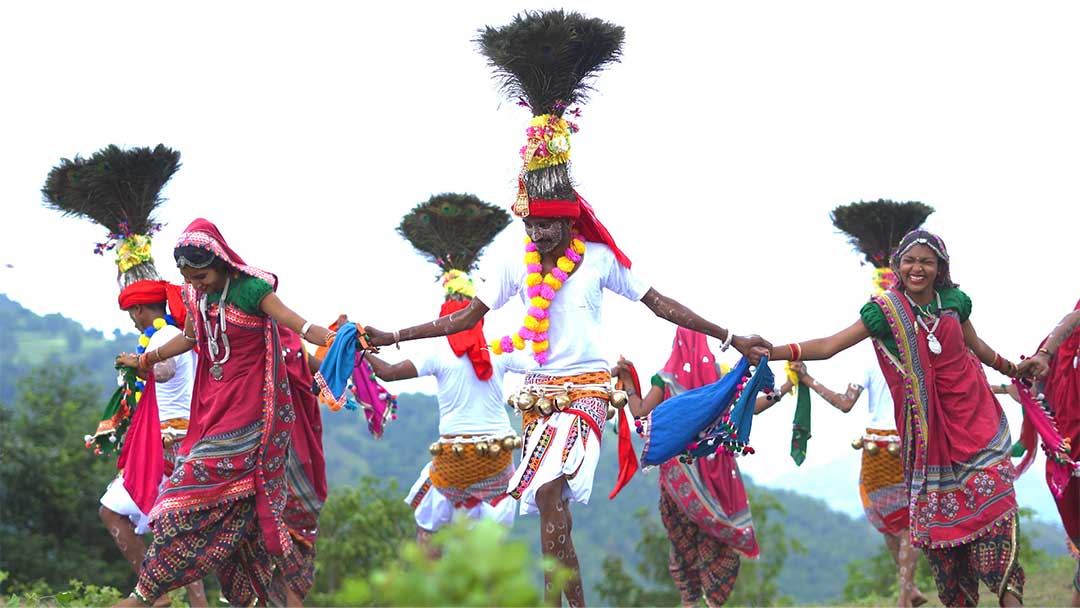
This advanced course on Rathwa dance offers a comprehensive overview, covering its origins, cultural significance, and the Rathwa tribe's history. It details dance characteristics, rhythm, and various forms, along with costumes and instruments. Modern influences, preservation, and the dance's role in education and media are explored. With a mix of theory, hands-on projects, and assignments, the course spans six modules, providing a rich understanding of this traditional art form in 95 minutes.
 Most Viewed
What you'll learn
- Historical Foundations : Understand the origins, cultural significance, and famous figures of the Rathwa Tribe who pioneered the Rathwa dance.
- Core Dance Elements : Explore main characteristics, different forms, and specific dance steps unique to Rathwa dance.
- Rhythm and Tal : Gain knowledge of the rhythms and specific tals that drive the dance, including their distinct uses.
- Costumes and Instruments : Learn about traditional and modern costumes, their cultural meanings, and the main musical instruments and sounds involved in Rathwa dance.
- Preservation and Modern Influence : Discover efforts to preserve traditional styles, the role of education and media, and how modern elements are blended into the dance today.
- Real-World Applications : Learn about projects that encourage deeper exploration and appreciation of Rathwa dance and its cultural heritage.
- Final Insights and Conclusion : Synthesize your understanding with a concluding overview, highlighting Rathwa dance’s role in cultural identity and community.
Couse Features:
- Cultural Insights : Learn about the origin, history, and cultural significance of Rathwa dance and its tribe
- Dance Features : Understand the main characteristics, forms, and common steps of Rathwa dance.
- Rhythm and Tal : Explore the rhythm, Tal, and their role in the dance.
- Costumes and Instruments : Learn about traditional and modern costumes, their cultural meanings, and the main musical instruments and sounds involved in Rathwa dance.
- Preservation and Modern Influence : Discover efforts to preserve traditional styles, the role of education and media, and how modern elements are blended into the dance today.
- Practical Application : Engage in projects and assignments to apply learning creatively.
- Expert Knowledge : Gain insights from cultural experts on Rathwa dance and its evolution.
Who Should Enroll
- Those passionate about traditional dance forms.
- Students pursuing anthropology, ethnomusicology, or cultural studies.
- Educators aiming to integrate diverse cultural perspectives into their curriculum.
- Professionals seeking inspiration or elements for fusion projects and unique choreographic ideas.
- Researchers interested in the history, preservation, and cultural significance of indigenous art forms.
- Journalists and documentarians covering tribal traditions, dance, or cultural heritage.
- Members of the Rathwa community aiming to preserve and promote their cultural legacy.
Description
Introduction and History
Origin and Historical Background of Rathwa Dance
Rathwa dance is an important folk dance of the Rathwa tribe of Gujarat, especially performed on the occasion of Holi. Its origin and historical background are deeply connected with the cultural heritage, religious beliefs and social life of the tribe.
Historical Background
Rathwa tribe The Rathwa tribe is mostly live in Chhotaudepur and Panchmahal districts of Gujarat. Rathwa tribe resides in the hilly areas of south-eastern Gujarat and has been named based on their localities "Rath-Vistar".
Rathwa dance regimented on India's tribal life where the dance is not just a source of entertainment but it is considered in high esteem as part of the community for religious and social life. You can see this dance that has been carried on generation after generation for hundreds of years as it depicts that spirit of collectivism and community. This dance by Rathwa people sustain the ritual, festival and religious belief.
Origin of Rathwa Dance
Rathwa dance is said to be related to ancient times although the exact time of origin it is not known of this dance. In this dance, people show their respect towards the traditions and culture of Rathwa tribe, it is performed mainly during Holi. This dance is thoroughly organized right from the day of Dhulendi when people smear colors on one another.
In addition, Rathwa dance symbolizes a religion. Rathwa tribe worship their Gods (Deity) and mainly Holi Mata. The songs sung during cannot be more deeply devotional. The dance is performed to pray for the well being of the family, health, and good agricultural harvest. Or the Rathwa community shows their devotion and conviction as this dance is also a way of spirituality for them.
Style of Rathwa Dance
Rathwa dance is one of the dances that are performed by men and women alike. Women dance atop the shoulders of men, swaying together as the collective orbited. This form dance, might help, tighten, the the unity, harmony and social symmetry of, groups.
Merupakan alat muzik yang dimainkan ketika tarian juga adalah ciri khas tarian. The dance is performed to the sounds of traditional musical instruments such as Dahli, Thali, Bada Dhol, Flute, Shehnai which contributes to the incorporation of music and energy of the dance. This shows how deeply the Rathwa tribe are connected to the culture making their musical instruments locally.
Social significance of Rathwa dance
Rathwa dance is an integral part of the tribal social life, ideally this is not only a cultural expression. This dance is performed on different occasions such as weddings, festivals, and other celebrations. Rathwa Tribe uses dance as a way to build their identity and keep their cultural practices alive.
By performing this dance, the people of the Rathwa community come together and preserve their traditional values. It is so much a part of their social life that it binds them and strengthens their relationship with each other.
Therefore, the beginning and history of Rathwa dance is a significant aspect of the Rathwa community heritage. This dance not only represents their religious customs, but is also an important aspect of their society lifestyle. The preservation and promotion of Rathwa dance helps in preventing the loss of an important aspect of the ethnic identity of the tribe, which can lead to a greater understanding of traditions and culture among future generations.
Cultural Significance
The Rathwa dance is an important folk dance of the Rathwas tribe of the state of Gujarat and gives the people of this tribe a cultural identity as well as traditions along with livelihoods, providing means of entertainment. This dance is mainly performed on the Holi on the festival of colors, when people of this community come together to celebrate. Unlike the easygoing of the same name that additionally is executed at marriage ceremonies and different rituals, Rathwa dance has a massive cultural significance which is made evident in several dimensions of the tribe's religious, social, and cultural lifestyle.
Religious Significance
The Rathwa dance is an important religious dance. The Rathwas worship their gods through this dance, especially the Holi Mata. The pieces of music that are sung throughout the dance are of a certain religious nature, reflecting the faith of the tribe. The fact that this dance is a group dance enhances the feeling of unity and dedication of the community. The Rathwa people preserve their culture and celebrates their religious principles through the medium of dance.
Cultural Identity
The Rathwa tribe has its own cultural identity, of which of a portion comes in the form of an event in the name of Rathwa dance. This dance represents their heritage, their culture and their regional way of life. The colourful costumes and jewellery made for each of the dance form are the reflection of the culture of Rathwa. The Rathwa tribe preserves its culture via dance, and makes the generations to come aware of their values and traditions.
Preservation and Promotion
It is also a stance on the preservation and promotion of the Rathwa dance itself. It is not just an art but the essence of the Rathwa tribe. In this way, they preserve their culture, and preserve their identity. They do it not just for festivals but on different social occasions by the people of the tribe. This dance is one of the treasures of their culture, capital not only for people around here but also for travelers. The cultural relevance of Rathwa dance is based on its religious, social and cultural identity. The symbolic signs of traditional life of Rathwa tribe are depicted in this dance. It is part of the attraction of this dance, but it is also important in maintaining the social order and cultural traditions of the tribe. Therefore, Rathwa dance should be preserved and promoted for the coming generations to witness and enjoy this beautiful cultural heritage of ours.
Information about Rathwa Tribe
Rathwa are a sub-caste of Bhil-Bhilala caste found in the state of Gujarat, India. Rathwas are an agrarian people by tradition and known to be mighty, however today the Rathwas are leading lives like other tribal tribes including the Bhils.
Classification
The term Rathwa is short from Rathbistar, meaning inhabitant of forest and hill station. Hence, the residents of Rathbistar are termed as Rathwa. This group is constituted under scheduled tribes and these people are regarded as original inhabitants (Mulnivasi) of this land. They worship and protect their land forests.
History and Origin
Rathwa name is actually came from Rathbistar which is one who lives in hilly & forest area. As per the belief in their own community, they only settled in Gujarat region from Madhya Pradwsh in medieval period. As per the Government of Gujarat, they now inhabit these areas within talukas of Vadodara district Chhota Udaipur, Jabugam and Naswadi apart from Baria, Halol and Kalol talukas of Panchmahal district.
Religious beliefs
The Rathwa tribe has a practice of ancestor worship. They worship an omnipresent god known as "Babo Pithora" or "Baba Deb" in religious paintings. These paintings are not just present in the walls of their houses, but other scenes of everyday life as well. They worship this God by praying for solution of a problem and after the problem is solved, draws a Pithora painting.
The Rathwa tribe represents a vibrant history of a culture and its lineage through its dance, music and age-old practices. Even though they are confronted with several challenges, their oneness and togetherness gives them the courage to deal with those challenges.
Description of Famous Persons of Rathwa Tribe Line No.
Many prominent personalities are also associated here for the contribution in the history and culture of Rathwa tribe, every one contributed something at least for his/her tribe and on larger level for Indian society. List of some key people featured
Amarsinh Rathwa (1942–1990)
Amarsinh Rathwa (1913 — 4 August 2012) was an Indian politician. He was elected to the Lok Sabha from Chhota Udaipur, Gujarat as a member of the Indian National Congress. He elevated the voice of the Rathwa community in Parliament through his political career. Amarsinh concentrated and attended to the multiple societal problems that were plaguing society at that time and advocated for several tribal community development schemes. His contributions were significant for tribal welfare and social justice. His contributions are remembered even after his demise and his legacy has inspired many.
Naranbhai J. Rathwa (born June 1, 1953)
Naranbhai Rathwa -- Now Rajya Sabha member from Gujarat He was the member of 9th Lok Sabha, 10 Lok Sabha, 11th Lok Sabha and 12th Lok Sabha and 14th Lok Sabha from Chota Udaipur constituency. He was part of the Indian National Congress; but on 27 February 2024 he quit Congress to join the Bharatiya Janata Party (BJP). During his term in the Ministry of Railways as a Minister of State, Naranbhai was instrumental in railway development and making railways more user-friendly. Although he lost the Lok Sabha elections in 2009 to Ramsingh Rathwa, his political career has many milestones.
Gita Vajsinghbhai Rathwa
Gita Rathwa (also Geetaben Rathwa), is an Indian politician, elected member of the 17th Lok Sabha from Chota Udaipur Lok Sabha constituency. In the 2019 general elections, she successfully as a Bharatiya Janata Party (BJP) candidate. During her election campaign, Geeta Rathwa carried the message of local issues and tribal welfare. Rathwa are tribal people and the win inspired many women to enter politics and proved that women from the tribal community can make a mark too.
Ninad Rathwa (born March 10, 1999)
Ninad Rathwa — The New Face OF Indian Cricketer He scored a century in the first innings on debut for Baroda in the 2017–18 Ranji Trophy utama 13 in 2017 on 21 October 2017. He made his Twenty20 debut for Baroda in the 2017–18 Syed Mushtaq Ali Trophy on 8 January 2018 and his List A debut for Baroda in the 2017–18 Vijay Hazare Trophy on 5 February 2018. He has become a role model for young players from the Rathwa tribe with his sporting prowess and is making the tribal community proud with his sport.
Dance Features
Rathwa dance is a traditional dance of the Rathwa tribe of Gujarat. It is primarily performed during festivals such as Holi, harvest, and other special occasions. The importance of unity is what Rathwa dance represents in which men and women dance in colourful attire.
Here, what makes this dance special is that the dancers dance together in a rhythmic way to the same drum beats. Rathwa dance glimpses the traditional and aesthetic insight of tribal life with strength, beauty and intimacy. The Rathwa people who do this dance have pride in their culture, religion, and community, and this dance reflects all of them. Now, the principal features of the shuffle dance.
Key Features
Indicative of the rich culture of Rathwa tribe, Rathwa dance is a popular folk dance performed in the particlar tribe of Chhota Udaipur district of Gujarat. This dance is mainly performed on the occasion of Holi, in which the Rathwa people express their culture and tradition, religious belief. The following are some of the main features of Rathwa dance.
Colorful Costumes
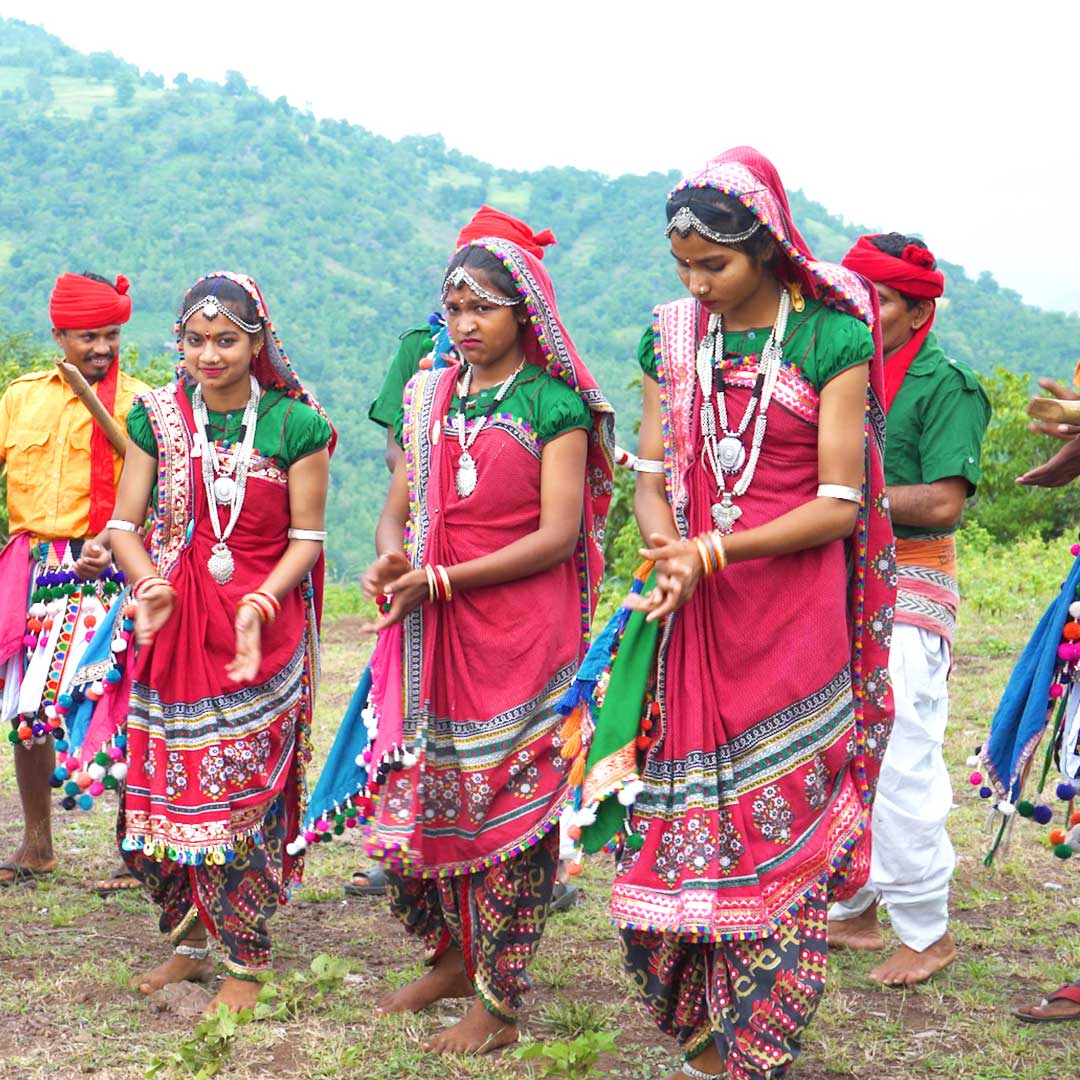
In Rathwa dance, the dancers and female dancers are donned in cheap and colorful costumes. Men dressed in dhoti and kurta and women with Ghaghra-Choli. This dance has Costumes with a variety of decorations like earrings, bangles, and bindis. Costumes of this nature all increase the energy of the dance.
Style of Dance
Rathwa dance presents a very buoyant and vigorous style. Here, the dancers move in synchrony with one another, highlighting their collectivity and togetherness. The dancers moved in all sorts of ways – jumping, swinging, spinning in circles, The dance is typically performed to the sound of ethnic musical devices like Bada Dhol Dholak, and Flute.
Music and Instruments
Traditional instruments are used to produce soul of the Rathwa dance. The instruments are such as Dholak, Bada Dhol Harnai/ Shehnai, Thaali, Ghungroo The dance gets even more amusing by synchronizing the music with the steps and movement of the dancer The fourth layer of the music consists of folk songs and devotional songs, which are related to the elements of religious faith and love for nature.
Spirituality and Symbolism
Rathwa dance does not only help in entertaining the people but it has been a symbol of spirituality and cultural identity. The dancers, during the dance, convey their faith in God. Rathwa tribe worship Babo Pithora, and this dance revolves around that. It is a form of tribute and respect to their gods and ancestors through the dance.
Significance of Festivals
The Rathwa dance is mainly performed at the time of festivals and especially on the festival of colours, Holi. To this, the dancers are painted with varied colours and colours each other. The festival has significance not only for the Rathwa tribe but for the whole society as it preaches joy and better fraternity.
Inclusion of Different Forms
There are several styles and forms of the Rathwa dance which might differ according to the regional variations. The dance varies in style and tempo according to the particular village, illustrating the cultural diversity within this tribe. While these differ across various forms, the feeling of unity and jubilation continues to prevail.
Preservation and Promotion
Understandably, the Rathwa dance holds immense significance in society, and for this very reason many organisations and agencies are also coming forward to preserve and promote the same. It is performed in schools, festivals, and cultural events, making sure the new generations learn about and carry this amazing cultural heritages over.
It is the nature of Rathwa dance that gives it a great significance not only for Rathwa tribe life but also to Indian cultural tradition. This dance, which reflects the various elements associated with an identity, culture, nature, and its traditional aspects must be inherited .
Major Forms and Variations of the Dance
Gujarat Rathwa dance is a cultural tribal dance performed by the Rathwa tribe of Gujarat known for the diversity of tribal culture and vibrancy. This dance is performed only on the special occasions like festivals, marriage functions, and harvest. This highlights the uniqueness and cultural diversity of Rathwa dance and the major forms and variations involved.
1. Serious Rathwa Dance
In this serious Rathwa dance, the dancers dance in a simple and serious posture. Khyal nama: (It is performed on a liturgical or religious or worship forms of a dance) The slow pace and the deliberate movements used to accentuate the feeling of devotion. This is the symbolic assembly of the dancers along with traditional musical instruments which is performed to justify the sounds of religious music.
2. Festive Rathwa Dance
This dance is specifically done during festivals. Festive Rathwa dance is the fastest and energetic dance. The dancers dance in traditional dress and the contribution of music is also very high in it. The beat and rhythm of this dance is a function of instruments such as – dhol, Thali and shehnai. The celebratory Rathwa dance is vibrant and lively performed in a troupe by means both male and female.
3. Kavita Rathwa Dance
The uniqueness of Kavita Rathwa dance is probably that the dancers sing along with the dance. This dance is mostly performed in wedding ceremonies or happy occasions. This dance, which features the dancers dressed in their traditional costumes, gives the activity cultural and emotional depth as they sing and dance along. This dance style represents the rhythm of the song and posture of the dancer.
4. Jungle Rathwa Dance
Jungle Rathwa dance is accompanied with nature and wildlife. Here, the dancers mimic naturalistic forms like animal, birds and landscapes. This dance is given special emphasis during the harvest time, when the tribe reveres its natural wealth.
The different forms and variations of this dance are evidence that this particular Rathwa dance is not just a source of entertainment for the Rathwa tribe, but also a part of their culture and their life. Each dance serves its own singular narrative and emotional weight, so it's inherently unlike any other dance form. Efforts should also be made to preserve and promote Rathwa dance, so that this very ancient folk dance can be transferred to the future generations.
Common Steps and their Descriptions
Rathwa dance, a part of the culture of the Rathwa tribe of Gujarat, has its own unique steps and postures. This dance is not only a way of fun but also a symbol of tribal cultures and social togetherness. This dance reflects the richness and depth of this art form and is also shown through the different steps and what they are called. Rathwa Dance: Know About The Common Steps In Detail
1. Starting Posture
The Rathwa dance commences in an assembled manner where the dancers will stand in a circle. Not just a mark of solidarity, but also an embodiment of a feeling of collectivity. The dancers join their palms with one another, an intimate sense of connection. This initial position sees all the dancers slowly awaken each part of their bodies to the parametrised timbre of the music and see the sound. The entirety of the dance preserves this beautiful sense of collectivity.
2. Clapping
Moving onto the dancers use the sounds of their claps to speed up the beat. This move makes the dance more energetic and draws the attention of the audience. The purpose of this clapping is that the dancers can be in sync with each other. In this portion, the dancers put their hands up above their heads and bring them down again to keep a good rhythm and maintaining tempo. The action of clapping shown as the dancers convey the emotion of the dance via their posture.
3. Change of Pace
In the course of the dancing, the dancers travel together from one point to another. This step allows for more group movement, where the dancers will move one way and come back. The style closely relates to the movement where dancers approach each other and move away, creating a sense of magic in dance. Not only does this step inject a sense of dynamic into the dance, but it also symbolizes the excitement of the entire community.
4. Footwork
The footwork in Rathwa dance is also vital. Dancers semaphores their feet with semi-rotations, torque, breaks, and hops: Himanshi says that this step makes the dance fast and also adds music to it. The feet of the dancers come close together, weaving a fabric of song. This is where the dancers connect with the ground, that gives them a layer of depth in their dance.
5. Hand gestures
The Hand gestures are very important at the time of dance. The chorographers enjoy the posture of the arms, the wriggling of the palms, the tossing about of the fingers, the strewing of kind gestures like that of keeping both hands in raised position, the bringing all the hands in attached portion, followed. It also gives means of a cultural expression together with visuality to the dance. Gestures express life, nature, and magical features.
6. Singing with movement
The Rathwa dance is where dancers dance along with their songs. In this stanza, we all sing and dance together — you dance and sing as a group. Lyrics that are often related to tribal life and its nature and culture make the dance more lively. At this point, the dancers are in equilibrium (with one another) and in communion with the music. It amplifies the feeling of togetherness and oneness and also creates an impact on the hearts of the viewers.
7. End of the Dance
And even the conclusion of the Rathwa dance is an equally incredible step. The dancers slow their pace to a much slower point, then return to the initial position. In this final phase all the dancers join hands and proclaim and ending together. Aside from being a peak moment of the dance sequence, it is also a moment of fulfilment and collective experience for all the dancers. This is one of the great experiences for the audience where they can live the magic of the dance.
Description of the stanzas commonly performed in the Rathwa dance accentuates the nature and purpose of this folk dance. Dance is a lovely creation and every verse to it is a special meaning and purpose.
Rhythm and beat
Rathwa dance is an essential, vibrant, and passionate part of this dance as this is a very heart-rich traditional dance highlighted by its rhythm and beat. This dance is performed to a long rhythmical tunes and beats, which guide the dancers movements. The Rathwa dance mainly has fast and tuneful tunes which are played with dhol, shehnai and other traditional music instruments.
The different type of rhythm like fast pace and slow, create a magic effect for the dancers at the time of dance performance. The dancers swaying to the tune, a blend of beauty in motion. The music of Rathwa dance moves the dancers as well as the audience and makes them a part of the experience. Without any ado, lets use up the beat and rhythm of the dance in details.
Understanding the Rhythm and Beat of Dance
Among the Indian tribal cultures, Rathwa dance forms one of the prominent dances performed by the people of Rathwa tribe. The heart of this dance is its rhythm, its beat, and the rhythm guides every movement of the dancers and the entire act is animated in a heartbeat. The perfect blend of rhythm and beat during Rathwa dance resonates not only in the hearts of the dancers but also in the hearts of the audience .
Importance of Rhythm
Rathwa dance has special importance of rhythm in itself. Rhythm represents the pace or speed which gives direction and harmony to the patterns of the dancer. Also the dance trend is set to fast and melodious tunes that are primarily performed using traditional musical instruments. The beat of this dance is directed by instruments, like Dhol, shehnai and Timki. They set the tempo of the dance and give a special instrumental ensemble in harmony with the dancers’ pulse.
Rhythm motivates the dancers and gets them the passion to take every move in dance. It's that moment when the dancers move together to the rhythm, that it becomes a group connection, that is both entrancing for the audience. The speed of Rathwa dance is both slow and fast as per the feeling of the dancers .
Characteristics of Rhythm
The next most crucial aspect of Rathwa dance is rhythm. Rhythm Here a regular tune or cycle that is a base for the dancers to perform the dance movements during the period or time. The rhythmic variation of Rathwa dance is fast pace and still may give a magical effect on the dance performed by the dancers.
With the rhythm, the dancers synchronizes the movements of their hands and feet, which creates a stability in the dance and solemnity in the performance. Rhythm not only provides physical support to the dancers but also makes the whole act more appealing. The rhythm of the Rathwa dance is very basic, which enables the dancers to coordinate with each other.
Collective Dance Experience
This ensemble of rhythm and beats is creates Rathwa dance. In a duet, each dancer performs their own. In pairs of male and female, both dance together in unity instead of only talent coming from one person. A delightful sight for the audience, the dancers move in synchrony. Its specificity lies in the soul of the dance together as a collectivity.
Combination of Dance Elements
What makes Rathwa dance distinct is the amalgamation of different factors. The tunes of the instruments which are played in the dance, the movement of the dancers and the setting of the beats together creates a vibe that helps to not just sustain the rich culture of the Rathwa tribe but aims at providing it with a new edge.
Cultural Experience
The dangerous and beats of the Rathwa dance not only makes the performers dance but also strikes the chords of the audience heart. There is something special about when your feet meet the rhythm and step to the beat. Through the dance, the audience are soaking in it absorbing the cultural experience that manifests the traditions and practices of the Rathwa tribe.
The Rathwa dance has a rhythm and beat that are essential to it. It gives the movements of the dancers a direction and energy while also symbolizing cultural unity and harmony. It is the brilliance of rhythm and beat of this dance that makes it unique which is the reason of cultural and traditional richness of Rathwa tribe. So, with the rhythm or beat of Rathwa
dance, it becomes so culture attractive.
Different types of rhythm and their use
The various forms of rhythm and their purpose used in Rathwa dance is a clear portrayal of the cultural depth and richness. Rathwa dance — performed by the Rathwa tribe of Madhya Pradesh and Gujarat and typically done during harvest time and festivals. With its lively rhythms and beats, it comes in animate the dance performance.
Different types of rhythm
Dhrut tal: This is the most popular type of rhythm in the Rathwa dance. It is played on festivals, occasions of the traditional dance style where dancers will have to move at a fast pace. This rhythm adds up to the strength of the dances, and this excitement reflects among the general audience.
Madhyam taal: This is a rhythm that describes scenes in a movie where the story has to be told or an emotional message has to be taken. Depending on the various tempo to the step rhythm of the word, the light and balanced movements of the body that also compile grace and beauty to the performance will be highlighted in Madhyam taal.
Vilambit taal: This is mostly used in religious or spirituality context. Here dancers take steps in slow motion, giving way to mental peace and meditation.
Use of rhythm
Rathwa dance — The rhythm in Rathwa dance is not only responsible for regulating the pace at which the dancers will perform but also has an effect on the demeanor and expressions of the dancers. On the other hand a seasoned dancer makes the correct use of rhythm and interest for the entire dance and it is a rich experience for the audience.
- Expression of emotions: The dancers feel their emotions as per the rhythm. For instance, when the rhythm is rapid, the dancers show joy and excitement and slow rhythm reveals the intensity and seriousness inside.
- Collectiveness: Dancers get together as they share a similar rhythm during the group performance of this Rathwa-style dance. As one, all the dancers dance at one rhythm, which is a beautiful feeling of collectivity.
- Communication of culture: Rathwa dance rhythm is a dance skill but it is also a culture and a lifestyle of a Rathwa community. Each beat has a story and an emotion that connects the audience with the folk culture of the Rathwa tribe.
The rhythm of Rathwa dance is not only a technical element but also a part of cultural experience Such different forms of the beats and their use make Rathwa dance one-of-a-kind. With this dance, the dancers remind us of their tradition and creates a link between the audience and their culture.
Costumes and Instruments
The Rathwa dance incorporates tribal cultural costumes. The men of the Rathwa community wear dhoti and kurta, which are generally of white or light colour. Perhaps this warrior is wearing a turban on their head as a form of tribal pride. Ladies in colorful saris, largely red, green and yellow colors dominate. Are draped in traditional manner followed by silver ornaments such as Alankaram .
Traditional and Modern Costumes
The ethnic identity of the Rathwa tribe is reflected through the Rathwa dance costumes. This dance not only reflects their social and cultural life, but also their craftsmanship and art. The costumes of this dance reflect the mood and creativity of the dancers, which is a of their arts.
Traditional Dresses
Traditional Dress for Men
• Dhoti and Kurta: Rathwa men generally wear a white or light colored dhoti. They wear embroidered dhoti and kurta, which allow them ease to perform during the dance. Deep rooted in their ethos, Rathwa mens wear a fabric called chaadar in their traditional attire, mostly ornamental chaadar or shawl hangs loosely on shoulders, denoting cultural identity.
• Jewellery: Rathwa men wear different types of earrings and rings depending on their style. These jewellery not only adds a beautiful touch, but it also symbolises their traditions.
Traditional Dress for Women
Lehenga and Choli — Rathwa females typically wear colorful lehengas and cholis. These Clothes have embroidery and weaving work that adds to their charm while doing dance. Tradition is also indicated within the lehenga, which may be long and relate back to its culture and appear very attractive on the dance during the.
• Dupatta: Theres a also lovely dupatta with it that ladies wear with lehenga. As we all know this dupatta is in various colors and it makes their movements more attractive while dancing.
• Jewelry: Rathwa females flaunt conventional jewellery like nath, earrings, and bracelets. These jewellery augments their beauty and also flaunts the richness of their culture.
Modern Costumes
Modern clothing has been introduced alongside traditional Rathwa costumes worn during the dance. This change will not only be a new flavour in the dance but will also pull the younger generation towards it.
Comfortable clothes: Modern Rathwa dancers are seen dressed in comfortable clothes such as jeans and a T-shirt as it makes it easier for them to move around during the dance. This variation takes the dance into new territory while still being true to the tradition.
You'll see: Young Rathwa dancersTwist: Young Rathwa dancers are now trying to combine modern fashion elements during these traditional dances. That helps to keep the dance culture alive and inspiring. They are using different colours and designs under this.
Synthesis of tradition and modernity: A lot of people are mixing traditional attire with contemporary ones. Take the example of (giving other example like Modern shoes or accessories on a traditional lehenga )
Effectiveness of Rathwa Dance
Rathwa dance has its own cultural depth, and simultaneously, the customs of Rathwa dance are a symbol of identity for the Rathwa tribe too. In traditional attire they maintain their culture and an opportunity to showcase their values, through dance.
Rathwa dance costumes Traditional & Modern Rathwa dance traditional & modern dresses depict the diversity of the community and its history. The Rathwa people maintain their traditions and culture through this dance while also keeping up with modernity.
Characteristics of the costumes and their cultural significance
Indian Tribal Culture- Rathwa dance It is a very essential dance form of Indian Tribal culture, particularly performed by the Rathwa tribe of the surrounding areas of the state of Gujarat. This dance is a depiction of art and the cultural identity of the Rathwa. The dance costumes highlight the social and cultural heritage of the community. Now, lets talk about the Rathwa dance costumes and the cultural significance of these attires in detail.
Traditional Rathwa Dance Costumes
Men's Traditional Dress
• Dhoti And Kurta: The Rathwa males wear a white or light coloured dhoti with a kurta. The kurta is embroidered and woven, allowing their movement when dancing. Men are very traditional so dhoti and kurta is also a comfortable outfit.
Women's Traditional Dress
• Lehenga and Choli: Rathwa ladies often wear colourful lehenga and choli. They wear a lehenga that is coloured, with some of them embroidered and also has weaving work done that makes them look more beautiful while dancing. According to their culture, the ladies lehenga differ to a terrific extent when it come to size and colour.
• Dupatta: A dupatta is a thing with the lehenga which is of various types, and colors, and looks very beautiful. This dupatta is not only a beautiful ornament on their outfit but also a part of their movement while they dance.
• Jewellary Rathwa women dress with traditional jewellary, including nath and ear and bangles. These add splendor and testify the richness of their culture. Jewellery is usually intricately designed and reflects their handicrafts.
Characteristics of Rathwa Dance Costumes
- Colourfulness : Dance costumes of Rathwa community are very colourful due to the nature of vibrancy and enthusiasm in this community. The race of lights during the dance makes an interesting engagement factor to attract people.
- Local Materials: The costumes are often woven by weavers and artisans in the locality, and thus display the local traditional techniques and craftsmanship as well. This preservation of their cultural heritage, as well as the use of local material.
- Medium of Expression:Rathwa dance is not only the show, but the party colors are also given that express feelings and expressions. Through the costume the dancers perform their culture, tradition and identity.
- Cultural Identity: Rathwa dance costumes are an integral aspect of cultural identity for this tribe. This is not only an indicator of the geographical surroundings they belong to but also the historical and social context in which they find themselves in.
Cultural Significance
• Social Unity: Rathwa dance attires reinforce a sense of oneness and sociality in the community. If everyone in the dance group wears the same costume, a stronger group identity is achieved.
• Economic Development:People making Rathwa dance costumes earn money from their crafts, making Rathwa dance garments a tool of financial development for the neighbourhood. Not only does this support the local economy, but also helps preserve the cultural heritage.
• Preservation of Culture: Rathwa dance dresses are an integral part of this community's culture identity preservation. The younger generation respect their culture when they don traditional costumes.
• Spiritual Aspect: The beauty of Rathwa dance outfits is not just superficial, but also spiritual. These costumes represent their faith and belief.
Costumes are one of the main features of Rathwa dance that signify the cultural heritage and identity as well as social values of the community. These costumes are the way the Rathwa tribe is preserving their rituals and transferring it forward to the generations that are yet to come.
Main instruments and their identification
Indian dance forms have the lively performances and cultural richness in them, and Rathwa dance which is performed by the Rathwa tribe of Madhya Pradesh and Gujarat is one of such lively dance forms and its known for its lively performances. The instruments that feature in the music of this dance form a significant part of what makes the dance unique. Today, we are going to talk and explain about Rathwa dance instruments in detail and identification instruments of Rathwa dance.
Dhol
Rathwa dancingsmajor instrument of Dhol. It is a drum, played primarily with the hands, of a medium to large size. The dhol resonates as it brings vibrancy and enthusiasm to the rhythm and beats of the dance, breaking into the records in your head moving to the steps of the dancers.
• Identification: The dhol is round in shape and is covered with leather on both sides. The drum is played using special techniques.
• Cultural significance: dhol is the source of music, which is part of the ceremonies and festivals of the Rathwa tribe, where the musical instrument reflects the tradition of the tribe.
Timki
Timki is small in size and gives rhythm in Rathwa dance. The instrument is played by hand and its deep resonate sound makes the dance more magical.
• Identity: The timki is a circular wooden or bamboo instrument. Its sound is loud and clear.
• Cultural significance: Timki is marvelously the third beat of the dance and very significant to Rathwa culture.
Flute
Flute : An essential music instrument which gives its beautiful music to the dance. The primary musical accompaniment is from an instrument called the (same) which is wood and plays melodiously to beautify the dance (4).
• Identity: The flute is a tube-like, cylindrical instrument with finger holes. If you blow it, it makes a sound.
• Cultural importance: In the Rathwa tribe, just like the Peacock, the flute is symbolic of love, peace and beauty. The sound of it makes the dance joyful and whimsical.
The instruments used in the Rathwa dance make it colourful, as well as vocalising the culture and customs of the Rathwa tribe. The instruments that the dancers use express their feelings in these instruments at the same time the audience gets an international cocktail of culture.
By these instruments also the Rathwa dance not only entertains but reflects the deep cultural dialogue .
Their Sound and Use
Important role of sound and use of instruments in Rathwa dance — an art form performed as a cultural expression in India. The dance is symbolic of the culture and custom of the Gujarat Rathwa tribe, and the instruments are an integral part of their dance experience.
Rathwa dance uses many big-instruments like drums (dafli), flute, tambourine, and Gujarat folk instruments. A percussion instrument primarily with the daffli leads the dance rhythm. The deep, rumbling sound brings the dancers together and provides the cadence for the dance.
The flute is another key instrument, the sweet tones of which give emotional colour to the dance. The sound that is used to express a lot of happiness, excitement and festive atmosphere. The flute sounds bring unity to the dancer, creating a beauty in movement.
The tambourine, which is a string instrument, contributes to the stability of the music, adding harmony to the tune. Most of the time it is used as the instrument on which the song melody is played to sync up the dancers on the beat and rhythm of the song.
Not only music itself, but the social and religious meaning of the musical instruments are hinted at the use of it in this dance. These include the sound of different musics during the dance; each has its own story that tells about cultural stories of the Rathwa community, such as tradition, beliefs and relations.
The accompanying instruments produce sound which is an emotional and social context of Rathwa dance. The music of different instruments keeps tempo with the dancers who wave and sway their arms as their bodies shuffle, giving an air of festivity to their "dance of life." Thus, instruments also form an element of identity and ethnicity of Rathwa dance.
Conservation, Modern Influences and Conclusion
Indian tribal culture has its uniqueness in Rathwa dance, which is one of the most amazing traditional dance. Not only an art- it reflect the tradition, believes and lifestyle of Rathwa tribe. But throughout the years, this dance has challenged different aspects in the modern time and is hard to preserve and identify. Here we will features the preservation, adaptation and modernization of Rathwa dance and the end so that its legacy can be understood and educated.
Preservation of Traditional Styles and Methods
The Rathwa dance is a dance form found in the cultural heritage of the tribal Rathwa community of Gujarat which has gone through preservation while changing through time, and human resources. This dance is important because it serves not just as a form of entertainment, but also mirrors the traditional narrative and identity of the community. While Rathwa dance is an integral part of festivals and auspicious occasions, it is also a way to enhance community bonding and maintain cultural identity.
There are several key factors behind maintaining Rathwa dance. First of all, the main purpose of this dance is to preserve its original stories as well as its cultural beliefs. Tradition lines the knowledge over and over to the next generations so that it bridges the gap and preserve the heritage of this tribe through dance.
But even Rathwa dance is not untouched by modernity and globalization. This dance is currently performed in many cultural places, where they not only gain the attention from locals but also from national and international audiences. These platforms then add more to the Rathwa dance with new looks, and show the necessary resources and support for preserving it.
The recent wave of social networking sites and electronic periods can be another reason for trend setting into Rathwa dance. This encourages the young generation to learn their culture by posting videos and performances of the dance on these platforms. These digital networks are establishing a strategic weapon for the conservation and resurrection of the dance.
The flip side is a little nicer to navigate as well. With the influence of western culture, some young Rathwa community members, they might get distanced from their traditional dance. Hence the community needs to be educated and you have to make them understand the significance of the dance. It needs coming together of local bodies, artists and cultural festivals for this.
Last but not the least Rathwa dance is not only an art but is a mark of cultural identity.
Role in education and influence of media
Over a period of time, Rathwa dance turned out to be propagating through education and media. The dance represents the traditions, beliefs and the way of life of the Rathwa community. His education and propagation today have many new dimensions that play an important role in the preservation and development of this dance. Dance preserves culture this is the reason people use it as a symbol of social unity, identity & tribal pride.
Role in Education
Rathawa dance teachings have become more popular within school and college environments. Various cultural programs and events have been allowing the youth to become familiar with the style and techniques of the dance. Not only does this allow students to be in touch with their cultural roots but it also instills within them values like discipline, team spirit and socialization so fortheir overall development.
1. Inclusion in Curriculum: Several educational institutions are including Rathwa dance in their syllabus. Thus, allowing the future generation to know the significance and the culture of this art. The role of dance teachers, who are specialists in teaching this art, is essential for this. These programs help promote cultural awareness and preservation amongst students.
2. Workshops and Training Programs:Young artists are being trained in basic elements and techniques of dance through the special workshops & training programs that are being organized. This allows them to bond with their cultural roots. In these events, people who have been performing with experience over years, and experts share experiences through their Art form.
3. Cultural Festivals: At cultural festivals, Rathwa dance gets a platform to be performed actively. Rathwa dance is performed during various festivals; Diwasa and Holi are some of them, as well as some local fairs. And among such occasions, in addition to providing the dancer to perform his talent, audiences are given the joy and sense of pride to their cultural roots.
Media Influences
The media have a vital role in the digital age today. Rathwa dance has been popularised through mediums like TV, radio as well as other social media platforms. Through the media its not also broadened the dance but also gave its a world stage.
1. Social Media: Videos over Rathwa dance are going viral on Facebook, Instagram and YouTube. The videos not only present the dance but also make the audience conscious of the Rathwa community’s culture, tradition and way of life. The dance is taking on new life, as quickly-connecting young artists around the world share their performances online.
2. TV Programs:Rathwa dance is featured in different cultural programs and reality shows which are carving a stature for it through TV programs. This also serves the purpose of reinforcing the value of this dance in our society while demonstrating the dance.
3. Documentaries and films: The importance of Rathwa dance has been unfolded in the chapter of documentaries and films. These are not only showcasing the dance, but he said, but also presenting the culture and tradition of the Rathwa community. These types of filmings help this dance be recognised as a heritage and give the audience a taste of the variety and cultural richness of this dance.
Preservation and development of Rathwa dance is solely dependent on the education and media.
Therefore, Rathwa dance should be continued and transmitted to keep the cultural legacy alive. It is not only an art but also shown as an identity and a representative of community united.
Incorporation of Modern Elements in the Dance
Rathwa dance is a form of rich heritage dance mainly performed by the Rathwa tribe of Gujarat. This dance is not only a representation of culture but has also kept up with some additional features of modernity over time. Now in this article, we are going to see the recent modern nature in the Rathwa dance and how it is affected tribal culture.
Rathwa dance comprises elements like community spirit, nature worship, and religious belief. This dance is very popular in festivals such as Holi in which the celebration takes place with colour and music. But present, there are so many new things added in this dance. As an illustration, the contemporary music used in the given the dance, which has been modified to render it more delectable to the palate of the youthful generation, along with the instrument used for practicing the dance familiarizes a distinct experience.
Today, Rathwa dance is performed to a variety of music types like Bollywood music, which draws their younger crowd. Also, the newest of technologies are utilized to make dance dance creativity. An example of this would be the fusion of styles in the dance category, where many dancers are more excited and intrigued to mix their styles.
Further, the other side of inclusion modern things in Rathwa dance its getting popular on social media and technical platforms also. Rathwa dance performances and videos are seen on YouTube and other social media and people from around the globe understand as well as see them.
Conclusion
Rathwa dance, the traditional dance of the Rathwa tribe of Gujarat, is a cultural dance which is diverse and rich in history and cultural heritage. Their lifestyle, beliefs, and traditions can be traced through the dance. The Rathwa dance has been part of tribal culture and their religious practices and call to the culture of humanity for centuries. The dance symbolizes community unity and harmony, and it is not just performed during religious festivals.
The traditional way of life and the economy of agriculture as well as its distinct culture define the identity of the Rathwa tribe. The Rathwa are proud people and willing to preserve their customs and are involved in the continuation of their history. This tribe has given some of its very famous personalities which have its importance in a way which have worked a lot in his field and his work serves as a bridge for the community.
The features of the dance are varieties and action. The dominant styles and variations of the Rathwa dance are not just region-specific but are also based on community ceremonial practices. The steps are direct, simple choreography that draws impressive visuals that together cascade a sense of balance. The dance has rhythm and beats which inspires the dancers to move and the students to catch their hearts.
The costumes of Rathwa dance make the dance more cultural. The traditional and modern outfits are made using colorful clothing and decorations, indicative of the liveliness of this dance. Wearing the costumes alone tells us more about the origin and culture of that particular dance if we take a look at the property used for that costume like jewelry, decorative things, and so on. Even the instruments played are an important identity in this dance, like dhol, nagada etc. providing an experience of their own along with the dance. It is the sound of the musical instruments that sets this dance aside and their use that makes this dance special.