

Dhimsa Dance
The Dhimsa Dance Beginner course is a comprehensive learning experience of the ancient tribal dance. The course begins with an introduction to its origin, cultural significance, and connection to the Konda Dora tribe. The primary elements such as music, instruments, steps of dance, and traditional attire are covered in detail. Various forms, choreography, and patterns of rhythm are explained, including group and solo performances.
 Most Viewed

What you'll learn
- Origins and History of Dhimsa Dance : Investigate the origins, development, and cultural importance of this tribal dance.
- The Konda Dora Tribe : Understand the customs, way of life, and place of Dhimsa in society.
- Music and Instruments : Study the classical beats, rhythms, and musical accompaniments of Dhimsa.
- Dance Movements and Techniques : Learn the individual steps, formations, and symbolic movements in Dhimsa.
- Traditional Costumes and Accessories : Name the clothing, accessories, and adornments that make the dance visually appealing.
Couse Features:
- Comprehensive Curriculum : Encompasses the history, artistry, and cultural importance of Dhimsa dance.
- Practical Training : Step-by-step guidance on Dhimsa movements, formations, and choreography.
- Expert Instruction : Gain experience from senior dancers and cultural performers.
- Cultural Immersion : In-depth look into the Konda Dora tribe traditions.
- Preservation Insights : Understand efforts to sustain and promote Dhimsa in modern times.
Who Should Enroll
- Folk dance enthusiasts eager to learn and perform Dhimsa.
- Cultural researchers exploring indigenous dance traditions.
- Choreographers and dancers interested in tribal movement styles.
- Music lovers keen on traditional Dhimsa rhythms and instruments.
- Heritage conservationists dedicated to preserving tribal art forms.
Description
Introduction to Dhimsa Dance
Origin and History of Dhimsa Dance
Dhimsa Dance is a colorful form of the expression of the heritage of Konda Dora tribe residing in the hilly tracts of Araku Valley, Andhra Pradesh. Full of history and ritual, and rooted now in the Koraput district of neighbouring Odisha, A history of Dhimsa Dance and its primary source of inspiration establishes a clear cultural context of the region and its habitants.
Roots of the Konda Dora Community
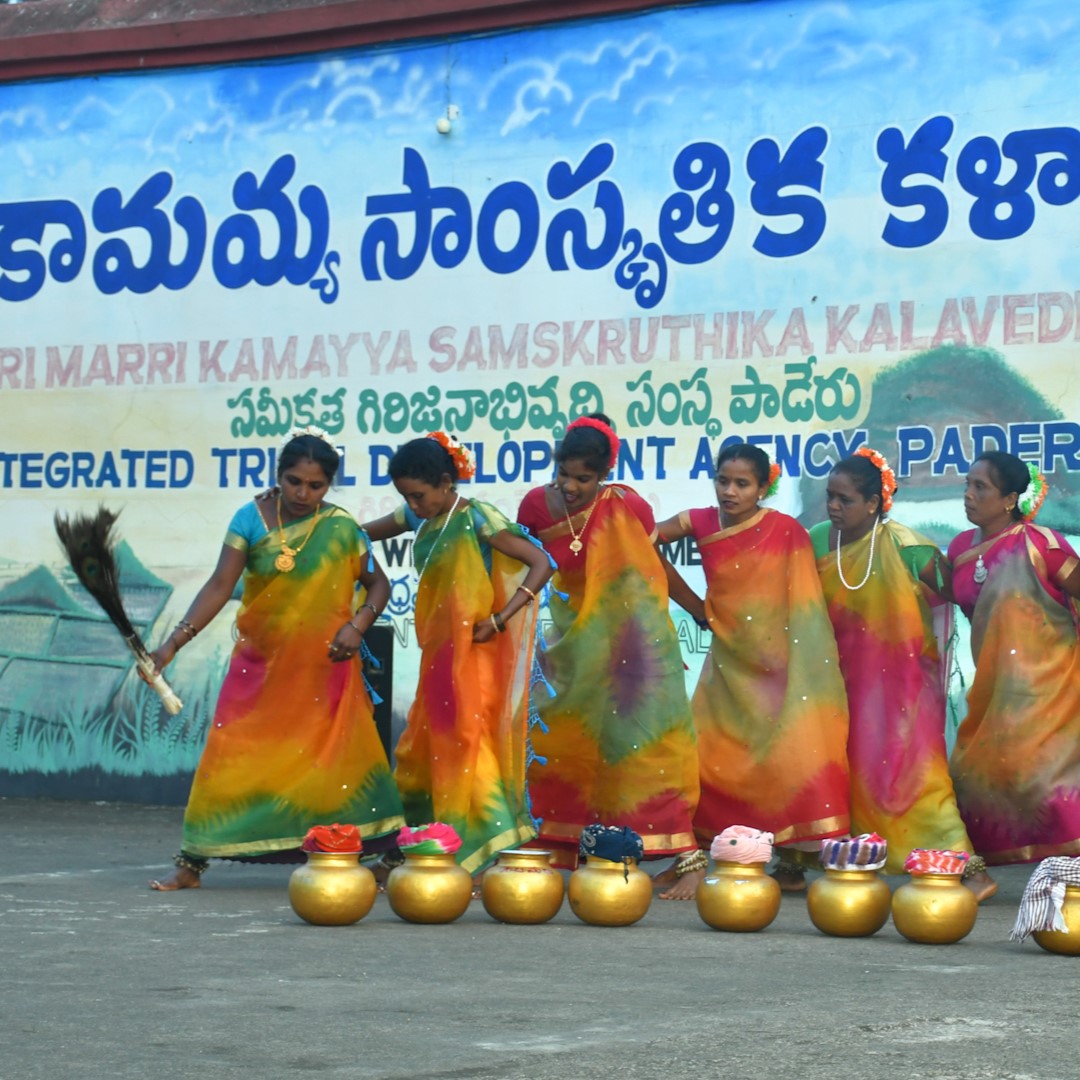
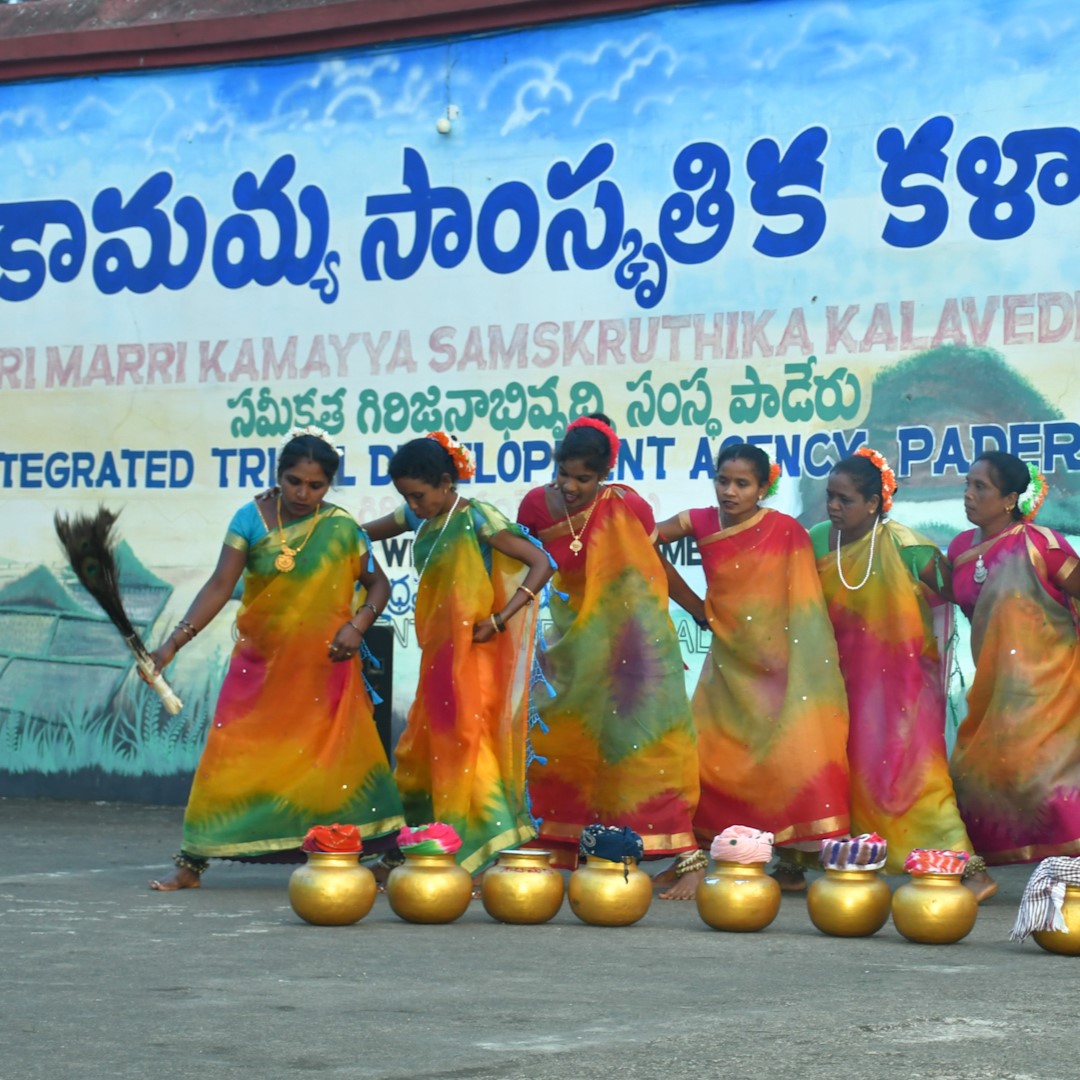
The Konda Dora is one of the tribal communities in the eastern region of India in the state of Andhra Pradesh. The village has a vibrant culture eked out of peculiar traditions, customs, and art. Dhimsa dance for them is not just for entertainment but also part and parcel of their culture, to keep alive and convey their social ethos and shared beliefs.Dhimsa is typically danced at festivals and major life cycle events, including weddings, pujas, and agricultural rituals. The dance is led by women assisted by male instrumentalists. This gendered understanding of the dance is a sign of how both men and women contribute to maintaining their culture. Clad in a riot of traditional costume, these women break out into highly choreographed, elegant and demanding movement that embodies the spirit of their community.
Historical context and influences
Dhimsa dance originated in the Koraput district of Odisha, which is known for its numerous tribal communities and their colorful heritage. Koraput has for long been a melting pot of various tribal influences, including the Konda Dora s who migrated to the Araku Valley in search of a better life and livelihood. This shift was much more than migration; it was a shift of culture and tradition, as the Konda Dora community carried their dance style along.Dhimsa dance seems to have originated from tribal dance culture of both Odisha also Andhra Pradesh. It has gradually incorporated elements of the cultural practices of different neighbouring tribes, enhancing its collections of movements, music and rituals. The origins of this dance can be traced to the farmers (Konda Dora s) whose lives revolved around the agricultural seasons and natural cycles of water and ripening crops and their fondness for their land.
Introduction The Konda Dora tribe
Introduction Konda Dora is a tribe whose predominant habitat is the beautiful Araku Valley of Andhra Pradesh in India. They are primarily located in and around the Visakhapatnam district, especially in and around the Chompi and Paderu villages. The Konda Dora are just one of many tribes within India's indigenous communities with their own languages, customs and ways of life.
Historical Background
The Konda Dora tribe The Konda Dora (as well as the Dora) is part of the overall history of tribal communities in eastern India. The area used to be a mix of different tribal cultures that have combined to make the plethora of local traditions. With them they brought their special culture, language and way of life.Economy Socio-economic practices of Konda Dora Rechabites: The socio-economic life of the Konda Dora tribe in the past mainly constituted agricultural operations, collection of forest produce, and handicrafts. They grow mostly millets, rice, other vegetables in traditional methods which were handed down by forebearers. The tribe’s way of life is closely associated with the nature around them as it sustains them and dictates their customs and traditions.
Language and Identity
The Konda Doras have a long oral tradition, and their language is an essential part of what the Konda Doras are, as it is also the vehicle for all the stories and myths and the reservoir for knowledge and information about the world. The language is also known to harbour proverbs and idiomatic expressions reflecting the tribe's values, beliefs as well as their relationship with nature.
Customs and Traditions
Customs & Traditions the Konda Dora is blessed with a plethora of customs and traditions which regulate every aspect of his life, right from birth to death and all the intermediate actions. They have a social system in clans that have their customs and traditions. In Konda Dora marriages are significant days, celebrated with much fanfare and are showcases of their rich culture. They are more than just gatherings; these weddings are community events that develop the social fabric and social identity.The tribe also observes several festivals in the year which are linked to agricultural sowing and harvest. The most significant festivals are Sankranti - the harvest season. The Konda Dora get together during this period of time offering ancestral dances, music, and celebrations and exhibiting their jubilant attitude towards life and community.Rites and ceremonies occupy an important place in the Konda Dora way of life, centred on the worship of nature. They have an immense respect for the natural world, as they feel the spirits of their ancestors live in the environment. Consequently, they conduct various rituals in reverence to these spirits and pray for their crops to thrive and for their household to be safe and sound.
Key Elements of Dhimsa Dance
Music and Instruments in Dhimsa Dance Music and Instruments in Dhimsa Dance of Andhra Prade Music and Instruments in Dhimsa Dance of Andhra Pradesh Music is the most important part of these dances, so the Dhimsa dance has no exception.The Dhimsa dance is a visual treat and an audio delight of the Konda Dora tribe, which is well-intermingled with tribal music. The rhythm and tune played along with dance is essential to make the dance expressive and give an entertaining atmosphere to the dancers as well as the audience. Many traditional instruments are played in the sessions which provide different soundscapes deeply rooted in the rich cultural tradition of the Konda Dora tribal community. Following is a brief list of the main instruments for taking part in Dhimsa dance.
- Kirdi: It is the principal musical instrument used in the Dhimsa dance, and is usually played by men at the time of performing the dance. It generates deep, echoing reverberations that provide a rhythmic base for the dance. The kirdi is constructed of animal skin and wood, and is handmade with local materials, asserting its significance in the tribal craft. The kirdi is played in a lively and energetic rhythm, perfectly accompaning the dancers. Its rhythmic beats influence the footsteps of the dance ensemble, making it dynamic. It is not simply an instrument; it represents the connection of the tribe to musical tradition and tribal celebrations.
- Jodukomulu: The other significant musical accompaniment for Dhimsa is the jodukomulu, a kind of bamboo flute. This musical instrument gives melodious tunes which bring out harmony to the dance reality. The Jodukomulu is made of bamboo, which shows the tribes common bond with nature. The sweet sound of the flute and the percussion of drum perfectly match in a harmony. The music created through the Jodukomulu creates a mood and emotion on which the dance to some extent is narrated or adds to the story. Players of this horn are greatly respected in their society, in assisting to perpetuate the musical tradition of the Konda Dora tribe.
- Dappu: The dappu is its other indispensable percussion in Dhimsa by its special sound. The dappu, similar to the frame drum, consists of a circular wooden frame with animal hide on one side stretched upon it. The drum makes noisy and vivid tone by hands or drum sticks beating. The dappu gives an infectious rhythm to the dance and singers and can invoke spontaneous participation from the members of the audience. Its ostinatos play an important part in directing the motion of the dancers, imparting a feel that is common and energetic in the performance space. The dappu is a popular music instrument in other tribal celebrations of Konda Dora and is a flexible percussion that is also part of the Konda Dora music tradition.
Dance Movements and Postures
Dhimsa dance : The Dhimsa dance of the Konda Dora tribe of Andhra Pradesh is highlighted for its verve movements, detailed body positions and eloquent hand movements (mudras). All these ingredients make for a vibrant performance that captures the heart, dynamism and customs of the Konda Dora way of life. Here we discuss the fundamental dance steps, postures of body and hand gestures of the Dhimsa dance.
Key Dance Movements
- Circular Formation: Circulus forming of the dancers-clergy (Figure 4). Its shape is a sign of oneness, cooperation and togetherness among the dancers emphasising the social aspect of the dance. As they dance, the dancers shift in one direction and then the other, providing an hypnotic visual effect. This motion is not only pleasing to the eye but also instils a sense of unity and shared celebration.
- Footwork: Shuddha Nritt is fun-filled and rhythmic structure of foot movements comprising rapid-quick beatings to the pace of the music. The dancers are all quick-on-their-feet, featuring a mix of stomping, tapping, and gliding. The movements range from sweeping undulations to more subtle footwork called andam, used to preserve the speed of the dance which is synchronized to the rhythm of the instruments such as kirdi and dappu. The dancers switch between slow, fluid steps, and fast, lively footwork, an energetic interplay that entrances the audience.
- Body postures: Body moves of Dhimsa dance are graceful as well as forceful. Dancers are mostly bent, with their upper body being upright, so to have global flexibility, movement capacity and control. The Upper body uses some movement starting from the waist moves through the arms and the hands. This position adds visual connection between the dancers and the music it focuses on the rhythm and adds to the ethecial of the dance.
- Turns and twirls: Dhimsa dance comprises of numerous turns and twirls, which bring vibrancy to the dance form. The dancers whirl around and perform fast spins and turns which show off their lightness and exceptional coordination. These simultaneous moves give rise to a movement that's not just artistically striking, but a showcase for the dancers' harmony and unity. The circular movements are also suggestive of merriment and festivity hence have become reflections of the festive nature of the events in which Dhimsa is performed.
Hand Gestures (Mudras)
- Namaste Mudra: During the Dhimsa dance, which has typical movements and postures, dancers greet with the Namaste Mudra, bringing the palms together in front of the chest. It is a sign of respect and acknowledgement, and will often be seen at the beginning and end of an act. It demonstrates that the dancers are in touch with the divine, and that they recognize the proximity of the audience.
- Gestures of Abundance: The figuritive hand poses of plenty and prosperity are frequently formed during Dhimsa performance. For instance, dancers, may spread their open palm on out in the show of blessings. This act supports the idea of a communal celebration and is intended to honor the tribe's thankfulness for the harvest and bounty of the land.
- Expressions of Joy: The movements of hands in Dhimsa are lively and expressive, joyous, excited and reverential. Wide Hand Movements or Fast Hand Claps Dancers may use wide hand movements or fast hand claps to convey the energy of the music. These motions not only make the performance more attractive but also increase the audiences’ involvement and participation in the rejoicings.
- Symbolic Mudras: A number of symbolic mudras are employed to convey meanings during the dance. For instance, the pataka mudra (the open hand) can denote the elements of nature; the tripataka (the three parts) can represent fire or auspiciousness. These symbolic steps infuse the performance, enabling the dancers to create stories and convey cultural stories through dance.
RHYTHMIC FORMS AND THEIR SYMBOLISM
- Energetic Beats: The rhythms of the accompanying music, mainly provided by the Kirdi and Dappu are meant to provoke certain feelings and responses from the dancers and the audience respectively. The pounding of the beats represents life and the vibrancy of the community. This vibe creates a power of collectivist: a push to be here and enjoy here, all in one.
- Syncopation and Variation: Syncopation and rhytmic variation that is found in Dhimsa is symbolic of the dynamic life of Konda Dora community. And in the dance, just as in life, there is ebb and flow. These progressions also maintain a sense of alertness as the dancers constantly react to one another, representing the way the members of our community are all linked and adjust to new situations.
- Melodic Structures: Music Music performed on the Jodukommulu and other instruments adds a lyrical touch to the performativity and it is usually themes of love, nature and spirituality that dominate. The undulating melodic lines represent the loveliness of the natural world and the emotional resonance of the community's experiences. They help enrich the dramatic elements of the dance, and can engage audience into the stories they are seeing come to life.
- Climactic Moments: Climactic points in the music will generally be marked by a corresponding expression or movement in the dance. It represents the climax of emotional expression, encapsulating the purpose of the festivity or ceremony. and the resulting shared experience that connects with community and the collective participation and emotional connection of the community's inhabitants.
Fancy Dresses Cuts and Accessories
Costume and jewelry of Dhimsa dance: The typical attire of the Dhimsa dance adds to enhance the cultural flavour of the dance. Anything that adds to the dress adds to the performance as well, and the significance is symbolic as well as in sync with the Konda Dora tribe and its culture in Andhra Pradesh. Here is a look at traditional costumes and their significance, from peacock feathers to brightly colored pottery.
Traditional Costume
- Sarees and Ethnic Apparel: Costume The women who perform Dhimsa dance (collectively) wear bright, colourful saris which are hand woven with beautiful patterns and rich hues. These saris, with typical motifs, embody the cultural identity and artistic talent of the Konda Dora people. Colours have significance, the vibrant colours, symbolise joy, celebration and the joyousness of life. There should be ease in the drape, providing freedom of moment which is requisite for the strong footwork and sweeping gestures that define this dance genre.
- Men's Costume: Men performers usually don a simple dhoti or lungi along with a decent looking shirt or kurta. These are typically made from lightweight fabrics to let you move freely when you’re dancing your little heart out. The colors of the men's ensemble can either match the colors in the women's saris and the matching is not just of the same color but the shade of the same color creating a visually beautiful effect which adds to the visual appeal of the dance.
- Jewellery: Dance attire The dancers' traditional dress include some jewelry. Women adorn themselves with a range of different jewellery such as bangles, necklaces and earrings made from local materials including metal, glass or beads. Such ornaments contribute to the overall spectacle of the performance and symbolize riches, beauty, and the social status of the community. Also, the music is accompanied by a nice beating sound made by the dangling jewellery during the dance.
Peacock Feather
- Symbol of Grace and Beauty: One of the unique attributes of the Dhimsa dance is the peacock feather, which is usually held by the main female dancer. The peacock is celebrated worldwide for its beautiful feathers and stunning grace– it is a representation of beauty, grace, and prominence for the beauty of life. The feather symbolizes the lightness, grace, and artifice of the dancer, who is also helping to create a beautiful spectacle. It also acts as a focus to sort of attract audience attention and underscore the importance of the lead dancer in controlling the movement and rhythm of the group.
- Cultural Significance: The peacock is highly esteemed in Indian culture and is usually identified with various gods and goddesses in Hindu religion, particularly with the goddess Lakshmi, the embodiment of beauty, grace and elegance. The sacred dance which employs peacock feathers links dancers to their spiritual and cultural tales. It also displays a close relationship with nature and the divine and gently suggests the beauty of the natural environment to the viewer.
Types and Techniques of Dhimsa Dance
Different Forms of Dhimsa Dance
The Dhimsa dance of the Konda Dora tribe of Andhra Pradesh is a colorful and lively form of dance which consists of a variety of styles and patterns, performed during different festivals and occasions. All the three types of the Dhimsa dance represent the cultural meaning of the occasion, the feelings of the people and the traditions of the community. Different Types of Dhimsa This article tries to explain the different types of dhimsa and the situations in which it is performed.
Harvest Festival Dhimsa Dance
Context and Significance: The Dhimsa is a harvest dance which brings joy to the people for the produce of their agricultural fields. This dance is performed as a gesture of gratitude for a successful harvest and fertility in the future.
- Context and Significance: Religious or Spiritual Ritual Dhimsa dances are performed during religious or spiritual ceremonies, pujas (prayers), and during community rituals. These dances are the manifestation of calling upon God for blessings and to save them from evil.
- Major Dance Patterns and Rhythms The Dhimsa dance of the Konda Dora pride, pulsates with men and women performing the dance in a riveting jive that epitomizes everything cultural in their traditions. At the center of dance are distinctive patterns, formations, and rhythmic structures that help to shape the aesthetic and emotive aspects of the work. This is an analysis of the key aspects that make up the choreography of the dance.
Main Dance Patterns
- Circular Formation: The circular arrangements in dancing of Dhimsa are the most characteristic features. They come together in a circle – a classic symbol of unity in community and solidarity. The structure permits a smooth coordination, and becomes a beautiful spectacle of motion as the bodies move in unison.
- Interlocking PatternsL The dancers frequently dance interlocking sequences of steps, where their movements accent each other. The result is a hypnotic visual effect, in which the patterns appear interwoven and accentuate both harmony and unity among the members. These seamless patterns demonstrate the synchronized, communal rhythm of the dancers, which aesthetically adds to the overall energy of the dance.
- Step Variations: The dance involves complex footwork involving shuffles, turns and hops. Dancers alternate slow, controlled motions with giddy, traveling steps, achieving a kind of counterbalance that rivets the gaze. This variety allows for different emotions and themes to be conveyed in a performance.
- Geometric shapes: Furthermore, from their movement, dancers can also form other geometric pattern, squares or triangles. They create images and make the performers look like they can tap-dance their way through space creatively, that there’s space and how is it going to be filled? The fluid shapes also mirror the fluidity in the show, which keeps audiences on their toes.
Rhythm structures
- Rhythmic accompaniment: The song that goes with Dhimsa dance is important for its rhythm and cadence. While traditional instruments like dappu (drum), kirdi (clapping instrument), jodukomulu (clapping instrument) and mori (bamboo flute) establish a sonic hook line which drives the dance. The rhythms of these instruments set the sparkling tempo of dancers and the sparking properties of the event.
- Alternating Rhythms: The dance 'Dhamasa' is characterised by alternate styles: slow and fast rhythm. This change gives a chance for dancers to demonstrate their agility and adaptiveness as they have to modify their steps in order to keep under the fluctuating tempos of the melody. The transition from quick beats to slow, cogitative rhythms lends some emotional nuance to the performance—room for contemplation amid the excitement.
- Call and Response: Some routines are call and response based, and the lead dancer initiates a choreography, which the group pauses and responds to with popular moves. This participatory aspect further extends a sense of community. The back and forth leads to a dramatic nostalgia that makes the performance more immersive.
- Syncopation and Accents: The presence of syncopation is significant in the rhythmic sophistication of Dhimasa dance. Dancers, it is well known, are prone to a counting on the off-beat approach, to engaging in surprise syncopation, which gives life to the dance. This particular application of syncopation enables the dancers to have a dramatic conversation with the music, making the overall presentation that much more appealing.
Transitions and Flow
- Seamless Transitions: Traverse through different patterns and structures,such revolutionary flow of Dhimsa dance is continued making it a coherent performance all across. Dance technique is to transition smoothly without losing energy and dynamic movement of the dancers. This continuous activity helps to add to the over all beauty, but also keeps the audience connected.
- Dynamic Build-up: During the course of the dance, you'll also notice intense dynamic build ups--rises in energy and volume. Dancers can continue to build speed to a full-out rhythm boiling speed anytime their spirit moves them, as the final climax of their dance is the reflection of your ability and the unity of the people. And this peak is bound to excite and be interested with by the audeince.
Evolution and Modern Influences on Dhimsa Dance
Dhimsa Dance in the Modern Age
Dhimsa of Konda Dora tribe – animation in their life style This original style of life which they have lived has not lost its relevance even today and is also entered into the horizon of cultural life. This dance form is still moving forward with the evolution of time but base is still there, of that fine line of seductive expressions. This is an embodiment of adaptation of the Konda Dora tribe as well it can communicate its identity without losing touch with the roots.
1. Modern Celebrations and Festivals
Today the Dhimsa dance, which was once confined mostly to secluded forests has evolved as the centre piece of many local practices and also often called "the festival of the supreme God. It continues to be a key feature of indigenous celebrations, particularly weddings and agricultural harvests, and is danced during cultural festival, tribal festivals and also in state-sponsored events that promote folk dance, music and arts.
- Cultural Festivals: Dhimsa dance Festival: Several cultural festivals in India rejoice the tapestry of varied traditions of India and have the Dhimsa dance added on to the events. During festivals such as Visakha Utsav in Andhra Pradesh, Dhimsa performances are held, as part of which dancers perform in front of a large audience. Such platforms provide the Konda Dora community an opportunity to showcase their culture and heritage to the wider world, fostering interest and understanding of the world’s tribal cultures.
- Tribal Gatherings: The Dhimsa dance is performed during the tribal congregations and it serves as a means of the collective expression of community feeling and social interaction. In these contemporary gatherings, dance is a multigenerational link that connects the young with their roots. Through such assemblies, the young of the community are educated in the significance and underlying values of the dance, helping to guarantee its preservation.
2. Integration with contemporary music and dance styles
Influence of modern music and dance Once contemporary music and dance styles were formally integrated into Dhimsa, it has become a dance form aimed at reaching out younger generation. Traditional rhythms and instruments are an essential part, but today's adaptations are free to include elements of popular music genres.
Conclusion
Summary Now the time has come to see what have been, the important ideas from our journey through Dhimsa dance and implications, related to its history, culture, and technology. Q: What about the impressive 'Dhimsa' dance which is known for its rich and colorful form, performed by Konda Dora tribe in Andhra Pradesh?Dhimsa dance originated from the Koraput district of Odisha and developed as a significant cultural activity of the Konda Dora hill tribes of the Araku Valley of Andhra Pradesh state. Traditionally, this dance has been danced in different celebrations like weddings, festivals, and religious ceremonies. It’s movements and rhythms are deeply rooted in the daily activities in the daily life and beliefs of the Konda Dora people, a combination of spiritualism and revelry. This dance is not only a form of entertainment, but it’s a way to bring people together and share the same cultural traditions.The Dhimsa dance has not just artistic importance but also represents the identity and the culture of the Konda Dora tribal community. With this dance, the people are communicating their world view in value systems, belief systems, the way they think about nature and spirituality. Community performance of Dhimsa builds solidarity and fellow feeling, binds communities together and transmits traditions from one generation to the next. Moreover, culture & identity are conserved through telling stories about their history & cultural tales through their dance (Konda Dora cultural identity & traditional cultivation system in Nallamala forests 2008