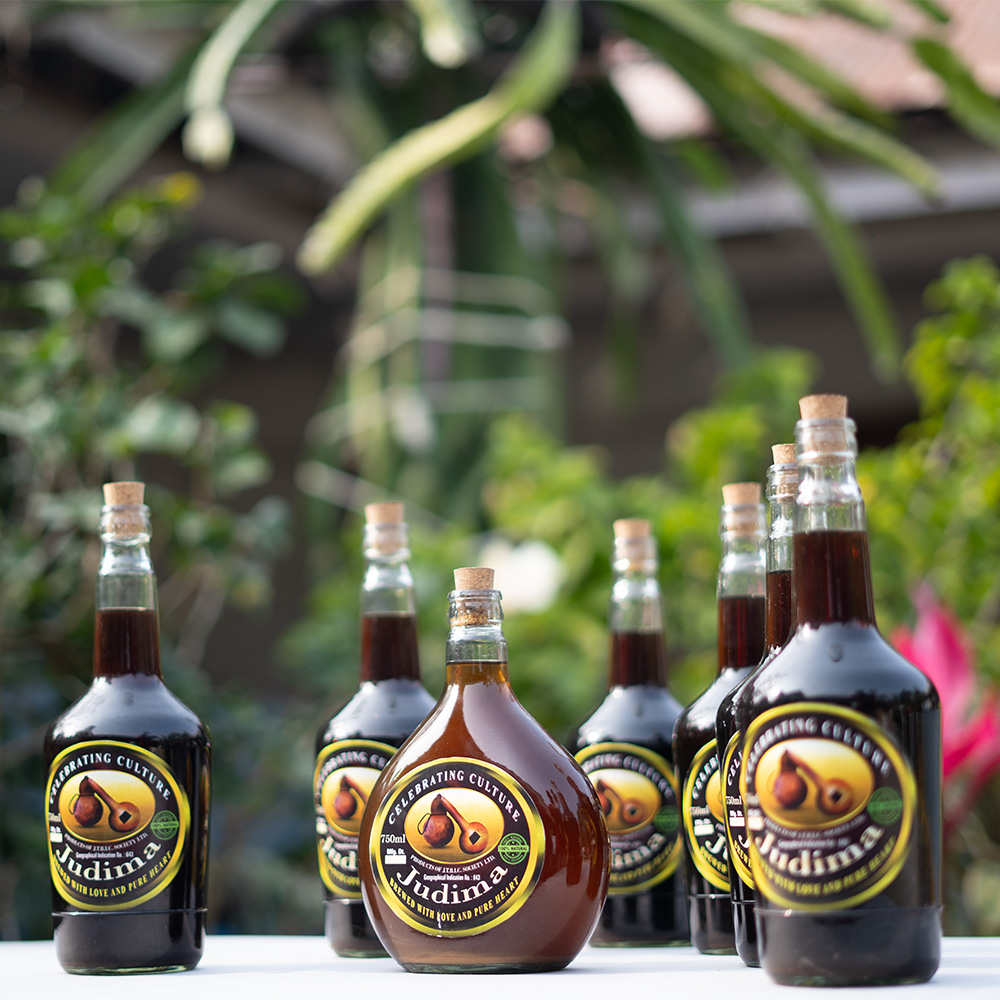



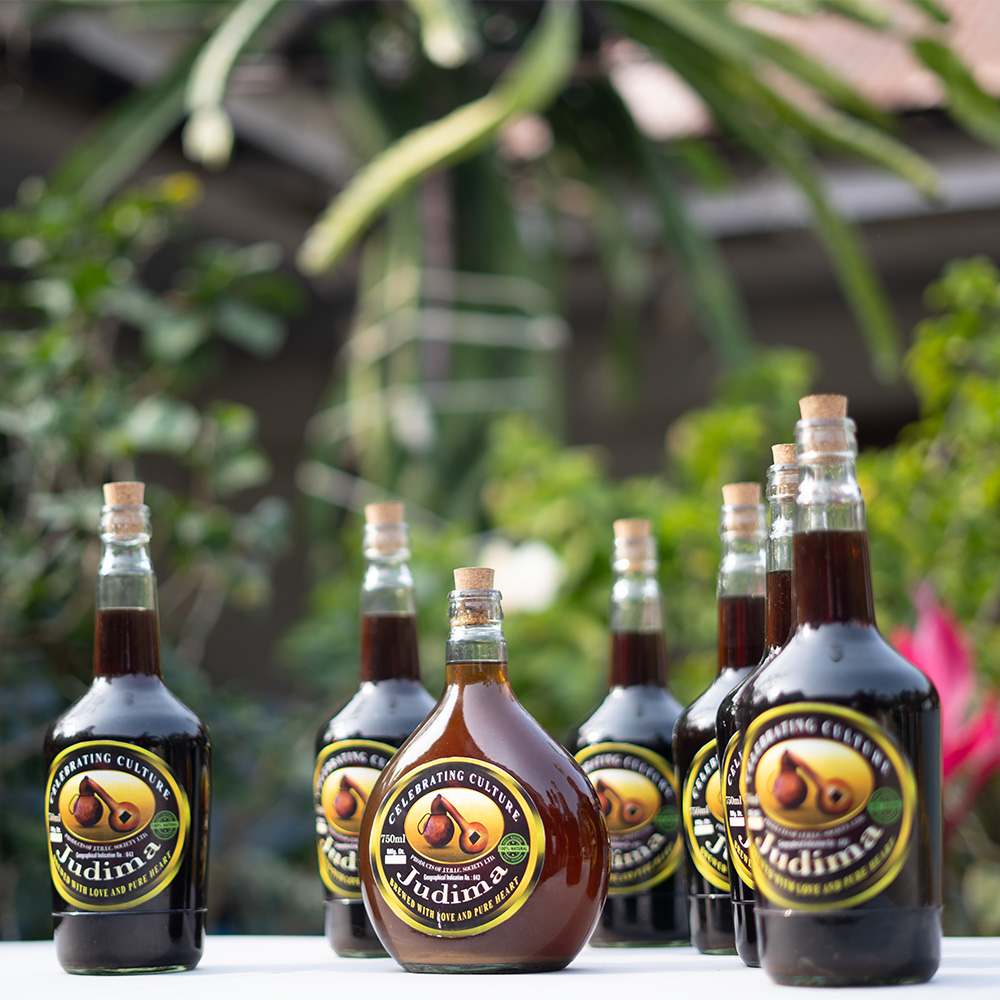
JUDIMA RICE BEER
This beginner’s module introduces Judima, the traditional rice beer of the Dimasa tribe, exploring its cultural significance, preparation, and role in society. Learners will discover its deep-rooted traditions, how it is brewed using indigenous methods, and its importance in festivals and hospitality. The course also highlights modern relevance and preservation efforts, making it an engaging introduction to this unique heritage beverage. Designed for beginners, it provides foundational knowledge in an easy-to-understand format.
 Most Viewed

What you'll learn
- Introduction to Judima : Learn about its origins and cultural roots
- The Dimasa Tribe : Understand the tribe’s traditions and lifestyle.
- Brewing Basics : Discover the key ingredients and simple brewing techniques.
- Cultural Significance : Explore its role in festivals and daily life.
- Preservation Efforts : Learn how traditional brewing methods are being safeguarded.
Couse Features:
- Beginner-Friendly Content : Simple explanations for easy understanding.
- Cultural Insights : Explore the heritage behind Judima.
- Step-by-Step Learning : Learn the basics of brewing and its significance.
- Visual and Audio Aids : Engaging resources for immersive learning.
- Self-Paced Study : Flexibility to learn at your convenience.
Who Should Enroll
- Beginners interested in traditional beverages
- Cultural enthusiasts exploring indigenous traditions
- Students of anthropology and food studies
- Hospitality and tourism professionals
- Anyone curious about Dimasa heritage
Description
JUDIMA RICE BEER
Introduction to Judima and the Dimasa Tribe
Who Are the Dimasa?
The Dimasa — they call themselves "sons of the big river" — are one of the oldest indigenous communities of Northeast India and mainly reside in the Dima Hasao district of Assam. They are a subgroup of the larger Bodo-Kachari group, and speak the Dimasa language, which is related to the Tibeto-Burman family.Dimasa’s are traditionally riverside dwellers in lineage with their deeply rooted association with the water. They have settlements in the hilly tracts of Assam in areas such as Cachar, Karbi Anglong and some parts in Nagaland. According to this distribution, their cultural habits, farming practices and social relations have been patterned.Culture The Dimasas have a rich culture that defines their unique traditions, festivals, social customs. They practice a clan society, and each clan originates from a single common ancestor. This system is important in matrimonial alliances, inheritance and community connections.The Dimasa’s also have a very rich attire tradition. Ladies usually put on a Rigu (a wrap around the skirt) and a Rikhaosa (a top). Men wear a "Sgaopha," a traditional turban, and a loin cloth called "Rigdo. They are typically handwoven, featuring complex designs and brilliant hues, which have cultural importance.Weaving is an honourable tradition among Dimasa women who have been making unique designs from the traditional art since time immemorial. In the name of utility but surprisingly also as an instrument of cultural expression and conservation.The Dimasas are predominantly agriculturalists and practice both shifting cultivation and settled farming. They grow food such as rice, maize and vegetables, using traditional farming methods suited to the hilly landscape.The Dimasas observe a number of festivals, among which "Bushu" is particularly highlighted. Celebration: Bushu is a community, feasting, singing, and dancing festival to express thankfulness for a good harvest. One of the dances such as "Baidima" is performed accompanied with the use of indigenous musical instruments during such times.
What Is Judima?
Judima, a rice beer which has a lot of cultural value, especially among the Dimasa people in Assam, a state in the northeast of India. A lot more than an alcoholic drink, Judima is a way of life for the Dimasas, it embodies their cultural identity, social rituals and spiritual faiths.Judima is, by essence, the result of a carefully controlled fermentation of rice. The drink is made by soaking rice in water, continuing to ferment it naturally and then adding that in with a mix of medicinal herbs and roots and other natural ingredients which contribute Flavors and aromas to the drink. The drink is typically prepared by the community in a shared space where it also serves as a site for social interaction between family and friends, emphasizing the drink’s socialising aspect.
The Recognition of Judima
Dimasa traditional rice beer 'Judima’ recently got the Geographical Indication (GI) tag. Having been recognised by the Government of India, this points to the fact that Judima carries a distinct identity of a particular place, which is the Dima Hasao district of Assam in this instance, brewed by the Dimasa community for generations. The geographical indication status is a guarantee of quality and gives confirmation that the product is known, quality wise as well as characteristically, from the region.The Geographical Indication is an important legal acknowledgement which allows the products from an area to get special protection, so that they cannot be misrepresented or imitated by others from other locations. In the case of Judima, this recognition contributes to the safeguarding of the traditional techniques for its preparation and the unique cultural identity that the Dimasa community links to the brew. In giving Judima GI status, the government acknowledges that Dimasa society’s traditions, knowledge, and heritage are indeed important, and have the right to be legally protected against duplication or mass production by those not following the authentic preparation method. The GI tag ensures consumers that the Judima they are buying is authentic and prepared in the age-old tradition handed down from forefathers.
The Cultural Significance of Judima
Judima in Festivals and Ceremonies
The Dimasa also use traditional rice beer, judima in all their festival and rites, which is an integral part of their cultural and spiritual life. Its inclusion is representative of the solidarity, of the godliness and of the togetherness of these gatherings. The making and serving of Judima during festivals and ceremonies reinforces community ties and respects ancestral practices.Bishu, the Dimasa traditional New Year festival, is one the main festival was praying to the Judima is important. Bishu is a popular festival in Sunwal, celebrated with great pomp and gaiety, marking the end of the summer rice harvest and the beginning of New Agricultural Year in Nepal. Judima is brewed in large scale during this festival and served among family and the community. It is given to gods and ancestors as a gesture of gratitude for the year's harvest and an invocation of abundance in the year to come. The tasting of Judima is generally done with singing folk songs, dance and food, which enlivens the community spirit, bridge relations and re-affirm the cultural identity.
Judima as a Symbol of Hospitality
Judima is not just a beverage but a potent manifestation of hospitality, warmth, and togetherness. So, giving an offering of Judima to the guest is a sign of love, friendship and respect in our culture, the Dimasa community. It is part of the culture of sharing and opens up every wearer as a "homebody", particularly when the person enters into a house or a village of the Dimasas.Hospitality being an integral part of the Dimasa society, about a hundred different varieties of Judima is served as the welcome drink. It is the duty of the host to give Judima to all the guests who come to a house as a mark of respect. It’s not all about offering a drink, it’s about creating a culture of inclusivity and connectedness. With Judima, participants offer guests to join their community, promote dialogue, ceremony, storytelling, and create connections. So, in drinking Judima together, we bond over that act and every face in the room feels like it's accepted and understood.Servings of Judima to guests also reflects the Dimasa’s respect for human cordiality. It reinforces the concept that hospitality is more than just getting fed, but nourishment for one’s heart and soul. Judima brings people together, and in this is a way that seems to be much more than the simple “having a good time” that any celebration would have them doing. It is in this spirit of sharing that Judima has persisted as the symbol of the Dimasa community’s goodwill and hospitality towards each other.
Oral Traditions and Folklore Around Judima
Judima, the native rice beer of the Dimasa community, is not just a drink, it’s woven with the cultural ethos of tale, song and fable. These legends, transmitting orally from generation to generation, become an invaluable tool in order to preserve the history, ethos and beliefs of the Dimasa tribe. For the Dimasa community, Judima is more than just a drink; its preparation, consumption and connotations have a great deal of folklore and ritual to it.Story One of the most popular narratives that is associated with Judima is the origin legend. As per Dimasa mythological parlance, discovery of Judima was an accidental phenomenon but with a divine providence. A Dimasa man, who was in the fields, had taken his lunch of cooked rice wrapped in banana leaves and hung it on a tree trunk. He discovered liquid dripping from the package when he returned later. And as soon as he tasted the fluid, he discovered it to be a sweet and savory potion. The tree on which it was hung is thought to be the Acacia pennata (locally known as "timbra" among the Dimasa) converted the rice into drink. This legendry finds then began the venerated tradition of the sacred and traditional drink called Judima.This tale is usually narrated while brewing and sometimes while drinking, Judima, the elders repeating it for the uninitiated young. The story behind Judima of how it was first accidentally discovered is a testimony to the Dimasa's relationship with nature, and in more specific terms, the reverence with which they treat the flora and fauna that hold a special place in their lives. The timbra, the essential base ingredient in the beverage, also is the focal point of this myth, its bark being used to make the fermenting starter known as Humao. The Dimasa say the tree has special power to turn the rice into a substance more than food — liquid that is also spiritually strong.
Ingredients and Preparation of Judima
Key Ingredients
The major materials used for the manufacture of Judima, the original beer of the Dimasa tribe are the some of these:
1. Bora Rice (Sticky Rice):
The key ingredient of Judima is Bora rice, a glutinous or sticky rice which is used as a base in brewing the beverage. Bora rice is known for its starchiness that is an indispensable aspect for fermentation. Bora rice is not sticky like normal short-grained rice, yet it sticks together to form a thick mass when cooked, and provides a good environment for the yeast with abundant starches feeding the fermenting agents.
2. Thelon (Herbal Starter Cake):
The second essential ingredient in Judima is Thelon, a herbal starter cake, which is a must for fermentation. Thelon is complemented by the usage of different herbal preparations mainly from the bark of Acacia pennata tree called locally as Thembra or Timbra in Dimasa dialect. This herb boasts much more than its contribution to the brewing of beer; it has deep cultural and folkloric importance as well.
3. Water:
Both the rice slurry and the fermentation utilize water. It’s actually needed for soaking rice and mixing all the ingredients to ferment it.
4. Additional Local Herbs and Plants:
Some native plants such as 'betel leaves' (Piper betle), 'bussin bitchu' (Buddleja asiatica), 'chumthum' (Hedyotis scandens) few others are also utilized for the fermentation starter culture, imparting individualistic flavor profile and medicinal properties to the finished bioactive beverage.
Step-by-Step Preparation Process
Preparation of Judima, the traditional rice beer of the Dimasa community, is an elaborate process that includes many important steps for flavouring it to make the drink taste good and retain its originality, that has been passed down from generations. Following is the detailed instructions for making Judima:
1. Harvesting and Drying the Rice
To begin with the process of preparing Judima, the first thing to do would be to harvest "Bora" rice (sticky rice), which grows as paddy in the fertile fields of the region. The more preferred type of rice is the glutinous and starchy bora rice for better fermentation. The rice, after harvesting, is washed well and cleaned from dirt and trash. The rice is cleaned and then spread out on bamboo mats to let the sun dry it. This drying is important because it prepares the rice for fermentation. The rice is then prepared by boiling it until soft and mixing with the fermentation starter cake (Thelon).
2. Preparing Thelon and Fermenting the Rice
The second essential step is the creation of the Thelon, or herbal starter cake. Thelon is produced from the bark of the locally growing Acacia pennata tree (the Timbra tree), which are also crucial to fermentation process. Bark is harvested, dried, and powdered. It is this powdery bark that is mixed with rice, soaked in water and shaped into small rounded cakes measuring 5-7 cm in diameter and weighing 80-100 gms.These cakes are sun-dried over a period of few days so they can be stored for later use. Dry and use 'Thelon' (starter cake) to inoculate the boiled rice with fermentative agents. The Thelon has inclusions of natural enzymes and microorganisms which initiate fermentation, when mixed with the rice. Covered with jute bag to keep the mixture in a warm place to ferment the rice in huge bamboo or earthen vessels After this, the rice is kept in big bamboo or earthenware jars, with jute bag along to keep it warm and protected during fermentation. The fermentation usually takes five to seven days, depending on the weather and season, during which the rice would become a little-yellow liquid
3. Aging and Bottling the Final Product
This liquid (obtained from the fermented rice mixture) may be separated out from the fermented rice and filtered if so desired. The filtered liquid is the fermented Judima that can be consumed or preserved for more fermentation (aging). The taste of the country liquor improves as it keeps aging, it becomes more mellow and pleasant to drink. The longer the fermentation, the richer and golden yellow the flavor becomes, often with a honey-like sweetness.
Sustainability in Judima Preparation
Judima brewing, which is the traditional rice beer of the Dimasa tribe, is not only a native Indigenous practice but also an exercise that demands a balancing act between nature conservation and sustainability. The traditional ways of procuring ingredients for Judima, which includes rice, herbs and trees, are based on an age-old understanding of the balance of ecology. Yet today it is under siege from new global forces that offer threats and opportunities for sustaining its environmental and cultural integrity.
Traditional Practices of Sourcing Ingredients Sustainably
In the Dimasa society, Judima is traditionally prepared with environmentally friendly sourcing of the ingredients, which I can get at zero or minimal harm for the natural ecosystem. Bora rice, a sticky type favored for Judima, is typically cultivated in small, family-owned plots. These farms are organic crop farms, and refrain from chemical fertilizers and pesticide. This environmentally friendly approach to agriculture also helps to maintain the soil’s natural fertility and slash the overall environmental cost of large-scale industrial farming.Making Thelon itself, the herbal starter cake in fermentation, is another instance of sustainable sourcing. The main ingredient is bark of the Acacia pennata tree, sourced in a manner that leaves the trees intact. Local information is known on which branches can be taken or parts of the tree in a selective manner, in a way that the tree could still remain intact and flower. Moreover, the other plants used in the formulation like Piper betle and Buddleja asiatica have been wildcrafted from within the nearby forests so it wouldn’t have contributed to the draining of their natural stations.These eco-friendly sourcing practices not only contribute to the local ecosystem but also keep the taste, quality and authenticity of Judima intact. The Lip village Dimasa following the traditional methods and practices of conserving biodiversity has evolved these customs and practices for sustainability, so that the resources are not only renewable but the production of Judima does not disturb the ecological equilibrium as a whole.
Challenges for Sustainability
Notwithstanding the existing environmentally sustainable practices, there are a number of problems which emerged about the continued utilization of Judima in the preparation process. One of the biggest fear is the ever-increasing tension of modernization and commercialization. With the growing prominence of Judima as an identity, for instance, that of a GI (Geographical Indication) in 2021, there is the possibility for over-commercialisation and local resource stripping. Increased demand for Judima could lead to unsustainable collection of raw materials such as Acacia pennata and Bora rice, especially if large scale production, rather than sustainability, is encouraged.
Judima and Its Place in Modern Society
Judima in the Tourism Industry
Judima, the local rice beer of the Dimasa community, on its part, has emerged as a key cultural conduit in the wake of the growing tourism industry in the northeastern region of India. With a rich tradition attached and an inextricable ingredient of its culture and heritage, Judima has been a key influence in showcasing the rich culture of visitors in the Dima Hasao district and the Dimasa society in general. It is quite a unique preparation, taste, and has a lot of associations with the customs there and as such is fairly sought after on cultural tourism circuits.One of the prominent offerings of Judima as far as tourism is concerned is the tasting tours and cultural programmes. Tourists to the area can take part in guided tours and get a direct experience of how Judima is made, right from the paddy, till the fermentation. These visits culminate in tastings where you can appreciate the taste and style of Judima, that change according to the aging and differences in local method of brewing.Some of the other cultural expos and fairs that focus on Judima include the Judima Festival which present tourists with an opportunity to interact with the Dimasa people through folklore, folk music and traditional dance. These celebrate Judima as an essential component of the local people and provide key life experiences, which include insights into the Lives, Handlooms Cuisine of the tribe! By incorporating Judima into tourism practice, it provides a door towards gaining a deeper insight into Dimasa culture, leading to not only cultural exchange but also a source of revenue for the local people.
Commercialization and Challenges
The commercialisation of Judima could be a double-edged sword for the Dimasas as they transform from traditional, local producers to a mass market. As a result of the Geographical Indication (GI) tag, which has brought the beverage into the limelight both nationally and internationally, this transition from local, artisanal production to large-scale commercial production poses a number of issues.Judima was traditionally brewed in small quantities by families and even communities in the Dima Hasao district, and each brew was distinguished by the methods and ingredients used by the local producers. This handcrafted method helps in retaining the original taste and uniqueness of the brew, that is connected to the lifestyle and culture of the Dimasa people. But with demand of Judima growing, especially after the GI status, there is an urge to expand the production. We worry about mass commercialization leading to mechanized brewing and standardized ingredients that could reduce the authenticity of Judima’s flavor and its cultural cachet.One of the most worrisome aspects of such commercialization, of course, is the dilution of authenticity. 0 The time -honoured ways of making judima, involving locally-sourced and sustainably-harvested ingredients and fermentation techniques preserved for generations, will be watered down to cater to the market. And the cultural rites and the knowledge pertaining to the preparation of Judima that go with the indigenous brew seem to be in danger of losing out to the lure of faster production and greater returns.To maintain the credibility of Judima, a delicate line needs to be drawn between commercialization and traditional freshness. This will lead to safeguarding that native producers are the ones who manage the brewing process, encourage sustainable supply of ingredients and increase sensitivity among the public to cultural and historical aspects of Judima. The real test is ensuring that Judima survives as a representation of Dimasa culture in the face of the pressures for its commercialization.
Preservation and Conclusion
Preservation of Traditional Methods
The traditional mode of preparation of Judima is important for conservation of the traditional knowledge and cultural heritage of the Dimasa society. It is important to document and teach these practices, so it is passed on to others, and that is how the authenticity of Judima would be preserved. Importance of scientific documentation of the preparation of Judima for quality and authenticity A research study published in the journal Bioscience Biotechnology Research Asia highlighted the significance of proper scientific documentation of the preparation methods of Judima for bearing quality and authenticity.
Documentation and Teaching of Preparation Techniques
Journaling the traditional methods of preparation for Judima means a step-by-step written record detailing what materials are chosen, how it is fermented, and aged. This record is of significant importance for the community and the researchers, helping to keep the traditional methods alive and enabling the transfer of knowledge to younger generations. Workshops and Training sessions may be conducted to sensitize lessons considering the concluding “Apply the lesson” which in return helps the participants understand and appreciate the Cultural importance of the Judima.
Protecting Thembra Plant and Other Natural Resources
Thembra (Acacia pennata) wild herb grown in the Dima hasao district is an important ingredient for preparation of Judima. Preserving the Thembra plant and other resources is essential to sustainable Judima production. Conservation strategies can involve sustainable harvesting, cultivation, and habitat conservation to guarantee the supply of Thembra for the future. Such effort may benefit from cooperation with botanical gardens and other conservation-oriented groups to promote the sustainable use of natural products.
Challenges and Modern Adaptations
-
Balancing Traditional Methods with Modern Demands:
- Preservation of Authenticity: The age-old process for preparation of Judima handed down from generation to generation is also under threat while meeting production requirements demanded by modern market conditions. its integrity authenticity wholesome Judima Created out of Production Quality Can be a daunting task to keep the product authentic being made to cater to a wider market.
- Technology Integration: While unique methods secure identity, present day technology (improved fermentation and packaging) might be necessary when the production is increased in order to avoid the dilution of Judima.
- Cultural Integrity: As tourists and outsiders show interest the cultural importance of Judima might be reduced to common commercialization. "Efforts are required to turn both producer and consumer aware of their heritage and ethos associated with Judima.
2. Addressing Over-commercialization and Environmental Impact:
- Over-commercialization: With the rising popularity of Judima (especially after the receipt of the Geographical Indication-GI- tag), mass production might risk the traditional way of preparation. It's a thin line between boosting Judima's credentials as a cultural icon, and its genuineness.
- Sustainability Issues: Excessive commoditization could put pressure on natural resources like the Thembra plant that is fermented, leading to environmental underside. Such resources need to be sustained and conserved.
- Environmental Impact: Growing production can result in orders of magnitude of waste, overuse of ingredients, and use of non-natural additives to meet demand. It's a big challenge trying to reconcile growth in the context of being good stewards of the environment.
Conclusion
Use of Judima is an integral part of the socio-cultural and economic life of the Dimasa. More than just a drink, it represents a living tradition of Dimasa and is an integral part of the identity of the community, synonymous with hospitality, community and tribe’s culture. Holded in rituals, ceremonies, and everyday life, Judima is a symbol of union, joy and it also plays a focal role for social ties within the community. Its latest recognition with the Geographical Indication (GI) tag has not just upped its status but opened doorways for economic empowerment giving wings to local brewers and craftsmen to soar high.Yet, as Judima is geared to be a mainstream brand and becomes commercialized, the challenge is to respect its authentic base with contemporary requisites. So, the big task is to promote Judima in responsible way and to keep its cultural essence and ensure that the plant survives in a sustainable manner. To properly celebrate Judima, it is necessary to teach the locals and tourists alike about its history, traditional methods of preparation and the cultural value it holds.If small-scale production is encouraged and sustainable sourcing of ingredients like Thembra and rice maintained, the authenticity will be preserved. Festivals, cultural event, and tourism oriented on Judima may help not only in cultural preservation and existing socio-economic development but also commemoration of Dimasa past in a manner that maintains the tradition combined with agreement of historical significance for generation to be borne on