

Khasi Folk Music
This course explores Khasi indigenous folk music, covering its history, cultural significance, song structure, traditional attire, and symbolism. Participants will learn about musical instruments, singing techniques, and variations in style, while examining modern influences, conservation efforts, and challenges. It also highlights notable artists and Khasi cultural heritage.
 Most Viewed
What you'll learn
- Introduction to Khasi Music and Culture : Explore the historical and cultural origins of Khasi folk music.
- Khasi Musical Elements and Instruments : Learn about traditional Khasi instruments, their roles, and unique singing techniques
- Integration of Music and Khasi Traditions : Understand the connection between Khasi music, attire, and social practices
- Cultural and Religious Symbolism : Delve into the symbolic significance of Khasi costumes and music in ceremonies
- Modern Influences and Challenges : Examine how modernity impacts Khasi music and the efforts for its conservation
Couse Features:
- Explores Khasi Music : Origins, cultural significance, and evolution.
- Cultural Insights : Connection between Khasi traditions and music
- Key Elements : Focus on music structure, themes, and attire symbolism.
- Instrumental Study : Overview of traditional Khasi instruments.
- Modern Influence : Impact of contemporary trends and preservation efforts.
Who Should Enroll
- Music enthusiasts exploring Khasi folk music.
- Educators and researchers on Northeast Indian culture.
- Artists seeking Khasi influences.
- Travelers interested in tribal traditions.
- Anyone curious about Khasi music and culture
Description
History and Origin of Khasi Music
Khasi music is a part of the cultural heritage of the Khasi, one of the major tribes of Meghalaya, India. This is music representing the deep relationship that Native Americans have with nature, their community and their spiritual beliefs. Though its exact origins are hard to be ascertained, many believe that Khasi music has been a part of the heritage of the Khasi tribe, dating back to the beginning of the Khasi people itself and handed down through generations through oral tradition as one of the key components of the Khasi tradition and lifestyle. Khasi music is mostly inspired by the surroundings. The tunes of the Khasi people resemble the chirping of birds, the murmess of leaves in the breeze and the murmur of running waters. It's that same deep reverence for nature that informs the music, where they frequently sing about the beauty and colors of the land and the unfolding of the seasons, along with how everything living is part of one another.Khasi songs cover topics ranging from love, loss, happiness and its respect and adoration for the land, depicting the tribe’s strong bond with its environment. Singing is an old passion of the Khasi society. It’s not just an art, it’s inextricably stitched into the warp and weft of everyday existence. The Khasi songs include the songs used in household works as well as in community gatherings. They celebrate births, marriages and deaths, providing a way of expressing emotion and forming and strengthening social bonds. This incorporation of music into everyday existence highlights its value as a communication tool for relaying stories, teachings and maintaining cultural heritage.Although it is hard to determine when in time Khasi vocal music eventually originated; its evolution is typified with several milestones through the ages. The old Khasi songs as a rule were played without any harmony, although they now include choral effects, showing a tendency towards the greater complexity of later music. The Khasi system of indigenous vocal music falls into the categories of songs with words, songs without words, and a combination of the two. They like to use nonsensical syllables such as “la la la” to inject a playful tone to their sound, along with exploration to create perfection.The social structure of the tribe also affects the progress of Khasi music. The establishment of various layers of community governance, the village (sur shnong), clan (sur red) and state (sur hima), have to varying degrees influenced music making. Within each level of social organisation, we have valuable contexts in which to play, compose, perform, listen to and appreciate music. The music becomes more polished as the societies evolve and by the end of the civilizations unique musical forms and genres exist in each of the social structures.The unbroken tradition of indigenous singing has played an important role in the preservation of originality in Khasi music. Orally mediated though the forms have been temporarily altered, the spirit and beauty of this music has endured. Other singers have committed themselves to upholding old styles of music, lest the melodies of yesteryear stop ringing in the local memory.The birth of musical notations, like tonic sol-fa in the late 19th century became a watershed for documenting Khasi music. This system made it possible for musicians to write and record their composition, help in musical teaching and save traditional melodies. Add to that the use of staff notation for writing down the music, and a means to preserve and disseminate Khasi music came into existence, where it could travel and meet a wider audience and be inserted into a new context.All India Radio Shillong was set up in the year 1948 and with the coming of modern media mediums, Khasi music spread rapidly. Such happenings have added a new dimension to both the performance and the appreciation of Khasi music, enabling it to be taken out of the local context for world showcase. The music is now known to a national and international audience with a newer generation coming to engage with the cultural heritage.
Introduction to the Khasi Tribe and Culture
Overview of the Khasi Tribe
The Khasi people are the indigenous people of Meghalaya, India. They are also found in the border regions of Assam, and northern part of Bangladesh. The KhasisThe Khasis are particularly found in the eastern part of Meghalaya which is the Khasi Hills and comprises approximately 48% of the state as a whole. Their linguistics, cultural diversity and society structure adds to the rich inheritance of the Khasi community.
Historical Roots and Linguistic Heritage
The origin of the Khasi people is also deeply engrafted to their mythological and oral cultural and traditional features. Khasi mythology According khasi mythology Magh khasi had called their ancestry home 'Ki Hniwtrep' or "the seven huts". According to the myth, the chief god U Blei Try Kinrad divided human beings into 16 families, 7 families of which chose to stay on earth while 9 families went to heaven. A ladder was the vehicle for this transmission, until a terrible mistake broke the connection, embodying the community's over-zealous ecocentrism, it is made clear that nature is God made manifest.
Matrilineal society
The Khasi society is matrilineal, which sets them apart from most Indians. Descent and inheritance are established through females, who play major roles in family and society. The youngest daughter, who is called the "Khaddu" is responsible for carrying on the family name and property. In this way, it protects and secures a woman, roviding the for the fact that a woman can have GREAT control in life well of her family.
Social structure and community life
Sub-tribes The Khasi are divided into various sub-groups, the main ones being the Khynriam, Pnar, Bhoi, War, Maram, Lyngngam and Diko (who is extinct). Every sub-tribe has its own culture, but they have a similar linguistic and cultural history. The traditional political system in Khasi society is democratic and decisions are made during village meetings. It is this system which creates strong sense of community and cooperation among the members and enable them produce solutions to local problems.
Agriculture and Livelihood
The Khasi’s people’s main occupation is agriculture in the fertile land of Meghalaya, making it possible for cultivation of a variety of crops. The Khasis are agriculturists who raise betel leaves, betel nuts, oranges, pineapples, plums, and a variety of rice and other vegetables. Conventional agricultural practices are frequently supplemented with sustainable ones that respect the environment. Apparent blissful co-existence with the nature is deeply inter-woven in the Khasi culture for whom land is meant to be treasured by them for future generations.
Relationship between Khasi Culture and Music
Music is significantly intermingled with Khasi culture, being an integral part of every aspect in the society, helping to express the culture and language to the masses. Music, which is not only an art, is the work of faith, tradition and society of the Khasi traditionalists. This link can be studied from different perspectives such as indigenous instruments, folklore, and the music’s function in rites and festivals.
Traditional Instruments
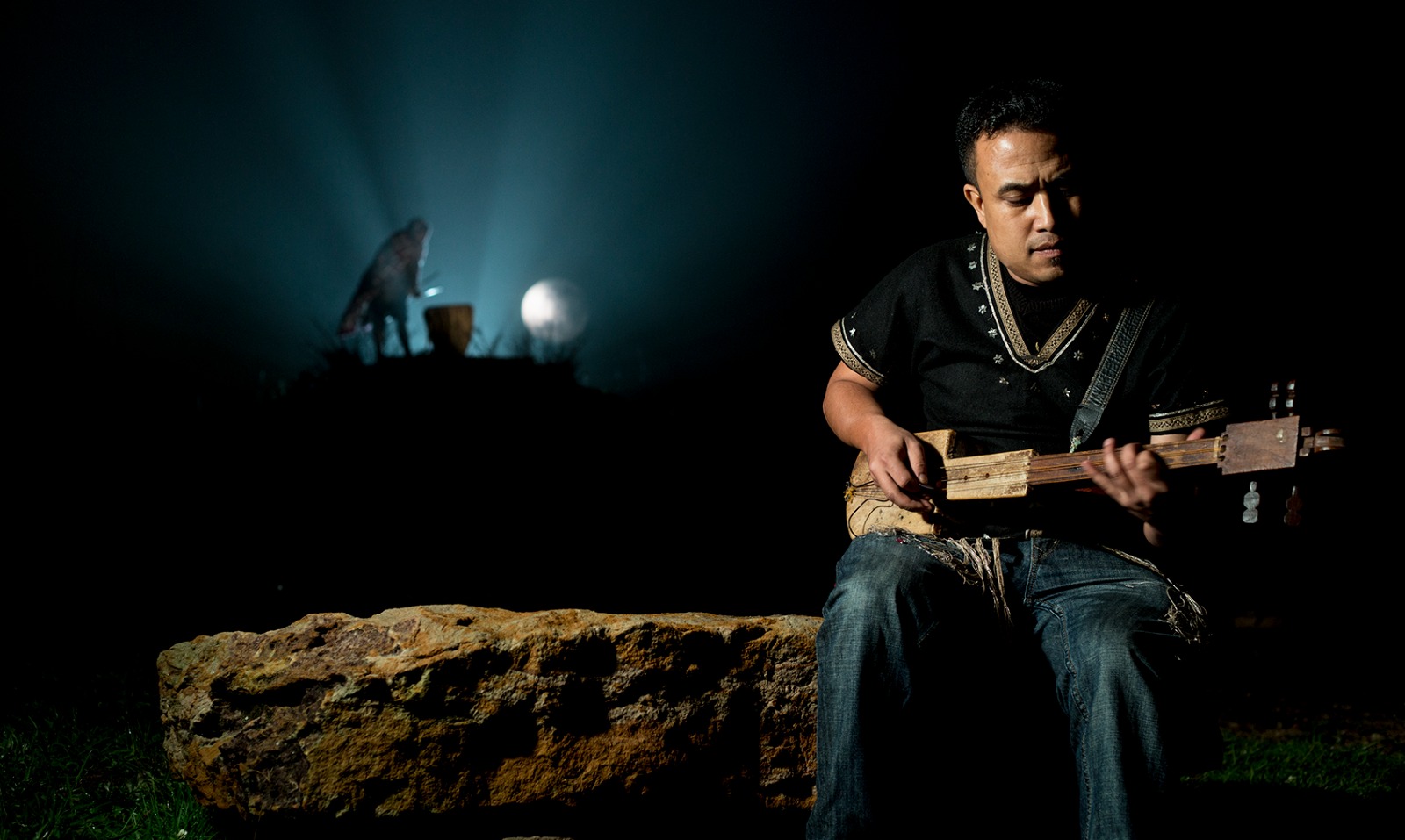
Various Other Traditional Instruments Khasi music is notable for its use of traditional instruments, all of which have cultural significance in different contexts. The dawki, a kind of guitar, is frequently played during festivals and village functions. The sweet sounds of its musical melodies echo of Khasi folklore, that are themselves tales of the folklore handed down over generations. The bamboo wind instrument called buhwa accompanies singing and is used in some traditional ceremonies. The drums are not only for entertainment but they are symbols of culture and are vehicles that carry the Khasi identity and its pride.
Folk songs and oral tradition
Folk songs form the broad base of Khasi music and are crafted to tell stories and pass on history. The songs speak of brave deeds, love, nature, and ancestral wisdom, which have been fundamental to the community's experiences and values. Songs usually express the bond between the Khasi people and the natural world with an emphasis on animist philosophy. This bond for nature is reflected in the lyrics that eulogize the sacred rivers, mountains and forests.
Ritual and spiritual significance
Khasi rituals and religious ceremonies are incomplete without music. Songs and chants are sung during ceremonies calling down blessings from the spirits of the gods and ancestors. It is assumed that singing creates a spiritual connection, allowing the person to communicate with the unearthly forces. Sacrifices are frequently made at rituals, and music is used to give the ritual a devout even more reverential feeling.
Festivals and Community Celebrations
Music forms an integral part of Khasi festivals, which are occasions of great merry and colour. The Shad Suk Minsiem festival, held in the spring, features traditional dances and songs meant to convey thanks for the harvest. At the outbreak of the festival, both the male and female folk attire will gather for various forms of colorful and vibrant dance performances accompanied by the live music. So, the spirit of togetherness is reflected in the music, that enables to bind the society and motivate together.
Prominent Khasi Artists and Their Contributions
There have been several great artists and great persons belonging to the Khasi community in the different fields like politics, education, social work, literature and arts. Following is a list of some famous Khasi singers and their major contributions:
Neil Nongkynrih
Shillong Chamber Choir's musical director Neil Nongkynrih, whose choir has become the face of North-East in several national musical events iterated "The fact is that the reputation of country is to go to other countries and win, but we are part of India and that means we go to London or any other place and win there." It is led by Rangmen Singh and combines Khasi traditional music with modern sounds which has allowed them to express the rich musical tradition of the Khasi people and take it to the bigger stage.
Silverine Swar
A noted social and environmental activist, Silverine Swar has also spent many years in education and the civil service. In the midst of it all, she has spent her time bringing sustainable development and enabling local communities like the Khasi people to reclaim their cultural and environmental legacy.
Structure of Khasi Folk Music and Costume
Basic Structure of Khasi Songs
A brief Introduction of Khasi Songs: The very essence of Khasi songs in the simplicity of its composition Let’s take a closer look at the basic framework Khasi songs are crafted into, and see what makes them so unwittingly young, yet traditional. Khasi music encompasses a blend of traditional tunes that have developed over the generations, with complex rhythms and melodies. A cursory analysis of the elementary ingredients that constitute the Khasi songs will be found exercised herein.
Melodic Structure
Tunes of Khasi songs are usually based on a pentatonic scale, five notes from an octave. This is a typical characteristic of many non-Western musical forms.” African and Asian musical traditions display the same tendency. Though pentatonic scale is prevalent, major and minor scales also find place in Khasi music for expression of varied emotions.
Rhythmic Patterns
The rhythms are an integral part of Khasi music, and several of the patterns have been added to the tunes. Musical enhancement is provided by typical rhythm patterns such as dum dum, nalai and shad wait. These patterns very frequently involve syncopation and are usually. Rhythmic patterns can also be widely different according to type of a music among festive and solemn occasions.
Key Musical Elements and Themes
The Khasi indigenous folk music is deeply rooted in the culture and tradition of Khasi people of Meghalaya, India and is reflective of their centuries-old culture, history, myths and traditions. The songs contain a variety of features and themes that reinforces the multicoloured strands of Khasi heritage. Today we focus on the principal musical characteristics and themes of Khasi indigenous folk music.
Instruments
Instruments in Khasi folk the instruments in Khasi folk music are mainly indigenous ones and are generally traditional. Frequently used instruments are the dawki (a stringed instrument) and the buhwa (a wind instrument), which furnish the melody and harmony for vocal performances. The track selection does tend to correspond with the theme of the songs, which is good for feel of series.
Themes in Khasi Folk Music
Khasi folk songs include a range of themes that are related to the way of life, traditions and legends of the society.
- Nature and environment
- Spirituality and lineage
- Social life and community
- Historical narratives
- Life cycle events
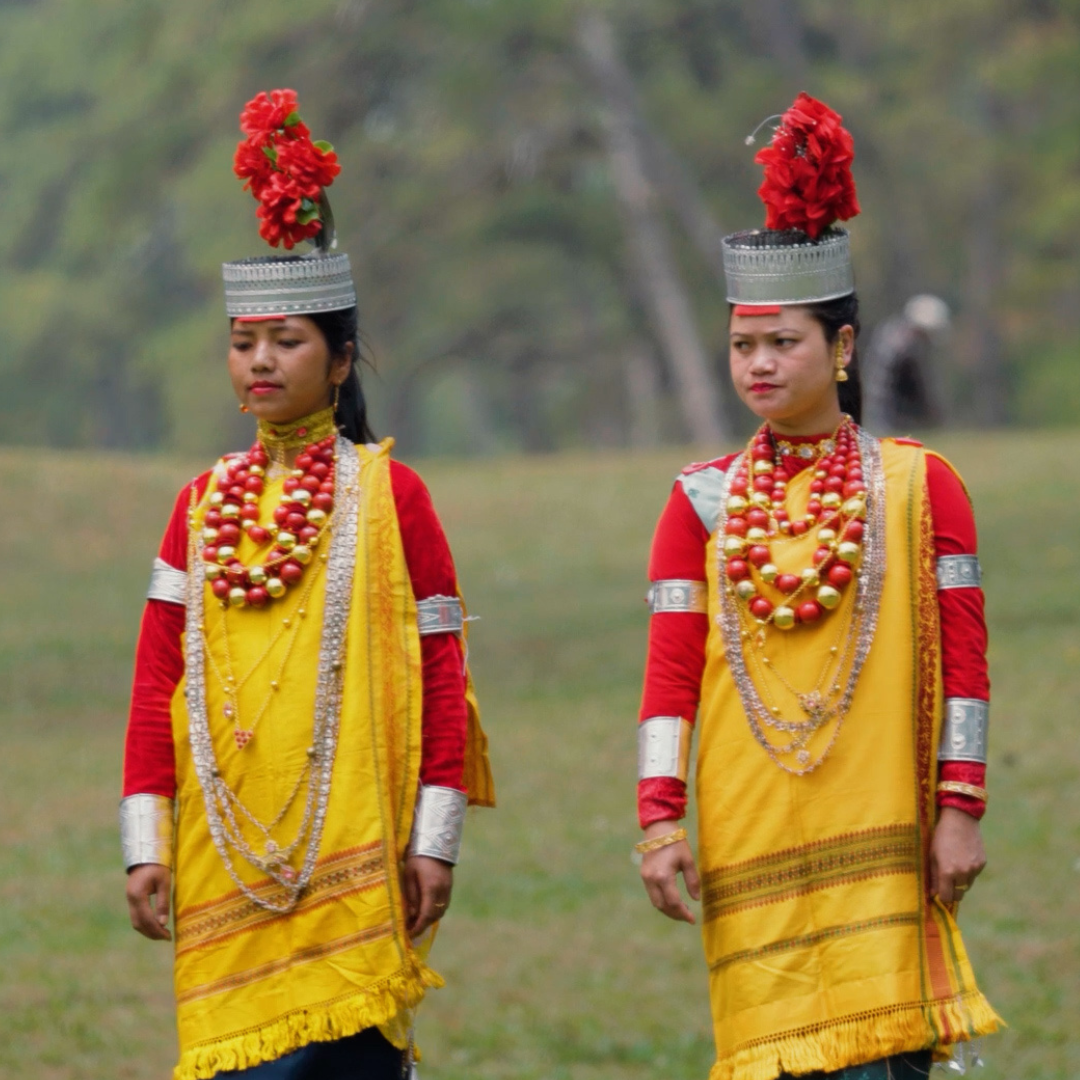
- Traditional dress in Khasi music
The traditional attire of Khasi people is of great significance in their culture and music. It is not only the aesthetic pursuit but also the deep social and cultural connotation, it plays an extremely important role in the ceremony performance.
Men's dress
- Jimphong: The jimphong is the most identifiable of the Khasi's traditional attire and is typically worn by Khasi men during musical performances and formal events. This garment, which is medium length and coat like, is made of a fabric, commonly cotton or silk, which is patterned to represent Khasi culture. The jimphong is as much about utility as it is a symbol of the wearer's cultural identity.
- Kinza: The jimphong is paired with the kinza, a Khasi shawl draped to enhance the outfit. The garment is also a decorative part of the robe as well as serving to keep the deltoid warm in cold weather. Most of the pieces are the traditional ones depicting various designs which emphasize the roots of the Khasi tribe and their beliefs about cultural values.
- Dhara: Dhaara, a garment wrapped around the waist and over the genitals is also worn by men. This is especially great for stage performers who need to move around for dance, singing, etc. The dhaara, on the other hand, is a more casual variant of the traditional attire, with the sanctity of culture well preserved.
- Footwear: In many places sandals or no shoes are common. This choice represents a profound relationship with nature and dirt, which is prevalent in Khasi music and culture. Playing barefoot is not just symbolic as a mark of humility — it's also to stress on the spiritual connect Khasi people have with their land.
Women's Dress
- Dawki: The attire of the Khasi women is popular for its bright hues and embroideries. The Women wear a dawki, a long-draped skirt which is also an integral part of their attire. Dawkis are sometimes covered in intricate designs that depict aspects of Khasi life, such as relation to the natural environment, society, and cultural inheritance. The size and patterns of the dawki provides flowing movements that add to the visual effect in dance.
- Duh: The dawki is worn with the duh or blouse. It is also colorful and may be decorated in the manner that the dawki is. Enter the duh to finish the traditional form, giving a unified look that represents Khasi identity.
- The kinthi: The kinthi, a shawl draped over the shoulders, is another important part of the women’s attire. The Kinthi The kinthi is usually heavily embroidered, and it reflects the status of the wearer and the soil of the region. More than a garment, the shawl has cultural significance and is embroidered with designs influenced by nature or tribal mythology.The concept Note on the 'FORM' of the Khasi folk music, with major themes and its costumes cell. We look at the significance in apparel and the institutional barriers towards musical-cultural-religious representations/symbols in the Khasi music.Then we will delve into traditional Khasi musical instruments and singing styles. We will delve into the specific instruments, the different techniques that set Khasi singing apart, and the different types of singing styles that give this music a new dimension.
Traditional Instruments and Singing Techniques
Introduction to Khasi Musical Instruments
The Khasi folk music tradition is very rich and is a major contributor to the local music in Meghalaya. All of these contribute to the music, and are a reflection of the Khasi ethos of being attached to nature and living a collective life.
Main Traditional Instruments
- Duitara: It is a crude guitar like instrument, with a hollow body made of medium-soft wood and covered with dried animal gut. Its strings are commonly made of 'muga' silk, and the sound quality is distinct and reverberates the musical tradition of the Khasi.
- Timpani: The ‘doh’ and ‘pinkya’ are Drums of Khasi music. These drums play rhythmic patterns that underpin most performances, serving both as a tempo for the dancers' movements, but also a part of the ceremonial music at festivals.
- Flute: The Khasi bamboo flute is the most commonly used instrument for solo and choral performances. Its sweet harmonies are inspired by the god given natural splendor of the Khasi hills and often they echo sounds from nature like birds and they rustle of leaves.
- Kha (Cymbals): They produce a unique sound embedded in the music, enriching the sound texture and the drums. It is especially emphasized during dances and ceremonies of the Kha and adds to the merry making spirit.
- Bamboo Instruments- different bamboo instruments like the "saron" has helped to develop the traditional sound of the Khasi music. The instruments imitate natural sounds in many cases, reflecting the importance of the community's natural surroundings.
Role of Instruments in Khasi Music
Introduction In Khasi music traditional instruments have a significant role and act as a vehicle both for the accompaniment and cultural expressions of identity. They are an indispensable component in different types of music forms, such as folk songs, ceremonial music, and dance music, being responsible for the general affective-aesthetic dimension.
Rhythmic Foundation
The doh and pinkya, a type of drum, are vital for Khasi music as it comprises the base for the rhythmic pattern. Their rhythmic aspect, in addition to pacing movement of both participants and observers, contributes a ceremonial aspect to common dances and activities performed during festivals and rituals. The offbeat pattern of Khasi drumming could find resonance of community – people gathering to celebrate, in contemplation.The duitara (a four stringed plucked instrument) and the bamboo flute are the prominent musical instruments for melody in Khasi music. The duitara adds to the rich genre of folk songs and dances; the music is very melodious and carries a distinctive sound effect on account of its strings made of silk, which the bamboo flute further accentuates by capturing nature sounds of the Khasi Hills. A plurality of these instruments are designed to be performed solo, for personal expression, and in several groups of many people, to collectively grieve and to share.
Special Techniques in Singing
Khasi Folk Songs boast a rich tradition of vocal techniques which reflect the cultural ethos and the emotional yearning of their people. These methods not only enrich the musical quality, but also contribute to the expression of the stories and morals contained within the songs.
Singing Techniques and Styles
Call and response is one of the most unique features in Khasi singing that is established in their oral tradition. The practice not only gets the crowd involved, but also creates a sense of togetherness during the performance. Not infrequently singers share lines with, or between, the audience and with each other in the group, making for a lively give-and-take to musical advantage. This method is particularly focused on in common spaces and festivals in which the public are invited to join in.
Rhythm Patterns and Improvisations
Khasi folk music is highly rhythmic and is generally accompanied by the duitara and the drums, which play the drums in a split rhythm, with one of the sides of the drum being put in the armpit and played. The singers use their singing voice to mimic these rhythm patterns which are played on the violin and other types of drums. This voice-instrument symbiosis is what gives Khasi music its melodious sound.
Storytelling and Cultural Significance
The subject matter of Khasi songs largely remains as folklore, and the past, nature and social habits reigned as story-telling themes. This storytelling is integral to the community’s identity and preservation of history. The songs are repeated and retold over the generations, with each performer providing their own rendition of the song. This oral tradition keeps cultural stories alive and accessible.
Modern Influences, Preservation, and Conclusion
Traditional and Modern Influences on Khasi Music
The evolution of Khasi music has an inherent factor of the past and present trends, which has subtly merged to form a unique flavour that is a true reflection of the society. The traditional Khasi music is unique to the people and played with many indigenous instruments and styles of singing, being related to the people’s lore, rituals, and way of life. Performances feature instruments including the duitara, drums, and bamboo flutes, the singing style often involves weaving in elements of storytelling, spirituality, and community values. These customs are also necessary to uphold Khasi culture and tradition.However, in the last couple of years, the modern sounds or beats have penetrated into the realm of Khasi Music by globalization and advent of technology. Mixing new fashions such as pop, rock and electric sounds, the trio now plays combination of music for today’s (especially younger) generation. Artists like the Shillong Chamber Choir have been able to fuse Khasi traditional tunes to Western music, resulting in a new sound that appeals to both local and global music enthusiasts. This confluence has rekindled interest in Khasi music – one that showcases the community’s adaptive nature, while keeping the norms of its cultural traditions intact.
Efforts to Preserve Khasi Traditional Music
One of the prominent steps towards the promotion of Khasi music is to involve community in different festivals and cultural events. Festivals such as Shad Suk Minsiem and Ka Shad Shingwi are not just performances of traditional music but educational festivals that encourage inter-generational exchange. The very existence of these festivals provides the up-coming generation with the opportunity to learn from maestros, thereby continuing traditional forms and songs. And it is such festivals that fill the Khasi youth with pride and get them involved in music. Khasi music has also been well-preserved by institutions. Local music and arts are gradually being introduced in schools and colleges of Meghalaya. Courses with emphasis on the traditional music education, help children and students who are more creative and have significant achievements to develop the art of music and performance, have the opportunity to develop a rich cultural life. North-Eastern Hill University is one such institution which runs courses on indigenous musicLocal organizations are also working to document and archive Khasi music. These are groups that do research, organise workshops and create audio- visual material of Khasi music traditions. For instance, institutions such as the Meghalaya Institute of Music and Arts are set up to promote and safeguard local art like music. These organisations also document performances and resources so that Khasi music is accessible to future generations.Digital technology has also been a powerful ally in terms of preservation and transmission. Traditional Khasi music can also now be heard on the likes of streaming services and social media platforms, allowing artists to broadcast to broader audiences. And yet musicians today are finding ways to embrace and blur that divide through increasingly fusing both old and new media that consumers use to listen to their music. This strategy not only restores Khasi music to esteem but also garners interest from beyond, that stakes its claim on a global music cradle.
Conclusion
A study on Khasi traditional indigenous folk music: A brief overview of Khasi indigenous folk music takes one on to a journey of the rich and glorious cultural heritage and importance. This conclusion is the result of insights gathered from a wide variety of approaches, highlighting the intricate links between music, the Khasi, and cultural identity.Khasi music Khasi music can be said to be most essentially an expression of values, beliefs and traditions which have been handed down from generation to generation. It encompasses different forms of songs enriched by devotional, seasonal and festive themes which are linked to the life of Khasis. These musical expressions indicate the community's relationship with nature, society and religion.The Khasi, whose society is matriarchal, are Christian, Animist and Hindu, and known for their rich tradition of folklore and natural simplicity. Their musical traditions are enriched by this cultural background and serve not only as entertainment but also a mode to keep history alive and to encourage social unity. Festivals, ceremonies, and the common run of the mill events are frequently soundtracked and the cultural and musical traditions are not easily separated.Khasi tunes possess special aspects, in melody, rhythm, and content. The pentatonic scale and the melismatic singing style are their signature sound traits. In addition, the costumes used when playing music, which are the same as those worn by locals doing performances, contribute to the cultural value of music and exhibit the artistic skills while also projecting for social and religious values.