

Paliya Dance
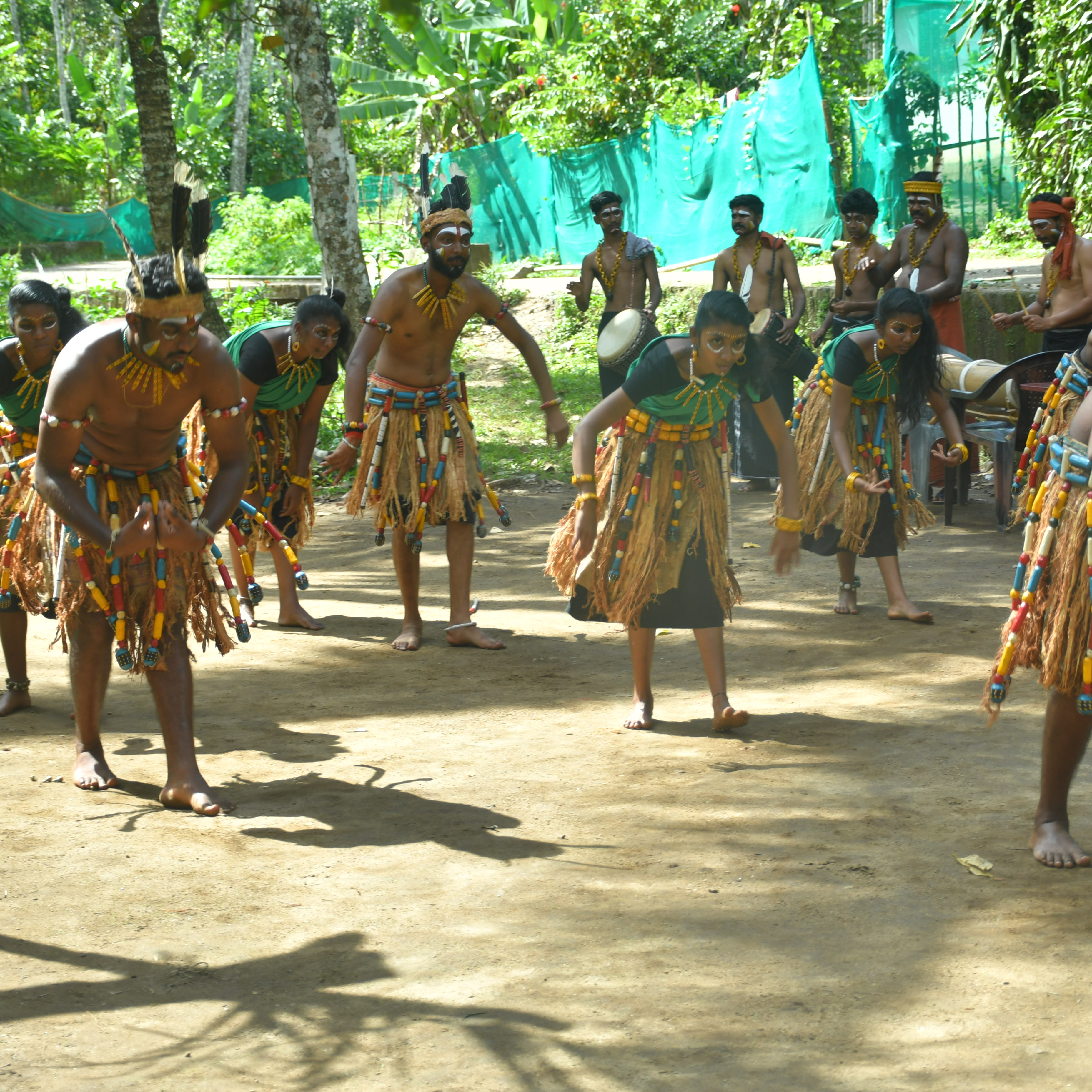
Discover the Cultural Gem of Paliya Dance- A traditional art of the Paliya tribe. This class will delve into the cultural origins of the tribe, its sub-groups, and their special ritual dances. Explore traditional songs and instruments, costumes with symbolic meanings, and how this heritage is protected and promoted today. For the enthusiast of cultural traditions, and indigenous wisdom, this class provides an opportunity to gain a brief but profound understanding of this rare and powerful dance form.
 Most Viewed

What you'll learn
- Tribal Cultural Identity : Know about the social, religious, and spiritual importance of the Paliya tribe and their dance.
- Dance Elements and Styles : Discuss the types of Paliya Nritya and its differences in tribal sub-groups.
- Music and Instruments : Discover types of traditional tribal instruments and rhythms that are danced to.
- Costumes and Symbolism : Consider traditional dress and body artwork that tells a story and links us to our past.
- Preservation and Current Use : Discuss the preservation and promotion of Paliya Dance in the contemporary cultural scene.
Couse Features:
- Authentic Cultural Content : According to the field investigation and knowledge from experts of Paliya community.
- Engaging Visual Media : Includes quality video and photo documentation of the performances and clothing.
- Audio Archives : Hear original tribal music and instrument samples.
- Interactive Discussion : Participate in learner forums and chats on culture.
- Learning resources that can be downloaded : Access articles, costume guides and music glossaries for further study.
Who Should Enroll
- Students of cultural studies and anthropology
- Folk lovers and dancers
- Arts contacts and coordinators
- Researchers and conservationists of heritage
- Event promoters highlighted the indigenous culture
Description
Introduction to Paliya Dance
Geographical Context and Origin
When it comes to knowing about the geographic location of the paliyan and from where they came, we could observe the locations in and around Idukki district of Kerala and round allover Tamil Nadu.
Geographical distribution Paliyans are inhabited in various settlements of Idukki district such as Kumily known as In Peerumade taluk, Anakkara in Chakkupallam Panchayat and Vandanmadu Panchayat in Udumbanchola taluk. They are also called Palliyar, Palleyan and Palani Makkal. The major concentration in Kerala is in Peerumedu and Udumbanchola Taluks of Idukki district. Palleyan, Paliyan and Palliyar are recorded as distinct communities in the list of Scheduled Tribes in Kerala, but A.A.D Luiz in his book, The tribes of Kerala mention that all these 3 names are synonymous and Paliyar is the correct name for the tribal community that are mentioned in the list.
The Paliyas were a product of the British era. They were hired from Madurai district, particularly from Bodinayakanur taluk where they worked in forest clearing and in agriculture. Until a few decades back, the Paliya community was a nomadic one practising shifting cultivation. Their primary food plants were the yams and root crops they hunted, gathered, and cultivated. The Paliya tribe has gradually shifted towards settled agriculture and they grow wheat, barley and pulses among other crops, collect honey and trade other forest products.
Located on the slopes of the hills, the language of the tribe, Paliyan is a Dravidian language, quite similar to Tamil. It's also a product of their culture and society. The social fabric of the Paliya tribes is a family and community cantered one. Religion It included mainly 'Ezhamathu Palaichis' - References their religious beliefs.
Historical Background and Cultural Significance
In order to draw a holistic picture that can guide a better social life and tradition, it is important to touch upon a few dimensions of the historical backdrop and cultural significance of the Paliyas. The paliya people are a tribe who live in the Idukki District of Kerala in addition to in border areas of Thailanduits Tamil Nadu, and are known for a unique culture and rich history.
Historical Background
Paliya tribe the history of the Paliya tribe is associated with the incidents during the British period. The British government in the 19th century migrated the Paliya tribe's population from the Madurai district to the Idukki district in the Western Ghats, where the labour force was used for clearing forests as well as for agriculture. Before that, the Paliya tribe led largely nomadic lives and survived on wildlife, honey and wild plants. Hunting, fishing and gathering of wild fruits and vegetables served as their traditional means of livelihood. The Paliyas were the elite of the society but with the advent of colonial rule many changes came in their lives.
Cultural Significance
Religion, folklores, dance and Paliya music are the chief components of Paliya tribe's culture. They have as godesses 'Ezhamathu Palaichi' and 'Mariamman' are the goddesses who dominate their lives. During the festivals of goddess Elathu palichamma, a native goddess, villagers perform Paliya dance as a religious rite but also part of their tradition.
The Paliya dance is performed with nature itself, with all of its items being made up of natural materials, including coloured clothes created out of the bark of Acacia instia. The music instruments accompanied to the dance performance, Mulam Chenda,Nagara and Urumi are breathe the life in to this dance form. This is a dance to get everyone united and thinking as a group… no one person is the star, only the ancestors of the tribe.
They also have a great tradition of folk songs based on their social and economic life available in cultural programs. The Paliya tribesmen's musical heritage reinforced their racial culture and these songs convey their joys, fears and most of the ordinary aspects of their day-to-day life.
There is a special relationship for the Paliya tribe with nature. They contribute to the protection of the forests and to the conservation of natural resources through traditional techniques. Paliya people also use their traditional agro-pastoral systems, hunting system in order to conserve biodiversity, which is vital for their life and culture.
We’ve learned the introduction of Paliya dance in this module. Geographically speaking this dance is typical of North India. Its cultural and social significance is also rooted in history, being an integral part of local traditions and social life. The form, manner and the costume of Paliya dance, however, varies from region to region.
The next module we take detailed note of the tribe Paliya. It will cover overall description of Paliya According Paliya Tribe Summary; Sub groups of Paliya Tribe Title; paliya Tribe Style of living & Dance of paliya Tribe.
Description of Paliya tribe, subgroups and otherdances
Description of the Paliya Tribe
The Paliya are distributed primarily in the Indian states of Tamil Nadu (in the districts of Madurai, Thanjavur), Pudukkottai, Tirunelveli, Coimbatore, and in the Peerumedu and Udumbanchola taluks of the Idukki district of Kerala. The Paliyan are a tribal group of the Dravidian tribe and are connected to pre-historic Dravidian period. They speak a corrupt dialect of Tamil, interspersed liberally with Malayalim words and phrases.
Traditional Life-style the entire life-style of the Paliya tribe was of a hunting and gathering and shifting agri-culture now gradually becoming settled agriculture. Their principal occupation is the collection of forest products, bee-keeping and agriculture. Initially, this race lived in forest and dwelled in crevices or caves.
The social characteristics of the Paliya tribe are also of great significance. Such persons used to put on white dresses and their marriage rites would be very simple. Paliya dance is a popular dance in their culture, mainly observed during celebration of worship of goddess Mariamman. In this dance they keep their culture alive.
Lifestyle of Paliya Tribe
The way of life of the Paliya tribe is centred around a tradition that is as rich, complex, and diverse as their environment, culture and the society they live within. They form the majority of the civilian population of the western most state of India – Kerala and the southernmost eastern portions of India – Tamil Nadu. In a review of the lifestyle of the Paliya tribe, we need to look for their economic, social, cultural and religious practices.
Previously, the source of living for Paliya tribe was predominantly hunting and gathering. They were foragers and ate wild fruits, tubers and honey. In time, they shifted towards sustainable agriculture. As of now, Paliya people’s mainly occupation is agriculture and forest products. They grow cardamom, ginger and other crops. In addition to this, the Paliya tribe also practices beekeeping on which the tribe has a helping hand from honey and other things.
People of Paliya tribe practice community-based agriculture and cultivate according to tradition and experience. They earn revenue from selling forest produce too. However, over the past two years, their lands used for agriculture have been taken over for private as well as commercial use, since when their economic situation has taken a hit and occasional bouts of drinking have become a common sight.
The Paliya are a very uncomplicated society, the family and the community being the key issues for them. They are small family groups who value kinship ties. They do not have hierarchy in society based on sex, age and accumulated knowledge. Everyone does his best to help the other, and most of the decision of the community are collective decisions.
Partnership is particularly important in their lifestyle. On festivals/special occasions (like harvesting, festivals, etc.., all the members work together.
The Paliya community's cultural identity is expressed through their customs, music and dances. For them, dance and music is not about entertainment; it is their tradition and generations old inheritance. Their way of life and their close ties to the environment are captured by this dance.
Also, their traditional costumes indicate their culture too. The Paliya population wear clothing in a bright shades using cloth made out of the bark of trees and others procured from the wild. These clothes become the symbol of their identity and also represent their sense of responsibility towards the environment.
The Paliya the Paliya is a religious religion of the Paliya people, it is a part and parcel of their lifestyle. Special rituals are performed by the Paliya's during festivals and they worship in groups. Their culture and unity deepen through these ceremonies.”
Paliya Dance Music, Instruments and Costumes
Music used in Paliya dance
The Paliya dance is driven by the music that is the very soul of their dance.Not only does it gives the dancers the beat and the rhythm to their dance, but the music also reveals the cultural sound and traditions of the Paliya tribe. Religious and social life Bonh dance: It’s religious and social dance of paliya tribe and have great role in its society along with music. Music utilized during the performances is mostly composed of traditional instruments and tribal music which add up to its enthusiastic dance.
Instruments used in Paliya Nrity
Paliya Nritya is a significant component of traditional Paliyan tribal dance, it is a reflection of the culture and beliefs they follow. The instruments employed in this dance not only produce music and rhythm, but they also symbolize different components of tribal life, the sounds of their instruments and the environment. The elaborate description of the instruments in Paliya Nritya can be clubbed with their customs and religious faiths and it resonates their way of life and surroundings.
Mulam Vadiyam
One of the instrumental music of Paliya Nritya is of Mulam Vadiyam, which is a special kind of wind musical instrument made up of a ghada and a bamboo drum. It is also called ‘Mulamchenda’ which is made of bamboo. It is made from choicest pieces of bamboo that is treated especially so that when it is played, it gives the sound of a dholak or a nagada. The Mulam Vadiyam produces are sonorous bass sound25 that gives the music consistent tempo and helps the dancers to maintain rhythm.
When the artistes play this instrument, they hit on it with their fingers or a stick, the play rhythm being even and vigorous. The Mulam vadiyam has a distinct sound and adds vigour to the dance and plays a significant role during the religious festivals of the Paliyan tribe.
Nagara Vadiyam
Nagara Vadiyam Nagara Vadiyam (or Nagara) is a big drum utilized in Paliya dance, it creates loud and strong beat. It is a very common instrument for festivals and religious ceremonies. Miya body sound and depth of the Nagara Vadiyamadds some extra madness during the dance.
This one Ira the nagara, is leather skin striker on wood. This is a device which increases the tempo of the dance and acquaints the spectators with enthusiasm. Nagara Vadyam is a ritual for the Paliya goundars, and it assumes importance when worshiping Goddess Mariamman.
Urumuvadiyam
A Urumuvadiyam also known as the Urumi, which is a special type of drum that can be played on both the sides. It is used to create especially loud and strong sounds. The music that is played with that is the one which gives beat to different steps and postures that the dancer does.
The tone of the Urumi is rich helping the dancers to maintain alignment of their movements as well as rhythm. The artistes that perform it play hands and even sticks, therefore in separate parts of the dance it can produce diverse sounds.
Jabha Vadiyam
The Jabha Vadiyam is an indigenous musical instrument that creates an exotic sound in the Paliyan dance. This has been an indigenous traditional musical instrument of Paliya folk from time immemorial and the sound of this instrument at the time of dance evoke a unique spiritual feeling.
The sound of Jaba Vadyam is slow and heavy that helps to uphold the beat of the dance. They strike the instrument the way they do with punctured fingers and palms, creating a distinct sound.
Chati Ithalam
The Chati Ithalam is a traditional beat instrument used for rhythm in the dance. It is a small piece of metal, the shape of which is somewhat similar to a thin piece of metal plate, with which the artist strikes his hands, whenever he plays, and thereby produces a jingling noise.
It is utilized to catch the small rhythms within the dance and it is engaged to keep the rhythm of the dance. Chatti Ithalam adds to the contrast in the traditional Paliyan sounds and music.
Udduku
Udduku, a little drum, employed for changing those tunes and rhythm in dancing. This drum is beaten in particular to accompany the motions and the tempo of the dancers.
The musician playing Udduku plays it by holding it in his both hands and produces sound by striking it with fingers at both ends. Udduku sound is very vibrant and “sarp” which pushed the dancers to move fast and maintained the dance system.
Chilanka
Chilanka is an anklet that is used by the dancers. It is tied to the feet like the ghungroo and helps to produce rhythm and beat for the dance. Chilanka music follows the speed and movement of the dancers and adds to the loveliness of the rhythm of the dance.
Significance The use of Chilanka is particularly significant in Paliya dance form as its sound dictates the rhythm of the dance and also represents the sounds of the tribes and their traditions.
The music instruments used in the Paliya dance that accompany them are the Mulam Vadyam (the wind instruments), Nagara Vadyam (the drums), the Urumu Vadyam (the rural percussion instrument), Jaba Vadyam, Chatti Ithalam, Udukku and Chilanka that infuse life into the sounds and beats of the dance. But these were the wind instruments and they not only lent the rhythm and beat for the dance but also echoed the culture sounds, undertake the religious believes and the physical nature of the Paliyan tribe. With these instruments, the Paliya dance is a great cultural stimulus showing the customs of the tribe and their deep spiritual connection.
Costumes used in Paliya Dance
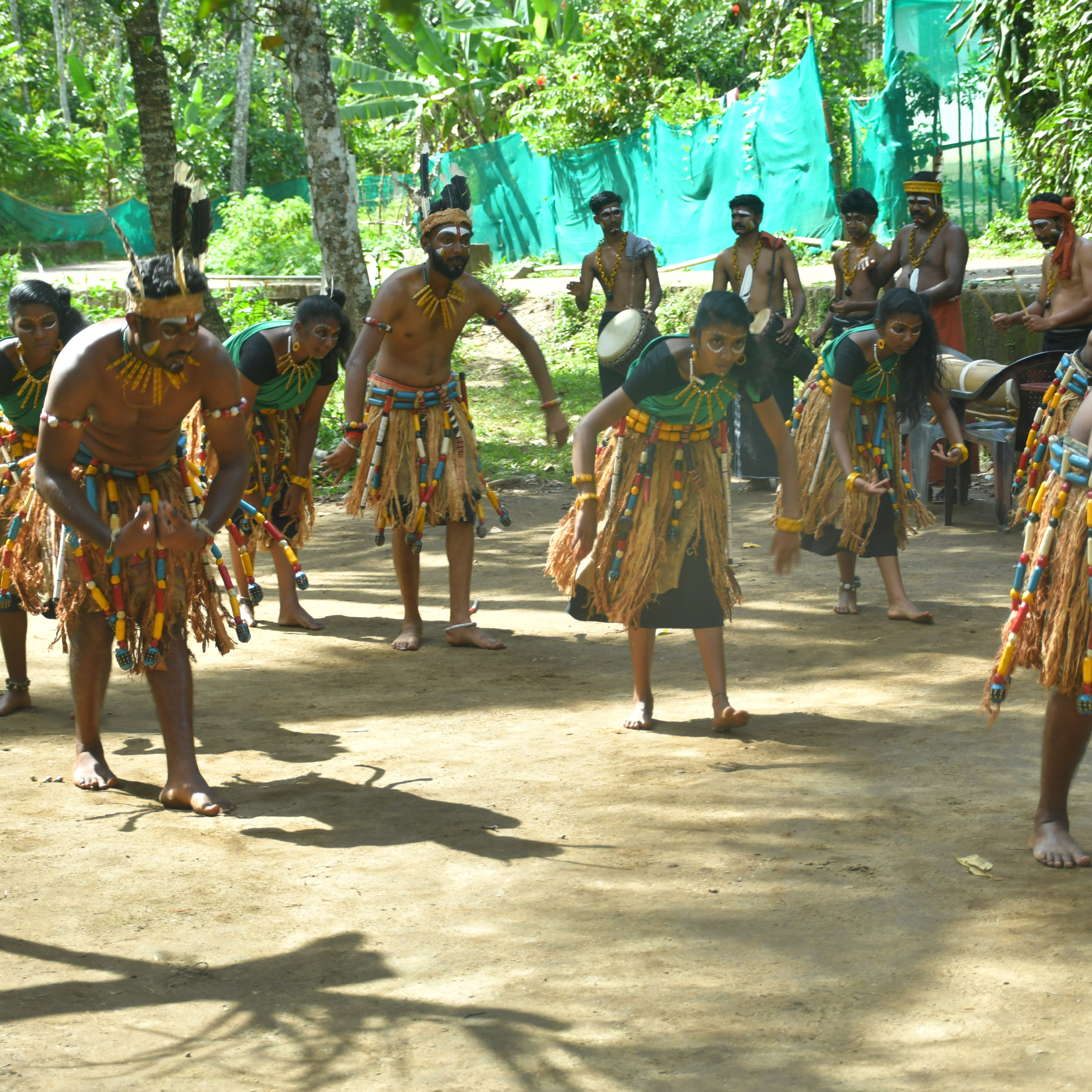
Paliya Dance is an integral part of the culture and religious customs of the Paliyan tribe, known for being distinctive not only from its music and instruments but also its costumes, jewellery, and ornamentations. Everything – the costume, the adornments, the ornaments, for this dance has been planned with great care to depict the wild and organic lifestyle of the Paliyan tribe and their ancestry. Buffalo and Paliyan Dancers dress They wear 17 All the clothes and ornaments made with in Paliyan dancers: when such traditional dresses are seen it is a pride of every performer Paliyan dancers dress him on the occasion of dance performances plenty Every Paliyan dancer wear his buffalo dress to perform dance, it is his specialty, it means.his buffalo dress brought from all these nooks of forest and it mix up with paliyan the touch with the dance to show their pride of their past down generations who were skilled in dance to their Paliyan ancestors as pride to their society his dance to dance to the fingers have some specialty, some means the same’s thing in their dress distinct difference and dress, then they The dresses in some way stand as symbol of Field learning, religious belief, and unity in community.
1.Costumes used in Paliya Dance: Natural and Traditional
The costumes used in Paliya Dance are handcrafted using natural elements such as tree barks, leaves and natural cloth. These dress made from the bark of tree called Acacia Instia (Kikar). This tree grows profusely in the Western Ghats and South India, particularly Tamil Nadu and the clothes produced from its bark can protect from cold and heat, and are environmentally friendly.
It is prepared of the bark by the Paliyan tribe in a peculiar manner. Initially the tree's bark is dried, then softened allowing it to be worn as clothes. This bark has the color of rusty brown or light yellow and this colour compliments the forest environment and symbolises the close relationship of Paliyans with this forest.
Costume Features:
- Weaving Style: Dancers weave their own clothing using natural fibres; strips of bark are sewn together to achieve it. This classical style not only adds a durable structure to the costumes but it also creates a unique beauty.
- Colour: Fill of the costumes are normal NO chemical colour are executed in material. The original color of bark is taken, expresses in brown, yellow and light green. These colors mix with the natural as the dance takes place and as this occurs the performers appear as if they are part of nature.
- Figure: Dancers maintain loose, comfortable costumes so they can move during the dance. The men put on a lungi-like article on the waist, and the women are full-clothed owing to their customs and religious standings.
2. Jewellery: Natural metals and elements of the forest
In Paliya dance, the musicians and dancers, not only put on customary clothes but also unique jewellery. These are also predominantly natural materials to make the jewellery. Stuff scavenged from the forest — stones, seeds, leaves, some metals — is used in creating the jewellery.
Main ornaments:
- Necklace: Around their neck the dancers carry a necklace with seeds and tiny bones. This necklace is made of a variety of seeds that are threaded through a string. The pattern for its dimensions and its link is cast on the basis of local customs.
- Ear ornaments: Paliyan dancers wear large earrings made of stones or wood. These earrings are part of their traditional symbols and are considered important from religious and cultural point of view.
- Hand and foot jewelry – On the hands the performer will often wear wooden or metal bangles, and on the feet will be rings of bells (ghunghroos or chilanka), attached to the clothing or tied around the ankles to emphasize the rhythm. During the dance, Chilanka sets the rhythm which is followed to keep the pace of music and movement. These bangles and chilanka bring liveliness in each step of the dance and create vibes on performance.
Special items worn during the dance
Along with the Paliya dance, dancers also carry some specific items on them, which are associated with their religious and cultural standpoint. The most abundant clothing and objects are:
Small drums/cymbals: A few dancers use small drums or cymbals in the dance, which are secured to their bodies during the movement. "This was the drum for the beats during the dance and to maintain the rhythm.
Paliya dance is worked by men and women who dress in traditional outfits rich in cultural and religious aspects. Costumes Men and Women are differentiated to represent their societal and traditional setting. Both are clothed with costumes of simple and natural design made of natural material.
Men's costume:
Dress: The costume of the Thaplang Lasa is a kind of lungi made of the bast of the Acacia Instia * worn round the waist (naiba). The tunic was hand woven the traditional way which makes it very comfortable and light, which they can move around more easily for dancing.
The lungi or dhotis aren't dyed at all and are of the natural colour, which is light yellow or brown.
Sometimes the male dancers dance topless to symbolize their natural strength and courage. During certain feasts or religious celebrations the men wear shawls of leaves or bark on their bodies.
Ornaments: The men adorn themselves by wearing necklaces of natural seeds and leaves. This necklace symbolizes beauty, and holds a religious meaning as it is constructed from sacred seeds and tree parts of the jungle.
The hands and feet are ornamented with bangles or bracelets of wood and seeds, and less frequently of stone. These ornaments are tuned to play along with certain rhythm and beat of the dance for each part of the body.
Ghungroos Or Chilanka are tied on the feet which make a jingling sound as they dance. The Chilanka sound of the anklets create a better and rhythmic background to the dance.
Makeup Male characters embellish their faces with natural hues. They paint stripes or religious marks on their faces with dyes obtained from clay, charcoal or tree bark. This makeup enables them to become gods and goddesses and elevates their orrery dance to a more celestial plane.
Women's Dress:
Apparel: The women appear from head to toe in the finest coconut clothes, thus resembling gods of their ancestral myth and religion. Their clothing is also of the bark of the Acacia Instia, but of a more complex and figured description than that of the men.
Women typically don a sari-like gown that is wrapped around the body. This sari is woven from strips of bark, then woven in the traditional manner to create a sari.
Jewelry: And, just like women wear necks around their necks, women also wear necks but a little bit more elegant, containing seeds, leaves and sometimes they are natural metals.
The women wear wooden and stone earrings in their ears, large and heavy. The earrings show their traditional beauty and community identity. Women have bangles on their arms, some are wooden and others are leaves or little stones. Each move plates in this dance makes a particular rhythm with the move and these bangles enhance that rhythm of his steps. Women also wear chilanka around their anklet, which further increases the rhythm and beat of their dance. The chilanka sound further enlivens and activates the dance art of women.
Makeup: Women apply natural colors to their faces. Their faces are painted with red, white and black stripes, as well as religious symbols. Their eyes are adourd on with Kajal or charcoal, it improves the intensiveness of their eyes.
Contemporary Relevance of Paliya Dance
The Pertinence of the Paliya Dance is the Present Scenario It relates to several significant aspects of day-to-day life in the present scenario. And this dancing not only continues as an older style of Art, but has grown to become a relevant force used as contemporary forms of cultural identity, social integration, and environmental preservation.
Cultural Identity and Heritage
Paliya dance is a vital aspect of the heritage of the Paliyan. This dance is central to their rituals, religion and way of life. Now, in this day and age, where globalization and modernism are the driving forces for people, this dance remains a bridge for the younger generation to continue understanding and to remain connected with their culture. Recently many young people have been trying to bring their culture into mainstream by bringing this dance into the limelight. This dance is showcased in village fairs, festivals, and cultural events and fosters self-pride in people in terms of cultural publicity.
Social Integration and Community Development
Paliya dance is performed in community festivals and functions, which promotes social integration among the local people. This dance is not just a performance of art, but it is a collective experience, in which people dance, sing and celebrate their culture together.
Message of Environmental Conservation
Paliya dance is predominantly an embodiment of love for the nature and surrounding. Like their dance, Paliyan’s have always been sensitive to their resources. This dance, in this day and age when there are growing environmental problems, can become a means of awareness. The dancers worship the nature such as trees, plants, water, animals while performing, that is a chance to arouse the environmental protection consciousness of the audience.
Recognition on the Contemporary Art Platform
Paliya dance is being performed even today on the several Modern Art platforms (Dance Drama,Base, Institute, Cultural Festival etc.). The popularity of this dance is not confined to art lovers but is an effective way to propagate the culture of the Paliyan tribe on a large scale.
So, the Paliya dance is not merely a folk dance; it reflects the cultural identity, social cohesion, and environmental conservation of the modern society. Its significance has grown even more in the contemporary context, and this dance is indeed inspiring not just for the Paliyan Tribe but also for every humankind.
For a deeper understanding of the present relevance of Paliya dance, we could elaborate on the following:
Education and Awareness
Attempts are underway to introduce Paliya dance and other muchava dances in schools in which they can be imparted educationally as an art form and in context as a cultural subject. Students receive information about its technique, history and cultural relevance. The dance is a valuable vehicle for encouraging inventiveness and co-operation from students. Different workshops and seminars are conducted in which young artist gets a chance to share their experiences. With this, not only they will be recognized from their art but they will be able to conserve the culture heritage of their community.
Promotion of the Dance
Encouragement of Paliya dance This is a very important means for the protection and development of Paliya dance. To popularize it not only in the local and wider population, the campaign is continuing in many forms. Following is detailed discussion of the different modes of popularising the dance:
1. Education and Training Institutes
Several educational, literary and cultural institutions have introduced special classes/workshop for Paliya dance. Young artists learn the nuances and details of this dance form. These institutes also actively involve in promoting the traditional Paliya dance, its music and instrument and its historic background.
2. Social media and digital platforms
With the social media trends today, this have served a purpose of promoting the dance. Paliya dance videos, live shows, and other type of content is uploaded on Facebook, Instagram, and YouTube by people. It is making the dance gain more popularity among the new generation. Plenty of artists share similar testimonies via their own channels, it’s just theirs gets out there It reaches millions more, so messed up.
3. Documentaries and television shows
Documentaries and television shows on Paliya dance are also very useful in promoting the dance. Both films offer more than just the mechanics of the dance, delving into the history and culture of the dance. Television and Dance Competitions The fact that Paliya dance features in dance competitions on television, as well as in art programs, means that it is more widely heard of.
4. Research and academic work
Paliya dance itself is under research by many scholars and academic institutions. It's a way to get more into the dance -- and that's nice for the dance as a whole -- as well as draw attention to how important it is in society. Adams Research papers, books and articles also give dance authentic longevity from an intellectual perspective.
Conclusion
Paliya dance forms a part of the social and traditional life of the Palayan tribe. This dance is not just for entertainment only but a form of their faith, traditions and religious beliefs for the Palayan tribe. They inhabit the forests of the Western Ghats of Tamil Nadu and Kerala and their life is closely associated with nature and forest. The social background of the Palayan tribe is very colourful and varied in which dances have a particular place. The Paliya dance conveys several emotions, tradition and ideas in which manner the community articulate its cultural specificity.
Cultural Significance Paliya dance is culturally associated to the religious and social traditions of this tribe. The dance is performed in several religious festivals and rituals in which for some festivals like the following community dedicating it to their gods. And through dance they are maintaining their tradition for their ancestors and making the new generation know their culture. According to their religious belief the Paliya people perform this dance to have the blessings of the gods and goddesses and thus they want the happiness, prosperity and relief from the nature's fury.
Paliya dance is not just confined to their religious functions, but forms an integral part of their social life. Dancing eventually becomes a medium through which the Palayan converses, communicates and expresses his/as well her thoughts and feelings, and through this dance ( dandia) demonstrates his own social identity and a collective Israeli sense of belonging. The different dance forms of Bards represent their lives and strong attachment with nature.
Paliya is a dance performed in a group and each dancer has to play a specific role. An outlaw dance, each group of dancers tell different stories in a dance through their facial expressions and movements of their body. This is a dance form where precision and coordination are essential as these are the medium through which the dancers convey thoughts and emotions and represent their cultural heritage.
Tala and laya play significant part in the technique of the dance and the dancer dances to the accompaniment of various musical instruments. The dance consists of several steps, as the dancers try to tell stories, dramatically as well as in visuals. Other than that, this dance actually observes some kind of discipline and rules in traditional, and the practice has been handed down by the Palayan generations.
Instruments Music instrument: Musical instruments that plays in the Paliya dance makes the dance more lively. These are old tools that have been used from one generation to another. Four of the principal musical instruments are:
- Mulamvadiyam – A bamboo instrument, it helps to maintain the beat and tempo of the dance.
- Nagada: "Drum played in traditional form at festivals and religious functions. Its beats contribute to the momentum of the dance.
- Urumi : A unique bunch of drums, which is used for making sound effects.
- Udukku: A drum, which is beaten to keep rhythm of the dance.
- Chilanka: Dancers wear bells on their feet that add to the rhythm of the dance.
These instruments make Paliya dance a musical carnival, as dancers and musicians showcase their art together.
Dress: The cloth dress with jewelry of the Paliya dance adds more uniqueness to the dance. The male and female dancers are wearing different types of clothing that are representative of their culture.
Costumes for men: Male dancers prefer to wear traditional lungi because it is comfortable and allows free movement. Also, they have shirts on and a headband, which brings even more life to the dance. Men wear earrings and wristlets as well.
Women’s Dress: Female dancers appear in bright and beautiful attire. They also wear a long kurti and a dupatta on their head / shoulder. They have earrings, armlets and leglets, which make them more beautiful.
In the present era, Paliya dance is being experimented in various ways for modern adaptation. It is being conserved and promoted as a tradition. The Palayan community and a number of cultural organizations, have now decided to hold special workshops where the younger generation would be taught Paliya dance, so that it survives.
Further, Palya dance is performed in the festivals held at local and national level, as a result of which it is saved from extinction and more and more people have become aware of it. Social media and digital platforms are also spreading the dance further and faster.
The Paliya dance is being kept and reclaimed by the local people and NGOs, government bodies etc. The dance is being captured in a variety of film and print formats, attempting to preserve it for generations to come. Art exhibitions, cultural festivals and workshops are also being arranged to popularize the dance.
Preserving and propagating Paliya has not just been about sustaining cultural tradition, it is also about ensuring social and cultural cohesiveness among the Palayan. This dance when performed in the city and elsewhere will not only bind the Palayan community but will also make others realize the value of this cultural heritage.
The Paliya Dance is an illustration of the rich cultural and religious values of the Palayan tribe. The Palayanos sustain their cultural identity and tradition by attainting to dance. Their religious sentiment, social solidarity and commitment to their culture is vividly reflected in different aspects of the dance.
Today, the attempt being made to extend the life of and respond musically and lyrically to play rather matches the dance of the piece. Should then the preservation and promotion measures continue, the Paliya dance could be expected to remain as a Palayan tribe cultural heritage and be valued by the public.