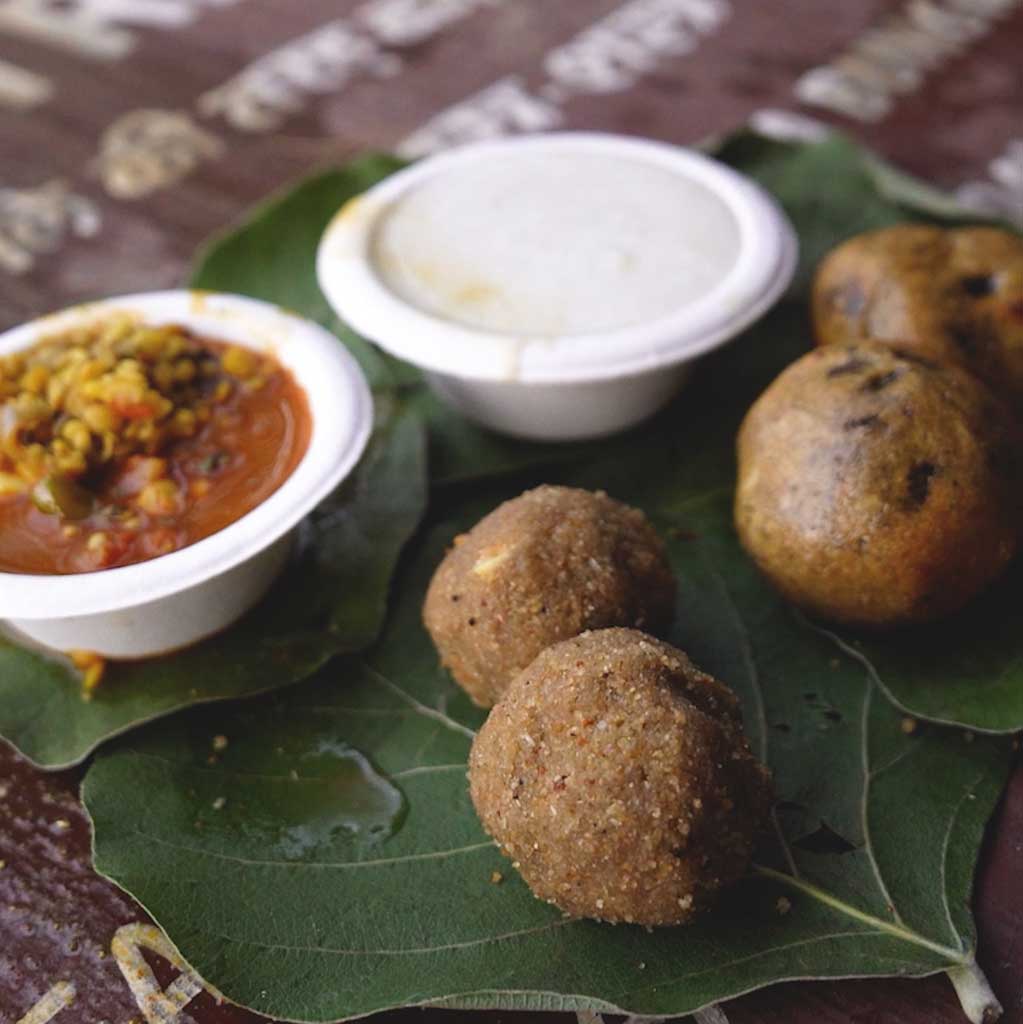


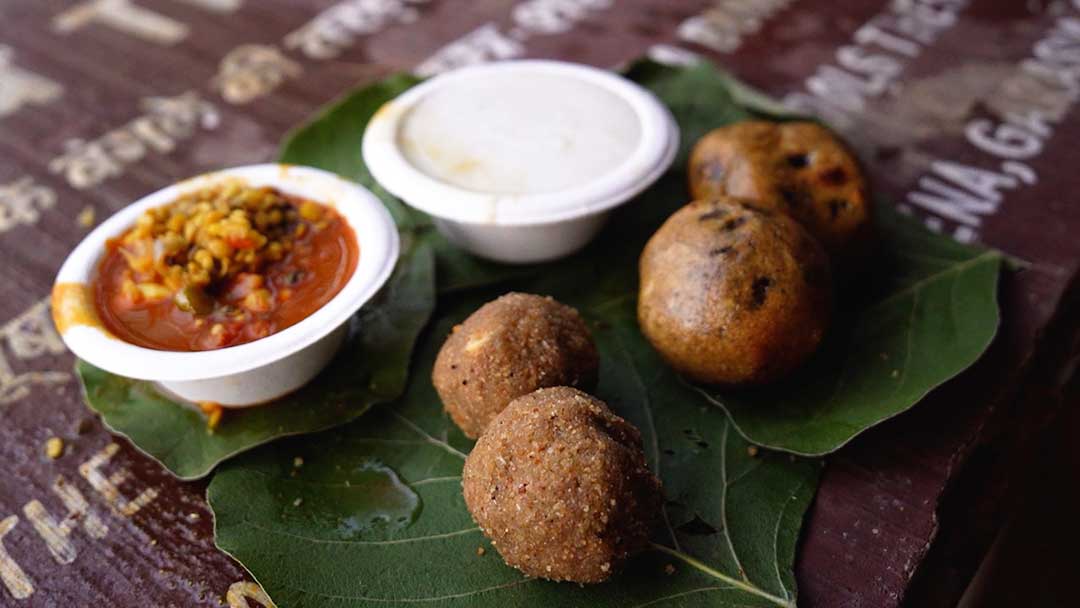
DAAL BAATI CHURMA RAABDI
This advanced course provides an in-depth exploration of Daal-Baati-Churma and Raabdi, focusing on its historical origins, cultural significance, regional variations, and modern adaptations in Rajasthani cuisine. Students will engage in hands-on ingredient preparation, learn traditional and innovative serving styles, and understand the nutritional benefits of each component. Ideal for those looking to deepen culinary skills and cultural knowledge.
 Most Viewed

What you'll learn
- Origins of Daal-Baati-Churma : Understand its historical and cultural background
- Regional Variations : Learn unique twists and adaptations across regions.
- Ingredients and Preparation : Master authentic ingredients and preparation methods.
- Nutritional Benefits : Discover the health benefits of each component.
- Serving Techniques : Explore traditional and modern serving styles.
- Modern Adaptations : Experiment with contemporary twists on the classic recipe.
- Hands-On Practice : Develop skills in ingredient selection and cooking techniques.
Couse Features:
- Detailed Modules : Step-by-step guidance from origins to modern variations
- Expert Instruction : Led by culinary experts with insights into regional cuisine.
- Hands-On Practice : Ingredient preparation and cooking exercises.
- Interactive Activities : Group activities and discussions to deepen understanding.
- Nutritional Analysis : Information on health benefits of each dish component.
- Modern Twists : Explore creative and innovative recipe adaptations.
- Final Assessment : Practical cooking and presentation assessment.
Who Should Enroll
- Culinary professionals interested in regional Indian cuisine and techniques.
- Food historians exploring traditional Indian dishes and their origins.
- Health-conscious individuals seeking nutritious Rajasthani recipes.
- Rajasthani culture enthusiasts wanting an immersive experience in regional foods.
- Advanced home chefs aiming to expand their culinary repertoire.
- Individuals passionate about cultural food presentations.
- Food bloggers seeking authentic Rajasthani cuisine insights.
Description
DAAL BAATI CHURMA RAABDI
Objectives
To know the taste, process and culture of these racy Rajasthan recipes are educated through the advance course of Daal Baati Churma Raabdi. Cuisine will focus on how the food is prepared, ingredients, and served along with its cultural importance and varieties.
Now let us learn about the significance of Daal Baati Churma:
- Daal Baati Churma is a classic Rajasthani recipe,one of the most popular dish of the Rajasthani households. It is very much liked in rural and urban regions of Rajasthan and it is made especially on festive and occasional days and family get togethers. Let us know about it:
- Traditional relevance: Daal Baati Churma is a representation of Rajasthan’s glorious tradition. It is the signature dish of all Households of Rajasthani’s created with love during festive Occasions.
- Cultural symbol: For Rajasthan, the daal baati churma represents the customary culture in Rajasthan and its special flavors and way of cooking. It's dish that is symbolic of the hospitality and opulence of Rajasthan.
- Taste and Nutrition: Good taste and good quality of nutrition-daal baati churma is famous for a reason! The crunchy Baati, hot spicy Daal sauce and sweet Churma make a complete yet delicious meal.
Now let us understand what is its place in Rajasthani cuisine?
- Rajasthani cuisine is such rich and has a very wide variety of dishes and Daal Baati Churma is one of them.
- Daal Bati Churma is the quintessential Rajasthani food. It’s an item in the classic Rajasthani thali and makes a dining experience hearty.
- This is a special occasion dish it is made with lots of love zest during festive seasons (Diwali, Holi etc.), weddings, or any other Indian Traditional Festival's.
- Nowadays, Daal Baati Churma is enjoyed not only in Rajasthan but all over India. It is served at restaurants and special canteens as well, thus the dish is locally very popular and widely eaten. Also, the innovative fusion Daal, Baati, Churma with Raabdi is surely becoming popular.
- This post will serve as an introduction for you to comprehend the historical/cultural/social impacts of Daal Baati Churma and add a context in which it has managed to secure a special place in rajasthani gastronomy.
History of Bhil Tribe
Being closely linked with Rajasthan, this tribe is said to be one of the ancient tribes of the state. Its history is integrally connected with the cultural and social history of Rajasthan.[2] The Bhils of Rajasthan are the second-largest tribes in Rajasthan and they are found mainly in the hilly and forested areas of Rajasthan and the Aravalli range. Those regions insulated them from outside influence for centuries. Bhils are mostly concentrated in Banswara, Dungarpur, Pratapgarh, Chittorgarh and Udaipur districts. COMPARATIVE STUDY Background of the Bhil The Bhil is one of the oldest tribe of Rajasthan, known for their freedom loving, self-sufficient and extremely casual attitude towards the established institutions. They resisted domination by the rulers and they affirmed their separate culture. The Bhils had more sway than Rajput and their society was organised on its own judicial system.Gavari dance and Bhil painting are particularly well known lore found in the Bhil society. The cost of their language is dependent on Gujarati and Rajasthani. Rituals such as Arpan (oblation to ancestors) and Mrityubhoj are culturally and religiously significant among the Bhil community. In these celebrations, traditional food such as Daal-Baati churma and Raabdi hold a special place. Let's get into what these foods represent during these seasons.
Importance of Daal-Baati Churma and Raabdi in Tarpan
Offering of Daal-Baati Churma at the time of Tarpan since ancient time to address hungry soul of ancestors. It is thought that feeding this food to the ancestors, they are appeased and bestow blessings on the family.On every occasion right from birth till death Bhil of jaounsar call their community members and celebrate their birth, sagai and Marriage. The Bhil on the birth of a child also prepared Daal, Bati, Churma, went to every man’s house in the village and called for Aarti, and Namkaran Anushthan.Except for this no other Agni-Kare, transformation etc. Even the people of the community can be called to a feast after Tarpan. Feeding Every one equally here its counselor equal and shares brotherhood in society. Unadulterated, Pure and Indigenous Ingredients in Bhil Food The Bhil tribe use unadulterated pure indigenous ingredients in their food too.From here we think that the tradition of Daal-Baati Churma and Raabdi got propagated among the various groups of people in Rajasthan and today it has become popular across the globe.Baati, too, has an amazing story. Rajput People The kneaded dough used to be left buried in the sand when the prayer for going to war is given by the Rajput people. When the men came back from the war, the dough buried in the sand would be baked by the sulphurous sun. So, they would then remove these roasted Baatis and consume it applying ghee on it. This Baati was not just tasty, but also accompanied by goat or camel milk curd or buttermilk.
History of Panchmel Daal
The history of how Panchmel Daal came about is also interesting. When the traders of the Gupta Empire settled in Mewar. Possibly from then the combination of Daal and Baati became popular. Panchmel Daal Simple and nutritious combination of five pulses sautéed with cumin, cloves, dry red chillies and other spices. Is healthful too Delicious Daal, this one. It used to be one of the preferred cuisines in the royal court of the Gupta empire.In this module, the significance of Daal-Baati-Churma in Rajasthani cuisine. Not only it is a favourite dish but also a representation of Rajasthan's culture and celebrations! It tells the story of the people residing and their history.Background: Next we will learn about Daal-Baati-Churma's history, about the history of Daal-baati-churma and the rise of Dal-Baati Churma. In addition to this, we will learn the cultural value and tradition. This knowledge will inform us more about the cultural history and social relevance of this favorite meal.
Here we will learn about the history of Daal-Baati-Churma-Raabdi
So let's start with the origin and historical background
Daal-BaatiChurma is among the many popular foods of Rajasthan, a state of India, that has held regal sway for many centuri. This dish is the face of Rajasthan delicacies and it is considered to be originated from the rural Rajasthan. The recipe and spices used to make Gatte are rich and overtly related to the history and culture of Rajasthan.Daal Baati Churma Raabdi is a typically traditional and delicious dish from Rajasthan that has a very interesting history. These food items are connected to wider tradition, with their origins, cultural importance, and historical context.
1. Now know about the history of Daal Baati
The number one dish of Rajasthan is Daal Baati and is thought to have belonged to Rajput or rural areas since ancient times. Daal and Baati sind beides Bestandteile der indischen Küche seit uralten Zeiten. There is Daal served in it though that Daal is not only consists of single lentil but made up of all types of pulse such as masoor Daal, chana Daal, tuvar Daal, urad Daal etc. The Baati is of round shape cooked in furnace and in the hinterland the Baati is baked on Kandas (Chhans).Daal Baati aadn its history is linked with the royal kitchens of the Rajputana. This food was developed when people were forced to sit in the battlefield for long periods of time and required a long meal. Cooking in the furnace elevated the taste of the Baati and could be kept safe for several days.
2. Now know the history of Churma
Churma is integral to the very popular Daal Baati and is also widely adored in the traditional Rajasthani cuisine. Churma is essentially made of powdered Baati, mixed with an assortment of ghee, sugar, jaggery and dry fruits.Churma has origin in as well as related to Rajput Food. This is a recipe from a time when food was required to last a long time on long voyages. Invigorating ingredients and the type of churma was also useful for Travellers.
3. Now know the story of Raabdi
The tradition of Raabdi has a long history of association with the folk lore and customs of Rajasthan and Haryana. It isn’t a new drink, but it has been central to local life for centuries. Raabdi is prepared using traditional methods that have been passed down since ancient times.Raabdi is very useful during summer. It is freshness and vigor, and it cools the body, to drink it. The first time he tastes Raabdi someone savours its coolness and taste.
What is Daal-Baati-Churma-Raabdi Cultural Significance and Traditions
Daal-Baati-Churma-Raabdi holds a very special recognition in Rajasthani Traditional Food. This is a special item in festival or marriage or season. This dish is prepared exclusively by the tribal community during Raati Jagran of ancestors, offerings made to deities in Navratri and during Bolma period.Daal-Baati-Churma is served on special occasions and festivals. The belief and tradition of taking the Jangliya sherbet is an element of the health practices and life styles of the people in Rajasthan.Daal Baati Churma is a prominent and tasty recipe of Rajasthan, which is not just popular for its taste and flavors, but the history related to this makes it quite significant. Very famous in the rural as well as urban parts of Rajasthan. This dish forms a part of Rajasthani cuisine and is a specialty of the state of Rajasthan in the India. Let's find out more about itFamily and Social Unity Daal Baati Churma is not only a food item but is a social and family unity. Wherever there is a festive, like marriage or party, there is this dish. It’s not just a meal, it’s a process, an activity of the family. This tradition of partaking Daal Baati Churma has bound the social fabric in rural and the urban areas of Rajasthan. Even young members of family are made to sit down and do the preparations with others, and all festivals the family cook it all together. This is not only a primitive cookery method but also an occasion for mutual talk and happiness. Beside this, people who reunite while sitting to enjoy the meal together also present their typical stories, songs, and dances there and contribute in strengthening their relationship at the times of Daal Baati Churma. All of that combined is what makes Daal Baati Churma not just a meal but a cultural legacy passed on from generation to generation for the family and an entire community.Festive Fare: Daal Baati Churma is quintessential festival food in the state of Rajasthan. It is customary to make it during Diwali and Holi and Teej. It is the best of all songs to share joy among people as it symbolizes celebration. In Rajasthan Daal Baati Churma is a specially prepared delicacy during festivals, with their traditional way of preparation. In Diwali, it is considered as greeting for a family and in Holi it is eaten with colors. It’s not just all of this tradition that makes this dish special, it’s also a symbol of community bonding too. Daal Baati Churma recipe varies across Rajasthan, which has contributed to variety in Rajasthani cuisine. Therefore, Daal Baati Churma is not a food, but a cultural festivity, a tradition, that gets people sit together.Regionalism and identity: Daal Baati Churma is a cultural symbol for the Rajasthani’s. It is part of the local sense of self and the Rajasthani meal is not one without it. Significance – Daal Baati Churma It cannot be denied that Daal Baati Churma has a great impact on the cultural identity of Rajasthan. The locals, are proud to present this dish to their guests, and that only enhances it. Moreover, the recipe and preparation of Daal Baati Churma vary from place to place. For example, the spices and lentils of the region add their own flavour. Infact Daal Baati Churma has various other names in all other states like "Baati Churma" This demonstrates the dish’s popularity in various regions — and how this dish crosses cultural boundaries.Healthy and Nutritious: Daal Baati Churma is tasty and healthy like other traditional Indian foods. Lentils are a source of both protein and fiber and thus very healthy. In India, lentils are a main source of protein in a mostly vegetarian diet. There are various Daals in Daal Baati Churma, like moong, tur and chana Daal, that are rich in proteins, vitamins and minerals that are very important for the body. Also, the wheat in Bathi is a good source of energy, jaggery in the Churma provides natural sweet taste and is energising for body. This is what also makes Daal Baati Churma very healthy and not just delicious. On top of all that, the method of cooking up this dish aids in retaining its nutrition, so it's a balanced meal too.Artistic Presentation: Presentation of serve art Daal Baati Churma is also unique. It is often served in a Thali, with Daal, Baati and Churma kept side by side. It’s a charming vista that adds to the dining experience. There should be a certain presentation side to Indian food. Daal Baati Churma is decorated with colourful chutneys, onions and green chilies, which makes it appetizing as well as good looking. Additionally, they garnish it generously vwith fresh ghee which adds up to the flavor. Being served saag on a Rajasthani thali is not just a food experience, but also a window to the richness and variety of Indian culture. So the serving of Daal Baati Churma is not just about eating – it is every bite is associated with the cultural experience.Daal Baati Churma is more than food, it is the food staple of Rajasthan! It enables us to not just taste the plethora of Rajasthani food but to understand the traditions and culture associated with it. It is instrumental in maintaining family ties and is a symbol of social solidarity. Milli-Juli Sabzis Colorful mixed vegetables, bejewelled with velvety paneer balls to make a Toung Tvacha ka- Swasthya Khana (Yes, that’s right don’t give me a hard time) followed by Harira Amla Reetha Shampoo wale Chawal, which can only mean Choli ke Peechhe kya Hai. I have eaten in the Choki Dhani or at the local Dhani; you may call it what you will, have stayed in ancient Havelis, eaten in Modern Home; feasted on Daal Baati at a Dhaba and even in a school; Rajasthan is a dream turned real, every single page, baithak, Shaam, Breakfast and Swiggy is a magnificent testimony to our rich rajasthani sabhyata.
Cultural significance of Raabdi
Raabdi (also known as raab) a local food of Rajasthan and Haryana that represents culture. It’s not just a dish; it’s an emblem for family and community togetherness. It is a specially prepared on occasions like festivals and celebrations that force people to have a get together to strengthen family relations.Raabdi is also served on festivals, in summer seasons like Holi and Dipawali; Iis a favoured food. It’s who we are and what we do around here; it represents the culture in the area. The buttermilk, curd and millet/maize porridge used in it makes Raabdi a wholesome and a balanced meal.The serving of Raabdi also makes it culturally interesting; it is served in a pot of clay. Its various forms, like Khaate ki Raabdi and Chhachh ki Raabdi, contribute to its diversity and regional practices. Raabdi isn’t just a dish, it is a culture heritage and connects family relations of Rajasthan and Haryana.In this module, we also learned about the significance of Daal-Baati-Churma and its distinct place in Rajasthani food. Not as a simple recipe but even in the traditional purity customs of Rajasthan we find it as an emblem of Rajasthan’s cultural and festive occasions; interpreting the native life culture of Rajasthan.In the upcoming module we will learn about the history and origin of Daal Baati Churma and its historical background as well as knowing its culture and traditions. This data will help inform our understanding of the cultural significance and social impact of this well-known dish.
Regional Variations and Influences
This Daal Baati Churma has been variously interpreted and influenced in the various regions from Rajasthan to Madhya Pradesh, Gujarat and Uttar Pradesh. Whereas this dish is an essential of the kitchens of several groups of the native tribes of Rajasthan, it varies in terms of taste, preparation and serving in different parts of the region.
Rajasthan:
Daal Baati Churma The most popular daal baati churma is the classic version from Rajasthan. It is specially prepared here during festivals, marriage and celebration. My husband is a Bhil by caste, and in our house, baati is cooked on Kandas (Chaans) and then dipped in ghee. In Daal, Panchmel Daal (five pulses combination) is used which is so tasty and nutritious. Daal The Bhil tribe prepare Daal from a mixture of chana Daal and urad Daal. The churma is made by crushing the baati with the ghee and jaggery/sugar that comes stuffed inside the baati that is so sweet. HistoryThere is also the tradition of making churma laddu.
Madhya Pradesh (Malwa region):
A similar-looking variation– but a Daal baati in a different way– is also made in Malwa (Madhya Pradesh). Here, rather than making the baati in ghee, it is occasionally also baked slow on coal in a tandoor. In the Malwa region, churma is replaced with plain baati which is served with Tur daal.Daigon, sult and churma are served along withKhichdi and are also used as sweet dish of Malwa. The Daal too is plain, with more use of tuar (arhar) or moong Daal.
Gujarat:
In Gujarat Daal Baati is known by the name of one of the favorite dish of the Rajasthani and Malvi cuisines, but Gujarat Daal Baati also has the spices and flavors of its own. Baati is usually grilled on embers, but bafla is always baked in a tandoor or oven. Daal is prepared less spicy and sweetened mildly, it’s again Gujarati food speciality. Folks here love the sour-sweet.
Maharashtra (Vidarbha and Khandesh):
Daal Baati Churma An exclusive version of Daal Baati Churma is also prevalent in Vidarbha and Khandesh regions of Maharashtra. Here Baati is occasionally boiled or baked in a skillet in place of baked in a tandoor. Daal is lightly spiced and made with moong or gram lentils. Sometimes sugar mixed with coconut is preferred over churma. It is also prepared as a special dish on occasions like festivals in Maharashtra.
Uttar Pradesh (Braj region):
Daal Baati Churma is an adopted favourite in Braj region on account of Rajasthani influence. It's a special occasion thing. The Baati is a bit salty and spicy with less spicy Daal. Churma is sometimes not used as a dish to eat separately but when the baati is being eaten there is so much baati that some of it is pounded to make churma and folks eat it by mixing it with Daal and baati.
Influence:
Daal Baati Churma is deeply rooted in local culture till the extent of regionality. It is a dish for eating, as well as for representing cultural exchange, solidarity, tradition and people togetherness. Local versions of this preparation vary based on taste and ingredients, but the principle is the same: to offer the diner a healthful and palatable meal that sustains his or her strength in winter, in summer, in ‘’desert and no desert’’.Therefore, each area variation of Daal Baati Churma has developed based in climate, lifestyle and culture of area . Whether it’s the ghee-drenched Baati of Rajasthan, or the humbler yet delicious Baati of Malwa, every land has a unique recognition connected with this preparation.Discourse is being carried out on Raabdi, and a look at the preparations and regional varieties of Raabdi leaves no doubt in our minds that it is not just a dish served down the ages, but include a significant part of the regional culture and lifestyle too, attached with each of the region. It has accommodated the climate and the ingredients of the routine diet in those several places, and that makes it culture bound.Speciality of Rajasthan is Bajra/Maize Rabadi. Millet (baajra/ maize) is something that is used in the food here. Traditionally for preparing Rabadi, millet flour is soaked in buttermilk and then cooked. It is a perfect drink to beat the heat in summer. As it is a hot and dry area of Rajasthan, people drink such beverages to cool their body, save themselves from heat. Ingredient Spotlight – Millet Millet Rabadi – Bajra Rabadi #Benefits of Eating Millet Below given is the recipe of with step by step. instructions. Millet is a coarse grain with fibrous husk which is commonly used as food staple. Butter milk by the tribal is used to prepare maize porridge.The Haryana version is known as jau ki rabadi, and is prepared using barley flour combined with buttermilk. Barley and buttermilk are an essential part of their agricultural legacy for Haryana. This Rabadi is also consumed in hot season, it gives cools and energy to the body. In these villae the drink of Rabadi is believed to be a great source of energy by the laboring population. Besides, it is also good for the stomach. Barley flour is high in fiber and protein, which feeds the body.In Maharashtra and in Karnataka certain areas have special form of raabdi that is served as a cold drink in summers. The Raabdi that is made here consists of the local stuff naadis (fingers of sugar cane), processed with either bajra, jar or saudana making for a cool drink. This Raabdi is light on stomach and very easy digest, which tastes different from that of other places.The different types of Raabdi differ in not just their taste and texture, but also in their cultural and health interpretation. But in each area, Raabdi leaves are used for a different purpose, at times to cool the body in summers.History of Daal-Baati-Churma - Throughout this module, we have been exploring about the origin and little history of the history of Daal-Baati-Churma. We learnt its cultural importance, its tradition and what all makes this delicacy a part of the treasure of a rich state, Rajasthan. The dish becomes the social as well as festive meal.
Ingredients for Daal Baati Churma-Raabdi
First, let us know about the ingredients and preparation of Daal
- Let us identify the main daal (masoor Daal, chana Daal etc.)
- Masoor Daal: Red lentil is a good source of protein and fiber.
- Chana Daal: Yellow lentil is sweet in taste and has high content of protein.
- Urad Daal: Black lentil is also added in Daal Baati Churma.
- tur Daal or tur Daal: This Daal is yellow colored and is also served in Daal Baati Churma.
- In the Tribal Community, traditionally urad Daal is prepared by mixing chana Daal with it.
- And today we will know about daal recipe.
- To begin with, rinse the Daal properly and allow it to be soaked for some hours.
- Wash the Daal and pressure cooks the same with water, salt and masalas. Keep the Daal to cook for 3-4 whistles.
- The tribal community of Rajasthan traditionally make Daal in a handi.
- To Temper: Heat oil in a pan and prepare the tempering.Add cumin seeds, asafoetida, green chilies and tomatoes. And then add it in the already cooked Daal.
- How to serve: You can serve hot Daal with rice or Baati.
Now let's know the ingredients and preparation of Baati
- Here we have flour, oil and then the other things we'll need
- Its ingredients include: -
- Flour, the whole-wheat one, it is used to make Baati.
- Vinegar and salt: For an added flavor.
- Baking Powder
- The tribal community of Rajasthan does not use vinegar and baking powder.
- How to make Baati - We can make it of Gas Stove, Bhatti, Tandoor
- In Rajasthan's tribal society, Bhatti is made on Chulhood Kandas (Upal/Chhan) etc.
- Dough first: Combine flour, ghee, salt and water and keep knead soft dough.
- Make Baati: Create small balls of dough and make them round.
- Now how to cook Baati
- Arrange Baatis on Bhatti or Kandas and let them cook well.
Now let’s know about the ingredients and preparation of churma
- List of Ingredients needed for churma Recipe Notes and Tips for churma Recipe.
- Bhat (भात); Coarse flour used for churma.
- Sugar – For added sweetness.
- Nuts and dry fruits: For extra taste in churma
- Now how to make churma
- First, prepare the coarse flour: knead the flour until ball-like and ball-like.
- There, cook these balls in hearth or tandoor or kanda and smash it when cold.
- Mix with ghee and sugar: Now add cool Baati in a pan and mix well with ghee and sugar.
- But try garnishing it: Garnish the churma with nuts, if you like, or with more dry fruits, if you prefer.
- The tribal community of Rajasthan also prepare Churma laddus.
Now let’s know the ingredients and preparation of Raabdi
The raabdi can be made with other ingredients; millet or maize porridge and buttermilk, which also make it delicious and healthy too. So, let’s get to learn about some of the few important variants of Raabdi like – Rajasthani Raabdi, Khate ki Raabdi, Chhachh ki Raabdi, Kutedi Raabdi.
1. Rajasthani Raabdi
Rajasthani Raabdi recipe - Roasted Flour and Buttermilk soup that is quite refreshing and flavorful and one of the summer special traditional drinks from Rajasthan. This is a unique summer drink and excellent cooler during heatwave to stay cool and hydrated. Made from millet flour and curd, this Raabdi is a beverage that you simply cannot miss to have! You can have it as a chilled drink in summers and as a hot drink in winters. Maize porridge the tribal community prepares maize porridge by boiling it in a clay pot with buttermilk.
Ingredients:
- 2 1/2 teaspoons coarse millet flour or stone-ground cornmeal
- Salt as required
- 1 cup curd
- 1/4 teaspoon cumin seeds
- 3 1/2 cups water
For garnishing:
- • Cumin powder (roasted) (2 pinches)
Method:
Step 1: Prepare the curd-flour (Daalia) mixture and cook on low flame
To prepare for this tasty Rajasthani Raabdi, take a bhagona or handi and mix 2.5 cups of water and curd in it. Stir in the salt, cumin seeds and millet flour or cornmeal and whisk until smooth. Just ensure everything is smooth with no clumps. Now switch on the flame and put the handi on low to medium flame. Continue stirring the mixture for 6 to 7 minutes until it thickens.
Step 2: Check the consistency of the mixture and garnish with roasted cumin seeds
Once you notice that the mixture thickens, pour the remaining 1 cup of water and constantly stir well on low flame. Ensure that the bajra atta or makki ka Daaliya is well cooked and there is not any raw taste in it. Once it is thick, and you are happy with the consistency, turn off the gas and pour the Raabdi into a glass. Sprinkle some roasted cumin powder over it and relish! It is eaten as is by the tribal in Rajasthan in a bowl made from leaf of the khakhra tree or a dona.Tip: If you wish to have this Raabdi as a drink, then you can adjust the consistency of the raabdi by adding more water to make it thin. If you’d prefer it as a dip, then use less water to maintain the thickness.Rajasthani Raabdi- Refreshing and delicious cooling drink made with buttermilk and boondi- a summer drink from the state of Rajasthan Rajasthani Raabdi / Raab / Baati Raabdi is a very popular drink from the land of Rajasthan. Bajra flour has high fiber content which aids in digestion and prevents diseases like cancer. It is a drink that you should share with family and friends so everybody can appreciate it.
2. Khaate Ki Raabdi
- Ingredients:
- 200 gm Bajra flour or Makki ka Daliya
- 50 gm Moth flour
- 250 gm Buttermilk
- 5 litres lukewarm water
- Salt to taste
- Preparation:
- In a vessel take 200 gm Bajra flour and 50 gm Moth flour.
- Beat 250 gm Buttermilk in earthen pot with hand for 5 minutes.
- Then add 5 litres of lukewarm water to it.
- Keep this in the sun in the afternoon. By 5 pm it will ferment.
- Then, strain it through a piece of cloth and reserve the flour which is deposited at the bottom.
- Heat the drained water on fire and add salt to it.
- Once the water is boiled, add the reserved flour to the boiling water and cook for 2-4 minutes.
- Stir constantly with a wooden spoon or it will get lumpy. Remove when it bubbles up two -three times and turns slightly thick.
- In case Raabdi thickens up too much, pour in the buttermilk. The Raabdi is ready.
3. Buttermilk Raabdi
- Ingredients:
- 1 liter buttermilk
- 200 g millet flour or maize meal
- Salt to taste
- Preparation:
- Take 1 liter buttermilk in vessel, add 200 gm millet flour or porridge in it.
- Bring to the boil and stir slowly with a wooden spoon.
- Remove from fire when the plefilli radish mixture thickens and boils.
- Add salt to taste.
- If it's too thick, add cold buttermilk.
This Raabdi is particularly consumed in winters. It is eaten hot in the evening and in the morning, cold raabdi is mixed with curd and served with roti made of millet.
4. Kutedi Raabdi
- Ingredients:
- 1 liter buttermilk
- 200 grams whole millet
- Preparation:
- For the millet phase Soak: 200 g whole millet for 3 hours.
- Remove the water from the sieve and pound the millet in a mortar with a pestle.
- When the millet turns white and cracks open, crush, and pour into 1 liter of buttermilk.
- Bring it on fire and, stirring it gently with a wooden spoon.
- Once it thickens and boils, remove from the flame.
- Add salt according to taste. If it gets too thick, mix in ice cold buttermilk.
- This Raabdi is also consumed in winter season, in which hot raabdi is kept in the evening and then it is mixed with curd and taken with millet roti in the morning.
- In this session, you studied different parts of Daal-Baati-Churma. It comprises the recipe of daal, baati, churma and Raabdi. I even discovered some extra tips that make this dish taste incredible!
- In the next part, we will study the nutritional values of Daal like protein and vitamins. Moreover, we will talk about the health benefits of Baati, Churma and Raabdi (and the nutrients value from these dishes which are good for body) which are essential for a balanced diet.
Bonus Tips
And now a few bonus tips for how to make Daal, Baati and Churma:
Daal making tips
- Add soaked daal: To save time while cooking and add flavour too, soak for at least 30-60 mins.
- Add ghee: Add ghee when tempering, it makes daal much tastier.
- Turmeric and asafoetida: Don't forget tempering daal with turmeric and asafoetida, they facilitate digestion.
- Consistency in water: Ensure you have equal amount of water in your daal, it should be neither too thick nor too thin.
Baati making tips
- Knead the right dough: Knead the hard/thick dough for Baati to a slightly hard consistency, so that the Baati comes out fine and does not break apart.
- Dip in ghee: After baking your Baati just dip it in ghee, it will taste heavenly!
- Cooking method: Bake it in a low flame first, then on high flame so that inside of baati is also cooked properly.
- The tribal community of Rajasthan initially cooks the Baati on embers and then it is wrapped with ash out of a fireplace.
- Baking option -Pouting-In the winter, we can make Batti in the oven, it will result in less-oil and also be fattoush.
Tips for making Churma
- Crumble the Baati properly: Don’t mess with the Baati much for making Churma, it should be tasting good.
- Ghee and Sugar balance: Keep a balance in ghee and jaggery in your Churma, it should neither be too sweet or too ghee laden.
- Dry fruits: You can make Churma even healthier and tastier by mixing in some cashews, almonds and raisins to it.
- Cardamom Powder: Put little cardamom powder in the churma, it will be tastier.
- With this tip you can make your Daal-Baati-Churma taste yummier and tastier.
- So today we learned the types of lentils, and types of flour that you can use in preparing Daal, Baati, Churma Raabdi. And now we will talk about how to serve it.
Here we will learn about the ways to serve
Combination of Daal, Baati, Churma and Raabdi
- Daal Baati Churma with Raabdi is a classic delightful meal from the state of Rajasthan which is usually served in all festive and auspicious occasions. But, when done right, both the flavor and the experience is elevated.
- Daal Presentation:
- Serve Daal in a katora or a copper bowl.
- After the daal is tempered, embellish it with the coriander leaves and chopped green chillies.
- Baati Presentation:
- Serve Baati on a plate; break it into half or pieces.
- Churma Presentation:
- Serve Churma in a plate or bowl. Churma laddus are also prepared and served.
- Garnish churma with crushed nuts, almonds and pistachio.
- Raabdi Presentation:
- Soak Raabdi in cold water and serve in a beautiful bowl or in a big one.
- Keep the Daal bhati churma and Raabdi on the plate separately so that you can easily spot everything out. Serve ghee along with chutney on the side.
- Previous techniques and Presentation
- The serving manner of Daal Baati Churma and Raabdi that we find at the traditional places are something that is so part of the food culture and the way it is served, matters a lot when it gets to the dining experience.
- Classic Style of Serving Daal Baati Churma and Raabdi:
- Daal, Baati, Churma and Raabdi can be served with a kancha or metal plate.
- It can be had with Chapati, Naan and Paratha as well.
- In addition to the Churma, we can also keep a bowl of Ghee and a bowl of Daal in the container.
Traditional Methods and Presentation
- Kulhad and Handi (earthenware) are also used in the tradition culture of Rajasthan.
- Arrange the food on a platter or large plate. Pattal Pattla Both These pattals are used by tribal for serving.
- Baati is torn by hand and is served with Daal.
Décor and Presentation:
- Garnish your food with colorful spices and fresh coriander leaves. Serve Raabdi Parisa and Churma (hot in winters and cold in summers) garnished with dry fruits according to the season.
- Presentation Anchored in tradition gives the ritual enhanced value, and is an expression of cultural identity. For a really scrumptious meal.
- In this module, we have seen the different parts of the Daal-Baati-Churma. The elements along with the preparation of Daal, Baati, Churma and Raabdi. We've also found out some secret tips that will make the dish tastes better.
- In the next section we look at the nutritional facts of Daal including proteins and vitamins. We will also touch upon the health benefits of Baati, Churma and Raabdi - nutrition, and how do they affect the body, which is needed for a healthy Lifestyle.
We will discuss the topic of nutrition and health benefits
What are the nutritional content of Daal?
- Pulses form an integral part of the Indian diet and are filled with nutrients. Various Daals have different nutritional value but, Daal in general, is advantageous for:
- Protein: Lentils are high in protein, which is necessary for building and maintaining all tissues in the body. Vegetarians should be particularly aware of this.
- Fibre: Lentils are a good source of fibre which helps aid digestion and prevent constipation.
- Vitamins: Lentils are high in B vitamins, including B1, B2, B3, and B6, which are necessary for the production of energy and brain health.
- Minerals: Legumes have minerals - calcium, magnesium, which bones the blood formation, everything you can imagine.
- Antioxidants: They come with with antioxidants that help protect your body from free radicals and slow down the ageing process.
What are the health benefits of Baati, Churma and Raabdi?
Baati:
- Carbs: Baati is rich in carbs which gives the body the energy.
- Ghee: If ghee is used in Baati then it is a good fat. Ghee has Vitamins A, D, E and K, which are good for the body.
- Fiber:Even though there is some fiber also in the form of the flour used in Baati and also in the other ingredients which can help in better digestion.
- Churma:
- Vitamin E: Churma also includes ghee and dry fruits and hence is also loaded with vitamin E, which is good for the skin and hair.
- Minerals: Dry fruits employed in preparation of churma have minerals such as calcium and magnesium.
- Energy : Churma is an energy dense sweet that keeps hunger at bay for a long time.
Raabdi:
- Calcium: Raabdi is a good source of calcium form curd, buttermilk and millet, makki ka Daaliya, which prevents the bone related issues.
- Protein: Our body needs protein for making muscles and tissues and buttermilk, curd, makki ka Daaliya, millet is rich in protein.
- Vitamin B 12 and D Buttermilk, curd also contains Vitamin B 12 and D which help to boost our nerve and bone health.
- Antioxidants: Corn porridge, and millets are antioxidants which cleanse the body and enhance the immune system.
- All of these foods should be eaten in moderation in order to maintain a healthy nutrient rich diet. But watch those extra calories and the fat, especially in sweets.
1. Method to make Baati:
Ingredients:
- Wheat flour – 2 cups
- Semolina – 1/4 cup
- Ghee – 4-5 tbsp
- Baking soda – 1 pinch
- Salt – according to taste
- Water – as required
Method:
- Get a big vessel and seive wheat flour, semolina into it.Add salt, and baking soda and mix well.
- Add ghee to it and knead so that the dough becomes sticky. Dough should just barely hold together.
- Add water and make a stiff dough and cover it for 15-20 minutes.
- Then shape the dough into small balls and press down slightly.
- Bake these Baatis in an oven or a tandoor for 200-degree c for 20 25 mins. These also can be baked on a regular gas stove on low heat.
- Flip the Baati in between so that it is evenly cooked from all around.
- The Baati is ready when golden and a crispy surface is formed on it Take it out, dip in ghee and serve.
2. Method of making Daal:
Ingredients:
- Toor Daal – 1/2 cup
- Moong Daal – 1/4 cup
- Chana Daal – 1/4 cup
- Masoor Daal – 1/4 cup
- Urad Daal – 1/4 cup
- Ghee – 2 tbsp
- Cumin seeds – 1 tsp
- Asafoetida – 1 pinch
- Turmeric powder – 1/2 tsp
- Red chilli powder – 1 tsp
- Coriander powder – 1 tsp
- Ginger-garlic paste – 1 tsp
- Tomato – 1, finely chopped
- Green chilli – 1-2, finely chopped
- Salt – as per taste
Method:
- Wash all Daals and soak in water for 30 min.
- Then combine the Daals in a cooker along with turmeric and salt and cook with water up to 3-4 whistles.
- Heat ghee in a pan and crackle cumin seeds and asafoetida. When the cumin seeds start to let out the flavour, add the ginger-garlic paste, green chilles, and tomatoes and fry till the tomatoes are well cooked.
- Now add the red chili powder, turmeric powder and coriander powder and fry the masalas nicely.
- Once the spices are cooked, add the boiled lentils in it, mix well.
- Stir some water into the lentils and simmer for 5-10 minutes to give the lentils and spices time to get to know each other.
3. Churma Recipe:
Ingredients:
- Wheat flour – 1 cup
- Ghee – 1/4 cup (to mix + for frying)
- Jaggery /sugar – 1/2 cup (minced)
- Dry fruits – (cashews, almonds, pistachios
- Powder the cardamom – 1/2 tsp
Method:
- Mix ghee with wheat flour and knead it to a thick dough.
- Take small lemon sized balls of this dough and fry them in ghee in a low flame. Fry it until it turns crispy and then remove it and keep it aside.
- Once it cools down grind the pedas and mixer or with hands.
- To the ground pedas, add the powdered sugar (or jaggery), chopped nuts and cardamom powder.
4. Raabdi (made with buttermilk) Recipe:
Ingredients:
- Millet flour – 1/2 cup
- Buttermilk (whey) – 2 cups
- Ghee – 1-2 tsp
- Asafoetida – 1 pinch
- Cumin seeds – 1/2 tsp
- Ginger – 1 small piece (grated)
- Green Chilli – 1 (very finely chopped)
- Salt – according to taste
Method:
- Now to the millet flour add some buttermilk also and make a thick batter without any lumps.
- Heat ghee in a kadai and fry with hing, jeera, adrak and the hari mirchies.
- As the spices are frying, pour the batter into the pan and pour the rest of the buttermilk inside it as well.
- Cook it on low flame along with stirring non-stop, that way flour will melt properly and Raabdi will be little thick.
- Raabdi will have to be cooked very well and should serve it hot.
- Serving: Serve the Daal badi churma with hot raabdi on a plate. soak the baati in ghee and have with hot Daal and enjoy your meal with this tasty Rajasthani dish also with churma and Raabdi.
- And here's the recipe of our delectable Rajasthan Daal baati, churma and Raabdi which is the pride of Rajasthan.
Here we will learn about modern experiments and variations
What are the changes and improvements in Daal-Baati-Churma
1. Changes and improvements in pulses:
- Varieties of pulses: Instead of regular pulses, you may opt for varieties of pulses like lentils, chana, tur which add diversity in taste and nutrition.
- Spicing: The spices added to the daal can be varied to a great extent with different additions as chili powder, asafoetida, ginger-garlic paste which will give differing tastes.
- Daal can be made more healthier with the addition of a few green veggies such as spinach, carrots and peas.
2. Changes and improvements in Baati:
- Other flour: Instead of whole wheat flour, you can also use multigrain flour or kuttu ka atta.
- Excellent in taste: The taste can be enhanced by stuffing the Baati with onion, green chilies and coriander leaves.
- Healthier twist: Baati can be prepared with oats or coconut oil in place of ghee.
3. Variations and improvements in churma:
- Flavour options: Cashews, raisins and dry fruits, desiccated coconut are also good options for churma.
- Ideal Preparation: You can prepare a healthier version of churma using jaggery or honey instead of sugar.
- Flavoring : Churma can be flavored with cardamom powder or cinnamon powder.
Now let's know what are the regional variations and twists
1. Regional options are Daal-Baati-Churma-Raabdi:
- Rajasthani Daal Baati Churma: In Rajasthan, Baati is baked in a tandoor whereas Daal is prepared with havey handi special spices. Churma is made with ghee.
- Gujarati Daal-Baati: Here in Gujarati, we make sweet Daal n Baati is made with green chillies n teel. Coconut and jaggery are also used in Churma.
- Malwa (Madhya Pradesh) Daal Baati Malwa Baati is baked in a kiln and flavoured Daal is made along with some green vegetables.
2. How To:
- Fusion Daal Baati Churma You can team up Daal Baati Churma with international flavours such as Chilli Cheese Daal, Baked Baati and Myanmar Churma and create fusion dishes.
- Vegan Variations: For coconut oil in the Daal Baati Churma and plant base thin coconut curd or buttermilk in the place of the cow milk as well.
- Gluten Free Baati: One can prepare gluten free Baati using rice flour or chickpea flour instead of regular wheat flour.
Now we will summarize the key points
- Daal Baati Churma Raabdi is an incredibly rich Indian food and particularly famous in culture of Rajasthani Cuisine. The mix is not just tasty, but is also packed with nutrients.
- Daal
- Key Nutrients: Protein,,fibre, vitamins such as thiamine, folic acid and minerals including iron and magnesium.
- Health Benefits: Helps with digestion, repairs muscle and an energy provider.
- Baatii: made with wheat flour, ghee and salt.
- Health Benefits: Energy giving, contains carbohydrates and good fat.
- Churma Things You Will Need: Whole wheat flour, ghee, sugar, jaggery and dry fruits.
- Health Benefits: Contains Vitamin E and high calorie minerals to energize.
- Raabdi Ingredients: buttermilk, curd, maize porridge, millets
- Health Benefit: Rich in calcium and proteins, Good for digestion.
Serving Methods:
- Daal, Baati, Churma and Raabdi can be served in traditional serving bowls.
- Baati In tandoor or furnace.
- Boil Daal in pressure cooker or normal vessel in the stove.
- Serve garnished with Churma and Raabdi with the Dal-baati.
- Health and Nutrition Benefits:
- Daal has protein and fibre, Baati has carbohydrates, Churma has vitamin E and Raabdi has calcium and protein.