

Naikpod Art
Naikpod Art The Naikpod art is living form of tribal art that is deeply based on their life, faith and surroundings. This course delves deep into its history, cultural implications, how it’s painted, and the role of mythology in today’s world. It is a book for those who love art and culture: the deep connection between tribal life and art. Discover how stories from the past and the power of the sacred are resurrected through locally sourced materials and old-world processes, while uncovering the everchanging face of Naikpod art in the modern day.
 Most Viewed

What you'll learn
- Understanding Naikpod Art : Explore the core and membership of Naikpod's painting and cultural heritage.
- Tribal History and Context : Understand the history of the Naikpod tribe and their religious customs.
- Symbolism and Storytelling : Uncover the beliefs, myths and nature-based symbology the art conveys.
- Techniques and Materials : Study Traditional Tools, Natural Dyes, and Painting Techniques Used by Naikpod Artists.
- Artistic Style and Themes : Scrutinize common motifs, designs and structures specific to Naikpods.
- Influence today and innovation : Learn about modern artists who reimagine old motifs and methods.
- Conservation and cultural significance : Value attempts to restore this native art form and its position in the present world.
Couse Features:
- Expert-Led Content : Learn from in-depth research and authentic cultural insights curated by experts.
- Visual or Descriptive Learning : Follow along with illustrated examples and breakdowns of painting techniques.
- Cultural Contextualization : Delve deep into the traditions and cultures shaping the Naikpod artistic identity.
- Technique Demonstrations : Witness ancient methods at work with narrated explanations and visual references.
- Contemporary Relevance : Learn about the history and global impact of Naikpod art today.
- Self-Paced Format : Study at your pace with engaging sectioned content.
- Downloadable Resources : View summaries, images, and reference information offline.
Who Should Enroll
- Art Enthusiasts: For the child or adult who loves folk & tribal art works.
- Cultural Researchers: Academics researching native cultures and their visual inheritance.
- Students of Fine Arts: individuals with an interest in traditional Indian arts.
- Museum and Gallery Professionals: Appreciators of tribal art that deal with curators.
- Educators and Teachers: Educators using tribal culture in the classroom.
- Craft Revivalists Defenders of the native art: Defenders of the native art.
- Travelers and Anthropologists: Explorers of Indian culture and arts.
Description
NAIKPOD ART
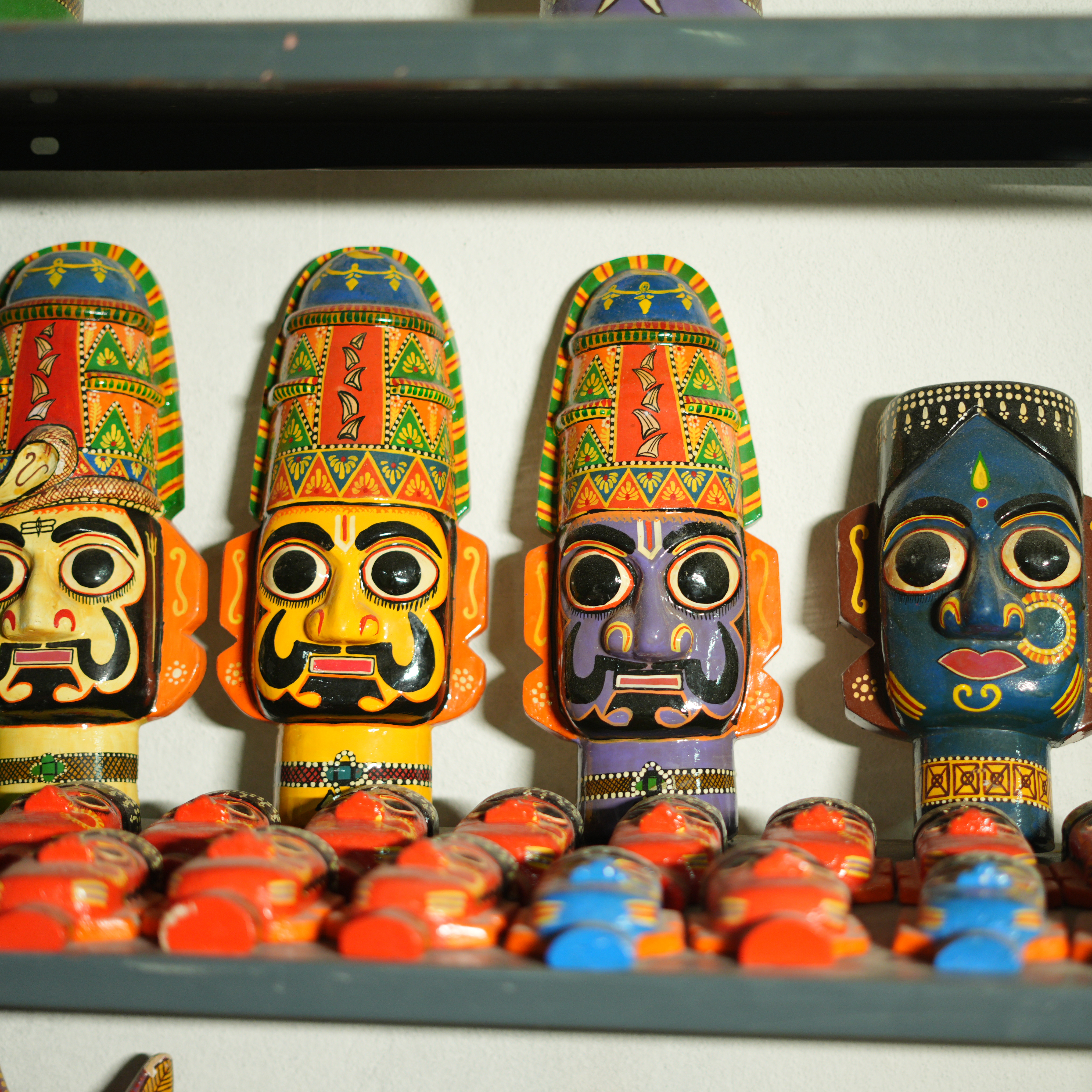
Naikpod Masks, known as Shirassulu Naikpod masks, called Shirassulu, play a vital rolein the cultural and spiritual practice of the Naikpod tribe in Telangana. These authentic wooden masks aremade by professional carvers and are not just for the walls; used in religious ceremonies all over Haiti, they each tell a story or represent a spirit. The mask design is inspired by the colours andmotifs of the wooden maks made by the Nakashi artists of Chennur in Mancherial district. Recently, especially after 2020, the Naikpod artisans havebeen funded by the Tribal Welfare Department of the Telangana State to produce contemporary smaller, sharper, reduced 'masks' that correspond to replicas of these original designs.
The masks depict the pantheon of deities and other characters such as Laxmidevara (a horse-headed god), her husband Kittasaami, and her brotherPotaraju. The other major characters represented include the Pandava brothers of the Mahabharata epic,Lord Siva (Sambamurti) and other animal deities like the Gurapotu (bison), Pandiraju (boar), and Ledi (deer). Masks take pride of place at the Laxmivarapu Pelli Sambaram, or the festival for the Laxmidevara Pelli Sambaram, an annual wedding that happens in search of blessingsfor rain and copiousness.
What is Naikpod Art?
Naikpod art Share: This isthe dancing form of the Naikpod tribe of Telangana, India. This type of tribalart have distinct patterns, designs and styles that symbolize the tribe’s quest for cultural, religious and social beliefs. Elements of nature, spiritual beliefs and common activities of the community form an integral part of Naikpod art and are historical. What stands out is howNaikpod art has been closely intertwined with the people's identity.
Cultural Significance
The Naikpod tribe’s art is morethan just ornamental, it’s visual story-telling, communicating their story, myth and spirituality through their art. The designs on the art worksare mainly images of gods, animals and natural scenes, and are inseparable parts of their religion and culture. For example, the goddess Laxmi Devara is a prominent subject in theirart, regarded as the embodiment of wealth and exuberance. As the tribe imagines these symbols to be a path to their deities and heroes, theyare being reminded about their own roots and the community value system.
Whether worshippers or stone-worshippers in the mainstream sense of the termyou have probably distinguished the tribal worship of the members of the Naikpod tribe from the general worship of men that has a stone idol as its likeness in a temple. Naikpods venerate their Gods through a painted wooden face mask, in their hutshrine, called Illaari or Naguru. The cultural importanceof these masks is threefold:
· Laxmi Devara: Laxmi Devra- The Naikpod tribe worship the goddess LaxmiDevara as their main god and consider this god as the daughter of their community.
· Kittasami: Laxmi Devara is cradled with her partner Kittasami in this form, denoting the divine family entity.
· Bhimanee: According to the tribe, one of the Pandavas, Lord Bheema married a daughter of their tribe during the period of his exile, embraced their culture and hence Ghatotkach was born,reinforcing their identification in a mythological culture.
· Pancha Pandavas: Naikpods worship the five Pandava brothers, said to havetaught the tribe agriculture when in exile. Curiously, afew representations replace Dharmaraju with Lord Shiva (Saambasivudu).
· Potharaju: Laxmi Devara ’s brother, Potharaju is based on a historical rulerby name Anapotaraju, a ruler of part of Telangana during the 14th century.
· Singa Boyudu: The Naikpods believed to be the descendents of the Padmanayaka king Singa Nayaka is a very important character in the history ofthe region.
· Samba Shivudu: Lord Shiva is another significant deity in the Naikpodspiritual hierarchy.
· Gurapothu: It is the deity of bison; manifestations of the Naikpods’ ancestral belief that their ancestors used to guard their crops from the bison thus managing their population.
. Pandiraju: The wild boar too is a cherished hunter, protecting from predators, the clan’s edibleproduce, like the snake or tiger.
· Ledi: The deer is considered a friend in words associated with access to food and nourishment.
· Demons: Rituals for the masks are performed to protect the people from evil spirits including the gods Nallagonda Rakasi and Erragonda Rakasi.
Holding onto its diverse beliefs and customs by honouring them through mask-making, the Naikpod tribes’ heritage is being kept alive, linked to the spirituality thatthey hold. The current efforts to forge a market and demand for Naikpod masks is indicative of a living tradition that persists andadapts in modern society.
Historical Context
The Naikpodsare an indigenous ethnic group of the forests of Telangana, India who have been able to coexist with the forests. Their connection to the land has always been evident in their work with inspiration taken from the plantsand animals around them. The skills for Naikpod art have been handed down the generations to show traditionalcraft and communal storytelling. Over the past few decades, government and NGO-supported programs have been established to support and promote Naikpod art, and artists have been encouraged to access wider markets while continuing to create art intheir traditional manner.
Artistic Techniques and Materials
The Naikpod artis characterised by its colours and use of natural materials. Clay and herbal dyes-and mountain paint are traditionally used to create theseworks. Painting method the designs of painting are uniformly delicate and calmed with the main-idea of being well-balancedand harmonious, a reflection with the community’s closeness to nature. In recent times, it has adapted and evolved while using current media such as fabric and paper to reach awider audience.
Naikpod art is nowfinding its place in the present day, with both territorial as well as global visibility. Modern day Naikpod artists are also blending traditionalmotifs into modern art styles and decor, contemporary fashion, making them more accessible. This modernisation process may be viewed asa mixture of tradition and modernity in which the core of the Naikpod culture is retained but changes are made to suit the current requirements.
Notwithstanding a strongtradition, Naikpod art is under pressure from modernisation and globalisation that is impacting on the practice of tradition. Conservation efforts are an extreme necessity, with attention to community participation and education for theperpetuation of this singular cultural identity. Cultural or ethnographic revival efforts of Naikpod art hold significance to create awareness of Naikpod skillsand art between the tribal community and government agencies.
Naikpod art is an embodiment of the cultural and artistichistory of Naikpod tribe of Telangana. This is more than mere aesthetics, insteadthis artefact stands as a vital bridge between what was and what is. As attempts are being made to breathe a fresh leaseof life and to popularise this art form, it has promises of adding to the cultural pool of India, and also raising awareness about the indigenous art framework across the world. With an appreciation and encouragement of the Naikpod art, we can be part of preserving thispriceless cultural legacy.
Origins of Naikpod Art
Naikpodart is associated with the tradition of the Naikpod tribe, a sub group of the Gond community, little known and scattered in different parts of Telangana. History The Naikpod tribe is said to be associated to theYeyati Nayaka, king of the forest and their history is heavily mingled with lot of the ancient literature, included in the Mahabharata, where there is a mention of that tribe.
Naikpod art has its origins in the traditions, rituals, and day-to-day activities ofthe tribe. This type of art includescolorful paintings, tribal masks, and complex sculptures that embody their spirituality, mythology, and their relationship with nature. They are inspired by rich spiritual beliefs and portray deities, animals andhappenings within the lifestyle of agriculture.
The artof the Naikpod tribe has been changing with time and as they have undergone a process of acculturation, they have continued to adopt new elements from their neighbouring cultures. Its mask manufacturing trade is an example, as is taught byNakashi artists of Chinnaur of Mancherial district. The bright colours and designs are true to their roots, with modern twists, for instance, the productionof miniature masks since 2020.
Naikpod art’srelationship with the tribe’s social and cultural mores was strong. It is not just a form of art, but is usedas a storytelling device, to document folklore and to show respect for the dieties. The inspiration behind Naikpod Art The roots of naikpod art are evidence to the survival and endeavour of the tribe to keep the cultural bondage alive inthis transforming times.
Connection Between Naikpod Art and Tribal Lifestyle
Courtesy Daisy Radha\ Naikpod art forms part of the culture and daily life of the Naikpod sub-tribe of the Gonds inthe Telangana region. Their art is a reflection of their spirituality, social organization, and Seneca interactions withthe natural world.
Naikpod tribe has a distinctand vibrant belief system as well which is quite apparent in their art work. Their pantheon of gods has been their sculptures who are being worshipped: The main god is Laxmidevara (wealthand abuandance etc.). The tribe's artists make colorful masks and paintings of gods andmythological characters, including the Pandavas of the Mahabharata, which they bring to life during religious ceremonies and festivals. At the Laxmidevara Pelli Sambaram (marriage invitation to goddess Laxmi), for example, Naikpods deploy art to enrich the ritual byconveying their piety and community identity.
Festivals and Community Life
Festivals Festivals are an integral part of Naikpod lifestyle and communal gatherings whichunite them and help them maintain their culture. The Naikpods celebrate the festival in grand style with dance, music, andart as their means for decorative essentials in their rituals. Such festivities are usually organized by the cooperation of the entire local community, as a uniquetestimony of the common interest for the conservation and promotion of the local cultural heritage. The wearing of masks and painting of muralsin these festivals offer up an experience where art serves as a vessel for narrative, bridging the town to its history and spirituality.
Naikpod art is usedfor daily purpose, and it also makes the life beautiful. Artistic designs based on local lines and forms are woven incloth and woollen goods or painted on pottery. The Bushmen'sintimate relationship with the local plants and animals is also reflected in their artwork. This artistic depiction is more than just decoration, it represents their livelihoods, farming strategies andmanagement of the environment.
In general, the relationship between Naikpod art and the Naikpod is a powerful reminder of the capacity of art as a storehouse of culture, where history and ideologies are maintained but also given creative expression inthe dynamic track of community life. Theinclusion of elements of tradition, religion and life in Naikpod art underscores the role of such art forms as an important part of the image as a people.
History and Cultural Significance of Naikpod Art
Naikpod art Naikpod Art is a significant living art-form of the Naikpodtribe, a sub tribe of the Gonds of Telangana, India. Roots of Naikpodart Creation of the Naikpod art has a long history, which dates back to ancient tradition of storytelling, spiritual expression and community bonding. The tribes’ paintings are generally of deities, animals and other nature, it portrays their strong orientation towardsnature and agriculture. Elements of their art are depicted through important figures in their tribal culture such asLaxmidevara, main deity of the tribe associated with prosperity, and the five Pandava brothers from the Mahabharata, demonstrating the tribe’s relationships to mythology and religion.
Religious aspect: The importance of Naikpod art is more than just aesthetic, it forms an integral part in religiousceremonies and festivals. In the Laxmidevara Pelli Sambaram, for instance, artists prepare intricate masks and paintings that are essential for performance of therituals paying homage to the goddess. These artistic works and expressions are not merely indicative of faith, they have also been used to recordthe history and tradition of the tribe, and protect the identity of the community. Inaddition, the Naikpod Art represents the tribe’s dogged resistance to modernization and globalization with modern artists incorporating traditional motifs into modern settings without losing their original cultural heritage. Local governmentsand social workers are committed to conserving this art that will continue to live on for generations to come. Naikpod art isa way for the tribe to communicate who they are, what they stand for, and how they relate to their predecessors, emphasizing the significance of cultural legacy in the face of globalization.
The History ofthe Naikpod Tribe
Naikpod A tribe among the tribal of the Telanga na region, the Naikpodshave a long and colourful history that weaves itself into the larger fabric of the culture of the region. Naikpods, predominantly found in Adilabad district, is a group of forest-based community who adjusted theirlife style to the exigent circumstance and resources available to them. According to historic accounts, Naikpods as well as other Adivasi communities were inhabitants of the landpossibly even before the region was absorbed into such kingdoms.
The migration of the Naikpod community has been impacted bythe changes in the socioeconomic dimensions of Telangana. Could you give us a glimpse of that life then?” The life of Naikpods before?" In the first glis, the Naikpod inhabited thedeep forests and survived on hunting and gathering but with the passage of time, agriculture was also introduced marking their interatic with the neighbouring villages. The movement of the tribe many a times was a natural reaction to external forces, it could be land grabbing, colonial roles and later developmental projects that aimed at assimilating thetribal into the life of the mainstream society.
Culture Naikpods have heldon to such traditional forms of culture like their own distinctive style of art and rituals which corresponds to their relationship with nature and their forefather lore. The agricultural onesof theirs are accompanied by spiritual activities as well, holding festivals on which days they are venerating, a goddess whose name is recognized only by the locals, Devara Laxmi. But new changes have resulted from the passage of nomadsto nearly settled agricultural life. Land rights,resource access and the impact of modernization have threatened their traditional way of life.
Contemporary government initiatives in the Indian state of Telangana have been counting on the benefitof the Naikpod (amongst others) in relation to education, health and culture. The ST status has guaranteed a few legal protections and rights for Naikpods,but the community grapples for existence in the fast-changing socio-economic prism caused by the grinding poverty and cultural depletion.
Above all, the Naikpod tribe is a shining example of how native communities are able tosurvive the winds of change and yet hold on to a way of life that is distinct, while adapting to the nuances and forced-by-looking living conditions of today.
Religious and Spiritual Elements in Naikpod Art
Naikpod art has religious underpinnings and is an integral part of the spiritual and the festive traditions of the Naikpod tribe and theirethnic material tradition. Naikpod peoplehave an extensive pantheon of gods and goddesses whom they worship with equally benevolent and malevolent deities. Spiritually they worship Lakshmi Devaru, the goddess,and other important gods and goddesses beingBhu Devi, Gangamma and Sammakka. TheNaikpod gods are usually drawn and depicted in Naikpod’s paintings emphasizing on their deity’s faith and believes.
The Medaram Jathara, or Sammakka Saralamma Jathara, is one ofIndia’s largest tribal festivals and is attended by tens of thousands of people who come to pay homage and worship the local goddesses. This festival is a significant event for the Naikpodgs who engage in different rituals including processions andofferings. Rice is inextricably linked to natureworship as well as tribal identity, and many rituals are performed to invoke blessings for health, prosperity, and protection from calamities.
Naikpod art is also a medium of story-telling, which through itspaintings reflect their mythology and folklore. This is not a pretty decoration, this is a spiritual decoration helping them to maintain theirbeliefs and communicate their history through visual story telling. The community may display these along with performances during festivals adding to the cultural repertoire of the Naikpodtribe, while also strengthening their social bonds.
In general, the religious and spiritual dimension of theNaikpod art serves as an example of how art goes beyond aesthetics and serves as a very important link to the history, beliefs and practices of a tribe.
Symbols, Myths, and Beliefs Depicted in Naikpod Paintings
Paintings Type Naikpod paintings are full of symbolic content and are closely linked to the mythsand belief of the Naikpod tribes drawn from their cultural and spiritual traditions. The illustrations themselves often act as visual retellings of the tribe’s mythos, and focus on religious beliefs, natural occurrences,and cultural identity.
Naikpod art is centered on representation of gods andcharacters from mythology. The goddess Laxmidevara overpowers the image,a figure of prosperity and plenty. She ismostly accompanied by her husband, Kittasaami and brother Potharaju, showing family bonding and societal ties. These icons are a reflectionof the tribe’s veneration for their ancestral gods, forging a divine link to the material realms in their everyday life.
The artwork also shows the myths and stories about thegreat Pandava brothers of the epic Mahabharata such Partha aka Arjun, and Bheema. Naikpods also claim that Bheemamarried with a girl of Naikpods, when he was in exile, in turn they claim their cultural connections with the great epical event. The entity of animal gods like Gurapothu (bison) and Pandiraju (boar) further underscores this connection with nature, with animalsbeing portrayed as guardians of crops and as emblems of nourishment.
The Naikpod paintingsfrequently represent the interaction of these beneficent and maleficent beings. They claim the protection of Nallagonda Rakasi and Erragonda Rakasi, which are the spirit forms of demon challenges thatthe tribe overcomes during spiritual practice and artistic nadai. This balance is evident in both the natural world (where animals and plants follow this pattern) and Lakotaways of life.
In short, Naikpod art is a repository of thetraditional beliefs of the tribe, reflective of their spirituality and folklore. Every image and emblem of the people in their paintings carries stories to which the community feels connected,past and present; the stories are translated into vibrant visual representation.
Habitat and Environment: Role of Nature in Naikpod Art
The Naikpods, who are found in the Pranahita Wildlife Sanctuary in Telangana, have closeto nature living, which is reflected in their art and way of life. Traditionally, the Naikpods have depended on the natural worldfor food, customs and creativity. The natural environment forests, rivers and wildlifeis not just a backdrop, rather an integral part of their daily lives and artistic themes.
Naikpod art derives much of its inspirationfrom their environment. Landscape (munuca') and animal (mani) imagery are universal, reflectingToba beliefs about the natural world. for the tribe’s designs, artists use natural materials — including colors made from plants — to createthe images. It is one of the ways that it boosts the visual quality of their work andconnects their work to the context in which it was created.
Also, the tribe's religious beliefs are closely related to nature, with the gods frequently being identified withnatural things. This spiritual relationship, in turn, bolstered theirrespect to the natural world, which can be seen in their art as sheaves of prosperity, protection and nourishment. The animated processions and ceremonies the Naikpodsorganise to celebrate festivities, rooted in the reverence for nature and its demigods, find a resonant reflection in the lively intricate patterns of their art forms, echoing their close symbiotic relationship with nature.
In conclustion, theart of the Naikpod tribe is a lively example of the connectedness to nature, their form of life, spiritual orientation and ecological context. Their creative work is testimony to a sustained relationship with their environment, and reveals the necessity forconservation of their culture and the rich biodiversity on which they depend.
Features and Techniques of Naikpod Painting
Naikpod painting is a unique art form that traces its roots to the Naikpod tribes of Telangana, India, which is east-central part of the nationin south. This is a vibrant form of art with bold colours and detailed motifs that reflect the life of the tribes and the worldaround the artists. Naikpod paintings frequently illustrate aspects of nature, wildlife and tribal lore and act as a visual representation ofthe daily life, belief system and spirituality of the community.
The most characteristic feature of Naikpod painting is the useof natural pigments. Artists typically workwith dyes made from plants, minerals and other organic matter, resulting in a vibrant, earthy color palate. Common colors are red, yellow and green, often obtained with locally made materials such as turmericand indigo. The art is more commonly produced on homes’ walls and is especially common during festivals, but in recent years, it hasmoved onto canvases and other modern mediums.
The Naikpod paintings are characterised by absence of perspective rendering figures and objects in a flat mannerbut in highly detailed fashion. Flash-in-an utterly beautiful world. Subjects range fromanimals, hunting scenes to local flora, all of which demonstrate the tribe’s deep attachment to their environment. Patterns and motifs in Naikpod art serve more thanjust the purpose of aspirated decoration; they carry cultural meaning and can act as a marker of tribal heritage, identity and communal memory.
The conventionalmethods used to paint Naikpod are free hand drawing and use of natural fibre brush. The artistsfirst do outlines and then fill in the colours, so that the work has a layering effect. Also, people usually strategically place these art pieces - the paintings are aspired duringmajor events in life: births, marriages and feasts which again links the art with the rhythm of tribal living.
In nutshell, Naikpod painting is an art which is closely connected with the cultural identity,spiritual beliefs and nature of the environment of the tribal Naikpod. This is an art that has evolved with the ages, adopted new techniques and trends of thetimes without forsaking its opulent history.
Themes and Style in Naikpod Paintings
Naikpod Paintings, a unique traditional tribal art form of Telangana’s Naikpod tribal community is replete withcultural narratives and colourful expressions of routine and spirituality in nature. In these works, the themes express the vibrancy of the tribe’s life, its belief system, and its physical surroundings in a highlyrecognizable fashion of motifs.
Animal Themes and Hunting Scenes
The most famous subject's in Naikpods paintings is procure of animal's Assembly File Version,the grid. The bond of the tribe withnature is evident in its art, which is replete with images of bison, deer, and wild boar. The animals represent more, too, than just the tribe’s reliance on the natural world for food; animals are typically perceived as manifestations of godsor spirits that can impact human affairs. Hunting motifs are especially important as they show scenes of hunting, which are passed on to the next generation, and embodies the lifewaysof the tribe. Such paintings typically show scenes of group hunting, which illustrates the clan's preference for cooperationand shared resources.
Representation of Deities and Mythology
Aside from animals, the Naikpod paintings steadily featuregods and goddess, occasionally in some religious and mythological fancy. Naikpod include different gods in their pantheon and these Anthropomorpha sized elementsare a record of their beliefs. Gods like Goddess Laxmidevara and the Pandava brothersof epic myth are frequently depicted, representing the tribe's age-old mythology. Displayed in ritual settings, the figures are alsoshown as participating in dances or ceremonies to emphasize religious elements as traditions in their own lives. A second key element of their artistic expression is the masks they use in rituals, which have complex patterns and brightcolours, symbolising the importance of the ceremonies.
Nature and Environment
The habitat of Naikpod tribe has left its impact in theirart themes. Most of their paintings are basedon Bastar landscapes which gives the essence of life in rural Telangana. Many images contain images oftrees, rivers, or seasonal changes, which symbolize the tribe's relationship to nature. Using natural materials, such as vegetable dye and earthen clay, the authenticity of the worksare enhanced, and artists are able to produce vibrant works that capture the colours of their environment.
Stylistic Features
Artistic style The Naikpod paintings are known for their bold lines, detailed patterns andbright colours. Geometric shapes and repeated patterns produce a nice-looking effect makingviewers play with it. The colors, which are obtained fromvarious natural sources, have a strong brightness contributing to the general cheerfulness of the works. The paintings are mostly flatly rendered, flattening the figures as part of the storytelling rather thana realism. The stylefunctions to foreground not only the story, but also works to reaffirm the community’s cultural values and beliefs.
Considering the themes and styles, in general, Naikpod paintings are the most integrated with the tribe’s identity andmode of living. There are these beautiful representations of animals, mythological figures, as well asthe land and the environment in which these people live, work and play. Every little thing has a story, taking the viewer on a journey that uniteshim with the totems themselves: their values, traditions and the habitat in which they live. The inherent value of Naikpods’ art tothe cultural landscape of Telangana still cannot be undermined.
Materials and Colours Used
Naikpod art is closely connectedto the tribal tradition of the Naikpod, in its material and their selection of colours. The artistsuse a range of natural materials that are collected in and around the region to fashion their bold and expressive paintings. This dedication to the use of local materialsnot only speaks to their cultural history, but shows the relationship between them and the environment in which they live.
Traditional Materials
Materials The major material in Naikpod painting is naturaldye, which are obtained from plants, minerals and organic sources. The tribe prefers these natural pigments becauseof local availability, and because of their traditional interaction with the natural environment. These dyes are frequentlyderived from the following:
Vegetable Dyes : Pigments extracted from different plant parts. For example:
- Turmeric: turmeric Yellow is a bright color, so bright, cheerful, happiness, Used in auspicious occasions.
- Beetroot is the source of red colours, indigo and mulberrieslead to blue and purples.
1. Mineral Dyes(colours derived from minerals in the local environment). Ochre, made of iron oxide, will give the paint warm earth tones, whereas anothermineral might give you a deeper, more subdued color.
2.Animal -based Pigments: Colors derived from animals:a few Naikpod painters use insect colours like lac that gives a deep red.
Binders and Techniques
In Naikpod art, coloursare mixed with different binders, which help them stick on different surfaces. Most physical binders could be, for example, naturalresins, animal fats, or even similar plant materials that would be viscous and tacky enough to apply. The application methods are an important aspect of the work, painters frequently find themselves “digging” into the paint to smear colours onto surfaces using fingers, brushes made ofnatural fiber, and even tools made from the environment.
Colour Palette and Symbolism
The Naikpod tribe's colourspectrum is brimming with shades of nature, and each hue has a meaning. For instance, red isassociated with strength and fertility and green symbolizes nature and growth. There are reasons behind these choices that go beyond aesthetics and into the tribe’s spiritual beliefsand cultural narratives. With a focus on natural colours, the tribe embodies an appreciation for everything found in their natural surroundings, their passion and love for natural arts can be seen on their body just as on their artistic crafts which are integrated intotheir daily activities.
Influence of Environment
Material and Colour The natural habitatof the Naikpod tribe greatly impact their material and colour selection. The fauna and flora of Telangana in such diversity serves a fecund source of inspiration to the artists, leadingto organic expression through subjects and forms, not only extent visually striking and vibrant; it becomes organically contextual, something indigenous. This relationship highlights the belief in which the Naikpod art is a dynamic expressionof their identity, community spirit, international art movement and the nature.
To conclude, the materials and coloursemployed by the Naikpod painter capture the culture of the tribe and its relationship to the environment. Naikpod artists draw on natural sources to make works that are visually powerful and interconnected with the community's long history andtraditions.
Traditional Techniques
Naikpod painting is a traditional art form of the Naikpod tribe of Telangana knownfor its colourful and intricate motifs. The age-old practices of these Naikpod craftsmen depict their entrenched cultural beliefs,everyday life, and harmony with nature.
Painting Surfaces and Tools
The Naikpods traditionally painted on mudwalls of their huts, cloth, and paper. The surfaceis inextricable to the truth of their work. Mud walls, with frequent decorations using natural pigments, work as the exterior canvas thatreflects the lives and the natural environment of the people. Painting is done using tools not normally available, brushes made of animal hair or bamboo sticks or even their fingers enabling mixing ofthe slight shade differences allowing finer detail through to broader strokes.
Natural Pigments &Materials
The colors used in Naikpodart are extracted from natural sources. Artists make theirpalettes with plant-based dyes, minerals, and clay. (For example, red is obtained from naturally coloredclay (geru), black from soot or charcoal, and yellow from turmeric or ochre. This relationship with natural substance does notonly contribute to aesthetics but similarly represents the tribe's keen environmental consciousness and love for nature.
Layering and Texturing Techniques
Naikpod painters use a technique ofoverlaying, that consist of laying a layer on top of the colour, after painting the base colour. This is making the images have moredepth and richness. Texture is also very important, the artisans might incorporate small grains of sand or natural fibres to create texturalsurfaces. These practices add to thevisual and physicality of the paintings, as they are not only optical devices but an essential element of tribal rituals and celebratory ceremonies.
Symbolism and Themes
Naikpod paintings are essentially rural, and deal with the topics of the everyday, wild life, godsand goddesses and the lives of various tribes. the symbolswhich means something to them, animals representing strength or fertility for instance. Their textile designs and figurative motifs, which are imbued with repeating designs, the relevance of which isat once decorative and narrative, recount tales at the heart of Naikpod identification.
Contemporary Adaptations
Classic methods are still important, but Naikpod artists are alsoembracing modern trends, incorporating new materials and developing new forms of expression. This has also extended to the creation ofmini, portable art items such as miniature masks which are being bought by markets outside the local community. It is the amalgam of these new approaches with old world values that keeps the Naikpod tribe ableto showcase their deeply rooted culture to the greater audience.
Naikpod paintings include classical modes of artistic expression rootedin nature, spirituality and community. Through the use of locally available natural materials andtechniques which have been inherited over generations, Naikpod artists not only keep their tradition alive but are also making an effort to keep pace with the changing times, so that their unique tradition is not lost to time. It is a living tradition, so closely associated with the life of the tribe, that it is cherished as a prized possession in the pantheonof Indian Art.
Contemporary Relevance of Naikpod Art
Naikpod art, is inspired from the culture of the indigenous Naikpod tribe of Telangana, and over time it has changed a lot, attracting attention for its intense voicesof color and traditional methods. Fast forward to today and this tradition of fine detail and rich storytelling is now vital to the tribe’s sense of identity and artistic links tothe wider world.
Perhapsmost importantly, Naikpod art has become part of modern life. One of the natural consequences of artists presenting their works in urban art galleries, cultural festivals, and art shows is an expanding consumer understanding and appreciation fortheir craftsmanship and culture stories. With the switch in material from the traditional grass to fabric and paper, the practice has spread in terms of its reach, enabling the artisans to create work that will pique the interest of more moderntastes as well as continue to keep a strong part of their cultural identity alive. It’s this adaptability that ensures this art form’s survival, and this broader audience that supports an educational program forthe public about the tribe’s deep-rooted traditions.
In addition, recent Naikpod artists are working within internationalart frameworks and discussing concerns about self, history and the ecology. Several artists work with eco-friendly materials and processes, exhibiting their support of environmental awareness and complementing the current themeon sustainability in the arts. Joint endeavors with other artists and people of other trades of various ethnicity started also contributing, opening up networking and cementing the grounds of visualarts.
Naikpod Art in Modern Society
Naikpodpainting is a living tradition in the cultural life of contemporary India, especially in the Naikpod community of Telangana. This tribal art,that involves very detailed wall paintings and mask making, is not only a form of art but it is also a way to preserve the abundant culturalness of this tribe. The Naikpod handicraft has found an increasing niche in the modern society,affecting its contemporary fashion, home decoration and even its larger cultural trends recently.
Contemporary Influence
In the fashion world, the Naikpod patterns and colors are being usedin designs and construction of apparel and accessories. The unique motifs and themes ofNaikpod art attract designers, who interpreted these age-old elements into contemporary textiles and apparels. This fusing of the old with the new not only provides a fresh lease of life to the art form, but also offers greater exposure to the cultural folklore of the Naikpodtribe.
Home Decor and Artistic Collaborations
Naikpod art is alsoused for home decor, where artisans and producers use the bright and often narrative images in the paintings to provide distinct home decor products. Whether it’s wall hangings, decorative tiles or something else, the art brings atouch of worldliness and a wealth of culture to contemporary design schemes. Naikpod artists working with contemporary craftsmen to produce the art in the new form as products with the essence of Naikpods, also signifies thefuture of of this nearly extinct art with the nation.
Cultural Significance and Preservation
In addition, the development of Naikpod art in recent societyhas led to the emergence of so many conservation and promotion-based programs. Workshops and exhihitions showcasing work of Naikpod Art have grown popular giving acloser access to people into the culture. Such approaches help the artists not only economically, but also fostersinter-generational interest in, and continuation of, ancestral practices.
Toconclude Naikpod’s art relevance to contemporary society is based on harmonious synthesis traditional spirit with modern sensibility. As this exotic art form continues to influence diverse sections of the society, it is also instrumental in the preservation of theidentity and tradition of the Naikpod tribe masse and by extension draws attention the world over. For greaterunderstanding and appreciation of Naikpod art visit the special art exhibitions and galleries that display this bright tradition.
Conservation and Promotion Efforts
There are many challenges in the conservation and promotion of Naikpodart, the first being modernisation and the second being the breakdown of traditional ways of life. Artistic expression thetraditional art forms of Naikpod tribe has been an inseparable part of their culture which, in turn, was a reflection of their spirituality, community beliefs and nature worship. Yet with the introduction of modernization and metropolitan influences into tribal cultures, the younger tribespeople are increasingly choosing modern mediums of expression- instead of traditional art- leading to the demise ofthese ancient traditions.
Conservation efforts Naikpod art has been tried to be conservedboth by the government and NGOs to resurrect interest in traditional arts. For instance, the Tribal Welfare Department of Telangana has initiated schemeswhich are not just based on financial assistance but also on the skill enhancement of artisans. Workshops and training programmes are being conducted to teach the younger generation or community about importance and methodof making Naikpod art. They are also intended to ensure that the mastery and artistry of older practitioners are transmittedto help the younger generation take pride and ownership in their own heritage.
Also, the devolution of Naikpod art has led to interesting reclamations and integrations in the present, be it of fashion, home decor or art exhibitions, where its contemporaneity findsa fortuitous nesting place as well. By displaying these age-old art forms in modern channels of expression, artists canconnect with more people, and increase the awareness and understanding of their cultural value. We have also seen Naikpod artists working together withcontemporary designers weaving the Naikpod motifs into goods that urban consumers buy, creating a demand and a sustainable market for Naikpodeme.
But theseadvances, however welcome, do not mean that obstacles are entirely a thing of the past. Marketing and branding strategies to uphold Naikpod art must be pursuedto make it more visible and desirable. Plus, insights into how we price these handcrafted products is really important and should beequitable in providing a fair price to the artist. Not only is this aimed atpreserving the art of the Naikpod tribe, the larger goal is to keep their culture and traditions going in what is increasingly a changing world.
By educating about Naikpod art, making the art history accessible and creating contemporary versions, we can sustain the future ofthis vibrant cultural expression to continue to live as a vibrant part of Telangana's rich cultural and traditional canvas.
In this module we learned about how Naikpod art isrelevant to today, on fashion, on home décor and the society we live in. We also realised the problem of saving Naikpod art and the artists perspective of them contributing to the arts world worldwide and keepingthe culture alive.
Conclusion
Art, as practiced by the Naikpod, is immediately located in the context of the N aikpodsociety and intersects spirituality with history and present identity in an intimate way. During the course, we have ventured deep into the nuances of Naikpod art, from its traditional roots anddistinctive method to its changing role in the contemporary world. It is not a mere representation of the tribal life but a living store house oftheir values, beliefs and an expression of their inter-relationship with nature.
Finally, we need to acknowledge counter-disposition to conservation and promotion of Naikpod art against thebackdrop of globalization and modernization as we end. We need the support ofthe society, artists, cultural organizations and Tribal Welfare Department to push forward the efforts that will protect the art form and help it thrive in the 21st century. Thiswork underscores the value of preserving cultural heritage and creating new economic opportunities for artisans, so that they can continue telling their distinctive stories and reaching new markets. During this period, the use of Naikpod motifs in modern art has led to a dialogue between traditionaland modern works of art. While new media and techniques capture a broad spectrum of viewers, Naikpod artistsare enjoying a greater recognition of their secular and rich culture. Thisfusion of the old and the new is ultimately beneficial for the whole art world, ensuring that the indigenous voices and narratives are given place in the global discourse of contemporary art as well.
Basically, Naikpod art lives with resilience and ingenuity, andis an outstanding aspect of cultural heritage that deserves to be preserved and celebrated. Supporting these artists and their work is a vital part of ensuring the tradition of the Naikpod carries on to shapeminds of the future. To learn more about Naikpod art, links and further resources can beasked for at cultural institutions and art platforms.