

MADIYA PEJ
In this beginner's course, you will take your first steps into the world of Madiya Pej, a classic millet-based gruel that is part of the culinary heritage of the Madiya and other Adivasi communities of central India. Detailed interactive modules will guide participant through the historical origins, preparation methods, cultural significance and modern usage of Madiya Pej in social and ceremonial life.
 Most Viewed

What you'll learn
- Introduction to Madiya Pej : History and Culture of Madiya Pej
- Traditional Ways of Preparing Food : The components, the microorganisms involved in the fermentation of Madiya Pej and Environmental friendly instruments used in the preparation of food.
- Cycles of Ritual and Season : Analyse the role of the Madiya Pej in festivals, cycles of agriculture, and everyday rituals.
- Imagery and Social Interactions : Learn what this humble beverage does to bring people together, offering hospitality, and social continuity.
- Preservation and Innovation : Explore the challenges and efforts involved in preserving their tradition while also researching opportunities to find modern uses and diversification of their products.
- Contemporary Context and Reflection : Discuss where Madiya Pej places itself in the contemporary discussion of indigenous identity, food sovereignty, and living and community sustainability.
Couse Features:
- Foundational Modules : five structured modules exploring the life, food, and rituals of the Dandami Madiya tribe
- Hands-On Learning : Practical demonstrations of traditional Madiya Pej preparation using millet and rice
- Cultural Immersion : Deep dive into tribal festivals and rituals tied to food and drink
- Indigenous Knowledge : Insights into fermentation, natural nutrition, and forest-based food systems
- Interactive Reflections : Discussions on sustainability, cultural identity, and the role of food in tribal life
- Guided by Tradition Bearers : Lessons led by tribal cooks, elders, and cultural experts from Bastar
- Capstone Experience : Final project involving preparation, documentation, or cultural interpretation of a tribal recipe
Who Should Enroll
- Musicians interested in indigenous instruments
- Anthropologists studying Tribal Cultures
- Ethnomusicologists exploring Cultural Traditions
- Artisans and craft enthusiasts
- Performers of folk dance and music
- Conservationists promoting traditional arts
- Educators and researchers in cultural studies
Description
Introduction to Dandami Madiya Tribe
Dandami Madiya tribe is a major sub-category of the Gond tribe, and they mainly live in the thick forests and mountainous region of Bastar, Dantewada, Narayanpur, Sukma, Bijapur and Kondagaon of Chhattisgarh. The origin of Dandami Madiya tribe is very ancient. The people of this tribe have inhabited these areas since prehistoric times and they have retained their traditional culture, ways of doing things and the language plus the general lifestyle to date. Madiya tribe is further divided into two broad categories namely: Abujhmadiya and Bison Horn Madiya. Abujhmadiya are the dwellers of hilly area of Abujhmad, and Bison Horn Madiya occupants of the plains and they use crowns decorated with the horns of buffaloes to dance. They speak the language of their mother tongue called the Gondi language that is one of the major dialects of the Dravidian language group. The Madiya society is patriarchal such that it is the male who tends to lead the family. Under marriage, there is the pre-eminence of relationships of mother and father. Their culture is much more related to nature and forests. The Dandami Madiya tribe depends mostly on agriculture, gathering of forest products, fishing and hunting. Their houses are normally built using mud, thatch, stone and bamboo. A memory pillar is put up in their memory after burying the dead. This has become an identity of their culture. Nowadays, even despite the external forces, the Dandami Madiya tribe remains to struggle to save its culture and identity. Certainly, their culture, dance, songs, and festivals are the given place in the tribal society.
Food, Culture and Festivals
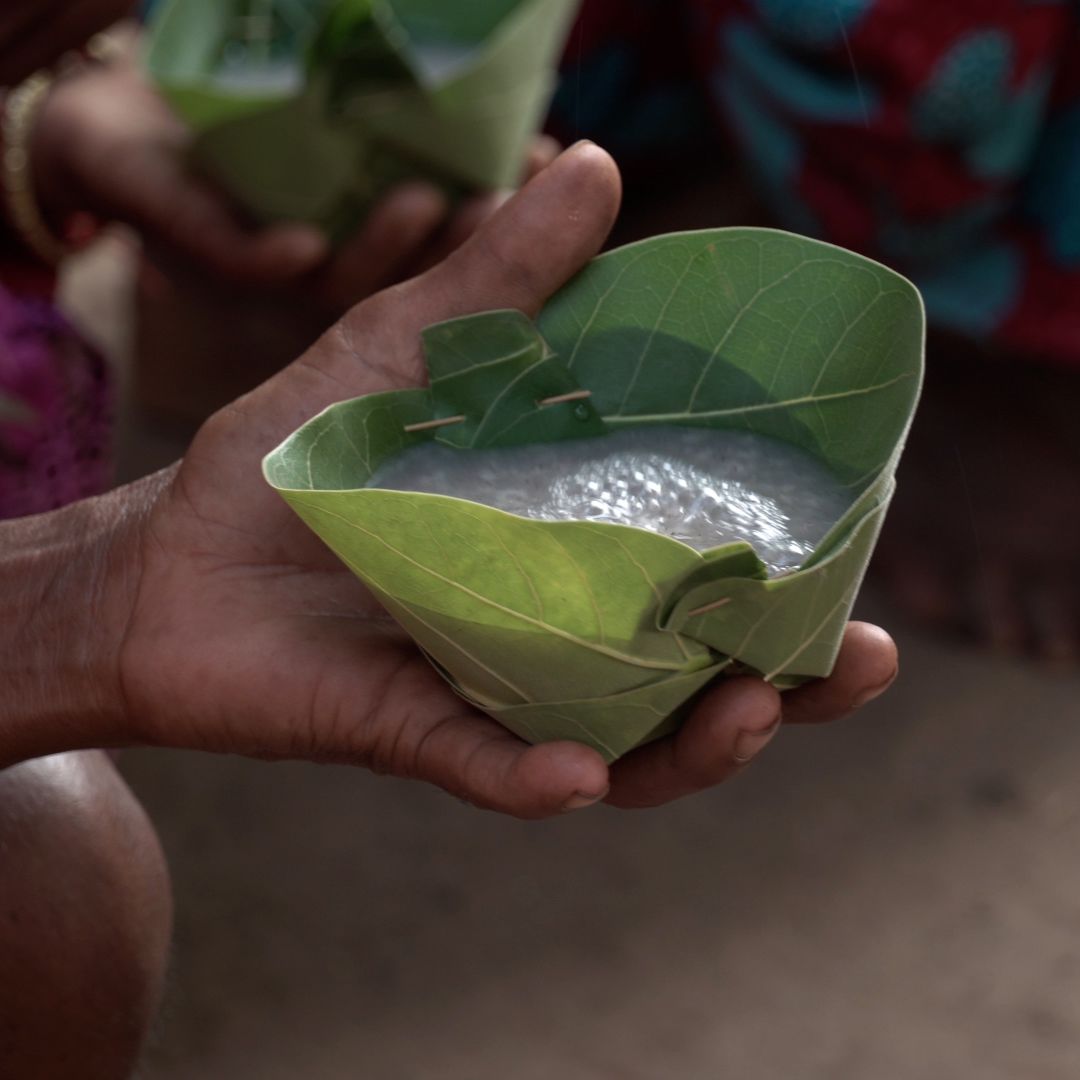
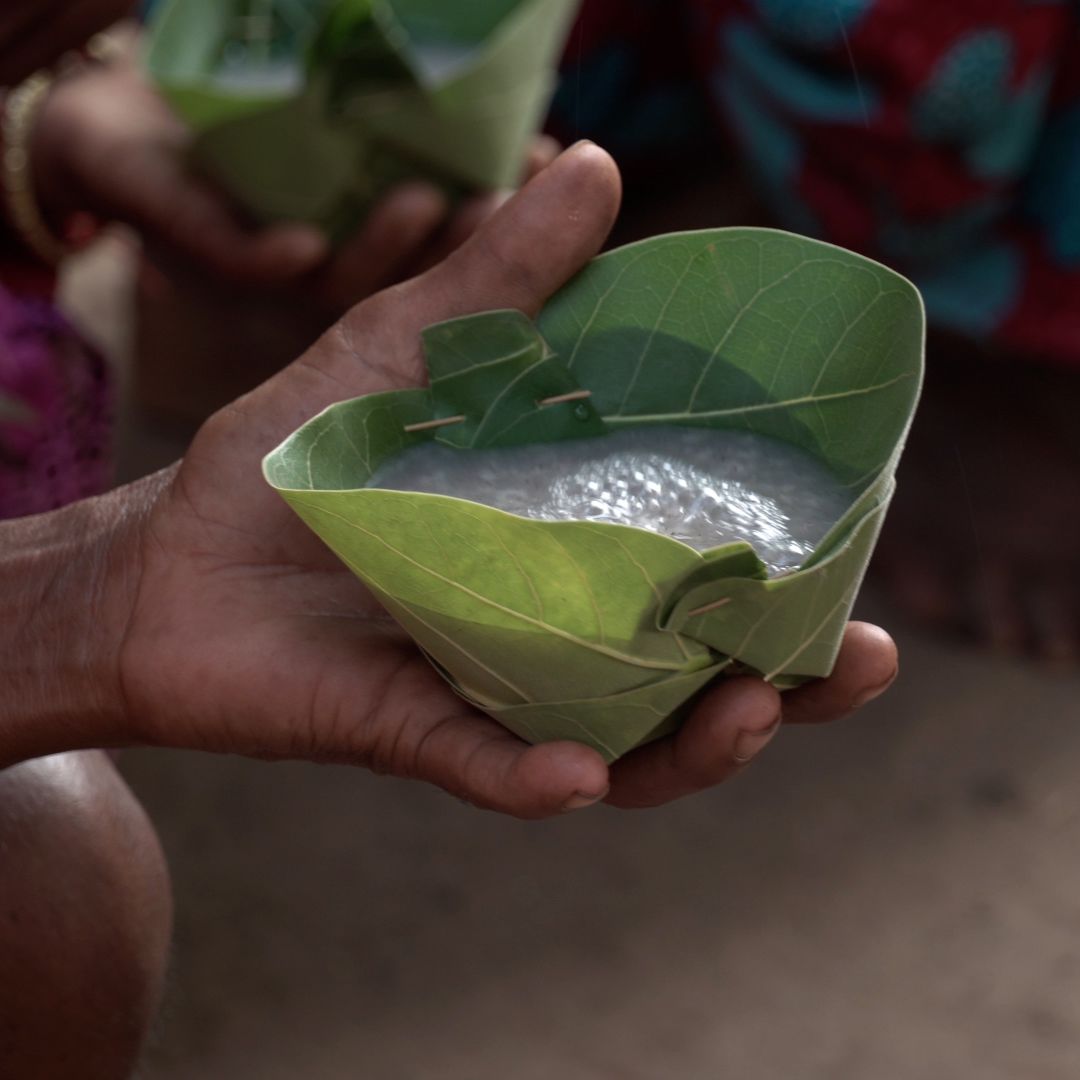
The culture of the Dandami Madiya tribe is rich, colourful and deeply connected to nature. Generally, the various elements of their culture include their traditional dance, songs, handicrafts, folk arts and festivals. Gaur Nritya, also known as the Bison Horn Dance, is visible in folk arts and festivals. Gaur Nritya (Bison Horn Dance) is a special identity of their culture, in which men wear a crown of Gaur (wild buffalo) horns on their heads and women perform group dance with traditional jewellery. This dance is performed to wish for rain, harvest and prosperity. Festivals are called 'Pandum' in the Madia society. Their major festivals include Mati Tihar, Karsaad, Navakhai, Dublapan Pandum, Mahua Pandum, Dussehra etc. Mati Tihar is the festival of Bhoomi Pujan, while Navakhai is the festival of welcoming new grains. Mahua Pandum is celebrated on the arrival of the Mahua flower. Dussehra is the biggest festival of Bastar region, in which Goddess Danteshwari is worshipped. These festivals include mass dances, songs, traditional food like Mahua Laata, Mahua wine, another indigenous drink. The festivals of Madiya tribe include nature, goddesses and cultural activity, which keeps their cultural heritage alive.Madiya Pej is a popular traditional drink of the Dandami Madiya tribe of Bastar, which is especially loved during summers. The drink is prepared from ragi, known as mandia in the local language, and stale water of boiled rice. In the process of making it, it is fermented for a few hours or overnight. This fermentation makes it taste slightly sour and refreshing, which is especially satisfying in the scorching heat of summer. This drink occupies an important place in their daily life and is also served with great enthusiasm on various ceremonies, festivals and social occasions. Thus, Madiya Pej is an invaluable part of the tribal life of Bastar, which is alive as a tradition from generation to generation. This drink has been an essential part of the everyday life of the Madia community in Bastar and its surrounding areas for many centuries. The tribe traditionally depended on agriculture, forest produce collection, hunting and animal husbandry. Given their hard work and the hot climate, beverages like Madiya Pej evolved to provide coolness, energy and nutrition to the body Madiya Pej is a popular traditional drink of the Dandami Madiya tribe of Bastar, which is especially loved during summers.
Madiya Pej – A Tribal Drink
Madiya Pej is a common tribal beverage of Dandami Madia tribe of Bastar and is very fondly consumed in summers. It is made using ragi which is locally referred to as mandia and water that is stale and has been boiled using rice. During its production, it is fermented after a couple of hours or an overnight. Some fermentation causes it to be a little sour and refreshing, most pleasing, in the crush of the burning days of summer. This beverage holds a proud position in their lives and is also distributed with lots of zeal on most ceremonies, festivals as well as social gatherings. So Madiya Pej is an irreplaceable contribution into the tribal life of Bastar which has been kept alive throughout the generations.
Method of Preparation
- Cleaning and washing of Ragi and Rice
- Drying and grinding
- Making the solution and soaking
- Making the solution and soaking
- Mixing and Cooking the Batter
- Cooling and serving
Mahua Laddoo – A Traditional Recipe
The Mahua tree does not only stir livelihood in such regions but also forms cultural identity. Pounding of the dried flower of Mahua with sesame, flax or any other grains found locally is called, Laata and it is prepared by roasting this mixture in a pan. It is an energy, sweet and nutritional dish and during hard times or festivals, it is used as a full meal by tribal society. Mahua Laddu is a form of collectivism, traditional knowledge and coexisting with nature. It is not just a delicious and healthy food but it is also enclosed in our cultural tradition that has been transferred through generations. The cultural heritage of the Dandami Madia tribe is kept alive by Mahua Lata to these days as well and it has a significant position in their social and economic life.
Ingredients and Traditional Method
- Cleaning and drying of Mahua
- Roasting Mahua
- Roasting sesame and flaxseed:
- Roasting gram and dry fruits
- Grinding
- Making Lata
Other Special Dishes of Madiya Tribe
Chaapda Chutney – A Natural Flavour
Chaapda chutney is a special and ancient chutney of tribal regions which consists of red ants and ants eggs. The distinctiveness of this chutney lies in the red ants that are used in this chutney as they make their nests in the tree leaves. These ants and their eggs are gathered to make chutney, cleaned and then crushed along with garlic, ginger, green chillies, coriander, tomatoes, salt and even turmeric and sugar in a mortar and pestle. It tastes, spicy, sour and quite special of which another type of tingling is experienced because of formic acid.
Conclusion
Dandami Madia tribe is a significant organization branch of Gond tribe, also called as, Bison Horn Madia. Their staple food is Madia Pej (a cold drink that is prepared using ragi- rice), Mahua Lata (a very nutritious laddu that is prepared using Mahua flower), Chapra Chutney (Chutney that is prepared using red ants). Madia Pej and Mahua Lata indicate nutrition, health and collectivism, whereas Chapra Chutney represents the consumption of local resources and cultural diversity. Despite modernity, the Dandami Madia tribe is struggling to keep their culture, traditional food and way of living as a community