

Gaur Singh Dance
This course introduces the living history of the Gaur Dance or Singh Dance which is a traditional tribal dances passed on from generation to generation with hunting rituals and signifying expressions. Students will learn its history, cultural significance, rhythmic structures, movement language, and visual forms. The module also brings out the relevance of this folk tradition and its modernization which would be the means of its inheritance to posterity.
 Most Viewed

What you'll learn
- Historical Significance : Know the origin and development of Gaur Singh Dance in the context of tribal life and rituals.
- Movement Techniques : Learn hunting mimicks and symbolic movements upon which this lively dance is based.
- Musical Integration : Discover the role of native drums and rhythm instruments in establishing beat and temperature.
- Costume and Ornamentation : Explore the traditional clothing, headwear, and visual story-boosting accessories.
- Cultural Preservation : Learn about the active projects and programmes in place to support and revitalise this form of tribal performing art.
Couse Features:
- Expert-Curated Content : Created by experts in tribal art, folklore and community based knowledge.
- Visual Learning Aids : With photographs, video clips and an archive of performance and costume pictures.
- Flexible Learning Format : Online accessible self-studying content no matter where you are.
- Community Voices : Integrates stories and viewpoints from native performers and elders.
- Real-World Application : Great for culture projects, plays or school work.
Who Should Enroll
- Cultural studies students and researchers
- Folk and tribal art enthusiasts
- Dancers and Choreographers working with the forms of indigenous peoples
- Museum and heritage professionals
- Fans of tribal India
Description
Introduction and Historical Context
Origin and Historical Background
Origins The Gaur Singh Dance is rooted in the ancient customs of the Madia tribe, who had a very intimate connection with nature and the wildlife. It is a dance that represent’s the tribes hunting,and war ritual’s, and is mostly danced by the men of the tribe, to show there bravery, and strength, and to all come together as a tribe. It was traditionally a means of giving thanks to forest and ancestor spirits, thought to ensure good hunting and protection from evil spirits.
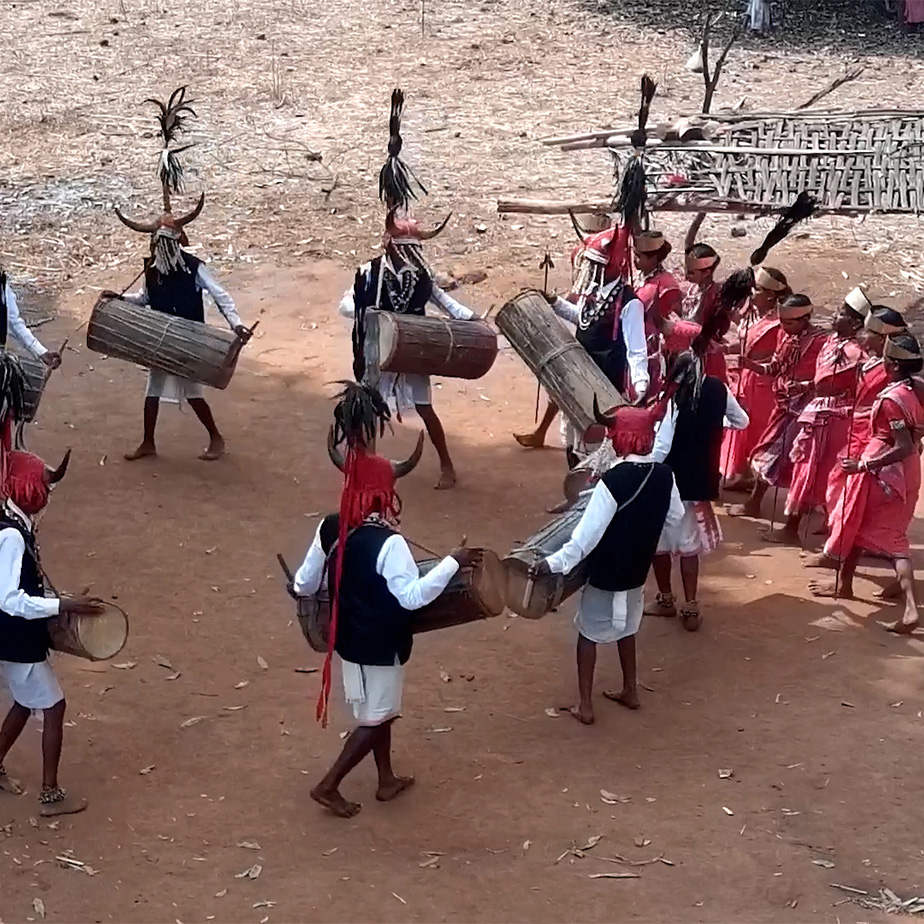
The dance steps represent the movements a bison hunter, a role that is entrusted to dancers, makes, but also wild animals. The men, who wear bison horns, feathers and traditional tribal clothes, stomp loudly and aggressively as they illustrate the battle between hunters and the powerful gaur (buffalo). The women, meanwhile, join in singing and playing instruments, cheering the men on and keeping the mood festive.
Evolution and Cultural Significance
The Gaur Singh dance Although initially only part of ritual hunting ceremonies, the Gaur Singh dance has taken on a broader function as well. Today, it is an indispensable part of fêtes, weddings, and other tribal celebrations, symbolising community, wealth and tribal identity. Revised to include modern cultural events, as well as tribal-sponsored state festivals, the dance has also become more of an artistic, performing dance. It is characterised by energetic and syncopated body and foot movements of dancers and beats of dhol (the percussion drum), taal (the cymbals) and shehnai (the wind instrument). Slowly the dancers cross the performance space, initially one by one, then in ones and twos, adding up to threes and fours. “There is no dialogue in the film, so their footwork and body language and aggressive behavior evokes a visual spectacle that tells a story about the primal conflicts between mankind and animal.”
Historical and Cultural Significance in the Madia Tribe
Gaur Singh dance has its roots in ages on the historical and cultural front of Madia tribe, one of the major sub- group of the Gond tribal community in Bastar, Chhattisgarh. This traditional dance, which is firmly rooted in the hunting habits of the tribe, has proved to be an vital vehicle for the community’s social, spiritual and artistic identity.
Historical Significance
The Madia tribe has always remained close to the nature till date, in their animistic faith as well as in hunting. The Gaur Singh was initially a priestly hunting dance which portrayed this dance as a way of hunting for the Indian Bison (gaur). The Madia warriors used to perform it before going to hunt, and pray the ancestor spirits and the forest gods, for success and safety.
This dance was also highly martial in nature, a means to drill small groups of young Madia men in agility, strength, and coordination, all skills crucial for both hunting and war. The warrior’s rhythmic attacks, which were also aggressive and coordinated in the mold of the gaur’s charge, not only honed hand-to-hand combat in war but also served to bind the comrades in arms in a brotherhood.
Moreover, the Madia tribe believed in shared decision-making and the dance and music helped bond the community together. At important tribal conventions the Gaur Singha dance plays an essential reconciliatory role in smoothening out differences, solidifying relationships, besides cementing the warlike spirit of the tribe.
Cultural significance
Though its origin dates back to hunting and warfare, the Gaur Singha dance now stands as an artistic statement showing the Madia's relationship with nature, their social traditions, and their spiritual beliefs. This dance is still performed today, and on the following occasions:
- Festivals and ceremonial events: – This dance is an inseparable part, the Gonchha (Bastar Dussehra) and other tribes festival where nature, prosperity and tribal treasure are being commemorating.
- Marriage Rites:- The Gaur Singh is a prominent image for strength and power and the dance gestures that the groom has come of age.
- Community events and festivity : – This is a social dance used as an ice breaking tool for interaction with common clans of the Madia tribe and enhancing unity among them.
Another significant feature of the dance in terms of culture is the relation between the dance and music and heritage instruments.
The beats of gujrid, dhol, ghungroo and shehnai drive the moves, the air filled with sound as the dancers try to dance along to the rhythm. Adding a spiritual dimension to the ritual are tribal songs and chants, which frequently glorify nature, gods and the bravery of hunters.
Dance Characteristics and Performance Styles
Specific Movements and Gestures Inspired by Hunting
Gaur Singh dance of Madia tribe of Chhattisgarh is a strong folk dance that reflects the bond with nature, hunting tradition and worship of wildlife, mainly bison (gaur). It's a dance of strength, agility and the importance placed on hunting. Here is a breakdown of the standard movements and hunting-shaped gestures used in the performance:
Mimicking the movements of the bison
Called the dance of the animal: The Gaur Singh dance involves the men copying the form and nature of the bison (The Gaur Singh) which is believed to represent the strength and agility of the race. The dancers’ movements mirror the quickness and the dynamism of the bison. Twisting their limbs, they swing back and forth, emulating the bison as it passes through the forest.
Whirling and jumping about: The bison is fast and rambunctious so the dancers move quickly and powerfully, often with abrupt changes in direction. It’s these motions that capture the animal’s power and mechanical defiance as it makes its way through the thick of the forest or on the run from predators.
Aggressive postures
Capturing the power of the bison: The male dancers position themselves in powerful and threatening poses to illustrate the power of the bison. It also involves them beating their chest and making fists, representing the horns of a bison and its aggressive nature. It is also not just for show, the aggressive stances it assumes are meant to bring out the power of the bison and the attendant fear.
Postures as threat and defense: Postures also signal the bison´s response to a challenge to its safety. The dancers stand or move as though they too are a member of the animal guarding its territory and is aggressive as a result.
Stalking and Pursuing
Representing the Hunt: The dance includes sections in which the males chase the females, as symbols of the hunt. The chasing is the imitation of the hunter chasing the hunted, and the females are supposed to represent the hunted to be not caught by the hunters. This cut highlights the thrill and adrenaline of the chase.
Tracking & Prowling The male dancers also make tracking and prowling movements just as hunters would stalk their prey. Actors skulk about the floor, crouching almost to the ground, in the action, while a great tension is built up in the performance, one plying one with the sensation of actually “catching” the show.
Use of Props
Spears and Poles for Hunting: During the dance the dancers employ typical props such as wooden sticks or spears. These props are symbolic hunting implements and are utilized in the manner that the tribe would have used them in actual hunting conditions. They wave the sticks as if they were weapons In an actual hunt, which contributes to the authenticity of the performance.
Hunting imitation: Props are used for choreographed movements that mimic the hunting of prey. The spear/stick is swung in different motions to illustrate both the hunter's threat and the prey's bevie.
Musical Rhythm and Accompaniment
Role of Drums and Percussion Instruments
In the Gaur Singh dance of the Madia tribe in Chhattisgarh, drums and percussion instruments are an integral part of the performance, setting the rhythm and enhancing the dynamic energy of the dance. The primary percussion instruments used are the Paraiya Dhol and the Gujid.
Paraiya Dhol:
Madia Paraiya Dhol – The Paraiya Dhol is a cylindrical drum formerly made only by the Madia community. The drumhead is struck with a hand or a stick. Smooth and covered drumhead. The instrument is regarded as a good omen and plays an indispensable role in a variety of tribal occasions including festivals, marriage ceremonies, rituals and the Gaur Singh dance. Paraiya Dhol's rhythmic throbbing don't provide just the dance tempo, these also enthuse the artists, a characteristic that reveals the attachment of the tribe to culture and rituals.
Gujid:
The Gujid is another important percussion instrument in Gaur Singh dance. It is stick-shaped with 3-4 handles on the top head, producing a lively and rhythmic sound that complements the Paraiya dhol. The sound of the Gujid syncs with the dancers' movements, enhancing the depiction of hunting scenes and the spirit of the bison, which are central themes in the dance.
Role in Dance:
Madia Paraiya Dhol The Paraiya Dhol is a barrel drum mainly occuring among the Madia community. 51 The drumhead is hit with a hand or a stick. Smooth and covered drumhead. The Deepu is considered a good sign and used ever since for as an essential accompaniment to a number of tribal functions such as festivals, marriage ceremonies, rituals and the Gaur Singh dance. The rhythmic pulsating of the Paraiya Dhol doesn't just set the beat for the dancers, it also rouses the dancers, an aspect which evokes the tribe's association with culture and rituals.
Costumes, Accessories, and Props
Traditional Costumes of Male and Female Performers
Characterization by male dancers and appearance: The male dancers dress up in traditional costumes that are unique and they symbolize bison as they are known as part of the tribal.
- Headgear: The headgear of the male costume is produced out of peacock feathers and cowry shells. Peacock feathers are a symbol of the bison pride and elegance, and cowrie shells are regarded as a representation of wealth and abundant riches in different tribal societies. Around the headgear, there are horns that represent those of the bison, and they are critical about the dance because where the movements correspond to the strong, courageous behavior of bison.
- Tops: Men often go bare-chested when it comes to flamenco dancing. They sometimes wear nothing but a loincloth or piece of cloth tied around the waist, the rest of the body being bare. This is representative of the native custom of little clothing worn, in relation to the standard of living, for a more natural lifestyle, and for the ease to move entering and celebrating.
- Accessories/Props: The male dancers are also seen holding dhols and trumpets, with which they provide rhythm for the dance moves. The beats of the dhol specifically help bring up the tempo of the program and is believed to represent the beat of life and nature. the trumpet also provides a delicate, haunting melodic dimension to the music, a great combination of strength and elegance.
- Women’s Costumes: Traditional Dress of Female Performers The women performing the Gaur Singh Nritya wear costumes that represent the tribe’s strong attachment to the environment, both clothing and jewellery having great cultural significance.
- Upper Garment: In the similar way as with the male artists, the female dancers also prefer less clothing: a red sari is tied lower at the waist, and the upper part of body is covered with a red blouse. The headman is also coatless, worn shorts and the tshirt is in hispocket, the way Madia ‘Man’ dresses everyday for practical lightweight clothing.
- Body Art and Tattooing: Women form Madia community get traditional ink marks on the body that represents their social status,trasitions in various stages and individual achievements. Those tattoos are typically complex in design, and have very personal and spiritual meaning. Tattooing is an aspect of Madia culture and distinct the Madia from other tribes.
- Significance of Costume: The costume worn by the Gaur Singh men is not only an adornment; it has an immense cultural, religious and metaphorical significance.
Headgear constructed of peacock feathers and cowrie shells associates the dancers with the natural world, especially with bison. Feathers represent strength, pride and the bond between man and beast while cowrie shells are often used in many tribal cultures to represent wealth, fertility and status
Use of Weapons and Hunting-Inspired Props
The Gaur Singh dance of the Madia tribe in Chhattisgarh is a vibrant folk dance that vividly portrays the hunting traditions and cultural heritage of the tribe. The highlight of this performance is the weapons and hunting-inspired props, which not only enhance the visual appeal but also reflect the tribe’s deep connection with nature and the practices of their ancestors.
Weapons and Props in Gaur Singh Dance:
Dancing Sticks (Gujrid) Female dancers carry long, thin sticks called gujrid. These sticks are clapped and stamped on the ground in rhythm with the drums, representing the tribe’s hunting activities and providing a percussive aspect to the dance.
Crown with Horns and Feathers-Men wear a crown of elaborate design with horns and peacock feathers. The antlers symbolize the bison, which is a sacred animal in the Madia society, whereas the feathers have a decorative aspect and a connection between the tribe and the wildlife as well.
Drums and Trumpets / Introduction Of traditional instruments like drums (gujid, dhol, taal) and trumpets used to play by male artistes. These implement the time control of the dance – the drums are often turned upside-down and thrown in the air in accelerated tempo, which adds even more dynamics to the performance.
Brass Jewelry: Women dancers are dressed in brass plaques and bead necklaces. These are items that then, besidese being stunning in appearance, reflect the skills of the artisan and the tribal aesthetic as well.
The use of these weapons and props in the Gaur Singh dance is deeply symbolic:
- Spirit of hunting dance – The dance embodies the hunting of the tribe and mirrors the hunt process: male dancer repeating the actions of bison and other animals, female dancer reflecting rhythmic actions, wherein reflecting tribe’s hunting skills and traditions.
- Community building: The sharing of these props in an organised manner inculcates a sense of community and group identity among the Madia, building community connections and common practices.
- Cultural Heritage: The tradition props not only come into shape by the laborious craft making process, also carry forward and inherit Madia's culture by sharing stories and stories to next generations.
Cultural Continuity and Modern Adaptation
Efforts to Preserve Gaur Singh Dance in Tribal Culture
The Gaur Singh Dance of the Madia tribe of Chhattisgarh holds significant cultural, historical and spiritual value. This traditional dance, which depicts the hunting rituals of the tribe, is a powerful expression of their relationship with nature, wildlife and community life. Over time, efforts have been made to preserve and promote the Gaur Singh Dance in the face of modern challenges and external influences.
Efforts to Preserve Gaur Singh Dance in Tribal Culture:
Cultural Revitalization Programmes:
Government and non-government organisations Various government institutions and NGOs are taking initiatives to promote and rejuvenate tribal arts such as Gaur Singh Dance. They arrange cultural festivals, workshops and exhibitions that allow tribal artists to present their traditional performances. These platforms not only immortalise the dance, but also educate the next generation on the cultural blessings behind it.
Assistance: The GITT also gives grants and scholarships to individuals and organisations for the protection of the areas of traditional arts of the tribes like Gaur Singh. Such grants aid in the continued training of young dancers and help in the establishment of cultural centers to keep tribal traditions alive.
Tribal Schools and Cultural Academies:
Cultural academies have also been established to teach the younger generation the importance of preserving their dance forms, music, and rituals. These academies train local youth in the performing arts, ensuring that the traditions of their ancestors are carried forward effectively.
Documentation and Research:
The Gaur Singh dance, in its pure and original form, has also been the subject of active recording by ethnographers and cultural researchers. They have documented, in video, photos and in writing, detailed information about the dance choreography, its ritual importance and its history. Such attempts help keep dance alive and teach everyone else why it matters.
Books and documentary films about dance that show how it is truly performed have been published thanks to partnerships between tribal communities and cultural researchers.
Community Involvement:
The involvement of the Madia tribe is a significant factor in sustaining the dance form itself. Community leaders, seniors and dance gurus are busy teaching the younger generation the dance forms and telling them the stories behind each sequence.
Share the Dance with the World The tribe has embraced modern social media and digital storytelling to share their dance with a global audience, teaching dances to the village school and instilling pride in the heritage of the culture, to reach thousands worldwide who wish to learn more of its traditions.
Cultural Festivals and Events:
The Gaur Singh dance is usually conducted on the occasion of local and regional festivals like the fairs- Utsav’s and other which reflect the harvest season and the people’s deep relationship with the nature. The dance is one of the main highlights of these festivals where local and visitors get to witness the lively culture of the Madia tribe.
These festivals also serve as an opportunity for the tribe to teach non-members about its history, spiritual beliefs, and the environmental importance of the animals or landscapes like bison in the dance.
Conclusion
In this course, we have had an opportunity to search the legacy and the cultural message of one of the most important identity expressions of the Madia tribe of Chhattisgarh in the form of the Gaur Singh dance. We are familiar with its sources grounded in the hunting culture of the Madia and its evolution as a process-oriented community performance. It represents the intimacy with nature of these people, their courage of hunters and their spirituality being in the roots of their tradition.
Though urbanization, economic forces and digital media have had an impact on performance styles, community-led endeavors, state patronage and cultural festivals have been instrumental in keeping the dance form alive. Over time, dances have evolved but the Gaur Singh dance still has strong connections with the Madia tradition.
Through the length of this course, we not only learned the features of Gaur Singh dance but its social importance as a live cultural form. It is a connection that looks backward and forward simultaneously, keeping alive the tradition of Madia community even as it engages with the future. With this information, we hope to foster greater appreciation for indigenous art forms and motivate more initiatives for preservation for future generations.