

Bhagoriya Dance
This Advance course on Bhagoria Dance provides an in-depth exploration of its history, cultural significance, and techniques. The course is divided into six modules, covering the origins of the dance, its characteristic steps, rhythm, and beats, as well as traditional costumes and instruments. Participants will learn about the Bhil tribe's connection to the dance and examine how modern influences have impacted its preservation. With interactive segments and Q&A sessions, students will leave with a comprehensive understanding of Bhagoria Dance and its place in both tradition and contemporary culture.
 Most Viewed
What you'll learn
- Historical Origins : Explore the origins and cultural significance of Bhagoria dance in Bhil tribal traditions.
- Dance Techniques : Learn the key movements, steps, and forms that define Bhagoria dance.
- Rhythms and Beats : Understand the rhythmic patterns and musical accompaniments central to the dance.
- Cultural Significance : Gain insights into the social and religious importance of Bhagoria during festivals.
- Costumes and Instruments : Discover the traditional attire and musical instruments used in performances.
- Modern Adaptations : Explore how Bhagoria has evolved with modern influences.
- Preservation Efforts : Understand the ongoing efforts to conserve and promote this traditional dance.
Couse Features:
- Comprehensive Overview : Covers the historical, cultural, and social aspects of Bhagoria dance.
- Interactive Sessions : Engaging Q&A and discussions for a deeper understanding of the material.
- Practical Learning : Step-by-step instruction on dance movements, rhythms, and techniques.
- Cultural Immersion : Explore traditional costumes and musical instruments in detail.
- Expert-Led Instruction : Learn from instructors knowledgeable in tribal dance traditions.
- Modern Relevance : Insights into the modern adaptations and influences on Bhagoria dance.
- Assessment and Feedback : Personal performance review and feedback to improve skills.
Who Should Enroll
- Anyone with an interest in traditional Indian folk dances.
- Those studying the culture and heritage of indigenous tribes.
- Individuals looking to expand their repertoire with diverse dance forms.
- Researchers focused on tribal traditions and cultural preservation.
- Instructors aiming to introduce traditional arts in their curriculum.
- People involved in showcasing cultural performances.
- Anyone eager to explore and appreciate the rich heritage of the Bhil tribe.
Description
Bhagoria Dance
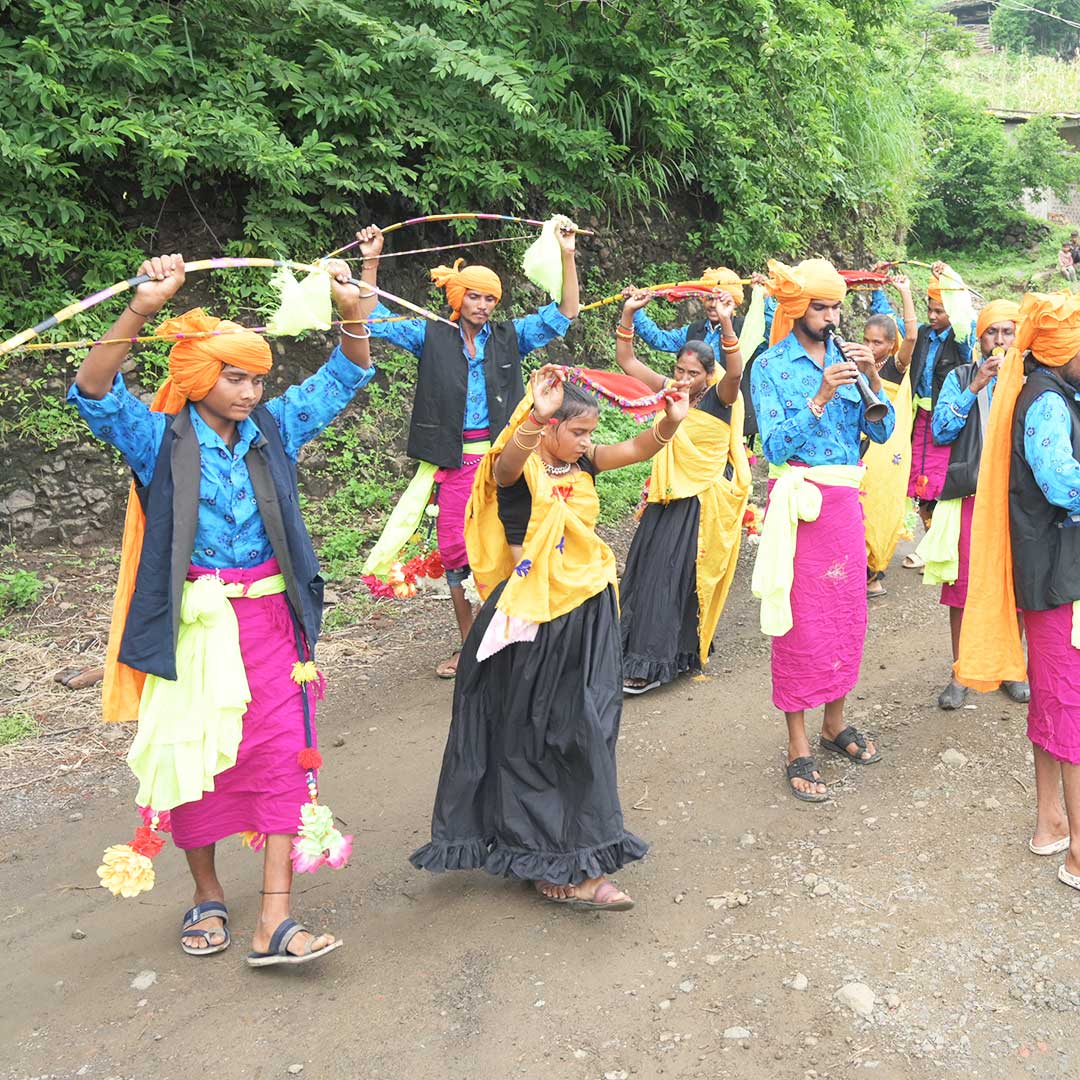
Bhagoria dance -a popular traditional dance of the largest Bhil tribal group of Madhya Pradesh (in terms of population), Bhils, Bhilala, Barela and Palia communities of Bhilanchal of western Madhya Pradesh. In Bhilanchal, the special weekly market held just before Holi is Bhangarya or Bhagoria Haat, where the members of the Bhil tribal group dancing in groups revel in this artistic unique group dance. This festival happens once a year and is a large gathering for people from people all over the Bhil tribe community. This festival also gives room for each other to mingle as well as new people to get to know one another. The lucky boys and girls are also given an opportunity to choose their life partner of their choice at this fair. Listen to the shaking dance with the Bhagoria festival in the ground.
Introduction and History
Beginning and Background
Bhagoria dance is associated with the Bhil tribal group it is best to make an understanding of the tribes before we know about Bhagoria dance. Bhil, Bhilala, Barela and Palia are included in the list of scheduled tribes prepared by the Government of India for Madhya Pradesh at number 7. We will name them as the tribals of Bhil. This census figure of the year 2011 had put its total population at fifty nine lakh ninety three thousand two hundred ninety one (59,93,291) of the total tribal population of the state of Madhya Pradesh (39.13). It is clear that the population of Bhil tribe is more than that of other tribes in Madhya Pradesh. This tribal community lives chiefly in the areas of western Madhya Pradesh includes Jhabua, Alirajpur, Dhar, Khargone, Barwani, Ratlam, Mandsaur etc. Bhil tribe is one of the most populous tribe in Madhya Pradesh, but it is also seen in Rajasthan, Gujarat, Maharashtra, Karnataka, etc. The term Bhil is thought to come from the root word of the Dravidian language family meaning bow 'Vill' or 'Villu'. The word 'Vill' itself gradually started pronouncing as 'Bhill', which ultimately became 'Bhil'. Bhils in Sanskrit means the one who pierces, 'Bhidanti iti Bhillah' (Bhil). Bhilkumar Eklavya emerged as a great archer in the time of Mahabharata.Bhagoria is the cultural dance of a group of Bhil Tribes. The Bhagoria festival gave rise to this dance. Hence it is performed particularly in Bhagoriahat. Going through the history of Bhagoriahat, it reveals that earlier Bhilanchal was divided in three parts that are called Bhagor, Palwa and Rath. At this time, the capital of the Bhagor state was near what is now Jhabua one of the villages was called Bhagor (which was later named after this state). Bhagwa Settled by Bhagga Raja i.e. Bhagorya Bhairu. This king initiated Vasantotsav at the time of Holi in capital Bhagor. Those were the days when people of Bhil community with their family used to come to participate in that grand fair at Bhil region who used to sing and dance to the tune of traditional instruments. It was such a joyful atmosphere that a special type of dance emerged with joy in that environment. Community interaction is, like, believers out in the wild so this was cool. After that, new connections were developed over there and some nice goods were bought as well. This multi-dimensional festival came to be known as Bhagoriahaat and rainbow dance performed in Bhagoriahaat were called Bhagoria dance.As the month of Phalgun arrives, preparations are made for the festival of Bhagoria. Other weekly markets before Holi are Tyoharia Haat, Gulalia Haat and then Bhagoria Haat. Now in the first two Haats, the things of Bhagoria are purchased and sold but the Bhagoria Haat is special. In some regions of Bhilanchal, 'Bhagoria' is called 'Bhangarya' or 'Bhongarya'. As it is written in this folk song "Aayo re bhaaya, bhangaryo aayo.Vaaryo, gulalyo, bhangaryo aayo.Bhangarya or Bhagoria has been a major constituent of the Bhil tribe's social fabric. People from this community arrive for Bhagoria dance with their families, and are dressed in traditional Bhil costumes and adornments. The bang of big drums, mandal, bronze plates, bells, vahali i.e. flute, fefaria etc. compliments the dance while the music brings jubilation to the surroundings. This dance is a traditional culture and heritage of the Bhil tribe which shows us their traditions of ancient times and social aspects as well. The festival of Bhagoria is celebrated by the Bhil community even now with the same faith as it has been celebrated in the past. It expresses love in return, a quest of finding happiness in parting and social joy as well.In spite of the transformations witnessed by many of the traditional festivals and dance forms of the Bhil tribe during the British regime, Bhagoria dance has managed to live by its actual identity as well as significance. It has formed its own identity in particular and in general in the form of art, and became national due to its artistic nature. This dance is now not only significant in different cultural events, rituals and festivals of the Bhil community but has been also instrumental in welling to her tourists. Its visitors come from near and far. The dance has been beautifully passed from generation to generation as a hallmark of joy along with a sense of the community coming together.
Cultural significance
Next, we will discuss why Bhagoria dance is important culturally. The importance of this dance stems from the social, religious, and cultural heritage of the Bhil tribe. Not only this dance form is one of the customary art names but also holds an integral part of the traditions and culture of the Bhil community. Now the cultural importance of Bhagoria dance has been explained through certain points in this video:One purpose of this dance is to allow young men and women the opportunity to select each other and propose marriage. In Bhil community, this dance reflects love and marriage. Bhagoria Haat is one of the most prominent social events of the Bhil community, not only for the purpose of trading, but to meet, reinforce mutual relations and reinforce social relationships. This dance symbolizes the cultural heritage of the Bhil tribal group, and is a method of socio-cultural tradition transmission.The dancers wear basic Bhil clothing and perform during this style of dance. It represents a form of cultural attire of the Bhil tribal community. Local music is played in traditional Bhil instruments during the dance and the Bhil musical tradition is maintained to this day. Bhagoria dance is a symbol of consolidation of the community and identity of the Bhil tribe. This is the dance form that unites the people of Bhil society on a single platform where they relive their cultural and social types of basically. Today Bhagoria dance also proved to be an attraction for tourism which impact to the economic development of Bhil community. This fair and dance help promote tourism and increase local business.
Information about Bhil tribe
Now, let us get up close with the Bhil tribe. Thus, it is one of the largest tribes of India that is primarily based in Madhya Pradesh. It is a tribe with its own culture, heritage, traditions and social life.The history behind this tribe dates back to ancient times. In fact, the term Bhil is said to come from the word "Vill", which means "bow" as stated above. The tribe is well known for its use of bow and arrow since the early ages. Bhils are even featured in ancient texts such as Mahabharata and Ramayana. The villages of this community will generally be settled high in the hills or forests. Bhilil is the core language of Bhil tribe,In addition Bhilali Bareli, and Palia languages are also spoken by relatives tribes. Besides this, people of this community also speak Hindi, Gujarati, Marathi and other regional languages at some places. Society among the Bhil tribe is patriarchal, with a man (usually) acting as a family head. They have a tribal society and each clan has a chief. The principal occupation of the Bhil community revolves around agriculture and forest products. Farmers grow jowar, millet, corn and oilseeds. In addition to this, their traditional occupations also include hunting and fishing. Bhils most important festivals among the rat, Holi, Diwali and probably the most of Bhagoria. The Bhil religion is centred on nature and ancestor worship. They worship a myriad of gods and goddesses [9], with Mahadev, Kasumar Dev, Velun Dev, Khalun Dev, Bagasa Kunwar, Khedo Dev, Bakasiya Baba, Harhel Baba, Khetarpal, Bhilwat Dev, Wagh Dugra, Babadev, Gadu Thakur, Bhairu Baba, Hardman Baba, Guhaji Baba, Kala Bhairava, Baneshwar Mahadev etc. being the prominent male gods and Satmata Mata, Badi Mata, Bodri Mata, Jari Mata, Mari Mata, Shitala Mata, Chhati Mata, Banjarin Mata, Hovan Mata, Sawan Mata, Jasman Mata, Shambhu Mata, Choran Mata, Likhari Mata, Lalbai-Phoolbai, Ghinchari Devi, Kansari Mai, Rani Kajal, Dharti Mata, Nakti Mata etc. being the prominent female deities.The Bhil tribe people use the word Naas to express dance. Other than performing Bhagoria, the traditional dance of the Bhagoria Haat, people of this tribe perform traditional dances like Dhudi, Pali, Amo-Samo, Khandliyu, Khatliyu, Dindio, Gera, Thalia Thok, Ghumryu, Hatiyo, Bhagghungharyalo, Undediyu, Ubo, Avalo-Savlo, Mahakiyo, Garba, Dharaviya, Mandvo, Hanio, Aarpaar, Thahukawaniyo, Manodiyu, Ghor, Gholavaniyu, Ugalvaniyo, Behadio, Batli, Dodavaniyu Farkyo, Fero Farkyo, and Chhakli on different occasions. For the dance, there is a special importance in the Bhagoria Haat.The Bhil men usually wear dhoti and angarkha, while the Bhil women wear Ghaghra, choli and odhani. They wear their customary accessories on exceptional events, and their regular adornments are additionally special. These tribes have been provided with schemes for education sector, health sector as well as employment sector. Bhil, one of the several tribes in India having a rich colour and variety of cultural and social heritage. That is their traditions, customs and lifestyle which is different from other tribes of India. The Bhil tribe has a rich cultural heritage that cannot be replaced, and their Traditional Knowledge System is an invaluable asset for our society but needs to be preserved and promoted.
Characteristics of the Dance
Let us now explore the features of Bhagoria dance. This dance is one of the most vital traditional dances of Bhil tribe and you can see it performance during the period of Holi at the Bhagoria Haat as earlier reported. This feature is what makes this dance different and part of the culture.
Key Features
1. The Bhil community finds an opportunity to propose marriage to the life partner of their choice during the traditional dance Bhagoria. Within this society, this dance embodies the concept of love and marriage.
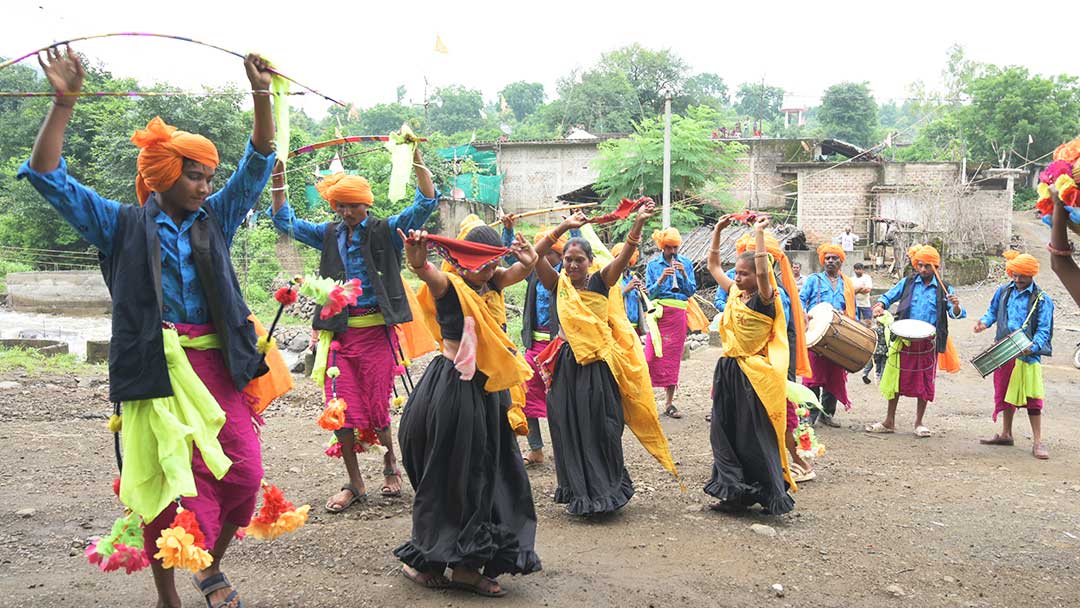
2. Traditional costumes Dancer dancers in traditional Bhilli costumes during the dance. Males will buy dhoti, kurta and turban and ladies will want Ghaghra Choli and Odhani. Their jewelry and makeup also belong to the old tradition.
3. Type of music and instruments: During this dance, initiated by reason of conventional Bhilli music is used. Various instruments; such as, modal, flute and shehnai and dhol maintain the rhythm and adds to the pulse of beat of the dance.
4. Dance StyleThis dance style represent the excitement and energy. The dancers step in a circle, stepping to the beat of the music. The movements of the dance are free and excited, and that is what makes this this this dance more Attractive.
5. Cultural and social significanceThis dance plays a crucial in the social and cultural lifestyle of the Bhil people. It is also associated with all of their traditional festivals and fairs. It is performed to foster a sense of community and identity.
6. Here is performed at a fair known as Bhagoria Haat, which occurs just before Holi. The Bhils organize this fair under a tree, which is an important socializing event for each and every person of this community to dance and sing.
7. Present significance and tourism This dance is still significant even today. This dance is now a point of attraction for many tourists arrived from far and near to see and feel the traditional practice of Bhil culture
Common Steps and their Descriptions
The different steps of the dance are called padas and contribute to its postures and grace as well as the use of various tools in it reflect the uniqueness and cultural heritage of Bhagoria. These mood steps not only add vivacity into the dance but also excite and energize it.
1. Aadi Taal: it is the first step in the dance. With the dholak or mandal beats, the dancers form a circle and move. In this padmudra dancers step-in same direction according to the beats and this brings the harmony of the dance.
2. Rotating Steps — the dancers moves around by rotating in its place. This step introduces a quick and zealous motion to the 춤살. They dance in circles with each other and in a rhythmic way move their hands. During this step, the dancers typically flutter their traditional costumes, thereby making the area incredibly picturesque.
3. Same Direction: Here the dancers move together in the same direction. This step is full of harmony and unity in dance. These dancers would then lift their legs in unison and slowly bring them down, and this repetition gave the dance a pulse and a rhythm.
4. Crossing Step The crossing step involves a forward step where the legs cross each other. This step
which brings the variety and complexity to the dance. They move away from each other in either direction, then return. Here, the dancers also cross hands and move, which indeed adds so much to the scene.
5. Jhoomta Kadam: The dance is a way for the dancer to incorporate cheer and vigor into the dance Here, the dancers swing their body slightly forward. They sway with each other in perfect rhythm, and they both wave their hands with the music. With this step, a beat gets generated that synchronizes the dance, which thrills the performers and spectators.
6. High Jump — Here the dancers take a high jump from their position. This move is a sprinkle of flavor and excitement to the dance. They do a jump in unison, and then return to their spot and sync to the beat. This step makes this dance scene very attractive and lively where dancers swing their traditional clothes.
The below explained commonly used steps of Bhagoria dance reflect the richness and diversity in the dance. The integration of rhythm, beats, and energy works brilliantly in these steps that captivate both the dancers and the audience. However, these steps preserve and keep the cultural identity of the Bhil tribe alive and relevant, while also making the Bhagoria dance distinct.
Rhythm and Tal
Now, let's learn the rhythm and taal of Bhagoria dance. Enthusiastic Indian muse are the most up to date, produce this pretty one of a kind and amazing Indian muse as the Taal and Rhythm of Bhagoria dance moves extreme. The dance also goes back and forth in its rhythm and taal, which regulates exuberance, influencing how the dancers balance their movements, and in return, how deep or joyful the experience of the audience is going to entail.
Understanding the rhythm and beats of dance
1. Rhythm and Beats: Rhythm is the skeleton of the dance and is made of a specific number of beats. Rhythm has a particular importance in Bhagoria dance, as it regulates the steps and movements of the partners who are performing the dance. Drums, modal and other percussion instruments have been serving rhythm. The dancers use rhythm and beats to walk their footsteps and dance. The colorful drill of Bhagoria dance has lively status that gives the movement its own energy and vibrancy.
2. Rhythm structure: The rhythm structure in this dance is quite simple yet attractive. The most predominant rhythm is that of 8-matra, or the Aath Maani rhythm. Then there are also 6-matra and 12-matra which are used in a few dance forms. The dancers adjust and rise their number of steps maintaining the synchrony and balance in the dance in accordance with the rhythm. As another example, the dancers in Aath Manital repeat their footwork after every 8-maatra.
3. Tempo of rhythm: Generally, the rhythm of the Bhagoria dance is at a fast and more enthusiastic pace. The dancers speed walk and continue to tank their energy. At different points in the dance, the tempo of the rhythm may vary. At the beginning of the dance, the rhythm might take a little while, which gradually speeds up. By alternating between slower and faster movements, the dance becomes more dynamic and interesting.
4. Use of Music and Instruments: Several instruments support the rhythm and beat of this type of dance. Rhythm and beat of dancese are maintained through instruments like dhol, mandal, flute and shehnai. The rhythm is the dhol or the mandal, and the sweetness is provided with the help of the flute or the shehnai.
5. Beat and Rhythm Coordination in Dance: This dance makes coordination of rhythm and beat that makes the dance lively and attractive. Dancers follow the rhythm and shake different body parts to the beat. This is because perfect coordination of beat and rhythm keeps the dance uniform and in harmony, thus making the dance performance even more fascinating.
6. Rhythm and Taal Teaching: The teaching of rhythm and taal is taught in the first few dance classes of this dance. The dancers learn rhythm initially and then concentrate on rhythm. Dancers are made to practice the different types of rhythm and taal so that correct rhythm and taal is maintained while performing the dance.
Knowledge of rhythm and taal stands as the unique identity of this dance. Rhythm serves as the skeleton to the dance, whereas rhythm gives the pace and guidance to the motions of the dancers. Because of this, the dance will come alive and becomes aesthetically interesting which is a source of joy to the dancers and is a delight to the spectators. In this way, uniqueness of Bhagoria dance itself makes it a unique cultural heritage.
Different Types of Taal and Their Uses
Now let us attempt to learn about a variety of Taalar kinds and their withinside the Bhogara dance. Various taus, along with their use in this dance, give a structure and rhythm to the form of the dance. There are almost three major classes of taals to be found in Bhagoria dance, eight mane taal, six mane taal and twelve mane taal.
1. Eight mane taal: The eight mane taal is both the most common and the distinguishable taal in this dance form. Dancers step through it with balanced and harmonious movement over eight beats. Initially and in the main steps of the dance, we have this taal (that means we have a word about the rhythms) when the dancers move around in a circular fashion and doing Movements of hands in accordance with the beats. Mane taal further ensures a consistent balance between steady beats during the dance.
2. Six Mani Taal: Six Mani Taal consists of six beats, being utilized in the mid and of course fast-paced dance movements. The Taal here is one full of energy that quickens the dance. On this Taal, the dancers are fast-moving and flaunt their body movements accordingly. The six Mani Taal create a lively and infectious energy within the dance, which propels the dancers and audience alike!
3. Mani Taal in Twelve: Mani Taal adds intricacies and diversity to this dance. There are twelve beats to work with, and the dancers use these beats to show off their steps in a more detailed, complex way. This Taal is played for the uppermost levels of the dance and for unique events. The beauty and grace of the dance increase-with unique dance postures, performed during the dance by the dancers of the sixteen Mani Taal.
The dance has different types of Taal which gives the dance structure and rhythm. The eight Mani Taal, six Mani Taal, and twelve Mani Taal are equally used to provide balance, speed, energy, and complexity to the dance. Correct and harmonious use of these talas makes the dance lively and attractive, thus appealing to the dancers and spectators. The fact that Bhagoria dance is a tal system based dance makes it different from many other regional dance performing arts and more culturally rich.
Costumes and Instruments
Now let us understand about the traditional and modern costumes of the Bhagoria dance. It is raised its uniqueness attraction levels due to traditional modern costumes. This dance is performed as an element of cultural heritage of the Bhil tribal group, the costumes worn here represent their identity and tradition.
Traditional and Modern Attire
Traditional Attire:
1. Let us now know the traditional attire of men. Men wear white or coloured dhoti and kurta. Dhoti is wrapped around the waist and kurta is long sleeved and they also wear traditional safa or turban on the head which is colourful and is tied in a special way. Their traditional jewellery includes bangles, toe rings, and earrings.
2. Likewise, the women wear colourful ghagra (long skirt) and choli (blouse)as traditional attire. It is decorated with their traditional embroidery and designs They adorn a dupatta (scarf) for the head and shoulders, colourful in design and wrap in a distinctive style. Jewellery for Ring size for Lady comprises jewellery comprises of bangles, necklaces, nose rings, rings, and anklets. These ornaments are a significant part of their traditional dress.
Now, take a look at their costumes in modernity and lets understand how they relate to things we are already familiar with. Today, men wore shirts and trousers which make them contemporary in addition to traditional attires. Men also wear jackets and blazers. This type of costumes are worn at play during the event. Many women also wear sarees instead of Ghaghra Choli, as it appears modern to them Another modern costume is the salwar-kameez, which women wear when dancing. Bhil women are adopting the latest contemporary fashion to preserve their culture through modern designer costumes, a combination of test - traditional and modern costume.Bhagoria dance costumes: Traditional or modern costumes; it plays a significant role in retaining the uniqueness and cultural heritage of the tribe. The traditional Bhil tribe costumes reflect the cultural identity of the dancers while the modern costumes impart a contemporary look to the dance. The mix of these costumes creates an exceptional and eye-catching appearance of Bhagoria Dance, hence both performers as well as spectators can enjoy this cultural festivity to the utmost.
Characteristics of costumes and their cultural significance
Without further ado, let us take a look at these costumes and their cultural importance. These are the traditional attire and modern attire and their characteristics and cultural significance in Bhagoria dance:
-
Traditional men's:
Costume of Men : White/Coloured dhoti and long sleeved kurta. You can dance in the clothes that are fully comfortable. They also hold cultural significance. The Bhil tribe have their own specific traditional costumes that are generally used by them. This dress represents their background and their free spirits. The specially tied multi – coloured turban on head has cultural significance as well as a symbol of head honour and pride of men also. It signifies social and cultural prestige in Bhil society. Wearing jewelery such as bangles, toe rings and ear-rings etc. more closely connected with the identity of commnunity and culture. Social prestige is also reflected in them. These ornaments made of silver, gilt and precious metals follow age-old design styles keeping with tradition.
2. Traditional dress of women:
Embroidered and traditional Ghagra (long skirt) and Choli (blouse) worn by women. Bhil women have their own traditional dress Ghagra Choli. It also expresses their cultural heritage and social standing. It represents their lifestyle and culture. Not only does Odhni cover the head and shoulders, but colorful Odhni (dupatta) is also a symbol of modesty and honor of women. Part of this traditional dress which is too closely related to social and religious basic of individual. Ornaments include prominent bangles, necklaces, nose rings, earrings and anklets. The traditional ornaments of women show their cultural and social identity. Such ornaments beautify them and prove to their social status. These are made of conventional metals and patterns.
Features and cultural significance of modern dresses:
-
Modern dress of men:
Similarly, the emergence of wearing shirts and pants in place of traditional dhoti-kurta is another sign of modernity prevalent among the Bhil youth area, which signifies the natural tendency of all people to keep in tune with the prevalent trend of society. We also need to look at that from this angle as well, that yes their hobby of wearing jackets, and blazrs on special occasions is also a part of their lifestyle. This dress represents the traditional and modern lifestyle of this nation. It is also indicates some consciousness towards the surrounding environment.
2. Features of contemporary outfit of females
In Indian society, saree is the traditional dress, it is also worn by many Bhil women. This gown has a classic-modern vibe. Salwar-kameez is comfortable. This unconventional attire has now turned out to be the preferred outfit of the Bhil girl. This dress is a fusion of their modern and traditional values. Fusion dresses are traditional but contemporary.Lastly but not the least, fusion dresses are the mirror of the Bhil society fashion and cultural practices. This is one of the most famous costumes over youth who blend its Moore with modernity.The replete presence in this dance of both traditional and modern costumes not only make the dance itself a more attractive and graceful experience but also preserve and unveil some of the rich cultural heritage and identity of the Bhil community. Traditional costumes uphold the traditions and culture while as contemporary costumes, on the other hand, speak of a changing environment and modernity. These costumes together form a culture-specific phenomenon, providing to a unique cultural experience when combining the dance of Bhagoria.
Main instruments and their identification
The next step will be to know the main traditional instruments which are played during the Bhagoria dance. Their form (shape), dimension (size), structure (Material composition) and the musical notes generated by them, differentiate and make them distinct from one another and when their combined musical waves are combined together, they multiple times, adds happiness and joy to the twirl and dance of Bhagoria. This specific tune and rhythm provided by these Instruments play an important part in providing speed to the dance. Some of those significant instruments are Dhol, Mandal, Vahali (the flue), and Fefaria (Shehnai):
1. Dhol: The primary instrument of this dance giving it a rhythmic deep and heavy sound. That it regulates the rhythm and beat of the dance and allows the dancers to maintain their steps in the correct rhythm. Bhil community people have variety of drums. Bada Dhol is special. The beats in this song charges up the spirit of the dance, and this excitement is not just among the dancers but also among the audience. Its deep sonorous sound sets the beat and tempo the heart of the dance. It is usually crafted out of wood and animal leather. The thrill of dhol fills the dancers and audience with exuberance, making them sway to the euphoric beats of dhol.
2. Mandal: The Mandal is an equally important instrument that produces a sound lighter and sweeter than the dhol. It makes an abundance and stable tempo and rhythm. The beat of the Mandal assists the dancers to maintain harmony and synchrony in their posture. No Bhagoria dance is complete without the Mandal. This is a type of dholak that is played on both sides, in which, it has been traditionally played in the fold of Bhil tribe during many occasions.
3. Vahali: It is a melodic instrument and Vahali i.e. flute enhancing the melody and tone of the dance. The sound of flute makes the dance exciting and colourful. The dance has a slow and fast phase, and this instrument is used in both the phases of the dance, and the dancer uses this instrument to convey their emotions. Vahali, made of bamboo, has a comforting sound. The pleasant sound of the sitar is a key element to the emotions expressed in dance.
4. Fefaria (Shehnai): The sound of this instrument is soft and heart-touching, used in the Bhil tribe dance of the Bhil tribe, which is a very important instrument. The sounds of Shehnai provide a spiritual, cultural flair to the setting of the dance. This instrument deepens and enriches the seriousness of this dance and gives it a greater gravitas. Instrument Background: Used in most weddings and other major rituals in addition to dance.
Their Sound and Uses
Now, let us know the sound and playing with of main devices in Bhagoria dance. The sounds of the instruments (used in Bhagoria dance) serve to play an important role in the original soul of this dance. The rhythm and beat of the dance are distinctive due to these instruments. Drums, mandal, flute, and shehnai by both keeping the dance in tempo and by filling it in with artistry. In this way, they also maintain the culture and traditions of each Bhil tribe. A unique and rich cultural display is made when these instruments harmoniously engulf the dance where both the dancers and the spectators enjoy.
Conservation and Modern Influences
We will now discuss the some means of the conservation of traditional styles and forms. Especially with regards to the conservation of traditional styles and forms, that is to say of craft practice, the conservation of local and regional integrity is inextricably linked to community identity. Traditional dances such as Bhagoria dance follow big methods and styles with respect to their conservation. This encompasses, educational initiatives, all cultural programs and participation in those as a community.
Conservation of Traditional Styles and Forms
Schools and cultural institutions must support curriculum that is grounded in traditional dances and arts. It gives information and training to the young about their culture. Fostering the age-old Guru-Shishya parampara – where veteran artists impart the traditions of their art form to the next generation of artists This method also contributes significantly to the preservation of the traditional styles and forms. Conducting Local and National cultural festivals where traditional dances and arts are showcased. It gives the artist an exposure which glorifies the name of the artists in front of the public.How to conduct traditional dance competitions to perform and get a reward. It motivates and pushes budding artists. Establishment of local community dance groups to preserve traditional dance and arts. These groups arrange cultural programs and assist artists. Arranging community workshops to provide training in native dances and arts. Not only does this method serve to teach skills, but also builds our ability to organize as a community.This preservation of local traditional styles and methods is significant in safeguarding cultural heritages and also receives special attention when it comes to keeping local communities within structures. By applying educational approaches, cultural programs, involvement through community, media and technology we can save traditional dances and arts.
Role and impact of media in education
Similarly, what is role of media in Bhagoria dance and role of Bhagoria dance in education also in it. Just two examples are education and media, both of which play essential roles in cultural development. Through this, the social awareness about Bhagoria has to be created, as Bhagoria dance is an ancient cultural heritage, thus through education and media Bhagoria can be made a medium of cultural awareness in the society.
- Through implementation of Bhagoria dance in school and college curriculum, the students will get education of Indian culture and tradition of Bhil tribe. Such dance could be a major part of cultural teaching that binds the youth with their roots. Dance workshops should be organized, in which the intricates of different styles of Bhagoria dance may be imparted. In addition to dance forms, this also fosters knowledge of cultural values and traditions among students.
- Reveling in traditional folk dance of Bhagoria develops community and social coordination. Multiple community reach play a form of culture in a harmonious society. Dance also helps to train practiser in terms of physical conditioning, movement vocabulary and improvisation. It could aid students in a wholesome and intellectual way, which helps strength and body development.
Effects of Media:
Television and online media, in particular, can be a significant avenue to propagate this dance. People will learn about it and see it through dance performances and documentaries on it giving a higher awareness of the culture. Media coverage of cultural festivals and events brings the art form of the dance to the masses. It generates excitement and comprehension of the dance among the people.
- Digital distribution of video tutorials and documentaries of Bhagoria dance However, this type of documentation is important for the survival and retention of the styles and methods of the dance. Putting out different features of the dance on social media provides it with exposure to the youth and a worldwide audience. In fact, hashtags, posts and videos can promote the dance culture.
- In the cultural and educational sense, the knowledge and media of this dance have a huge effect. Education helps to enhance cultural knowledge and skills, and media helps to circulate the popularity and awareness of the dance on a large scale. The integration of these two not only aids in the preservation of cultural heritage, but actually contributes to the accessibility of it to new audiences and identity building within the society.
Incorporation of modern elements in the dance
Now lets discuss some modern aspects of the bhagoria dance. Bhagoria: A folk dance of Bhil tribe. The incorporation of modern elements plays a role in taking it to a new and attractive form. The distinctive collection of contemporary elements in this traditional dance is not only enriching our cultural heritage but also making it more closely about to the present-day audience.There is a minor alteration in the postures and the moves of the ancient dance, and the aspects of modern dance styles like the hip hop and the jazz. As a result it is adding diversity and creativeness in the dance form. The new postures and steps designed by modern choreographers along with traditional choreography keeps this dance looking fresh and contemporary.Traditional attire is accompanied by modern designs as well as materials like shiny and light fabrics that are more comfortable and attractive while performing folk dance. These clothes represent the dancer in both her contemporary and original form. The integration of new fashion accessories with traditional jewellery or decorations enhances the dancer's appearance into scintillating modern style as well.This combination of new aspects into a dance really preserves it, gives relevance to it for the begining generations. Through modern music, dance styles, costumes and media, the dance takes on a new and contemporary clothing while maintaining traditional beauty. Not only does this transform the value inherent to the dance, but also reframes that sacred piece within the world.
Conclusion
Bhagoria dance is a major cultural dance of the Bhil tribe of Madhya Pradesh, which is a reflection of their rich traditions, lifestyle and social structure. In this 2-hour course, we will get a comprehensive understanding of Bhagoria dance from its origin and historical background to its techniques, rhythm, costumes and instruments. The aim of this course is to make the participants understand the characteristics of Bhagoria dance and the importance of its preservation.
Review of Key Points and Techniques
The Bhagoria dance is one of the most prominent folk dance forms of the Bhil tribe prevalent mainly in the western region of Madhya Pradesh. Mostly this dance is performed at the time of Bhagoria festival that takes place on Holi. The origin and history of the Bhagoria dance can only be traced within the context of the cultural and social legacy of the Bhil tribe. The Bhil tribe is one of the oldest and major tribes of India and lives naturally. The Bhagoria dance reflects the culture, traditions of the Bhil tribe and their community life. This is not only a cultural program but also an important day for Bhil tribal youth to select a life partner.FT: This dance has a special cultural significance because it reflects community, celebration, and collectivism. The dancers during the Bhagoria dance wear traditional attire of the Bhil community, the women wear colorful saris with jewelry and the men wear dhoti kurt and turban. While performing this dance, the dancers dance in a circular manner and adapt the rhythm of their steps to the sound of musical instruments like dhol, modal, and turi.The features of the Bhagoria dance rests on its dynamic quality and the mass loss in the music. A lot of various dance types and variations are included in it, which makes this dance much more diverse. The dance involves right-left tilt, circular rotation, posture to be adopted and various methods and types of rhythm through which the dance becomes a dance with barely any attachments between the two subtle bodies. For the rhythm and beat of this dance to make sense → there must be consonance of both the dancer and the musician.Bhagoria dance is accompanied by Dhol, Mandal, Turi, and Thali as the major musical instruments. The sounds from these instruments add to the liveliness of the dance and give it a lot more appeal. These are also employed to configure the speed of the dance so dancers can dance to the beats. Bhagoria dance is also known for its costumes apart from this. The dance is accompanied by traditional musical instruments and the costumes and ornaments adorn the dance depicting the cultural value of the dance.The experiences with preservation of Bhagoria dance However, this dance has successfully been able to preserve its tradition and ways despite the modern day obstacles that it has faced. The preservation of this dance has been supported historically via Education and media. This dance has been not only saved but also made the present generation aware of its value through these forms.Bhagoria dance is one of the ancient dance forms but few modernities can also be noted in this dance. A lot of new features have been included today in this dance in the way that new musical instruments are being used, new dance type systems are being used. Now this dance is not limited to Bhil tribe only, it is being performed on national and international levels as well.This course will be helpful to all, not only Bhagoria dance lovers but also all Indian tribal culture and dance form lovers. In this course, you will learn not only the techniques of this dance but also the cultural significance which is a prominent part of Indian cultural heritage.