

Saitam and Saila Dance
The "Saitam and Saila Dance" course offers an exploration of the traditional dance forms. It covers the dance's origin, cultural significance, key techniques, rhythms, costumes, and instruments. The course also addresses the conservation of these styles, concluding with assignments to deepen understanding.
 Most Viewed
What you'll learn
- Historical Background : Understand the origins and cultural significance of the Saitam and Saila dance forms.
- Dance Techniques : Learn the key features, techniques, and common steps of these traditional dances.
- Rhythm and Taal : Gain insights into the rhythms and taals that define the dance's musical structure.
- Costumes and Instruments : Explore traditional costumes and the musical instruments used in performances.
- Conservation Efforts : Discover methods to preserve and promote these traditional dance forms in modern times.
Couse Features:
- Bite-Sized Modules : Concise sections for easy learning and engagement.
- Interactive Q&A : Dedicated time for addressing common questions and clarifying concepts.
- Cultural Insights : In-depth exploration of the Mawasi tribe and the significance of their dance traditions.
- Multimedia Content : Engaging "Bytes" sections with visuals and audio for enhanced learning.
- Assignments and Conclusion : Practical assignments to reinforce learning and encourage deeper understanding.
Who Should Enroll
- Individuals interested in exploring the rich heritage of traditional dance forms.
- Aspiring dancers looking to learn unique techniques and rhythms.
- Those studying the cultural significance of indigenous traditions like the Mawasi tribe.
- Professionals aiming to broaden their teaching repertoire with new styles.
- Individuals passionate about preserving traditional art forms and methods.
Description
SAITAM AND SAILA DANCE
Introduction and History
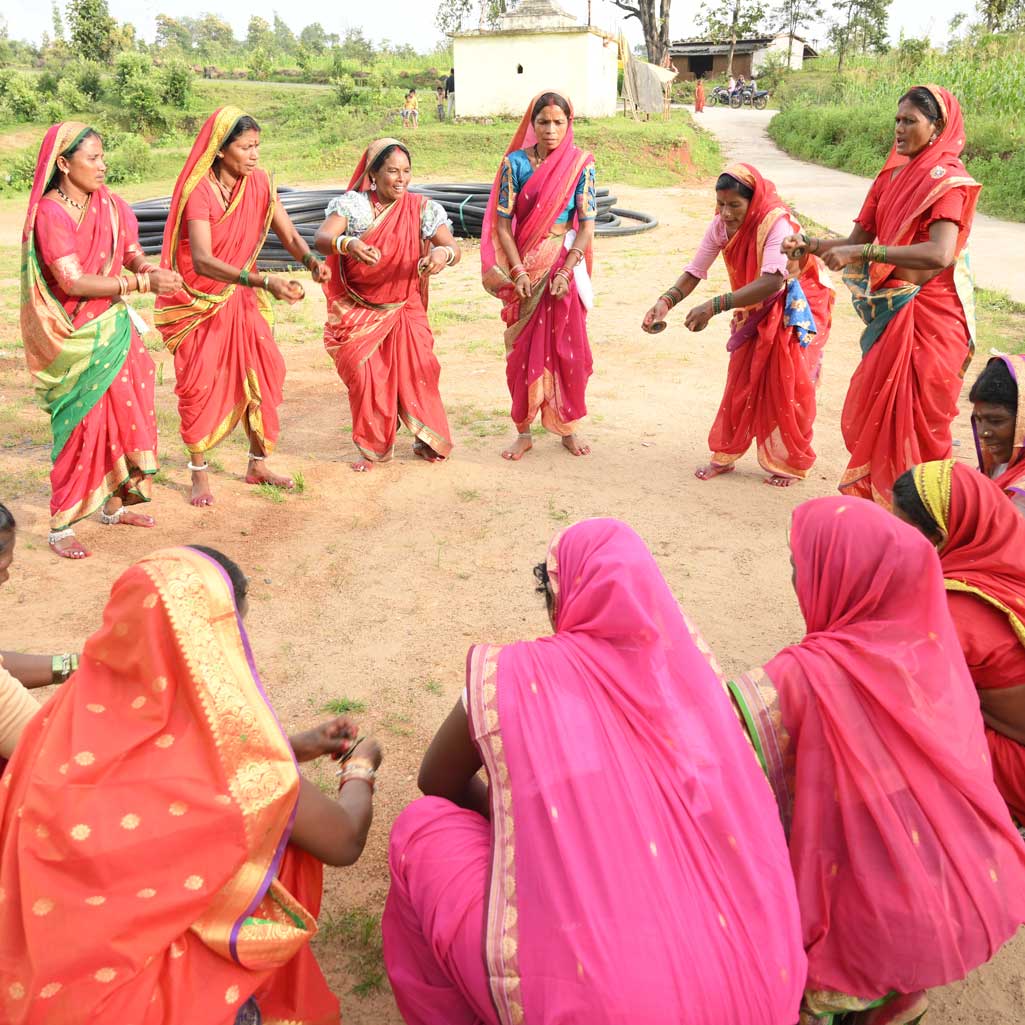
Saitam, Saila dance is a traditional folk dance of Mawasi tribe of Madhya Pradesh which forms a big part of their cultural features. The dance is predominant in the region of Vindhya and Satpura mountain ranges in the state of Madhya Pradesh, where inhabitants of Mawasi tribe live.
Historical Context and Origin
Saitam, Saila dance is an old folk dance of Mawasi tribe of the state of Madhya Pradesh and it is a major constituent in the cultural heritage of this state. This dance was created in Vindhya and Satpura mountains range of Madhya Pradesh where maximum population of the Mawasi tribe lives.The principal aim with regard to the emergence of the dance was to encourage the spirit of unity and the community among the tribal society. Saitam Saila was conventionally deployed on times like agricultural and hunting seasons most especially during harvest and i.e. hunting of wild animals. During such occasions, everyone in the community would assemble and the dance was part of their religious activities as well as celebrations.Speaking of the historic essence, the Saitam Saila dance has been related to the traditions and religious ideas of the Mawase tribe since the distant times. This dance was specifically done in the process of worshipping the deities and ancestors of the tribe. The Mawasi society thought of it as a representation of communality and community festivities. The nature is its main source of inspiration in its style of dance and its tunes are very beautiful and it has marvelous inclusion of the voices of mountains, rivers and forests.The culture of Mawasi tribe revolves around Saitam Saila dance. To them, the dance is not only a way of entertaining themselves, also how they live, culture and religious beliefs. Even the pattern of this dance has another transformation over time however, the essence of the dance still stands out and is still important as far as culture is concerned.
Details regarding the Mawasi people
Mawasi tribe is one of the prime or leading tribe of Madhya Pradesh which is as much a part of the cultural and social history of the place. Tribal diversity also happens in the life of Mawasi tribe, its traditions and its cultural activities that constitute the life of this state. The mainly population of Mawasi tribe lives in Vindhya and satpura mountains range in Madhya Pradesh. Mawasi tribe has its major habitat as Junnardev and Saunsar region of Chhindwara district. They might have also migrated to other work centres such as Satna, Rewa and Shahdol district. The habitat of this tribe is around forests and hills which is the main source of livelihood. The Mawasi tribe has even a particular language which is also known as Mawasi Boli or Mawasi Parsi. This language is affected by other tribal languages though it has its own uniqueness and sound to it as a tribe. Hindi, as well as the other languages used by the people of the Mavaasi tribe, is not their only language because their language is the primary component of their identity, as far as culture is concerned.
Dance Features
The Saila dance is an exclusive and special component of Mavaasi tribe cultural heritage which is unique due to its characteristics. It is one of the very well-known dances which are distinguished by their own unique style and poses, but also have a great importance socially, culturally, and even religiously.
Important Features
1. Group Dance Style:
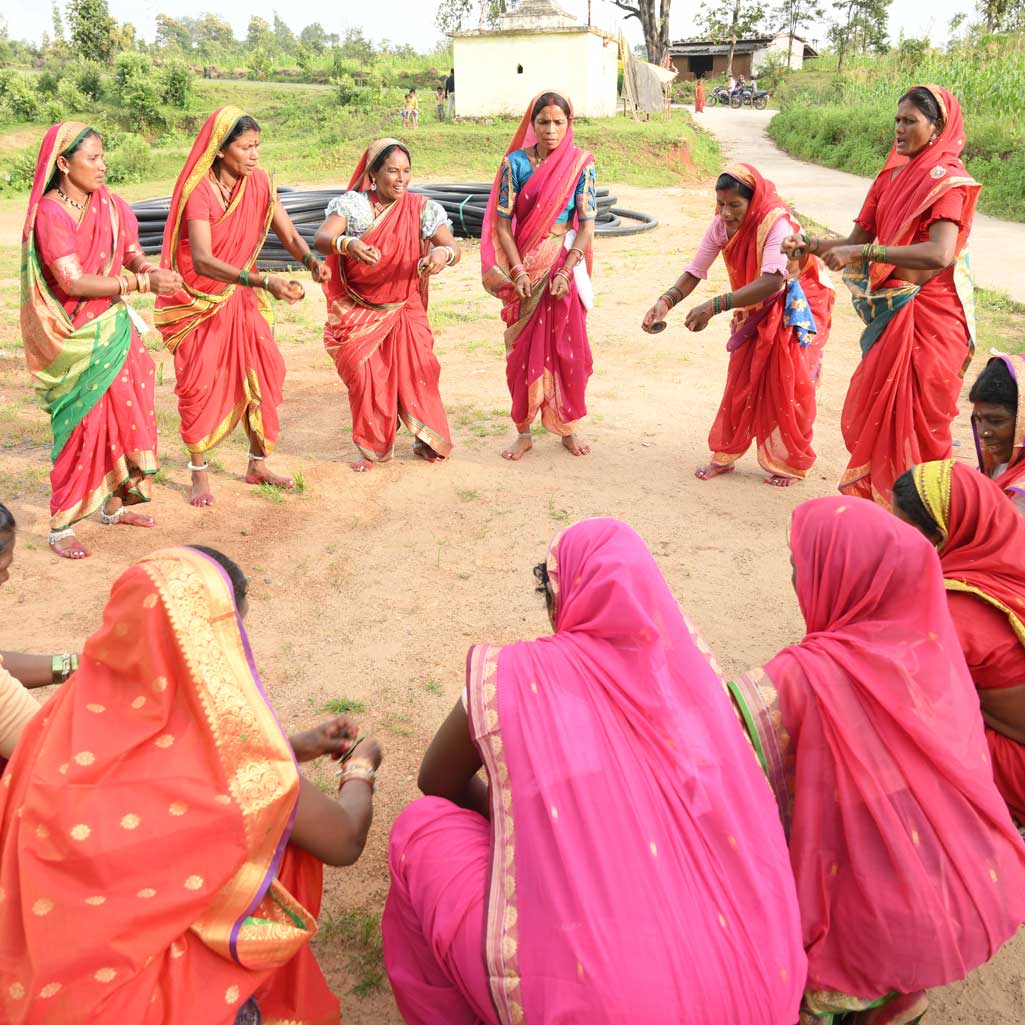
The Saitam, Saila dance is a dance that is performed collectively by both gender. The performance of the dance is done in a group of circular or semicircular form whereby all the people dancing are in one rhythm and. This sense of togetherness shows the sense of belonging of the Mavaasi tribe.
2. Movements Inspired by Nature:
All forms of dancing have the foundation in nature. The improvised dance movements, which are incorporated in the dancing of the body, the use of our fingers, and the movement of our feet are all elements of nature, the waves of the river, the greenery of the trees and the silence of the mountains. The people of the tribe are very close to nature as seen in this dance.
3. Simplicity of rhythm and beat:
The rhythm and beat applied in Saitam, Saila dance is easygoing and regular, which is making the dance pleasant to watch and perform. Slow and medium tempo is usually employed in the dance and in time, the tempo speeds up. The rhythms and beat denote the dancers to reveal their feelings and beliefs.
Important dance styles and variants
Saitam, Saila dance is an inseparable Saitam, Saila component of a certain culture of Mavaasi tribe, the most significant is its multiple forms which are connected with diversity. This dance is adopted in form and different forms and variations which keep changing depending on various occasions, religious rituals and social gatherings of the tribe. Following are details about some of the greatest shapes of Saitam Saila dance and their variations:
1. Utsavdharmi Saitam Saila:
This is the most popular and common type of Saitam Saila dance which is primarily practiced on different festivals that are relative to harvest, weddings and other communal gatherings. The dance moves at a fast pace and it is livelier in this form. In Utsavdharmi Saitam Saila, the dancers are in full traditional costs and jewellery and it is done in teamwork.
2. Religious Saitam Saila:
This is a form that is carried out in the case of religious and spiritual procedures. The pattern of dancing and beat in religious Saitam Saila is slow and the aim of dancing there is to pay respect to the gods and ancestors. The dancers show loyalty and believe in expression and postures in this form. In Saitam Saila a kind of religious atmosphere is formed with the melodies of the instruments and postures of the dance.
3. Hunting-based Saitam Saila:
Hunting occupies an important place in the life of the Mavaasi tribe, and in this context a special form of Saitam Saila has evolved. This dance depicts various aspects of hunting, such as preparation for the hunt, chasing the prey, and celebrating the hunt. The postures and gestures of the dance depict the experiences during the hunt, and this dance is mainly performed after a successful hunt.
Typical Steps and their explanation
An important aspect of the beauty and the uniqueness about Saitam Saila dance is the dance steps involved in it. These procedures took influence by the cultural heritage and a natural environment of the Mawasi tribe. Some of the important actions of Saitam Saila dance are described as follows:
1. Chakrapad (Circular Step):
A significant step of Saitam Saila dance is chakrapad where the dancers dance around in a circle by holding the hands of each other. This is a move that portrays solidarity and wholeness within the group. The dancers go in circle, and step together. Such an action signifies the life of the tribe and their roundish shape as the representation of unity of the tribe.
2. Ardhachandrapad (Semicircle Step):
In Ardhachandrapad, the dancers are in semicircular form where they dance. This is whereby the dancers sway in unison by extending their hands as they go back and forth. This action is because of the moon in shape and done in special religious and cultural rituals.
3. Turupad Sanchalan (Fast Steps):
Turupad Sanchalan is the quick paced movement, where the dancers dance with the quick and lively movements. Steps change very fast and dancers show their energy and enthusiasm. This dance is the expression of the enthusiasm and celebration of hunting or holiday.
Rhythm and beat
Saitam Saila dance has its soul in the rhythm and beat. Rhythm and beat play a particular significant role in this type of traditional dance by Mwasi tribe since they are the rate of dance, the expression and the dancing in totality. Dancers manage not only to represent their art with the help of rhythm and beat, but also to show their inner emotions and common conscience.
Knowing the Taal and Rhythm of Dancing
1. Importance of Rhythm:
The primary vehicle in communication of the feelings of the dancers is rhythm and this is done through every dance step and movement. The rhythm of Saitam Saila dance has its ups and downs, showing liveliness of the dancing, disclosing inner zeal and the energy of the group dancers. Rhythm is closely associated with the culture and the religious beliefs of the Mwasi tribe. It is a reflection of their social structure and the symbiosis that they have with nature. An example is that slow and calm beats of the dance are conducted on religious rites and fast and lively beats on festivals and mass congregations.
2. Understanding Rhythm:
The pattern of regular sound that is organized in Saitam Saila dance is rhythm, the organization regulates the speed and directions of dance. The same rhythm is applied both in the early and late stages of the dance, which unites the movements of the given dancers. There is a deliberate time associated with each taal which must be kept with by the dancers in relation with their steps and postures. Taal in Saitam Saila dance is mainly used to keep the dancers united together. The movement of all the dancers is done to a common rhythm thus producing harmony and unity. The dance has a structured and balanced shape because of the right observance to the taal. The rhythm is kept by using various musical instruments that are traditionally used. The rhythm and tempo in the dance receives life by the dhol and manjira, which are other forms of instrument played by the tribes. These tools do not only cause sound, they also help the dancers to note time and rhythm.
3. Innovation in Rhythm and Beat:
Even though traditional rhythm and beat play a significant role in Saitam, Sailam dance, there have also been observed some inventions in the same throughout the course of time. Today there are some dancers and artists, who use some new instruments and sounds along with traditional rhythm and this makes the dance new and fresh..
Various Taal Types and Their Applications
Taal plays an important role in Saitam Saila dance as it governs the structure, rhythm and tempo of the dance. Taal helps to accommodate the various positions and emotions of the dance and contributes to the overall expression of the dance. Here is a description of the different types of Taal used in Saitam Saila dance and their use:
1. Vilambit Taal (Slow Taal):
Vilbit Taal is a slow Taal and the dancers step slowly and steadily. This Taal is to open the dance or to indicate meditation and religious emotions. During religious rituals and prayers this Taal is particularly used. This Taal is applied when the dancers render tribute to deities or ancestors, and it is created to portray their feelings to the bottom. The movement of the dancers in this Taal follows some kind of rhythm and is thus calm and stabilizing to the mind.
2. Madhyam Taal:
Madhyam Taal is neither too slow nor too fast tempo. Here the dancers perform with balanced and steady steps depending upon the rhythm. It is rhythmic and energetic and this rhythm regulates the tempo of the dance. General social and cultural events adopt the use of Madhyam Taal because the aim of the dance is to entertain as well as to encourage unity. The rhythm is applied in harvest festivals, marriages and group singing, in those events, the rhythm of the rhythm entails the concentration of the dancers and the viewers.
3. Tej Taal:
Tej Taal is vigorous and ardent where the dancers have swift steps and the rhythm of the dance also gets faster. This beat is applied in order to portray the drive and euphoria of the dance. Tej Taal is primarily performed on festivals, success of hunts and other happy events. The power and excitement of the dancers are also maximized in this rhythm and they show their joy and excitement during the dance. The rapid beat accelerates the steps to the tune as well as the dance itself hence adding excitement to its spectators.
Costumes and Instruments
The costumes of the Saitam, Saila dance serve not only to give more esthetical beauty to the dance, but also to denote cultural heritage and traditions of Mavaasi tribe. The traditional costumes have been given up to some extent over the years with the addition of some modern features in the dances costumes but still the value of such costumes has not been lost to date.
Costumes: Traditional and Modern
1. Traditional Costumes:
Traditional Costumes for Men:
- Dhoti and Turban: The dhoti is worn by the males dancers traditionally in Saitam dance in Saila. Dhoti is a dressing that is white colored or light in color that is tied down waist. Dhoti is worn so that it keeps the dancer mobile as it dances.
- Turban: An identity of Mavaasi men is a turban tied on head. This turban is special in color and design which manifest their cultural identity and status in the society. Turban also has decorations such as peacock feather or other detailed ornaments.
- Jewellery: The male dancers put on the traditional jewellery in the form of bangles on the wrist, necklace around the neck and the earrings on the ear. The jewellery are folkloristic and of tribal origin and contribute to the traditionalism of the dance.
Traditional Attire of Women:
- Lugda or Sari: Lugda or sari-like garment is the traditional dress of the Mawasi tribe that is worn by women. It is fastened in a special way such that movement during the dance is easy. Lugda is typically coloured, and has conventional embroidery and patterns.
- Blouse: The blouse that is worn over Lugda is simple and tight to the body to enable women have easier movements as they dance.
- Jewellery: Women also usually love to wear traditional jewellery including enormous bangles, Nath, Maangtika, Kamarband and anklets on the feet. Such adornments do not only serve to make them more beautiful, but to identify them socially and culturally.
2. Modern Costumes:
With time, modern elements have also been included in the costumes of Saitam, Saila dances. Although the form of traditional costumes is still intact, some modern changes are also seen in them.
Changes in clothing:
- Clothing material: Now in addition to the traditional clothing, synthetic and new forms of clothing are in use which are light and hard wearing. Such clothes are more comfortable to dance.
- Design and Pattern: Modern costumes have incorporated new designs and patterns that give a mix of the past and modernity. They also use embroidery, prints and other decorations.
Changes in Jewelry:
- Modern Jewelry: Light and modern jewelry is now worn by dancers along with the traditional jewelry which are more comfortable to wear during dances. Silver and man made jewelry usage has grown in these.
- Decorative Costumes: Decorative costumes and jewellery (reflective of modernity) too are used by the dancers now-adays as well as the traditional costume.
Features of the Costumes and Their Importance to Culture
Saitam, Saila dance costumes are not only a sign of beauty but also a sign of great culture and tradition of the Mavaasi tribe. These features of these costumes and their cultural value come out clearly when the dance takes place.
1. Characteristics of the Costumes:
Traditional Designs and Colors:
The traditional costumes of Saitam Saila dance are very symbolical in their colors. As an illustration, white color is an indication of purity and sobriety whereas the red color portrays life, energy and strength. All these colors are related to cultural assumptions and religious theories of the Mavaasi tribe. The traditional outfits are hand embroidered and traditional patterns, which portray the tribal art and culture. They have the patterns of the naturalistic elements like the trees, leaves and flowers and it shows how closely the Mavaasi tribe is related to the nature.
The Costumes Design:
During the Saila dance the dancers in Saitam use loose and comfortable attires that do not impede their movement during the dance. The dhoti works are not lost in the free dhoti for men and the lugra or sari in women have the advantage of being comfortable. The traditional jewellery, which includes bangles, nose rings and anklets, accompanies the costumes and makes a special sound in the course of the dance. Besides making them beautiful, these ornaments are also a sign of cultural belongingness and sense of pride.
2. Cultural Significance:
Symbol of Community Identity:
The cultural heritage of the tribe of Mavaasi is contained in the costumes of Saitam, Saila dance. These patterns and designs of the costumes are symbols of age old customs and beliefs that continue to give identity of the community to the tribe. The dress of the dancers as well expresses their social and religious position. As an example, jewelries and costume used on special occasions define the role and position of the person in Mavaasi society.
Section 4.3: Main Instruments and Their Identification
1. Mandal:
Mandal is a major instrument used as the main rhythm instrument in Saitam, Saila dance.
2. Timki:
Timki is a small drum like instrument played by hand. It is circular in shape with leather surface on one side only.
3. Harmonium:
Harmonium is a major instrument in Saitam and Saila dance which provides melody and rhythm. Its melodious sound highlights the emotional aspects of the dance.
4. Dhol:
Dhol is the heartbeat of Saitam and Saila dance which provides rhythm and pace to the dance. Its resonant sound inspires the dancers to dance enthusiastically.
5. Flute:
The melodious tunes of the flute create a pleasant and spiritual atmosphere in Saitam and Saila dance. Its melodious tunes add gentleness and musical depth to the dance.
Conservation and Modern Influences
Saitam Saila Dance - an inseparable element of the culture of the Mavaasi tribe, an extremely burning issue of preserving the traditional style and technique. Here we shall learn why conservation of the traditional styles and methods is important, what are the existing challenges and what should be done to protect it.
Preservation of Conventional Approaches and Styles
Importance of Traditional Styles and Methods
Madhya Pradesh is home to the Mavaasi tribe whose cultural heritage is incomplete without the traditional forms of dances. These dancing styles are relevant in social, religious and cultural fests. We will know a bit more of them:
1. Saitam
Saitam is a dance in which a group of people parties throughout festivals and celebrations. This dance makes the local tribal communities closer and more social. The performers of the dance execute it in a specific rhythm and tune. The dancers also employ the use of old musical instruments such as dhol, flute and gudugu. The tempo and the rhythm of the dance are very constrained and there is a certain pattern which is repeated again and again. Saitam is mostly practiced at the time of harvest, weddings, and other cultural festivals. The dance is regarded as a source of happiness and well being of the community.
2. Nattuwa
The Nattuwa is a bright and colourful dance which is most often performed in cultural events in religious occasions and festivals. The performers are dressed in ethnic clothes and accessories. The dancers namely dress up in bright and colourful attires. The dance is done with a lot of vigor and vim where the dancers make beautiful and complex designs. Nattuwa is particularly done in drawing religious fairs and religious festivals. Dance is a very important component of religious rites and cultural fairs.
3. Katha
Katha dance drama is a unique form of dance wherein religious or social stories are relayed with the help of a dance. The genre of this dance originates on performances of stories and folklore. The dancers get in the costume of various characters and present various episodes of the story in dance and actions. The dancers interpret the story using the traditional songs and music. Narrative dancing occurs in religious holidays and festivals, special occasions and cultural representations. Besides entertaining people, this dance is a very significant source of culture education.
2. Current Challenges
Urbanization and Modernity:
With the growing role of urbanization and modernity, the traditional forms and techniques are progressively extinct. The younger generation is increasingly showing no interest in traditional art and dancing. Nowadays, the importance of conventional dance and cultural traditions is wearing down given the contemporary style of life and the lifestyles that have changed.
Economic and Social Barriers:
It lacks facilities and places needed to aid traditional dance and cultural programs. Consequently classic forms and techniques are not held on. Not getting the required encouragement and support of the society towards the traditional art and dance is also a huge challenge.
3. Conservation Measures
Educational Initiatives:
There is need to have education and training programmes that will maintain traditional styles and methods. The schools and the cultural institutions should also be taught with dance and art courses the traditional way. Training and workshops may offer professional artists and young people many years of specialist knowledge and training about traditional styles.
Community and Government Support:
It is important to involve the local community in the preservation of traditional styles and methods. Community members can actively participate in traditional events and ceremonies.
Media's influence and role in education
An essential element of the cultural heritage of the Mawasi tribe is Saitam Saila Dance that can be retained at the level of education and media. We shall in this section see how education can be used to play a significant role to the popularity of this traditional dance form and how media can be used to preserve it as well as disseminate the same.
1. Role in Education
Inclusion of traditional dance in the curriculum:
Saitam Saila dance can be inculcated into the curriculum at school, college and campuses. Incorporation of this form of art in the art and culture curriculum as a traditional dance can give the students greatly enlighten them and expose them to the knowledge about it. After students learn the history of this dance, as well as its technique and cultural value, they can stay in touch with their cultural heritage and attempt to carry it into the future.
2. Impact of Media
Promotion of traditional dance:
The Saitam Saila dance can be marketed to the rest of the world through posting their performances and videos to the social media or YouTube or any other digitaal platform. This makes the dance more popular and inspires others to study and to know more about it. Special programmes and documentaries in TVs and radios can take culture and history of Saitam Saila dance to the people. This brings consciousness to the society concerning this dance and people strive to conserve it.
Including Contemporary Components in the Dance
Saitam Saila dance being the sign of the traditional cultural heritage of the Mawasi tribe has been experiencing the changes and integration of modern aspects during the course of time. We shall also mention, in this part, some of the points of the introduction of the modern element into this dance and how such a change makes it relevant and at the same time does not lose the traditional values.
1. Incorporation of Modern Music and Melodies
Fusion of Traditional and Modern Music:
The integration of the modern styles of music: pop, jazz, electronic music with the traditional melodies to Saitam Saila dance provides a new course. This change and correction enhances this dance and makes it sound more interesting to the new generation. The traditional and the contemporary music blend does facilitate an international presentation of this dance, which contributes to the spreading of the cultural heritage.
Digitaal Music and Remixes:
Traditional music sounds by means of traditional instruments can be altered by application of digitaal music devices and programs. The remixes as well as electronic beats make Saitam, Saila dance novel. Modern sounds used in the stage performance enhances the experience of dancing and this enhances the experience to be more in-depth, and beguiling to the audience and the performers.
Conclusion and Evaluation
Review of the Main Ideas and Methods
Saitam, Saila dance, this is one of the most important dances of Sai-tarmal Mawasi tribe of Madhya Pradesh, the very strong roots and tradition of tribal culture. This dance is a beautiful mixture of different traditional and cultural elements and hence it is an essential and exclusive dance form. Considering the main ideas and methods of Saitam, Saila dance will give us a better idea about its importance and maintenance.Saila dance has cultural origins of the Mawasi tribe. The dance forms a part of festivals, religious as well as part of social gatherings of predominantly rural and tribes people. The dancers involved in this dance are usually dressed in traditional attires and have designed costumes and jewellery. This dance does not just serve to entertain the people but it also empowers the community and cultural identity.Rhythm and beats of Saitam, Saila dance is the most significant one. This dance has a distinct style as characterised by the mixture of rhythm and beats making it different compared to other forms of dances. In the dance there are special displays of agility and energy on the part of the feet that are designed in a special way. Movements and the steps of the dancing are correlated with a certain kind of rhythm and the beat, so it is a vivacious and jocular dancing style.