

Saitam and Saila Dance
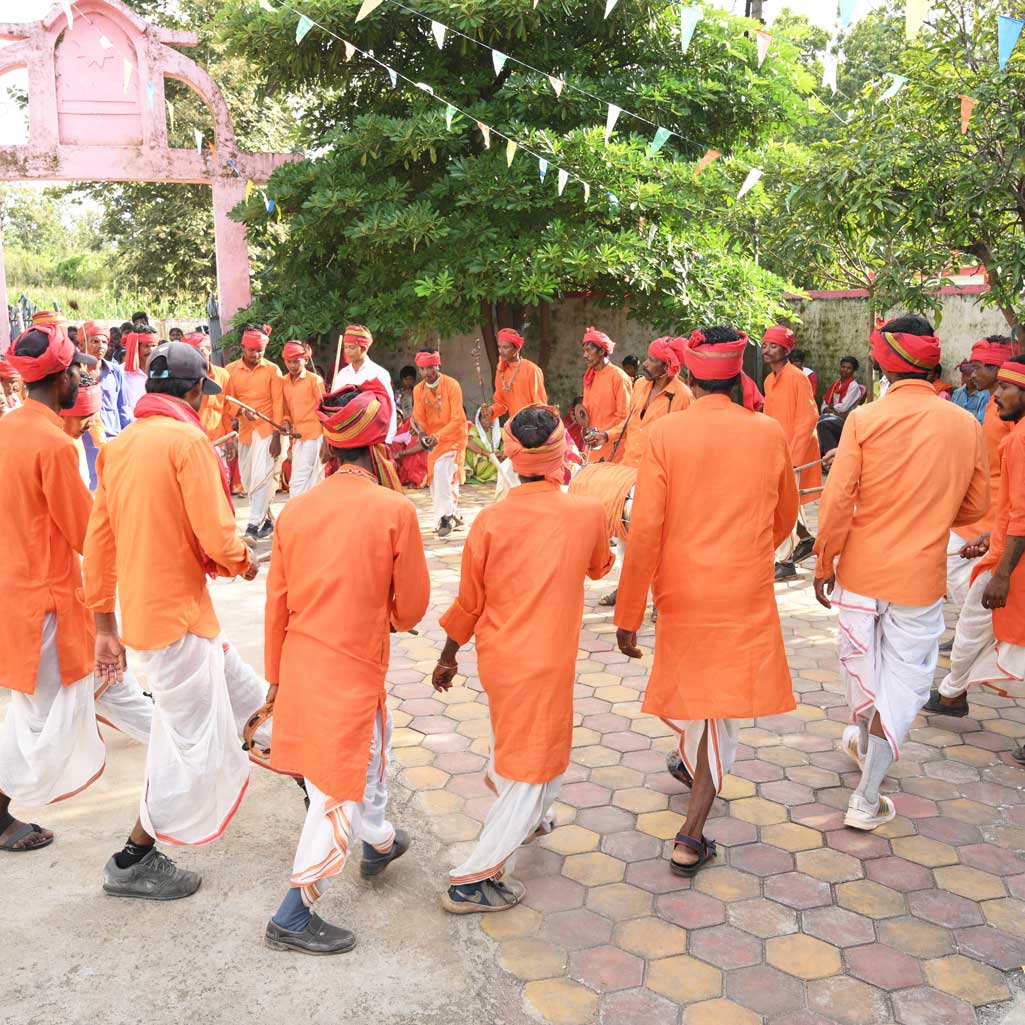
This course offers a comprehensive exploration of Saitam Saila dance, a traditional art form of the Mawasi tribe. It begins with an introduction to its origins, historical background, and cultural significance. The course covers the dance's key characteristics, common steps, and variations, followed by a study of rhythm and taal. Participants will learn about traditional and modern costumes, as well as the main musical instruments used in performances. The course concludes with discussions on preservation, modern influences, and an assessment of individual learning and progress, making it an enriching experience for all participants.
 Most Viewed
What you'll learn
- Historical Context : Understand the origins and cultural significance of the Saitam Saila dance.
- Dance Characteristics : Learn the main features, steps, and variations of the dance.
- Rhythm and Taal : Gain knowledge of the rhythmic patterns and tals specific to the dance.
- Cultural Costumes : Explore traditional and modern costumes and their significance in performances.
- Musical Instruments : Identify key instruments used and their roles in the dance.
- Preservation Techniques : Learn methods to preserve and sustain traditional dance forms.
- Modern Influences : Discover how modern elements and media impact the evolution of Saitam Saila dance.
Couse Features:
- Expert-Led Instruction : Learn from knowledgeable instructors with expertise in Saitam Saila dance and its cultural context.
- Interactive Q&A Sessions : Engage with instructors through regular question-and-answer segments for better understanding.
- Detailed Step-by-Step Demonstrations : Clear breakdowns of dance moves, rhythms, and techniques.
- Cultural Insights : In-depth exploration of the Mawasi tribe's traditions and dance heritage.
- Multimedia Content : Use of video bytes to visualize key dance elements, costumes, and instruments.
- Assessment and Feedback : Opportunity for performance review and personalized feedback.
- Certificate of Completion : Receive recognition for completing the course successfully.
Who Should Enroll
- Individuals passionate about traditional and cultural dance forms.
- Those studying indigenous cultures or performing arts.
- Artists seeking to expand their repertoire with unique, traditional dances.
- Researchers interested in the heritage of the Mawasi tribe and their cultural expressions.
- Educators looking to introduce new dance styles into their curriculum.
- Individuals involved in conserving traditional art forms.
- Anyone curious about learning new and enriching cultural practices.
Description
SAITAM AND SAILA DANCE
Introduction and History
Saitam Saila dance Saitam Saila dance is a popular Andhra folk dance performed by the Mawasi tribe of the central India state Madhya Pradesh known as the prove to be the essence of Mawasi culture. It is performed by Mawasi tribe in the Vindhya and Satpura ranges of Madhya Pradesh.
Origins and History Background
Antecedent studies Saitam Saila Dance is ancient folk dance of the Mawasi tribe of Madhya Pradesh, which is an integral part of cultural history of that region. The Mawasi tribe hails mainly from the Vindhya and Satpura mountain ranges of Madhya Pradesh where this dance has had its origin.The dance was originally created to foster community spirit and unity amongst the tribal peoples. Saila Dance was originally danced during agricultural and hunting season, in particular during harvesting and hunting of wildlife. This dance would be practiced at the time of collective divergence of the population and represented an important element of his festivals and religious ceremonies.Historical background: From the historical perspective, Saitam Saila Dance has been originated with the rituals and belief of the Mawasi from the time immemorial. This dance was particularly danced in the worship of the tribal gods and the ancestors. There, in Mawasi society, was seen as a symbol of collectivism and community festivity. The form and melody of this dance comes from nature, and what a nice use of mountains, rivers, and forests in it.Saitam Saila dance has become an integral part of the cultural life of the Mawasi's. As it is all about life, culture and religious beliefs, this is not just a dance for them, but more entertainment. The form of this dance has evolved as well over time, but the tradition and culture behind it remains the same.For generations, the Mawasi tribe has kept its culture alive with Saitam Saila dance that continues to be a significant part of their identity even today.
Cultural Significance
Saitam, Saila dance The Saitam, Saila dance is a traditional dance of Mawasi community of Madhya Pradesh. The importance of this dance, remains not only in the traditions and customs of this locality, but also reflects the community spirit, religious faith and social fabric of the society.
1. Community Unity and Cooperation:
The main objective of the Saitam, Saila dance is for the community members to come together. This is a group dance that is danced by both men and women. Unity and cooperation Must be felt by the group and keep everyone working together During their dance.
2. Religious and Spiritual Significance:
This dance forms a part of the religious ceremonies of the Mawasis tribe. Performance of Saitam Saila dance is a prayer to gods and ancestors that their grace and blessings may be showered during the worship offered to them. Religion and Spirituality the dance is the Mawasi tribes way of showing their religion.
3. Connection with Nature:
The Saitam, Saila dance The respect the Mawasi tribe has for the nature can be seen in the Saitam and Saila dance. The formations and the rhythms and melodies they dance reflect sounds that evoke those of nature such as the rustling of the woods, waves of rivers, and silence of peaks. The dance shows the mutual attachment of nature and man.
4. Preservation of Cultural Heritage:
The expression of happiness and the Saila dance is indication of the cultural heritage of the Mawasi tribe. This dance has survived through generations and continues to hold a significant place in the Mawasi community. This dance is also a way they can help to keep their traditional stories, myths, and folklore alive.
5. Social Structure and Gender Equality:
Both men and women take part in this dance, which showcases the gender equality in Mawasi community. The equilibrium of social roles and duties is also echoed in the dance, this second contact also busy as social organizations the Mawasi society.
6. Festivals and Celebrations:
The Saitam, Saila dance is performed during different festivals including harvest, weddings and other social congregation. This dance represents joy for the villagers and is an integral part of their lifestyle.Saitam, Saila Dance is an integral to the lives of the Mawasi, keeping their rich heritage and culture alive. This dance is an art which also expresses their social, religious and cultural values.
Information about Mawasi Tribe
Mawasi tribe is one among the dominant most ethnic group in state Madhya Pradesh that represents the social and cultural diversity of this region. Culture The culture of the Mawasi tribe is the veiw of the tribal diversity of Orissa. The Mawasi tribe lives predominantly in the vicinity of Vindhya and Satpura ranges in Madhya Pradesh. The principle habitations of Mawasi tribe are in the Junnardew and Saunsar area of Chhindwara district. They may have also gone to work in other places like Satna, Rewa, district Shahdol. This caste lives in places near forests and hilly lands, their chief source of livelihood is agriculture. Language The members of the Mawasi tribe speak a dialect called "Mawasi Boli" or Mawasi Parsi. This is a language which have been influenced by other tribal language while at distance proximity, but has its own peculiarities and cultural twingle. Hindi and other local dialects are also used by the Mawasis, but their mother tongue forms the core of their cultural expressions.
The social organization of the Mawasi is characterized by collectivism and egalitarianism. Every member, however humble, is considered of the same importance, and the race collectively decides its affairs. They have a special reverence for elders and consider their decisions final in the society. Mawasi tribaleconomy is primarily an agriculture/forest produce-based economy. They practice small-holding farming as well as hunting, fishing and trading in forest produce. The Mawasi people are also good at handicrafts, which plays a significant role in their economic life. The religious life of the Mawasi consists in a profound reverence for nature. They adore the nature and ascribe it as the cause for their existence. Their methods of worship are the worship of trees, mountains and rivers. The worship of their gods and their ancestors is also important to their religious life. Dances, music and customs are the cultural heritage of the Mawasi tribes. Regional dances of this tribe One can enjoy Saitam, Saila dance, which is the principal dance of this tribe that portrays the cultural heritage of this tribe. Their songs, music, and dancing are the stories, the myths, the traditions of their life. Mawasi Tribe Festivals and Celebrations The Mawasi adhere to the religious, agricultural and natural cycle. They observe special feasts with feasting, singing and dancing is done at harvest time and these are the special festivals.
You can see a real allegiance and strength of community worship in their festivals. The Mawasi are yet to manage the balancing act between modernity and tradition. Despite the absence of education and economic prospects, they are determined to maintain their culture. Efforts are being made by the government and the non-government to conserve the culture and customs of the Mawasi. Culture, Tradition and life style The culture traditions and life style of the Mawasi tribe is a glorious case of rich tribal way of life in the state of Madhya Pradesh. Saitam, Saila dance, is an essential component of their life, indicative of their culture and identity and is being practiced for the posterity.
Characteristics of the Dance
Saitam, Saila dance is significant and is another unique presentation of Mawasi Tribal Culture peculiarity. This form of dance is not only famous for its typical form and poses, but also has a number of social, cultural and religious values which are buried deep within.
Key Features
1. Group Dance Style:
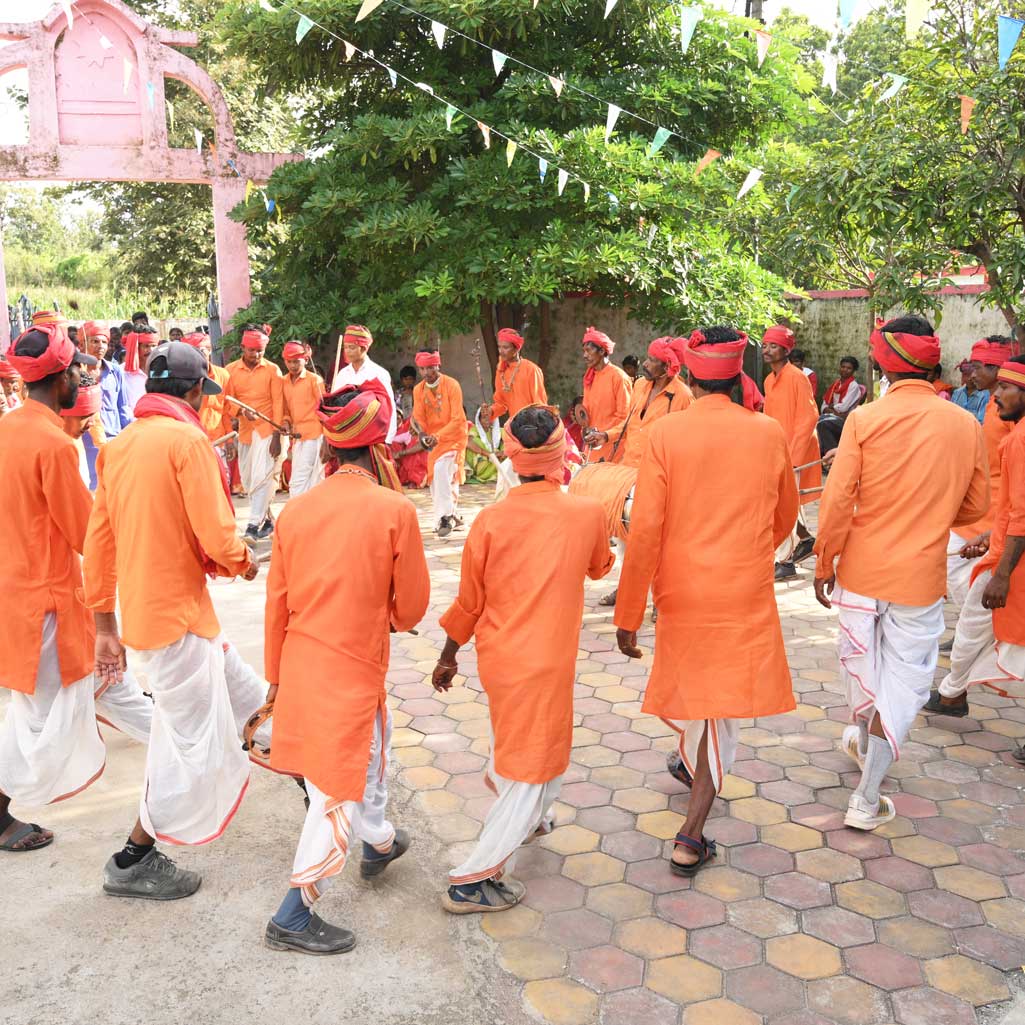
Saitam, Saila dance is a group dance which is performed by both males and females. The dancers perform the dance in a circle, and the dancers follow all the steps of the dance with the same rhythm and speed. This collectivity is a reflection of the communalism of the Mawasey tribe.
2. Movements Inspired by Nature:
All the dances are founded in nature. The body postures of the dances, the hand postures, the foot work – everything imitates nature – the waves sways of the river, forming of the leaves, the silence of the mountains etc.. This dance illustrates the close relationship between the tribe and the nature.
3. Simplicity of Rhythm and Beat:
The Saitam, Saila dance is full of easy and even beat, that’s what makes the dance so enchanting and worth watching. The song is danced to in slow to moderate time, and it increases in speed. Dancers relate their feelings and beliefs through pattern, rhythm and pulses.
4. Simplicity and Naturalness:
This is a spontaneous, natural and uninhibited dance. The Dancers’ Movements There are no artificial expressions or any superficial pose in the dancers’ performances. The dance reserves a special treatment for self-expression where the dancers are free to exhibit their emotions.
5. Traditional Music and Instruments:
The musical instruments used in Saitam, Saila dance are the simple tribal instruments like drums, manjira, etc. These are held instruments that keep time, rhythm in the dance, the dancers follow these instruments. The airs of Music and Instruments gay Dance.
6. Characteristics of Costumes:
This dance is performed by the dancers wearing a traditional Mawasi attire that consists of bright colours and bold patterns. The attire is set to not only be eye-catching, but also to represent the cultural and religious meaning behind the dance. Costume is chosen based on the type of dance and the role of the dancer.
7. Reflection of community and traditions:
Saitam, Saila Also Read - Dance Performance Saitam Saila Dance Saitam is an expression of customs and social structure of the Mawasi tribe. This dance is the means by which the Mawasi believes in their ancestors, gods and nature. This dance carries the accumulated memories, experiences, and spiritual beliefs of the tribe.
8. Theme of the dance:
The dance is usually held based upon different tribal activities (such as farming, hunting, living with nature etc.). They tell stories of their everyday lives through dance which form part of their culture.Because of these features Saitam Saila dance has become a piece of cultural legacy of not only the Mawasi tribe but of the whole of Madhya Pradesh. This dance, in preserving the social, cultural and religious identity, is considered as significant.
Major Dance Forms and Variations
Saitam Saila dance form is one of the most important and varied cultural heritage of the Mawasi tribe. Many types and styles of dance have resulted according to the distinct occasions, religious beliefs and social events and gatherings of the tribe. The following are various types of Saitam Saila dance and their variations:
- Festival Saitam Saila:
It is also the most common and famous way of performing the Saitam Saila dance and is performed during festivals like harvest festival, wedding and community festivals. In this form, the dance has a faster tempo and higher energy and is more buoyant. It is performed collectively wears traditional attire and ornaments during Festival Saitam Saila.
- Religious Saitam Saila:
This form is danced during religious and spiritual ceremonies. Religious Saitam Religious Saitam Saila has a low tempo and beat and is meant for gods and ancestors. It is in these that the performers devotional act and faith is enacted upon their faces and bodies. The music and dance positions lend a particular religious colour to religious Saitam Saila.
- Hunting-based Saitam Saila:
The Mawasi have certain peculiar forms of Saitam Saila as hunting is an integral part of their life. This dance graphically illustrates all the different elements of hunting, from preparing to kill, to the chase, to the celebration of the hunt. The stances and motions are also illustrate experiences at hunt and this dance is played only to celebrate after the hunt is very successful.
- Nature-based Saitam Saila:
It’s a type of dance, representing different scenes taken from nature, the rivers, woods, or mountains. The gestures and postures of the dancers animate natural settings. The dance is an offering of respect and thanks to nature. Saitam Saila is a nature-based dance performed in the rainy season or a natural change.
- Ceremonial Saitam Saila:
This is unique type of Saitam Saila dance that is executed during miscellaneous social functions. It is performed at the birth of a child, a wedding and other personal or community happy occasions. During ritual function, the dancers in Saitam Saila are dressed in festive costumes of bright colours and form a similar group whilst dancing in unison.
- Gender-Female Variations:
Some of the variations of Saitam Saila dance(for example, for men or women are as follows. The movements of men's dance are powerful and dynamic, and women's dance is soft and rhythmic. Roles of male and female dancers are various in some dance styles, which makes the dance diverse and balanced in the whole.
- Regional Variations:
Various region of Madhya Pradesh have their own feature of Saitam, Saila dance. The dancing style, rhythm and postures are somewhat different in each of the regions where the dance is danced, depending on the local culture and traditions. Regional variation adds more to the diversity of Saitam, Saila dance.
Variants There are various forms and versions of Saitam, Saila dance itself shows how rich this dance is. The dance brings out many facets of the life of the Mawasi tribe and is instrumental in keeping their culture alive.
Common Steps and their Description
The traditional Saitam Saila dance step is one of the most beautiful and original things about this dance. They are inspired by the culture and nature of the Mawsai tribe. Description The following are the highlights of Saitam Saila dance:
- Chakrapad (Circular Step):
Chakrapad is a significant part of Saitam Saila dance in which the dancers dance in a floral arrangement style by holding each other’s hand. This action demonstrates oneness and togetherness as a team. They all join in a line and dance around. This footstep is also parallel to the national and cyclical life of the tribe, which again is a representation of their unity.
2. Ardhachandrapad (Semicircle Step):
Dancers in Ardhachandrapad and dance with standing in semi-circular formation. In this step, the dancers bounce back and forth with raised hands to the rhythm. This is a maneuver, inspired by the moon shape, which is done during special religious and cultural rituals.
3. Turupad Sanchalan (Fast Steps):
Turupad Sanchalan is the fast paced movement where the dancers move quickly exhibiting energetic movements of the dancer. There is a fast transition of steps and the dancers demonstrate their youthful energy and enthusiasm. This move represents the emotion of happiness or fun parties or hunting.
- Dharapad Sanchalan (Tapping of Feet):
The dancer's feet strikes the ground hard in Dharapad Sanchalan which makes sound and rhythm. In this step, the dancers hold or drill the ground as they move. This waving is a gesture of respect and thanks to the earth and is a significant posture used in religious ceremonies.
5. Laharpad Sanchalan (Wave-like Steps):
Laharpad Sanchalan- In Laharpad Sanchalan, Dancers are dancing by rising and waving of their body. It consists of little twists and turnings of the body, and is a kind of rhythm. This movement is based on the wave and water, thus demonstrating the universal deep relationship with nature in tribal life.
- Jhoomarpad Sanchalan (Step Movement):
In Jhoomarpad performance, the respondents rock their bodies from the beat of music and hold the hand-beats. Step 6: The dancers advance in step-hop, marching together. This action is based on the wind and trees and is often performed at festivals.
- Padchaap (Disciplined Steps):
Padchaap is a disciplined and continuous form of tabla, in which the dancer makes rhythmic foot movements in a specific direction. In this the coordination of posture of body with the posture of the feet is essential. This action ist a copy of the disciplined march of soldiers and it indicates how much value the tribal people place on unity and discipline.
- Bhanwarpada (Roaming Step):
Other place-related dance forms are Bhanwarpada, which has fast whirling dancers on one foot in one place or whirling around in circles or turning with their own axis. This step mirrors dancer's high energy and movement. Whirlpool This step is based on the form of the whirlpools of our mighty world and their fast pace of departure that represents power and sensuality.These characteristic steps of Saitmri Saila's dance, keep not only the main form of dance but also encapsulate the cultural heritage and reverance to nature, by the Mawasi tribe. They lead the tempo, beat and spirit of the dance and link the dancers together.
Rhythm and Beat
Rhythm and beat is the soul of Saitam Saila dance. Rhythm and beat have a special value in the traditional Mawasi dance as it regulates the speed, expression and movements of the dance. They use rhythm, beat, movement to express their art form while they exposetheir inner emotions and their collective united sub conscious.
Understanding Rhythm and Beat of Dance
- Importance of Rhythm:
Rhythm is the chief medium of emotional expression of the dancers in and through each step, move, and gesture of the dance. The rhythm of performance, Saitam Saila dance and changes of mood express vitality and inner enthusiasm and collective force of the dancers. Rhythms are closely related to Mawasi tribal culture and religion. It is a manifestation of their social order and their interdependence with nature. For instance, they use the slow and mild tempo during religious ceremony; while the fast and high tempo is commonly found in festivals and adorate ceremony.
- Understanding of rhythm:
Rhythm In Saitam The rhythm is well defined and has an orderly and cyclic sound pattern that is guiding the pace and the orientation of the dance. The sequence of rhythmic beats is applied with the same regularity from the opening to the conclusion of the dance and it is this which unites all the movements of the dancers. Each rhythm corresponds to a certain timing in which the dancer has to co-relate the steps, movements and postures. The music in Saitam Saila dance plays the role of maintaining oneness in the dancers. They all dance to the same beat, and that makes the coordination and movement consistent. Attention to rhythm also serves to provide the dance with a structured and well-proportioned form. Rhythm is kept up with the use of different classical instruments. Dhol, Manjira and other tribal instruments add life to the rhythm and tempo of the dance. Not only do such musical instruments create sound, but likewise maintain some sense of timing and measure for the dancers.
3. Innovation in Rhythm and Taal:
While conventional rhythmic formations of taal and rhythm have perspired the Saitam Saila dance, it has also gone through some modifications in its contemporary form. In the recent times, some of the dancers and artists have tried to introduce some of the new instruments and sounds in addition to the old rhythm, so that it looks different and new.It has it own identity with the rhythm and taal of Saitam Saila dance. They do not only prescribe the pattern as well as the process of dancing, for which they are sung for, but also mirror the social and religious life of the Mawasi society. Saitam Saila dance is meaningless without rhythm and taal.
Different Types of Rhythm and Their Uses
The rhythm is very crucial in Saitam Saila dance as it sets the pace, counts and movement patters of the dance. Rhythm serves to accommodate the many different postures and emotions of the dance and is integral to the overall expression of the dance. The following are the different types of taal that are used in Saitam, Saila dance:
1. Vilambit taal (Slow taal):
Vilbit taal It is again a slow taal and the dance is done slow steps. This is regarded as taal that is played at the start of the dance or which denote the feel of meditation or spiritualism. This taal is particularly used for devotional and religious purposes. The feeling of the dancers while gambling to the gods and goddesses as well as ancestors is well expressed in this taal. The feet of the dancers dance on this taal in a rhythm that soothes and pacifies the mind.
- Madhyam Tala:
The speed of Madhyam Tala is moderate. In it the persons take steps even and un-even as per tune with steady rhythem. This rhythm is a syncopated, jaunty rhythm that dictates the rhythm of the dance. Madhyam Tala is applied to the common social and cultural participants, and its main objective is to entertain and to bring people together. This rhythm figures in harvest festivals, marriages and community singing, and focus of attention of the dancers and audience in on the tune of the lay).
- Tej Tala:
Tej Tala is vigorous and excited, the dancers move fast, the speed and movement of the dance increases. This rhythm is employed to echo the excitement and fervor in the dance. Tej Tala is used primarily during festivals, victorious hunt and any type of joyful events. At this rhythm, energy and vitality is at its highest of the dancers, who express their joy and excitement rhogh this dance. In rapid rhythm, the beat of tread and speed of dance quicken and impart energy interest to the spectators.
- Uneven rhythm:
Uneven Rhythm: In uneven rhythm the rhythm pattern is not similar, it is just made up of combined rhythm. In the following, here the rhythm abruptly changes and adds variety to the dance. This rhythm is developed to narrate the story or theme of the dance where the dancer plays many emotions and situations at various steps. The uneven rhythm also serves the purpose of syncopating the dancers in a dance so that the dance comes alive, with harmony maintained in the dancing.
- Firm rhythm:
Solid rhythm is steady and firm, to which the dancers are fully synchronized. This rhythm is utilised to give order and balance in the dance. Sharp rhythm figures in group dances, when everyone dances at once, and must show themselves to be a collection in unison pattern style. This rhythm also assists getting the dance ingrained and systematic, and is also applied primarily to the age old war dances of the Mwasi tribe.
- Circular rhythm:
Ronde rhythm (Circulatim) is the circular rhythm, the rhythm which begins again and again. Of this class, is the dance in a ring, or round a circle. Circle dance Circle rhythm is the overall aspect of dance that some people call circular rhythm, as the dancers move all in one big circle. This rhythm is also performed at traditional festivities and social events of the Mwasi tribe, indicating the strong social unity and harmony of the compilation community.
- Mixture of rhythms:
In Saitam, Saila dance, various kind of rhythms are amalgamated frequently, which introduces variety and freshness into the dance. Mixing of rhythm helps to alter the pace and rhythmic pattern of the dance. The mixed meters are employed to reflect the differing emotions or various stage settings:.writer J. Milford also postulates that the repetitive nature of the variations during the dance suggests the concept of repetition as related to all choreography and that the changeable meters emphasize the music's function in this dance as used as topical pantomime. It allows the dancers to put in flair and panache into their art, taking the dance to a new elevated level.Saitam, Saila comprises of such diverse types of rhythms hence Saitam, Saila dance is rich and colourful. It's these rhythms that help the dancers to express their emotions, their energy, and also their oneness as a group and contribute in making the dance even more uplifting to experience.
Costumes and Instruments
The apparels worn by Saitam, Saila dance are not just creative and attractive, they also represent the culture and customs of the Mawasi tribe. Modern elements have been incorporated into the dance costumes over time, however the significance of traditional costumes persists. The musical instruments while performing Saitam, Saila Satsu dance are heart of this dance. These forms are not only rhythm and beat keepers for dance but also are part of the Mawasi tribe's culture and traditions. The music gets the vibe and feelings of the dance up and makes them look even cooler and more romantic.
Traditional and Modern Costumes
Traditional Costumes:
Traditional Costumes for Men:
- Dhoti Turban: Male dancers use to wear dhoti in Saitam, Saila dance. Dhoti Dhoti is white or pastel and is worn from the waist. The dhoti is kind of tied using a procedure, which makes it possible for the dancer to dance without any constraints.
- Turban: As per occupation Mawasi men wear tightly tied turban on the head. Axumite women in turban This turban is in specific colours and designs which represent their culture and social rank. Peacock feather or other decorations are then added to the turban.
- Jewellery: Men wear typical jewellery too such as bangles in wrist, mala in neck and earrings in ears. These necklaces are based on folklore and tribal life and enhance the traditional look of the dance.
Traditional Attire of Women:
- Lugda or Saree: The women generally put on a Lugda (saree type of clothing) which is the dress worn by the Mawasi tribe. It is very tightly tied to let you move around during dancing comfortably. Lugda is bright, with typical embroideries and designs.
- Blouse – The blouse that goes with Lugda is also simple and body fit which allows easy moment for women while dancing.
- Je Ornaments: Women adorn themselves in the traditional heavy ornaments that include bangles, necklaces, kamarbandh (waistband), and payal in feet. These ornaments serve not only for beauty but as a symbol of their social and cultural identity.
Decorative Elements:
- Flowers and Feathers: Women adorn their hair with flowers and peacock feathers that accentuates their beauty. Severely-ornamented turbans are also worn by the men with feathers and laces.
- Colours: In tribals, very light and bright colours can be seen in the native clothes will completely depends on the tribal culture where as on the other side we have very bright and festive colours.
Modern costumes:
In the costumes of Saitam, Saila dances modern elements are also put over a period of time. While the shape of the traditional costumes remains the same, some of the modern influences are evident as well.
Changes in clothing:
- Material of clothes: And now not only cottons and the elsewhere used old clothes, but synthetic and new trendy clothes are also used which are easy enough for carrying. The clothes are more comfortable to wear when dancing.
- Design and pattern:Latest designs and patterns are introduced in costumes of today's age, which brings traditional and modern together. They also have embroidery, prints and other decoration.
Changes in jewelry:
- Modern jewellery: Dancers now put on light and modern jewellery in addition to traditional jewellery, which are convenient to put on and perform dance with. These have seen an increased use of silver and imitation jewellery.
- Decorative Costume: These days, most of the dancers are using decorative costumes and ornaments, which indicates the current era and the traditional appearance.
Changes in decoration:
- Modern décor: Manual flowers, feathers and shiny fabrics are handmade used in modern costumes, which make the dance more in line with modern beauty.
- Color: In addition to conventional ones, modern and trendy colors are being used by dancers, appealing to younger generation audience.
3. Confluence of traditional and modern costumes:
At the time of Saitam, Saila dance, Warrior and, Bayahienu- on being converged, a fusion appears to be in order here. Not only does this pass on the tradition of the dance, it also makes it appealing to the contemporary audience. Traditional clothing is a means of maintaining the dance's roots, sense of tradition, while incorporating modern aspects into it allows it to stay current.
Characteristics of the Costumes and their Cultural Significance
Saitam, Saila dance dresses are not merely an indicator of beauty, but they represent rich cultural legacy and customs of Mawasi tribe. The qualities of these costumes and of their social implication are well mirrored in the dance.
1. Characteristics of the Costumes:
Traditional Designs and Colors:
The colors of the traditional clothing in a Saitam Saila dance are very meaningful. For example, white color is a symbol of purity and moderation and, red color is life, energy, and strength. These colors are also part of the cultural beliefs and religious connotations of the Mawasi.Camp lifeThis is the most important aspect of their life: At 4am, they wake up, clean up their huts, leave children at their huts and go off to galla/soila; come back by 6am, cook for the kids and leave the kids at home; get back in the eve, cook again and feed the kids. The costumes are hand embroidered and they have traditional designs which signify the tribal art, culture. They are patterned with motifs of tree, leaf and flower, which echo the Mawasi tribe’s closeness to nature.
Design of the Costumes:
COSTUMES The dancers of Saitam, Saila dance wear loose, comfortable costumes which can accommodate the free movement of the dancers while dancing. The comfort element is preserved by the loose fit of the dhoti (for men), and lugra or saree (for women). The dresses are also adorned with traditional jewellery like bangles, nose rings and anklets which create a rhythmic sound during the dance. Not only do these decorations add to the overall splendor, they also represent shared culture and community pride.
Decorative elements:
In costumes of both men and women, they use for the decoration peacock feathers and bunch of flowers. Peacock feathers symbolize divinity and beauty, while the flowers symbolize life and the beauty of nature. Some of the costumes also have metal decorations and shiny elements, which reflect light when performing the dance, for an even more appealing costume.
2. Cultural significance:
Symbol of community identity:
Costumes Saitam, Saila dance retain Mawasi history abound. The styles and forms of the garments represent hundreds of years of tradition, and with the community’s identity playing an important role for its people, it has ‘always been this way’. Costumes of the dancers themselves are also indicative of social and religious standing. Thus, for instance, festive wear and jewelry expresses the role and status of the person in the Mawasi society.
Religious and Spiritual Significance:
Saitam Saila dance, a part of the religious and spiritual practices, wherein the participants clad in the heavy attire perform the dance. These costumes not only preserve the integrity of the dance, but they are also religiously respectful to the gods and ancestors. There are many religious icons and markings applied to the costumes, which bring the dancers to trace their non-regular patterns of from the divine forces in a trance. These emblems represent their religion and spiritual consciousness.
Social Unity and Collectiveness:
The costumes are a form of identity not only for the individual but in the whole. Their individuality and collectivism, which is an integral part of the Mawasi tribe’s clan structure, regardless of how small or large a tribe may be, is evident from the fact that in this ensemble performance where the color of all the costumes is the same, every dancer in the clip has his or her place and status and the arrangement positions. The ceremonial masks and costumes used in social or corroboree dances are festive and communal objects. These suits are how the community shows that it is happy and that it has done well.
Importance in Modern Context:
Even today Saitam Saila dance costume represents traditional blending with modernity. This amalgamation is an effort to make the dance form modern while keeping it ancient, so that the future generation can also stay connected to the roots. With these customs, the Mawasi tribe spreads the traditions of its culture to other societies and new generations, trying to maintain their identity and customs.Saila Saitam dance costume, The Saitam Saila dance costume not only represents an aesthetic experience but is also replete with deep symbolism on the cultural, religious, and social identity of the Mawasi tribe. Their characteristics and their cultural value enhance the dance show, making the dance, not only an art form, but a living culture.