

Teracotta Art
The Terracotta Art - Advance Course Module delves into the intricate craftsmanship, cultural heritage, and evolving techniques of terracotta art. This course highlights the history of terracotta art, focusing on the contributions of the Kummari Nayak tribe and their unique practices. Students will explore the tools, techniques, and diverse types of terracotta craftsmanship while learning about notable artists and preservation efforts. The module emphasizes sustainability, current trends, and future opportunities in terracotta artistry, fostering a deeper appreciation for this ancient craft while equipping learners with advanced knowledge and practical skills to contribute to its legacy.
 Most Viewed
What you'll learn
- Introduction to Terracotta Art : Understand the origins, history, and cultural significance of this ancient craft.
- Insights into the Kummari Nayak Tribe : Explore the tribe's demographics, traditions, and challenges in preserving terracotta art.
- Tools and Techniques : Learn about the essential tools, raw materials, and crafting methods in terracotta artistry.
- Types of Terracotta Art : Identify and differentiate between the diverse forms and applications of terracotta art.
- Notable Artists and Preservation Efforts : Discover key contributors and community initiatives aimed at sustaining this art form.
- Future Trends and Opportunities : Analyze contemporary trends and explore future possibilities in terracotta craftsmanship.
- Advanced Application Skills : Master techniques to design and create intricate terracotta artworks.
Couse Features:
- Comprehensive Content : Covers history, techniques, and contemporary relevance of terracotta art.
- Practical Assignments : Hands-on projects to refine crafting skills and apply advanced techniques.
- Expert Guidance : Learning from experienced artisans and cultural experts.
- Cultural Focus : In-depth study of the Kummari Nayak tribe’s contributions to terracotta art.
- Preservation Insights : Focus on conservation techniques and sustainable practices.
- Interactive Sessions : Engaging discussions and peer interactions to enhance understanding.
- Global Perspective : Exposure to current trends and international markets for terracotta art.
Who Should Enroll
- Experienced artisans seeking to enhance their terracotta expertise.
- Designers and creators interested in incorporating terracotta art into modern projects.
- Cultural heritage enthusiasts passionate about traditional crafts.
- Entrepreneurs exploring sustainable and handmade art forms.
- Students and researchers in fine arts or cultural studies.
- NGOs and policymakers promoting tribal and indigenous crafts.
- Art curators and historians focused on preserving terracotta traditions.
Description
Introduction, Origin, and History
Terracotta art is the pottery and sculpture made of earth that is cooked in ovens since ancient times, the thing actually translates into baked earth in the Italian language. Terracotta art also plays an important role in India and displays the rendezvous of various cultural backgrounds in various parts. Of these terracotta pottery of Andhra Pradesh by the Kummari nayak tribe is distinguished by rare art work and historical importance.India Terracotta art terracotta art dates to much earlier times as Indus Valley civilization, and other early practitioners made clay figurines and pottery. Terracotta grew as an art form in the hands of the low-ranked workers over the centuries to the art form appreciated by all classes. Although it was in the past viewed as a craft of poor people, it is now registered as aesthetic and cultural value.The Kummari Nayak, majorly found in the Alluri Sitarama Raju District in Andhra Pradesh have rich history which is intertwined with terracotta crafts. Historically, this tribe majored in making pottery and produced various products including pots, toys, and ritualistic sculptures that portray how they lived and what their spiritual beliefs were like. Many of the families keep the terracotta pottery tradition of the ancient times alive in the Madagada village in Araku Valley, despite the challenges of modernity.The course will also give an insight of the historical background of terracotta art how the unique designs and techniques used by the Kummari Nayak itself represent them culturally. We are going to live a series of extraordinary and amazing adventures in this complex world of terracotta and we will commemorate the development, troubles it reveals, the mission it has in preserving the legacy of this colorful tribe. It is imperative to learn about this art form so that one is able to appreciate the beauty of this form of art and also be aware of the kind of cultural story that it brings forth
Introduction to Terracotta Art
The art of Terracotta translated as a baked earth in Italian, is malleable and widely spread type of art using clay that has been a piece of human culture since thousands of years. The medium mainly involves mud, surrounded by other elements of nature, which have been emulsified and made to assume different shapes and sizes and they have to undergo a firing process by a kiln at high temperatures so that they can make long lasting pieces. The end value can be anything on an intricate spectrum of utilitarian pieces like pottery and cookware to sculptural pieces, pieces with elaborate decoration and carvings. Manufacture of terracotta is a special combination of art and craft, and it has special traditions in many cultures, recurring over centuries.
Cultural Significance of Terracotta Art in India
The terracotta art is extremely important in Indian culture as it is a functional craft and an artistic art form. It has been around since the past centuries in an effort to produce modern day products that not only serve a variety of purposes but also look appealing to the eye. Terracotta artifacts have been observed to play a pivotal role in different aspects of Indian life such as in day to day life and in matters of religion. Their significance in the spiritual and cultural aspect of the country is emphasized because they are frequently applied in rituals, ceremonies, and celebrations.Terracotta art maintains the social-economic, political as well as the cultural discourse of various communities. It is part and parcel of their identities and heritage to most of the tribal and rural groups. The artisans usually incorporate local myths, legends and traditions in their work, and every work becomes a story of culture. Further, terracotta figures and pottery are often utilized as a way of recording and explaining history and as a result when the cultural heritage is passed on to future generations.
Regional Variations in Terracotta Art
Terracotta art is not same everywhere in India it has its own regional form and nature and depended upon the culture and tradition of that place as well as the available resources. It is important to note that terracotta specific practices are demonstrated by states Andhra Pradesh, Madhya Pradesh, Jharkhand and Odisha that represented their individual history and art.
Andhra Pradesh
Terracotta art in Andhra Pradesh Terracotta art is also commonly linked with the Kummari Nayak tribe of the Araku Valley and the places around it. Kummari Nayak artisans have a reputation of making pottery that consists of different household products, ornamental statues, and traditional toys among others. Craftsmanship, bright colors, and cultural motives defining the everyday life and beliefs of the tribal people make the terracotta produced here so specific. Pottery can be both utilitarian and ornamental in their applications in everyday life, rituals and ceremonies.The terracotta art of Andhra Pradesh is being recognized because of its intimate relation with the natural surroundings. The potters use the local clay and, in most cases, combine it with other natural material to achieve different textures in the forms. Its art form also presents the sustainable practices of the community in which many artisans continue to use the traditional way of art making which is not destructive to nature. What is important is that by applying this strategy, the cultural heritage is preserved and the artisans stay attached to their land and resources at that.
Madhya Pradesh
Terracotta in Madhya Pradesh is strongly associated with Tribal people of Bastar and other areas. Pottery made here will be boldly decorated and carved with carvings of local flora and fauna and the local tribal folklore. The Bastar artists are specifically famous in their distinctive firing styles as well as the use of natural dyes to achieve brilliant hues. The territories of this region have been producing the terracotta wares that are usually used as functional cookwares and ceremonial pieces, according to the cultural code and way of tribes.Terracotta art in Bastar has a great social and cultural component as most are created to honor a certain occasion or rite. The art is an exercise and expression, and it gives artisans the opportunity to tell their stories in form of identification of the culture. Also, the distinctive Madhya Pradesh terracotta designs have won the hearts in the art world thereby gaining more acceptance and preference to this traditional craft.
Jharkhand
The state of Jharkhand which especially the Santhals and Oraon tribes happen to be well-known due to the terracotta art work. The Sohrai sun paintings will more probably be applied to Jharkhand Terracotta mugs and pots, and it is a rather distinct style describing the art tradition of the lands. The craftsmen in this area create functional art or rather objects that have high cultural attachments typically to same to farming activities and the festivals.The terracotta finds its significance in Jharkhand primarily due to the fact that the terracotta sculptures are meant in the season of the festival when the terracotta gods are constructed to be worshipped and used to celebrate. These works play a very significant role in connecting the community with their cultural narratives and religious values. The terracotta art in Jharkhand symbolizes the creativity and the skills of the artisans who tend to be at tandem with their culture.
Odisha
Terracotta art trade in Odisha can be distinguished as terracotta works are characterized by utilization of fineness in design as well as intricacy in craftsmanship. The region is also known with its terracotta tiles, figurines, and sculptures a majority of which happen to represent the gods and the mythological content. Terracotta Artists of Odisha have been participating in very vast numbers in the production of Terracotta since very long ago and these have been incorporating both the religious usage and also usage in the Terracotta Art.One may particularly notice the use of natural colors that are obtained locally in order to make the artifact look aesthetically powerful in terms of its terracotta of Odisha. Artisans in this case merge old and new designs thus, developing new designs, which are attractive to both domestic and external markets.
Historical Context
Indian terracotta Terracotta art in India exists since the time of the Indus Valley Civilization (c. 3300 BCE1300 BCE). Archaeological study of such sites as Mohenjo-Daro and Harappa has yielded a wealth of terracotta figurines, seals and pottery, suggesting that the medium was widely used, both practically and ornamentally. The ancient representatives of terracotta art often tend to represent people and animals, but these objects could virtually serve the role of not only implements, but also social and religious activities that existed in past.Terracotta is one of the ancient forms that have been predominantly preferred because of its convenience and functionality. Since clay is a natural resource, which is available in plenty, it enabled the artisans of different regions to explore other forms of expression. This art form of terracotta pottery was allowed to grow beyond the periods such as the Mauryan (322185 BCE) and the Gupta (c. 320550 CE) empires. Terracotta was extensively applied during these periods to make patterns and ornamental tiles, sculptural forms and pottery which hung out several colorful patterns and motives that indicated the social and political fabric of the periods.
Evolution of Terracotta from a "Poor Man's Craft" to a Respected Art Form
At first, terracotta was being commonly considered a poor man craft, as it was usually exercised by lower social-economical classes who were poor enough to afford either metal or stone. This was justified by the reality that most terracotta craftspeople were rural and tribal people and their work was not appreciated as compared to other great works of arts. But with time the worth of terracotta art started getting appreciable, not only in aesthetic terms but also as a cultural work.This shift started its course during the late 19 th and the early XX th century, when scholars and aficionade of the art had begun to value traditional craftwork and understand its relation to regional culture and history. The renewal of interest in tribal arts in the process of Indian independence movement was important in the upgrading status of terracotta. The economic empowerment of people through post-war traditional craft making, and the self-culture led to the new esteem that was attached to the terracotta craftsmen and their crafts.After independence, some institutions were opened including the All India Handicrafts Board and Crafts Council of India that acted to further encourage the preservation and growth of traditional crafts such as terracotta art. These initiatives made it easier to train the artisans, enhance the production methods, and increase the access to the market, which allowed terracotta to be transformed into a revered art which is acknowledged not only in the country but in other countries around the world too.
The Transition of Terracotta Art Across Different Cultures and Time Periods
The versatility of terracotta art has enabled it to cross the geographical and cultural borders. The art form has been shaped and influenced by other cultural ideas and historical incidences although its roots are in the Indian ancient civilizations.Terracotta art was influenced by various elements as India witnessed invasions and migrations of various people over time such as the invasion of Mughals and the British colonialists. The Mughal terracotta art was notable with its sheer inlay work and high design whose focus was to depict the glory of the current times. In the same way, British colonialism introduced the western aesthetics and the techniques to the Indian art scene which created the need among the local artisans to invent and combine the classic techniques with the modern patterns.In the modern society, terracotta art has experienced massive changes with regards to incorporation of contemporary methods and ideas. Local artisans have started playing with form, color and design that works with modern aesthetic but still does not dwell away the originality of traditional art making. Nowadays, terracotta art gets presented to the view on galleries and exhibitions, where it is characterized by combining the traditional subjects with new aesthetics, which makes it appeal to a new market and audience.In addition, globalization has eased the sharing of ideas and artistic practices thus allowing artisans to work together and share past experiences across the border. This cross-cultural engagement has also increased the diversity of the terracotta art, which has enabled it to broadly thrive in diverse backgrounds, including the rural craft village of the art of the urban art collectives.
About the Kummari Nayak Tribe
Kummari Nayak Tribe, a tribe mainly located in the Alluri Sitarama Raju District of the state of Andhra Pradesh is a rich traditional as well as cultural tribe especially in terracotta art. Living predominantly in the agency mandals of Munchinput, Pedabayalu, Hukumpeta, Dumbriguda, Araku, Ananthagiri, Paderu, G Madugula, Chinthapalli, and G K Veedhi, the tribe is a multi-tribal ecostructure accommodating a number of other tribes as well, such as Bagata, Konda Dhora, and Valmiki.Back in history, Kummari Nayak people were originally potters, and terracotta pottery was part of their life. This art deals with production of variety of objects, including household utensils and decorative objects and toys, all highlighting their artistic abilities and cultural beliefs. It is also distinct in the pottery styles, and the clay material used, which is found locally, including Tella Matti (white clay) and Yerra Matti (red clay) are blended to produce a long-lasting product.Even though the Kummari Nayak Tribe has a rather thick tradition, today, it experiences certain challenges. Due to diversifying socio-economic factors, a significant number of families have abandoned pottery and picked up farming and waged labor, hence reducing the number of artisans practising terracotta art. There are only a few families in villages (such as Madagada) who still create these elaborate goods, demonstrating their attachment to their traditional culture in the face of modernization.The Kummari Nayak community has a rich culture with close social relationship and their own dialect which follows both the Telugu and Oriya culture. Their rituals and life would rather be incomplete without their terracotta art, which is used both functionally and symbolically. With revival and promotion of their craft getting impetus, the Kummari Nayak Tribe is in a limbo, so to speak as they struggle to find a level between the past and the changing trends of the modern world.
Demographics and Distribution
Kummari Nayak Tribe, a tribe mainly located in the Alluri Sitarama Raju District of the state of Andhra Pradesh is a rich traditional as well as cultural tribe especially in terracotta art. Living predominantly in the agency mandals of Munchinput, Pedabayalu, Hukumpeta, Dumbriguda, Araku, Ananthagiri, Paderu, G Madugula, Chinthapalli, and G K Veedhi, the tribe is a multi-tribal ecostructure accommodating a number of other tribes as well, such as Bagata, Konda Dhora, and Valmiki.Back in history, Kummari Nayak people were originally potters, and terracotta pottery was part of their life. This art deals with production of variety of objects, including household utensils and decorative objects and toys, all highlighting their artistic abilities and cultural beliefs. It is also distinct in the pottery styles, and the clay material used, which is found locally, including Tella Matti (white clay) and Yerra Matti (red clay) are blended to produce a long-lasting product.Even though the Kummari Nayak Tribe has a rather thick tradition, today, it experiences certain challenges. Due to diversifying socio-economic factors, a significant number of families have abandoned pottery and picked up farming and waged labor, hence reducing the number of artisans practising terracotta art. There are only a few families in villages (such as Madagada) who still create these elaborate goods, demonstrating their attachment to their traditional culture in the face of modernization.The Kummari Nayak community has a rich culture with close social relationship and their own dialect which follows both the Telugu and Oriya culture. Their rituals and life would rather be incomplete without their terracotta art, which is used both functionally and symbolically. With revival and promotion of their craft getting impetus, the Kummari Nayak Tribe is in a limbo, so to speak as they struggle to find a level between the past and the changing trends of the modern world.
Overview of the Multi-Tribal Village of Madagada in Araku Valley
Madagada is a multi-tribal village, which is located in central Araku Valley, Andhra Pradesh and operates as the center of Kummari Nayak tribe. The village has a rich blend of demographic background that has several tribal communities including Bagata, Konda Dhora, Nooka Dhora, Valmiki, Goud, Kummari Nayak, and other backward classes. All of this diversity in culture makes the social landscape of Madagada so colorful and community values and the culture of traditional activities are essential in the everyday living.The geographical position of the village in the lush green hills of Araku Valley gives it a lot of natural resources in terms of terracotta artisanship point of view as the village is one of the best in terms of terracotta artisanship. These culminate into Madagada pottery and sculpture made only by the artisans of Madagada since the artisans use locally sourced clay in the form of rivers and streams to make them. Village is not only the place of terracotta manufacturing but also the place of the traditional crafts preservation, the knowledge and the skills are transferred during centuries.Besides terracotta art, the other important area in the life in Madagada is the agriculture. Such fertile land enables inhabitants to produce different crops thus boosting their lives. Nevertheless, we can observe the transformation of the traditional pottery into other types of labour relations and, in particular, agricultural and other wage work among the majority of families living in the village. The terracotta pottery is still followed by only very few households; a household is mostly 6-10 families and this is a reflection of the shifting trend of economic opportunities and new lifestyle choices among the community members.Madagada is a place of worship too, culturally, many tribal festivals and rituals are conducted here and art and tradition are unable at the place. The multiethnic tribal societies carry out activities together to enhance social unity and cultural interactivity. This multi-tribal nature makes the art works in terracotta quite dynamic in enriching it with designs and motifs usually demonstrating the beliefs and activities of the tribes.Nevertheless, the village of Madagada remains one of the areas of cultural heritage and artisanal tradition despite the hardships suffered by Kummari Nayak and other tribes. The fact that the community is trying their hardest to popularize terracotta art, coupled with the fact that they have a strong attachment to the land shows how hardy the Kummari Nayak is and how determined they are to maintain their culture as distinct as they are irrespective of all the trappings of the socio-economic environment around them. This is a part of their continued struggle to further have their art form appreciated as well as nurtured and one way to prove this is their continued legacy and the huge contribution to the strong picture made by India in terms of crafts.;
Cultural Practices
The Kummari Nayak community is not an exception because many of the tribal groups in India have their own unique social structure with the close-knit organization and communal living style. They possess a fluid social structure, which is however very significant in their day-to-day interaction and cultural activities. The older people play an important role of esteem in this community, which involves advising the younger generations as well as making decisions pertaining to community affairs. A headman or council of elders control leadership and are tradition custodians and negotiators of disputes.The Kummari Nayak mostly speak a mixture of corrupted version of the Oriya dialect because their interactions in the past with the surrounding communities led to the adoption of the dialect by the populace. Moreover, they verbalize frequently in Telugu with other denizen tribes in the area or with the communities not belonging to the tribe caste. This also increases their flexibility and incorporation of different cultural impacts; therefore, making their social life more varied and interesting. Their culture also includes some instruments to pass oral traditions, folklore and cultural narratives which are essential in preserving their identity through their dialect and communication.
Historical and Contemporary Livelihoods of the Kummari Nayak
Terracotta pottery has traditionally been the main means of occupation of the Kummari Nayak who consider pottery an art and a means of livelihood as well. It is closely part of their cultural identity and has always been conducted through heritage. The craftsmen of this village use all types of terracotta objects which are such as statuettes, toys, decorative pieces, and ceremonial items. They are designed to have a very close attention to details with plenty of designs such as cultural beliefs and practices.But as the years have passed, the economic environment is not what it was and, therefore, a pattern of livelihood changed. Though pottery is still a significant cultural event to the community, majority of the families within the Kummari Nayak community have altered to agriculture as the major way of earning a living. The Araku Valley is very fertile with numerous possibilities to farm, hence the aspect of the family farming rice, maize, and millet among other crops. Various reasons like the shift in market needs (demand), environmental issues, as well as the decline in the population of artisans actively pursuing the art of terracotta production, have made this transition.Besides pottery and agriculture, the Kummari Nayak are also involved in forest-based activities, which in the past had been part of their means of survival. The forests that surround the Araku Valley are full of resources as they offer the materials of the day-to-day survival as well as income. Indeed, the collecting of the forest products, including fruits, medicinal plants, and wild vegetables is part of their food requirements and an added source of income. There is also another traditional livelihood involving hunting and fishing which has contributed to their means of livelihood though less is available because of conservation practices.The contemporary scenario reflects a complex interplay between tradition and modernity. While many Kummari Nayak families have moved away from pottery to pursue agriculture and wage labor, there remains a small cohort of artisans dedicated to preserving the art of terracotta. This group continues to produce and innovate within the craft, often participating in exhibitions and fairs that showcase their work and help promote their cultural heritage.These, however, did not distance the Kummari Nayak to their past and the example of this continuity is the way they still preserve their art practices along with their emerging livelihoods. Keeping alive of terracotta art as a source of income, however, is also a way of cultural expression critical to their identity. The efforts that strive to promote and assist in the traditional practices are necessary to make sure that Kummari Nayak community can survive and preserve their traditions as long as possible.
Challenges Faced
There has been a significant loss in the traditional pottery sphere among the Kummari Nayak people in span of last few decades. Terracotta pottery used to be a vital part of their cultural heritage and it has largely lost its production base because now more families are interested in farming fields and working elsewhere to earn their wages. These changes can be attributed to the many socio-economic factors that have changed the livelihood and priorities of the Kummari Nayak.Previously pottery was a form of livelihood and culture base to the Kummari Nayak. Nevertheless, financial factors and the desire to get more consistent revenue due to the farming activities have forced several families to give up pottery. The Araku Valley has rich soil with plants including rice, maize and millet being grown here giving the folks a more secure and immediate source of sustenance than the less predictable earning through the sale of pots. Another incentive of doing agriculture is that all the members of the family can participate hence more collaborative means of earning a livelihood which pottery that mostly needed specialization did not provide.Consequently, due to this transformation there has been a decline in the number of practicing terracotta craftsmen. Although a small group of families still continues to practice the craft, the general participation of the community in the production process of pottery has decreased, and thus, the culture might be ending up in erosion. Besides being a threat to the loss of traditional skills, this loss of artisanship is also having an effect on the cultural narratives and stories attached to the terracotta art which is critical to the community identity.
Factors Contributing to the Reduction of Terracotta Pottery Artisans
Several interrelated factors contribute to the reduction of terracotta pottery artisans among the Kummari Nayak community, which can be classified into economic, social, and environmental categories.
-
Economic Pressures:
- Market Demand: They have seen a marked change in consumer tastes to those cheaper and easily available mass-produced productions at the expense of the traditional terracotta art forms. This transformation has lowered the demand of handmade pottery that makes the economic practice of pottery to be unviable to most of these artisans.
- Financial Instability: Although pottery provides income, it may be erratic and may not be adequate to support families particularly in the emerging economic environment. Consequently, a majority of artisans are forced to pursue income that is more stable in the form of farming or wages.
-
Social Changes:
- Generational Transition: The new generations are becoming more inclined towards the contemporary jobs which are usually located in towns and cities, forgetting about the ways of their older ones. This is the tendency that may result in loss of skills and knowledge because less people study all the specifics of terracotta pottery.
- Migration: Emigration of the rural population to the urban centres in the pursuit of better jobs has also burdened the fate of the pottery practice. As younger population of the community move out, there are less people to continue with the craft.
-
Environmental Challenges:
- Resource Scarcity: The raw materials required for pottery, such as specific types of clay, have become less accessible due to environmental changes and degradation. Additionally, regulations aimed at protecting local ecosystems may restrict access to these resources, making it difficult for artisans to source the materials needed for production.
- Climate Change: Climate change poses threats to agriculture and livelihoods, as erratic weather patterns affect crop yields. This uncertainty can drive families to prioritize agriculture over pottery, further diminishing the focus on traditional crafts.
;
-
Lack of Support and Recognition:
- Institutional Support: Despite efforts from organizations aimed at promoting traditional crafts, many artisans face challenges in accessing training, resources, and markets for their products. A lack of effective institutional support can hinder artisans from adapting to changing market conditions and preserving their craft.
- Cultural Recognition: The decreasing visibility and recognition of terracotta pottery as an art form can diminish its perceived value within and outside the community. This decline in prestige may discourage younger generations from pursuing pottery, leading to further erosion of this traditional craft.
Tools, Techniques, and Types
The terracotta art by the Kummari Nayak tribe depends on a special set of tools and methods that have been adapted on an inherited basis. Tainter is made mainly of two clays called Tella Matti (white clay) and Yerra Matti (red clay), two primary raw materials. Such clays are extracted in the banks of nearby streams and in the riverbeds and which have specific properties that determine the final texture and color of the products.The Kummari Nayak artisans make use of different kinds of tools to make their terracotta work. The most important instrument in the potter craft is the wheel on which the artisans can mould the clay to make the pots and other shapes. The other tools are hand tools, like wooden paddles, metal scrapers which are used to give careful details and to get those desired textures. The transportation of clay between source and area of work is through the use of jute or plastic containers.The production stage starts with the gathering of the clay and after kneading and blending; it is made to attain a plastic form. Artisans take the following several steps:
- Preparation: The clay is rolled into lumps of circular shape and soaked to make it more flexible.
- Wedge and Texture: The clay is wedged to remove the pocket formation so that an even texture remains.
- Shaping: The craftspeople use the clay on the wheel of the pottery to make different items such as the pots, figures and decorative objects. Women are mostly utilized in completing and finishing of designs.
- Drying and Coloring: The pieces are dried in a controlled atmosphere so that they do not crack, after being formed. They are then painted using natural colors derived using tree barks and red clay to increase beauty of their color.
The creations of the Kummari Nayak tribe are quite diverse: terracotta items that have certain utilitarian purposes (jars, pots, and plates), terracotta items used as ornaments (animal figurines, sculptures of tribes, and tiles), and terracotta items used as toys that represent the cultural literature of the tribe. Every item serves a purpose, but it also tells the riotous history and culture of the Kummari Nayak people, and thus the terracotta art of this people forms an essential part of its cultural identity.
;Tools and Raw Materials
Pottery-making is a complex process that involves the use of a number of specialized tools aimed at easing various processes of production. Kummari Nayak artisans use traditional and mechanical tools, so they are able to produce quality terracotta products but they preserve their culture.
1.Potter’s Wheel:
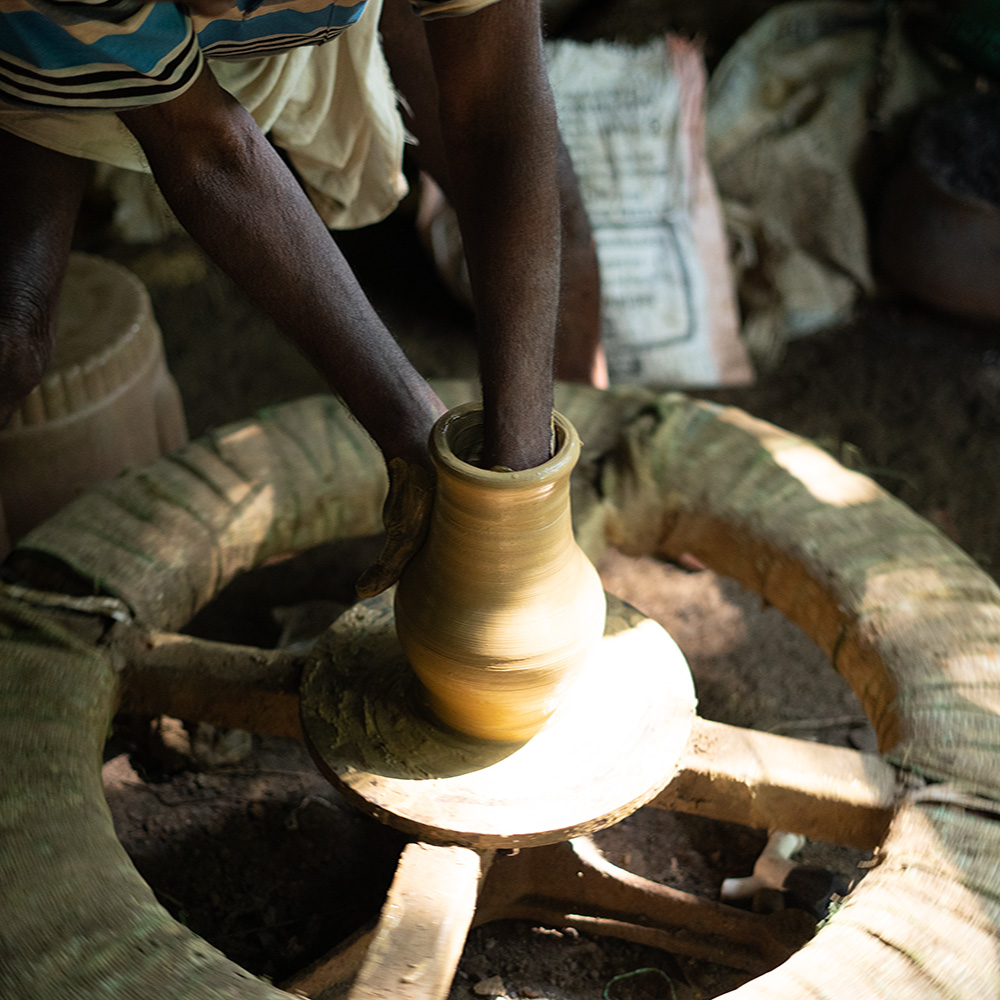
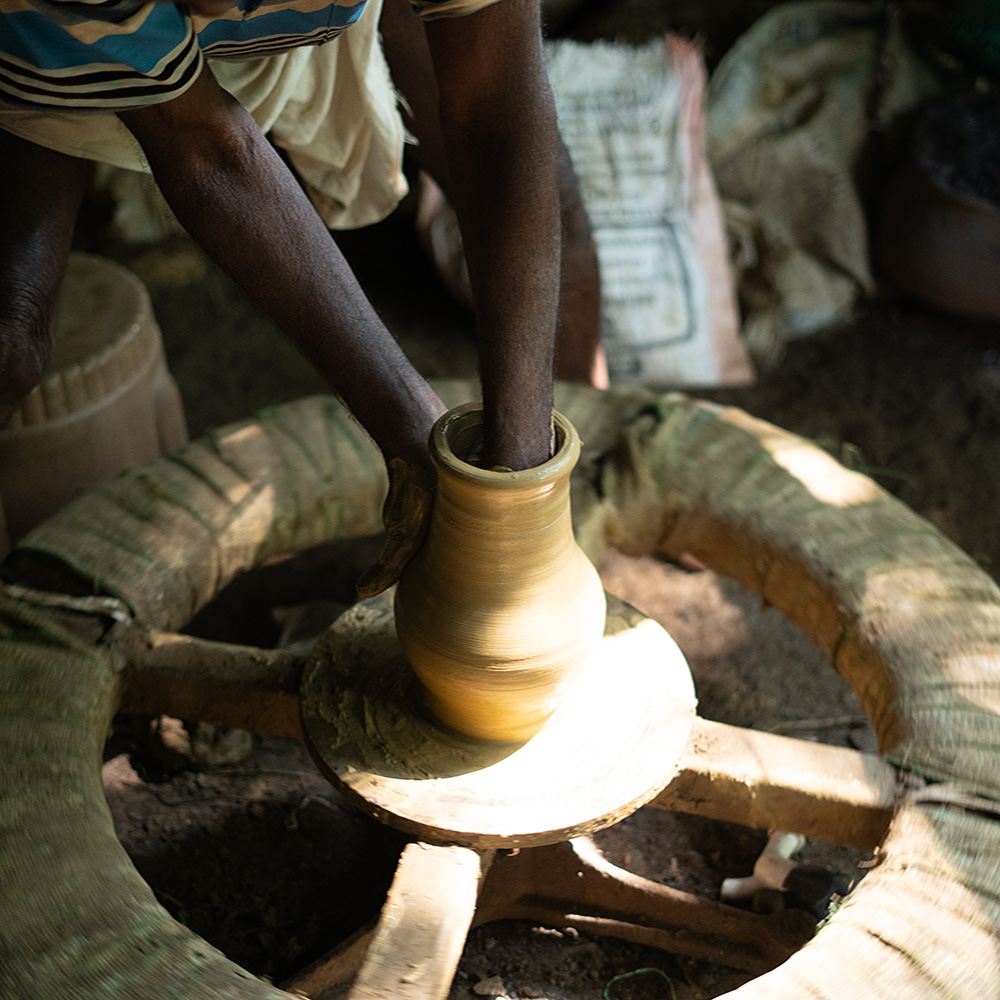
Another requirement in the creation of terracotta is the work of the potter where the artisans use the techniques of the potter and make use of the potter wheel to smooth out the clay to make the pots and figurines more symmetrical and crafted. The spining of the wheel adds to regular shaping and creates a smooth surface which is essential to useful pottery. Although the old fashion use of foot powered wheels still continues, motorized wheels can also be used by some artisans to boost efficiency.
2.Molds:
Molds are usually employed in making complex design and forms. They can be created using different types of materials: clay, wood, or metal, and can especially come in handy when creating uniform sculpters (such as figurines or pieces made to decorate something). Application of molds enables the craftsperson to make copies of the trendy designs and meet market needs without necessarily changing their individual styles of art.
3.Hand Tools:
Various hand tools are used by the artisans to polish and craft their works. These instruments are wooden paddles, metallic scrapers, and wire cutters each with its purpose of shaping, smoothing and carving of the clay. An example would be that a wooden paddle can be employed to mould the sides of a pot whereas the topography of the surface can be honed with a metal scraper. Wire cutters come in handy in cutting away extra clay as well as tearing off the completed works and the wheel or molds.
4.Kilns:
Another imperative aspect in making terracotta object is the kiln. The pottery still must be put through a kiln after creating it, to harden and attain durability. Craftsmen usually construct their kilns out of local materials and when firing they usually have to control the temperature carefully making sure that the pots are indeed baked not deformed or cracked.The tools together with the skills and creativity of the artisans help in the deeply rooted tradition of terracotta pottery in the Kummari Nayak community.
Types of Clay Used and Their Significance
Raw materials especially clay are crucial when making terracotta. Kummari Nayak mainly works with two types of clay Tella Matti (white clay) and Yerra Matti (red clay). The two types are very relevant in the nature and quality of the end products.
-
Tella Matti (White Clay):
•Composition and Properties: Tella Matti is composed of a fine texture and is easily worked so this makes it ideal to work with when detail is required. This clay is characterized by high level of silica and is soft and pliable that enables the skilled artisans to mould it into various designs using the potter wheel or by hand.
•Applications: It is usually applied in manufacturing delicate pots and pottery, decorative items, and complicated sculptures. Decoration and painting of natural colors with element of vibrancy It is also the color to be used in vibrant application of natural colors and decoration painting, giving an added sheen to the end products.
•Cultural Significance: Tella Matti is deeply embedded into the traditions of the Kummari Nayak. The qualities attributed to it in addition to being able to serve art are the expression of their relation to the environment by the community as well as emphasis on the locally sourced materials that they use in their craftsmanship.
;
-
Yerra Matti (Red Clay)
- Composition and Characteristics: Yerra Matti is characterized by its reddish-brown color, coarse texture, and durability. This clay is typically richer in iron oxide, which contributes to its distinctive hue and enhances the strength of the finished pottery.
- Uses: Yerra Matti is often used for larger items like cooking pots, storage vessels, and utility items. The robust nature of this clay makes it ideal for functional ware that withstands regular use.
- Cultural Significance: The use of Yerra Matti connects the Kummari Nayak to their agricultural practices, as many of their functional pottery items are designed to serve specific needs in their daily lives. The red color also carries cultural meanings and is often associated with fertility and sustenance in many tribal communities.
;Terracotta crafting requires tools and raw materials to create pieces of art that are part of the artistic process and the culture represented by Kummari Nayak. The production of the unique pieces of terracotta is revealed by the potter wheel, the molds, the hand tools and the kilns, plus the makings of the materials used, the clays, the so-known matta grown on the Tella and the Yerra land, each of them carrying their tones and values into the art object. Artisans produce terracotta using the same materials and tools, which makes them the custodians of the past but the artisans are also evolving with the current needs, meaning that the trend of terracotta pottery will not die out in their society soon. Such plentiful interaction of instruments, substances, and cultural representation indicates the strength and resourcefulness of Kummari Nayak in their continuation of the issues of modernity and connection to the ancient traditions.
Techniques of Crafting
Terracotta pottery of Kummari Nayak community is a very laborious procedure which involves various stages, that is starting with turning the clay to the last manufacturing of the pottery. The craft brings out both the skills of the artisans as well as the unity of the labor, between the men and the women, to make the pottery. The overview of important techniques of terracotta pottery crafting is given here.
Detailed Steps of the Pottery-Making Process
-
Clay Preparation:
- Sourcing the ClayThe first process is gathering of the right source of clay i.e. Tella Matti (white Clay) and Yerra Matti (red Clay) in the neighboring river banks or forests. The workers take a lot of time when selecting the clay within which they work according to its texture and characteristics which later on become part of the pottery quality.
- Kneading of the Clay: The clay that is gathered is kneaded together with water into the required consistency. This kneading procedure is very important, because it eliminates air bubbles and sufficiently permeates the clay with water. The craftsmen can also combine various types of clays in certain ratio in order to provide flexibility or strength. The white clay is normally mixed with approximately 20 percent red clay in order to enhance texture.
- Making the Clay Rest: Clay after kneading is wrapped onto a wet cloth or tarpaulin and allowed to rest in a night. This drying enables the clay to achieve the appropriate degree of dampness hence easier to manipulate when the shaping process comes.
2.Shaping:
- The Potter Wheel: The potter wheel is used to create the clay to such shapes as pots, jars, pieces of art, etc. When the wheel rotates, the craftsmen use their hands to shape the clay in symmetrical and beautiful shapes with mastery.
- Hand Building Techniques: During the presence of the wheel, potters make use of other methods of building pottery by hand known as coiling or clubs; these are cook buildings, which are done so that bigger or fancier pieces can be created. The technique of coiling consists of rolling out long lengths of clay and then piling them up to make the necessary shape and slab construction makes use of flat blocks of clay to make boxes or containers.
- Detailing and Decoration: Once the basic form has been attained, craftsmen then apply decorations and other details. This may incorporate modelling patterns, texture or extruded segments of clay such as handles or spouts. Another very important element of the craft is the decoration, with the influence of cultural motives and individual imagination.
-
Drying:
- Initial Drying: Once shaped, the pottery items are set aside to dry slowly. This drying process is critical, as it allows the clay to harden slightly before firing. Pottery can be dried in the shade to prevent cracking from sudden temperature changes. Artisans carefully monitor the drying process, as it can take anywhere from a few hours to a couple of days, depending on the climate and size of the piece.
- Final Touches: After the initial drying, artisans may perform additional smoothing and polishing to enhance the surface texture. This step is crucial for ensuring that the final product is visually appealing and ready for the firing process.
-
Firing:
- Preparing the Kiln: The final step is firing the pottery in a kiln. Artisans gather combustible materials such as cow dung, rice straw, and small plant materials to fuel the kiln. The pottery is carefully loaded into the kiln, ensuring that pieces do not touch each other to avoid damage during firing.
- Firing Process: The firing typically takes place overnight, where temperatures are gradually increased to ensure thorough baking. The specific temperature and duration depend on the type of clay and desired characteristics of the pottery. This process can take up to 12–13 hours, after which the kiln is allowed to cool before unloading the finished products.
- Finishing Touches: After firing, the pottery items are often treated with natural colors made from local materials, such as red clay or plant extracts, which are applied to enhance their visual appeal.
Roles of Men and Women in the Crafting Process
The crafting of terracotta pottery among the Kummari Nayak community is a collaborative effort that involves both men and women, each playing distinct yet complementary roles:
- Men’s Roles:
In the traditional practice, it is the male role to mould the pottery at the potter wheel using their strength and creating a range of shapes. They play a very significant role in the process of making pots especially in the shaping and firing process.The men go ahead and prepare the kiln and control the firing process. They make sure that the pottery is placed properly in kiln and observe the firing conditions which are important in the desired hardness and durability of the pottery.
- Women’s Roles:
Women also have a very crucial role in the process of making pottery mainly in the early preparation during production of clay. In most cases, they have a mandate to gather clay, knead it and make sure that the mixture is conducive to be crafted.The decoration and finishing of the pottery also involves women in large quantities. Their aesthetic tastes are very important in using pattern designs and bringing individuality into every artwork.The women also participate in the process of drying and finishing the products; they use natural colors, polish the pottery to make it more attractive to look at, prior to firing.
Types of Terracotta Art
A typical art that deals with clay is Terracotta art which uses clay as the main medium and shows a large variety in forms and styles of art by different cultures. Terracotta art has different categories in India especially in Andhra Pradesh, Madhya Pradesh, Jharkhand and Odisha and these categories of Terracotta art show and reflect the cultural value and artistic expression of the concerned communities. The main categories of terracotta art are presented here, with the so-called Kummari Nayak community and its unusual contributions being brought up.
1. Pottery
a. Functional Pottery:
Functional pottery includes everyday items used in domestic settings, such as pots, jars, and plates.
- Water Storage Pots: Traditionally designed to store and cool water, these pots are usually large and have a narrow neck.
- Cooking Pots: These are designed for various cooking needs, often featuring thick walls to withstand heat.
- Storage Jars: Used for preserving grains and other food items, these jars are crafted in various sizes to cater to different storage needs.
b. Decorative Pottery:
This category includes ornamental items that are primarily created for aesthetic purposes. Decorative pottery may feature intricate designs and vibrant colors, serving as home décor or gifts.
- Vases and Bowls: Often elaborately decorated, these pieces may serve as centerpieces or decorative accents in homes.
- Wall Hangings: These are flat terracotta pieces designed for display on walls, often adorned with cultural motifs or scenes from folklore.
2. Terracotta Figurines
Terracotta figurines represent one of the most expressive forms of terracotta art, capturing human figures, animals, and mythical beings. These figurines often hold cultural, religious, or symbolic significance.
a. Human Figures:
- Deities and Icons: Many figurines depict gods and goddesses, playing a crucial role in rituals and religious practices within the community.
- Folklore Characters: Figurines based on local legends and folklore characters are also common, serving as storytelling mediums that convey cultural narratives.
b. Animal Figurines:
- Domestic Animals: Crafting representations of cows, goats, and other domestic animals reflects the community's agrarian lifestyle.
- Wildlife: Figurines depicting local wildlife, such as birds or elephants, are crafted for decorative purposes or to symbolize traits associated with those animals.
3. Terracotta Tiles
Terracotta tiles, both functional and decorative, are used in various architectural applications.
a. Roof Tiles:
Traditionally, terracotta tiles have been used for roofing in rural homes, providing an environmentally friendly option for construction.
b. Decorative Tiles:
These tiles often feature intricate designs or motifs and may be used to adorn walls, courtyards, or temples, enhancing the aesthetic appeal of the space.
4. Sculptures
Terracotta sculptures are three-dimensional works of art that often serve as focal points in public spaces or homes.
a. Large Sculptures:
These may represent deities, historical figures, or abstract forms and are often created for temples, community spaces, or cultural events.
b. Community Installations:
Terracotta is also used in community art projects, where groups collaborate to create large-scale installations that reflect local culture and identity.
5. Toys and Play Items
In many tribal communities, including the Kummari Nayak, terracotta toys are crafted for children.
- Animal Figurines: Small representations of animals, often painted in bright colors, serve as playthings and educational tools for children.
- Miniature Utensils: Children may also play with miniature versions of household items, which can promote a connection to cultural practices from a young age.
Terracotta art in India is a complex and diverse expression covering functional and decorative objects, figures, tiles, sculptures and toys. Kummari Nayak community of Andhra Pradesh perfectly fits this diversity as they are a skilled community and people of this community express their culture and artistic abilities in their craftwork. With the current developments of terracotta art it has become an important bridge in connecting the traditional and modern expression that not only preserve the identity of the communities working on it but also attract the contemporary aesthetics and market requirements.
Popular Artists and Preservation Efforts
A number of skillful artists have made a living inside the Kummari Nayak tribe of the Andhra Pradesh as even they have taken to the complex art of terracotta pottery as a profession. Sri Venkatesh Kummari, who is a third-generation potter, is one of them and is able to design something new along with maintaining traditional methods. These works depict the profound knowledge of cultural meaning of terracotta and requirements of the modern market. Venkatesh is not just a traditional potter, as when it comes to designing, he can come out with modern experiments, which are more appealing as they cover a larger range of individuals, yet he does not lose the touch of his backgroundOne more bright artist is Smt. Lakshmi Kummari that has been known by her unusual animal figurine and decorative objects. The quality and hard work have garnered popularity to her products on local fairs and exhibitions which is making sure that the art form remains healthy. These craftspeople are very important in ensuring that the tradition does not die out and that younger generations would want to master the craft and also discover their identities as the people of the land.Community initiatives are being performed as a part of preservation works to the Kummari Nayak terracotta art. The local organizations are also trying to help the artisans learn the contemporary marketing techniques that would help them to target a larger group of people by use of the internet. Moreover, the government programs encourage tribal arts in the form of exhibitions, fairs and festivals commanding importance of terracotta craft in Indian cultural geographyFriendships between artists and schools have taken place, workshops and outreach to children and other art lovers to learn about terracotta. In this way, in trying to create a feeling of love towards this great craft, such endeavors make sure that this legacy of the Kummari Nayak terracotta art work will keep with a new generation. Dedication of artists as well as well-wishers is crucial in the preservation of this prerequisite heritage.
Notable Artists
The Kummari Nayak of Andhra Pradesh are well known to the world of their fine terracotta art, so much so that the artisans have devoted their entire life in safeguarding and developing this centuries old tradition. Some profiles of renowned musicians of this tribe are given below with their contributions towards terracotta artwork.
1. Bhimappa Kummari
Bhimappa Kummari is an accomplished master of terracotta in Madagada village renowned of his elaborate patterns on his pottery and his new methods of technique on the art. His father taught him the art and he has been practicing it more than 30 years. His sharper skill is to produce functional pottery that is able to perfectly merge the combination of beauty and functionality.
Contributions:
- Tradition: Bhimappa concentrates on keeping the traditional techniques in making the terracotta pots as well as introducing some of the modernity to his designs. His art has attracted the world with its authenticity and his loyalty to the cultural heritage.
- Training and Workshops: He also participates in undertaking workshops to the young generation in order to share his expertise and knowledge so as to perpetuate the art of terracotta pottery. In the process of mentoring future fakirs, he is addressing a key role in the conservation of this precious tradition.
2. Lakshmi Kummari
Lakshmi Kummari is a leading women terracotta artist in Kummari Nayak community and among few women who mainly practice terracotta art in Kummari Nayak. She has a sharp sense of detailing and natural sense of art and usually works on decorative piece of work and figurines, which showcase the cultural stories of her tribe.
Contributions:
- New Designs and motifs: Lakshmi has also innovated her work bringing in new themes and motifs which has been inspired by the local folklore and by the current trends. She has been able to fuse old methods and new finishes and this has led her to a wide range of clients.
- Women Empowerment: Being a successful female artisan, Lakshmi is an eye opener to other women in her surrounding. She also lays stress on the involvement of women in crafts and surely invites them to discover their creativity and become economically independent using terracotta as a craft.
3. Ramu Kummari
Ramu Kummari is a virtuoso artisan distinguished with giant terracotta figurines and communal artwork. He is an important participant in the perpetuation of the cultural histories through the terracotta art of story-telling.
Contributions:
- Cultural Storytelling: A lot of the sculptures that Ramu creates are scenes shown in local stories and myths and hence a form of culture and storytelling. His art does not only make the city beautiful but also informs the younger generations about their culture.
- Communal Pieces: He has also engaged in other California town-based art projects, where he teams up with local craftsmen to bring about humongous art pieces, which portrays the characteristic of the Kummari Nayak tribe. These efforts encourage togetherness and shared creativity in society.
4. Saraswati Kummari
Saraswati Kummari is a creative artist who is famous with her elaborated animal figurines and toys made of terracotta. Her designs are childish but also liked by adults so which is arguably why her works are readily marketable in the local market and even in fairs.
Contributions:
- Market Expansion: Saraswati has diversified her trade by producing variety of terracotta toys and decorative items and thus has expanded markets with her product. It has not only been the popularity of her products on the local product sales; the products have been featured in craft fairs and exhibitions across India.
- Cultural Representation: Cultural representation is also an essential element in the designs made by Saraswati, which means that the designs made by her ensure that her work is a position of the Kummari Nayak culture. She also wants to come up with artifacts that are not only toys but also cultural cultural artifacts that give an insight into the history of her people.
5. Venkatesh Kummari
Venkatesh Kummari is a famous potter who is known due to his practical pottery and incredible glazing methods. He has also helped in moving boundaries of conventional forms of terracotta art by trying out different textures and finishes.
Contributions:
Smart of Method: Venkatesh has revolutionized new techniques of glazing terracotta objects which make them much more lasting and beautiful to look at. His innovativeness has raised interest amongst art collectors and fans.
- Cultural Exchange: He is the active participant of cultural exchange programs, where he is presenting his works at both national and International exhibitions. With the help of those platforms, Venkatesh popularizes the Kummari Nayak art performance on the international scene, and contributes to the popularity of traditional crafting.
Terracotta sculptors are of the Kummari Nayak tribe who are identified in preserving and developing terracotta art in Andhra Pradesh. Their new design styles, adherence to conventional techniques, and community involvement are some ways through which they make sure that this primitive art never dies out. Through the intergenerational teaching and engagement in the process of cultural exchange, these artists do not only embrace their ancestral heritage, but also become part of the greater story about Indian art and craft. Their contributions are the illustration of the richness of the terracotta art and its role in the cultural environment of the Indian world.
Community Initiatives
Long before Andhra Pradesh, the Kummari Nayak community was well known by its decorated tradition of terracotta art. Over the past few years, there has been a unity of the local population in taking up different measures to revive this art and uphold its traditions and survival of the artisans. This is a view of these activities in these communities and programs to support terracotta craftsmen.
1. Community-Led Promotion of Terracotta Art
a. Artisans' Collectives
Local craftspeople have established collectives and cooperatives who specialize in collective production, promotion and sales. These groups help to exchange the knowledge so that every artisan has the possibility to learn one another and elevate their craftsmanship.
- Collaborative Workshops: Constant workshops and training classes are arranged to inform the artisans about new techniques and ideas about art design and innovations within terracotta arts. It is a collaborative work culture which encourages innovation and keeps the craft relevant in the evolving market.
b. Cultural Festivals and Exhibitions
People participating in the community hold cultural festivals and exhibitions representing terracotta art and draw out local as well as national tourists. Such events avail the platform on which the artisans can display their products, interact with prospective customers and to inform people of the importance of terracotta art within their society.
- Tribal Fairs: Tribal fairs also showcase not just the terracotta art and the other traditional crafts thus ensuring a mix of all the traditional arts of the Kummari Nayak and other local communities. Through these fairs artisans are able to sell their products directly hence getting just prices on what they have done.
2. Support Programs for Artisans
Non-Governmental Organizations (NGOs)
Several NGOs are actively involved in supporting the Kummari Nayak community and promoting terracotta art.
- Training and Capacity Building: NGOs conduct training programs that focus on both technical skills and business management. Artisans learn how to manage their finances, market their products, and establish sustainable practices.
- Market Access and Promotion: NGOs often help artisans gain access to wider markets through online platforms and participation in craft fairs and exhibitions. By creating e-commerce opportunities, artisans can reach customers beyond their local area, increasing their sales potential.
3. Community Engagement and Advocacy
a. Awareness Campaigns
Community projects are likely to comprise of communication initiatives that are carried out to inform the general society about the cultural importance of terracotta art and issues that the artisans confront. Such campaigns advocate the necessity of focusing on local crafts and support their buying among end consumers.
- Social Media Outreach: The artisans and the community leaders incorporate the use of social media platforms in publicizing their work and creating stories and connecting with other people. Such promotion does not just raise awareness about terracotta art, helping form a community of like-minded people online.
b. Youth Involvement Programs
To ensure the longevity of terracotta artistry, community initiatives engage younger generations in the craft.
- Educational Workshops for Youth: These workshops introduce children and young adults to terracotta art, teaching them the skills needed to carry on this traditional craft. By fostering interest in the art form at an early age, the community aims to cultivate a new generation of artisans.
Preservation of Tradition
Community projects are likely to comprise of communication initiatives that are carried out to inform the general society about the cultural importance of terracotta art and issues that the artisans confront. Such campaigns advocate the necessity of focusing on local crafts and support their buying among end consumers.
- Social Media Outreach: The artisans and the community leaders incorporate the use of social media platforms in publicizing their work and creating stories and connecting with other people. Such promotion does not just raise awareness about terracotta art, helping form a community of like-minded people online.
b. Economic Pressures
Economic challenges further complicate the preservation of traditional techniques.
- Decline in Artisan Numbers: Many artisans have transitioned to more stable forms of employment, such as agriculture or wage labor, due to the financial instability of craft-making. This decline in participation can lead to the loss of traditional techniques as fewer artisans are left to pass on their skills.
- Resource Constraints: The rising costs of raw materials and tools can make it financially burdensome for artisans to continue their craft. Limited access to these resources further threatens the practice of traditional pottery-making techniques.
c. Urbanization and Migration
The migration of artisans to urban areas in search of better opportunities has resulted in a disconnection from their craft.
- Loss of Community: As artisans leave their villages, the communal knowledge and skills that have been passed down through generations may be lost. The decline in interactivity and collaboration within communities reduces opportunities for learning and skill refinement.
- Diminished Cultural Context: Urban life may not offer the same cultural context and traditions that inspire terracotta art, leading to a disconnect between artisans and their heritage.
2. Importance of Intergenerational Knowledge Transfer
a. Ensuring Continuity of Craftsmanship
Intergenerational knowledge transfer is vital for the continuity of terracotta craftsmanship.
- Skills and Techniques: The community elders have a lot of information about ancient techniques, designs, and approaches which were refined throughout centuries. Transmission of such skills to the younger artisans by the community members would help in ensuring the skills are not lost through modernization.
- Cultural Significance: The transfer of knowledge is not only about technique, it incorporates also cultural meanings and narratives that are laced in terracotta art. The historical understanding and cultural accounts that bring meaning to the craft can be shared by the elders bringing a greater understanding to younger artisans.
b. Building a Sense of Identity and Pride
Through the transfer of knowledge, younger generations can build a stronger connection to their heritage.
- Cultural Identity: Engaging with traditional crafts helps instill a sense of identity and pride among young artisans. By understanding the history and significance of terracotta art, they are more likely to invest in its preservation and innovation.
- Empowerment: Knowledge transfer empowers the youth by providing them with valuable skills that can lead to self-sufficiency and economic stability. This empowerment motivates them to continue the tradition rather than abandon it.
c. Innovation through Tradition
Intergenerational exchange can also foster innovation within terracotta art.
- Combining Old and New Techniques: With the help of gaining experience with the leading masters and implementing the modern notions and concepts, the young artisans can develop and improve the traditional methods and adapt it to tastes and preferences of the modern world. This mixture of modern and traditional can contribute to the further development of the terracotta art, as it does not go far too far from its origin.
- Responsive Craftsmanship: Sharing of knowledge prompted the artisans to respond to the market needs. In the process of training on the basics of their craft, they are free to use any of the available designs, materials and methods that are attractive to modern audiences; this makes the terracotta art retained.
Future Perspectives and Conclusion
When we are considering the future of terracotta craft, especially of the Kummari Nayak tribe, we can notice few promising paths. The increase in consumers wanting to know more about artisanship and in particular about traditional crafts and buying such products can become an opportunity to the artisans. With urban markets demanding more and more unique, authentic pieces, the bright, colorful style and cultural reference that terracotta pottery can offer can be a good way to attract home or even foreign customers.In addition, it is possible to increase the presence of the Kummari Nayak artisans by incorporating technology and social media. Online avenues will enable the artisans to display their work, reach wider markets and to set up new market without being limited by the geographical challenges. Training in digital marketing and e-commerce by creating programs that would enable such artisans can help in terms of promoting their crafts better and improving their livelihoods.Nonetheless, there are opportunities in the future that need to be conquered by everyone. Economic and modern lifestyles are the driving forces behind the decreasing traditional potter activities, whereas community support is what is needed. Aim towards writing up and conservation of old ways of doing things will also be important in ensuring authenticity of terracotta art.
Current Trends
The terracotta art of Kummari Nayak tribes Kummari tribe in Andhra Pradesh is based on traditional activities but it is also going through a lot of changes due to the modern influences and the change in the market forces. Terracotta art has become popular as urban markets are increasingly becoming sensitive and appreciative of artisanal crafts. In this section, it is described how trends in terracotta art emerge and how contemporary design may impact the traditional way of doing things.
1. Emerging Trends in Terracotta Art
a. Urban Popularity
Terracotta art has found a burgeoning market in urban areas, driven by a growing consumer preference for handmade, eco-friendly, and sustainable products.
- Home Décor and Interior Design: The special beauty and rural naturalness of the handmade goods attracts urban consumers more and more to terracotta home decor items. Decorative pots, wall hangings, sculptures and the likes have become style accents in contemporary houses that add cultural content to the interior room.
- Gifts and Souvenirs: Terracotta art is becoming the preferable gift. Handcrafted and very unique, terracotta products are an interesting personalized gift with opportunities to capture more of the market share by the artisans.
;
b. Eco-Friendly Appeal
The rise of sustainable living has significantly contributed to the popularity of terracotta art.
- Natural Materials: Terracotta as a product is made using natural clay, and with the increased impact of environmentally friendly preferences, this will fit into the consumer trends of targeting eco-friendly products. This has led to increased demand of artisan terracotta products with people wanting to reduce their climate footprint and in favor of age-old skills.
- Biodegradable: The terracotta is biodegradable unlike the plastic and other synthetic materials and therefore it is what the environmentally concerned customers want to use. This aspect increases its attractiveness in the city markets where sustainability is considered important.
c. Market Diversification
Artisans are diversifying their product offerings to cater to various tastes and preferences.
- Fusion Art: Combination of terracotta with other materials e.g. wood or metal has resulted into production of experimental fusion art pieces which appeal to wider audience. In this method, the artisans can make individualized objects with sense of modern trend without losing cultural flavor.
- Tailored Products: Another area that the artisans are venturing into is the tailoring of terracotta products which have reputation of being unique and tailored to the needs of the urban market.
2. Influence of Contemporary Design on Traditional Practices
a. Modern Aesthetics
Contemporary design principles are significantly influencing terracotta artistry, leading to the evolution of traditional practices.
- Minimalism and Simplicity: The modern trend in aesthetics has been minimalistic in nature and as such has motivated the artisans to develop simpler but more streamlined patterns. Conventional designs can be applied differently to meet the desires of the modern world, which creates objects that carry the cultural value but are also common with the modern world.
- Variation in Colors and Finish: The artisanss are trying out a wider selection of colors and finishes which meet the needs of the modern tastes. Although conventional terracotta would most often have earthy coloring, the infusion of the bright glaze and paints offers possibilities to formulate new patterns that would appeal to the urban populace consumers.
b. Functional Art
The blending of art and functionality is becoming increasingly prominent in terracotta craftsmanship.
- Multipurpose Items: Craftspeople are producing terracotta items which can have an aesthetic and functional use. As a case in point decorative pots which can be used also as planters or distinct serving dishes which can be used also as arts are becoming popular. This has been a trend in keeping with the preference of the modern consumers who want things of good functionality that are also beautiful.
- Lifestyle Products: The growth of lifestyle-oriented products has witnessed the use of terracotta in the field of kitchenware, and serving dish as well as home accessories. As they are capable of fitting ancient techniques to the production of practical goods that can be used in everyday life, artisans are making sure that terracotta continues to be of value in modernity.
;
c. Digital Influence and Online Presence
The digital age has revolutionized how terracotta art is marketed and sold, enhancing artisans' ability to reach urban consumers.
;
- E-Commerce Platforms: The rise of online marketplaces allows artisans to showcase their work to a global audience, expanding their reach beyond local markets. This accessibility empowers artisans to tap into urban consumer demand effectively.
- Social Media Marketing: Artisans are utilizing social media platforms to share their stories, craftsmanship, and finished products. This visibility enhances brand recognition and fosters a sense of community among consumers who appreciate artisanal crafts.
Contemporary trends that the terracotta art witnesses today speak about a dynamic play of tradition and modernity. Living in a season of reframing, in which the Kummari Nayak tribe is polishing to fits urban markets and changing consumer tastes, terracotta art is reviving in a way that not only makes culturally respectful images, it also makes beautiful pictures. The increased popularity of terracotta in the urban areas points to the importance of hand-made, sustainable products in the modern market. Modernity in artistry and the use of digital technology will help the artisans to not only save terracotta craft but also make it prosper in a world that is transforming by the day. The method of blending the ancient with the modern is critical to the survival of the terracotta art with the ability to keep the same culture alive, yet attract new markets of consumers.
Future Prospects
There are bright prospects ahead in the field of terracotta art among Kummari Nayak tribe in Andhra Pradesh mainly because of the factor of globalization, technology and the growing importance of the traditional craft works. Seizing modern tools and adjusting to the modern market needs, there lie a good chance of development, innovation processes, and conservation of their cultures. This part discusses the opportunities that exist in the international trade and how the Kummari Nayak tribe can take advantage of it, the effectiveness of technology and social media in creating awareness of the terracotta art.
1. Opportunities for the Kummari Nayak Tribe in the Global Market
a. Expanding Global Demand for Handmade Crafts
As consumers worldwide become increasingly aware of sustainability and the value of artisanal goods, the demand for handmade crafts, including terracotta art, has surged.
- Ethical Consumerism: The rise of ethical consumerism, where buyers seek products that reflect their values regarding sustainability and social responsibility, provides a fertile ground for the Kummari Nayak tribe. Artisans can capitalize on this trend by marketing their terracotta art as eco-friendly, culturally rich products that tell a story.
- Cultural Exchange: Globalization has fostered a cultural exchange that encourages interest in diverse art forms. By showcasing their unique terracotta pieces, the Kummari Nayak tribe can attract a global audience eager to appreciate and support indigenous craftsmanship.
;
b. Collaborations and Partnerships
Collaborations with designers, artists, and retailers can amplify the reach of Kummari Nayak terracotta art.
;
- Art and Design Collaborations: Partnering with contemporary designers can lead to innovative product lines that blend traditional techniques with modern aesthetics. Such collaborations can result in unique items that appeal to urban consumers, both in India and internationally.
- Fair Trade and Artisanal Networks: Engaging with fair trade organizations and artisanal networks can provide Kummari Nayak artisans access to new markets and resources. These partnerships can help ensure that artisans receive fair compensation for their work while promoting their craft to a wider audience.
;
c. Participation in International Art Fairs and Exhibitions
Participating in global art fairs and exhibitions can enhance the visibility of Kummari Nayak terracotta art.
- Global Platforms for Promotion: The advantage of international art fairs is that artisans get a chance to display their work, meet interested buyers and get to interact with other artists. This exposure would bring new chances of sales and partnerships, more of Kummari Nayak art into the world market.
- Cultural Representation: appearing at international events and representing their cultural heritage, Kummari Nayak artisans are able to make them aware of the global audience the essence of their craft, history, and cultural values and allow them to appreciate it and support them.
2. The Role of Technology and Social Media in Promoting Terracotta Art
;a. E-Commerce and Online Marketplaces
Technology has revolutionized how artisans’ market and sell their products, offering new avenues for reaching consumers.
- Direct-to-Consumer Sales The e- commerce platforms enable artisans to avoid the retailing stage and provide their terracotta art to the markets. The artisans are also able to retain larger profit margin than when working through middlemen and build their brand name due to this direct contact.
- Global Reach: Online markets: through online stores, Kummari Nayak craftsmen will be able to reach international customers and through this be able to sell their products beyond their immediate markets. This will expand this centre of influence, and this could boost their revenues significantly and bring about a cross-cultural exchange.
b. Social Media Marketing
social media has become a powerful tool for promoting artisanal crafts, allowing artisans to showcase their work and connect with potential buyers.
- Visual Storytelling: Social media enables artisans to show the aesthetic images of the terracotta work, which is like a peep inside artisan lives and traditions at once. Storytelling is a good way of capturing the minds and connecting well with the art piece.
- Community Building: The social media allows the artisans to create communities of fans and admirers, who cherish their work. It is through their accounts that artisans can build a base of ultimate consumers that love their works and hype it up in their individual groupings.
c. Digital Skill Development
The increasing emphasis on digital literacy equips artisans with essential skills for navigating the online marketplace.
- Workshops and Training: Training of Kummari Nayak artisans in digital marketing and e-commerce can make them successful to sell their terracotta art. The artisans can also make better use of the online tools to widen their audience and gain more visibility.
- Online Collaborative Systems: Online collaborative systems may be used to share knowledge among the artisans so that they can share ideas, techniques and market information with one another. Such working together can encourage innovation and creativity and thus terracotta art shall continue to develop.
Conclusion
Terracotta art has an extremely cultural meaning; it is not just art to look at and enjoy, but it reflects the beliefs, values and traditions of the people that produce it. In the case of the Kummari Nayak of Andhra Pradesh, terracotta craft as an artistic expression is something more to the tribe than an artistic expression as it is a significant segment of the identity of the tribe expressing history, rituals of the people and the complex connection with environment `the people have with their environment. This is the form of art which is a living connection to their heritage and a shared heritage between different generations through joint methods and narration.Maintaining terracotta art will be important to the future generations, since it preserves the cultural stories and traditions that characterize the Kummari Nayak population. With modernization and globalization looming over the traditional crafts, preservation of the age-old skills and knowledge systems becomes very important. Making terracotta works is not a traditional occupation but a lifestyle that defines the principles of sustainability, community, and resilience. In fostering this form of art we preserve the rich strands of cultural diversity, thus leaving a future generation having a tip of their heritage.As a society and citizens, we are an important prospect in ensuring that we patronize and embrace native art forms such as terracotta. When we buy craftwork items that are handmade, visit exposition, recount these tales to our acquaintances, we all help to keep this special art alive and bring it back up. And we should hail and applaud the craftsmen who live and die to keep their culture alive as every terracotta designed is not only a mere object but a tale, a legacy and a mark of human artistic capability and strength. When we join forces, we will be able to create an atmosphere where these unbelievable cultural masterpieces will thrive so that it will always be an indispensable attribute of our global culture.
;