

Gonya Bhakri
This beginner’s module introduces Gonya Bhakri, a traditional tribal snack made from ragi (finger millet). Learners will explore its cultural importance, basic preparation methods, and nutritional benefits. The course provides step-by-step guidance on ingredient selection, flour-making, and traditional baking techniques. Additionally, it highlights the significance of millet-based diets and simple variations of the recipe. Designed for beginners, this module offers a foundational understanding of Gonya Bhakri and its role in tribal cuisine.
 Most Viewed

What you'll learn
- Introduction to Gonya Bhakri : Learn its history and cultural relevance.
- Basic Ingredients and Their Role : Understand the importance of ragi and other elements.
- Traditional Flour-Making Process : Step-by-step preparation of ragi flour.
- Simple Cooking Techniques : Learn to mix, shape, and cook Bhakri.
- Health Benefits : Discover the nutritional advantages of consuming millet-based foods.
Couse Features:
- Beginner-Friendly Lessons : Simple and engaging content for easy understanding.
- Hands-On Cooking Guidance : Practical demonstrations of Bhakri preparation.
- Cultural Insights : Learn about the traditional significance of the dish.
- Nutritional Awareness : Explore the health benefits of ragi.
- Interactive Learning : Engaging visuals and step-by-step tutorials.
Who Should Enroll
- Food enthusiasts curious about tribal cuisine
- Beginners interested in traditional cooking
- Health-conscious individuals exploring millet-based diets
- Students of cultural and indigenous food studies
- Home cooks looking for new recipes
Description
GONYA BHAKRI
Gonya Bhakri – A Tribal Snack
Definition and Importance of Gonya Bhakri
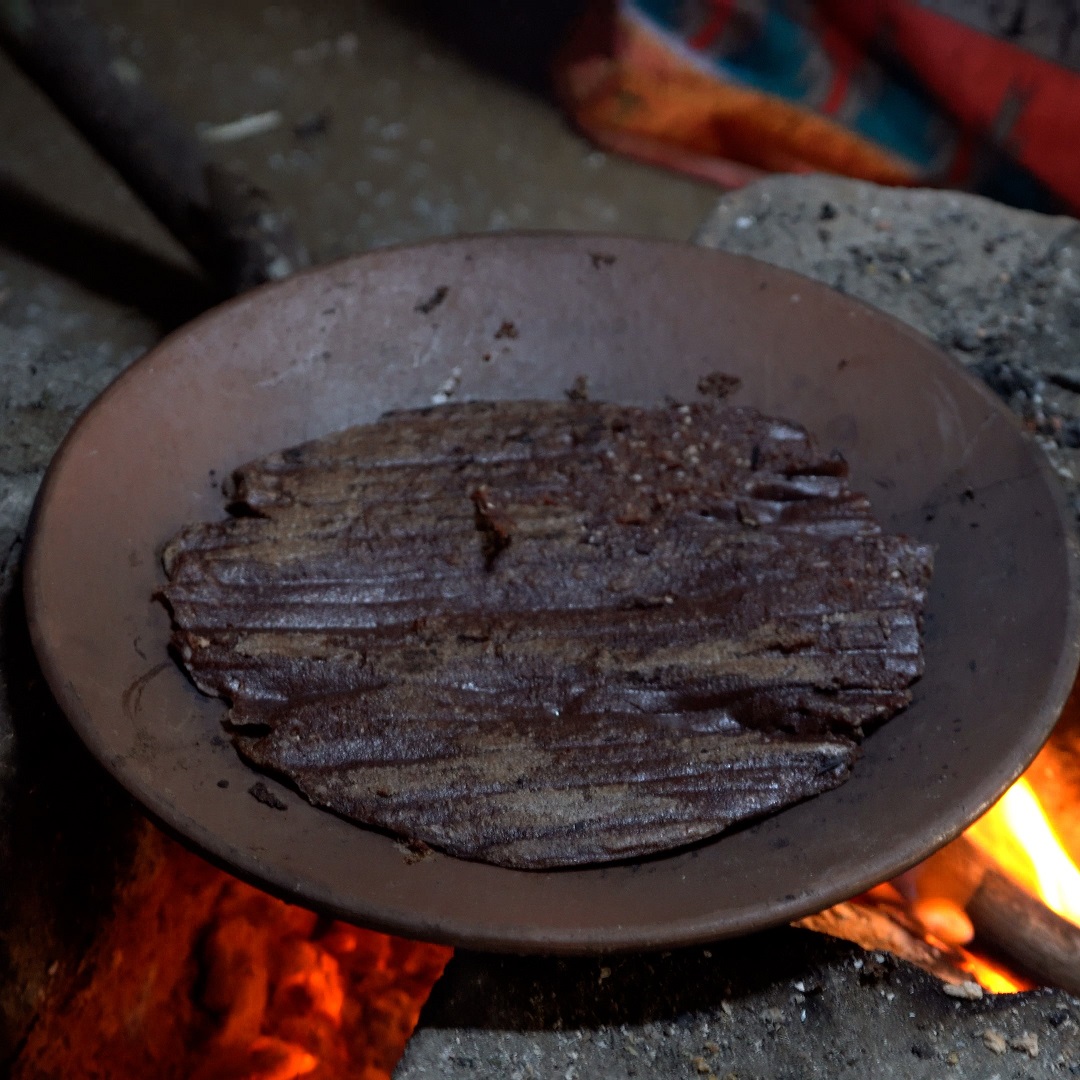
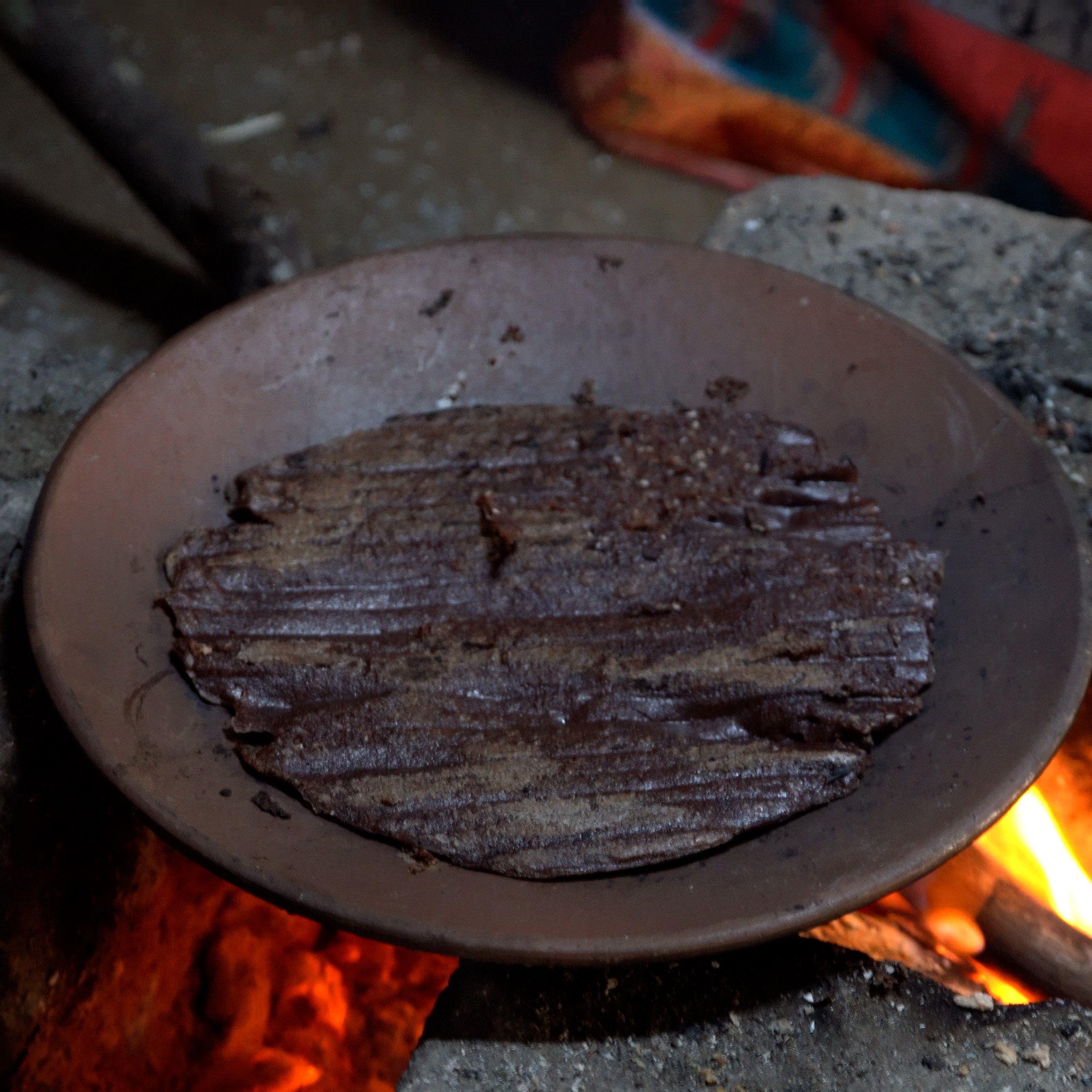
Gonya Bhakri is a traditional snack and one of the top favorite snacks of the tribal community (Velip, Kunbi and Gawda) of Goa. Gonya bhakri is made from Ragi- which is called 'gonyo' in the local language. The value of Gonya Bhakri is not only in its flavoring or deliciousness, but also in its cultural and historical highlights, making it special.Gonya Bhakri is a type of roti made from Ragi flour. Ragi is actually finger millet, a highly nutritious grain packed with vitamins, minerals, and fiber. Gonya Bhakri is special because it is baked in a traditional pan. This traditional pan helps create a unique taste and different texture. It tastes not just traditional, but is soft- very soft- in texture and is very enjoyable to eat.
Historical and Cultural Context of Bhakri
The historical and cultural context of Bhakri reflects the deep roots of Indian society.
Historical Context:
Bhakri is a traditional Indian roti that is consumed in many regions of the Indian subcontinent. It has an ancient history related to the rural and agrarian food ways of India. Bhakri primarily consists of grains that are cultivated in close proximity and are consistent with the geography, climate and lifestyle of the region.From a historical context, the origins and development of bhakri are grounded on Indian agricultural traditions. In India diverse kinds of bhakri are made from different cereals, like jowar, bajra, ragi and rice. In ancient times, prior to present day technology, people made simple and wholesome food with seasonal local cereals. In a sense bhakri is a more modern version of this. The list of operations involved in the making of bhakri, is grinding and grinding cereal, kneading and cooking in a pan. Not only was the proportion of bhakri development important from the standpoint of food system safety and sustainability of beyond processing, bhakri uses methods that allowed for food to be maintained in edible form and freshness for relatively longer time.
Cultural Context:
The cultural significance of Bhakri is very much tied with rural Indian cultural or agrarian life. In Indian culture, Bhakri is regarded as more than a snack or food group; it is truly a cultural phenomenon. There are different forms and traditions of Bhakri in different geographical regions, reflective of regional cultural practices, habits, and festival observances.
- Role in Cultural Celebration - Bhakri features in various cultural events or festivals, and on such special occasions Bhakri preparation and sharing is an event of social or cultural activity representing social bonding and communal well-being.
- Health and Nutrition - There are different forms of Bhakri, e.g., jowar Bhakri, bajra Bhakri, ragi Bhakri, which are all relevant from the aspects of local agricultural sustenance and `health importance. Each of these grains protects against a range of diseases that exist and serve varying health needs of the local people. The consumption of Bhakri has historically been considered a marker of nutrition and simplicity by rural people.
- Social and Family - Bhakri has formed part of the tradition of family meal in Indian rural families. Typically, a Bhakri meal is enjoyed with freshly prepared vegetables or dal promoting family interactive fellowship and social experiences.
Significance of Gonya Bhakri in Tribal Society
Gonya Bhakri, a traditional tribal snack is highly popular among the tribal communities of Goa and Maharashtra. This Bhakri is made from Ragi (Gonyo), an important superfood. Ragi, also known as finger millets, is an integral part of the food culture of Indian tribal society. Gonya Bhakri is not only a part of the food but also an important symbol of tribal lifestyle, culture and traditional knowledge.
Tribal Society and the Importance of Ragi
Tribal society's way of life and culture heavily rely on food and farming. For tribal people, ragi is a significant crop meeting their nutritional and financial needs. Ragi farming relies on the customary tribal culture's agricultural methods, which give conservation of natural resources and biodiversity top priority.
Gonya Bhakri and Tribal Tradition
Gonya Bhakri has a special place in tribal society. It is usually consumed as breakfast in the morning and is not only nutritious but also a part of the tribal lifestyle. In tribal society, Gonya Bhakri is not just a food but is also a part of a cultural and traditional tradition.
Ragi Cultivation and Tribal Lifestyle
Ragi Cultivation: A Traditional Approach
1. Cultivation Methods
- Land Preparation: Land preparation for ragi is done traditionally. Farmers first clear the land by cutting trees and bushes and later burn it with the help of fire. This is a part of kumeri cultivation which is called shifting cultivation or jhum cultivation in other States. Traditional implements such as plough and hoe are used to prepare an area for cultivation.
- Sowing of seeds and Transplantation: Ragi seeds are sown carefully. Tribal farmers usually sow seeds in a small patch of land and later transplant them in the selected area like paddy crops. Plough is hardly used for this plantation. The timing and technique of sowing seeds depend on the local climate and soil conditions.
- Irrigation: Irrigation for Ragi is primarily dependent on natural rainfall. Conservation of water is an important practice in tribal society, and they follow rain based agricultural practices to minimize the need for irrigation.
2. Crop care and harvesting
To harvest special place is selected by clearing a small patch of land. Cow dung is applied to the area. After the area gets dry, harvested millet panicles are kept for drying for 3-4 days. On harvest day it is celebrated by serving vann (sweet dish) to those who are present over there.
Tribal lifestyle and role of Ragi
1. Nutrition and food
Ragi is a crucial part of the tribal lifestyle as it is a crop with high nutritional value. It is rich in nutrients like protein, fiber, calcium, and iron, making it an important dietary source for tribal people. Ragi products such as Gonya Bhakri, aamat, ambil, satv, upma, laddo, and ragi ki khichdi are staples of tribal breakfast and meals. Through these foods, tribal society fulfils its energy and nutrition requirements.
2. Economic and Social Importance
Cultivation of finger millet is a significant part of economic life of the tribal community. Ragi is a significant source of livelihood for them and is a source of income when it is sold in the market. Cultivation and sales of ragi bring economic independence and stability to the tribal people.
Featres of Ingredients Preparationu
Characteristics of Ragi (Gonya) and its Health Benefits
1. Dairy and fruit supplies:
Ragi is one of the most nutritious foods, as it is full of nutrients.
2. Gluten-free:
Ragi is gluten free and safe for all people with gluten sensitivity and celiac disease.
3. Health saving phytochemicals:
Ragi has many content phytochemicals such spec as anthocyanins and phenolic acids which have antioxidant qualities.
4. Low GI index:
Ragi has a very low GI index and is digested slowly to maintain good blood sugar levels.
Health Benefits of Ragi
1. Promotes Bone Health
Rich in calcium, a really vital nutrient for strong bones and teeth, ragi also helps to build Frequent ragi intake can relieve bone pains and assist those with osteoporosis, among other bone ailments.
2. Improves digestive health
A healthy digestive system is maintained by the abundant dietary fiber found in ragi. Fiber alleviates stomach troubles, aids in constipation, and raises bowel frequency. Additionally, regulating stomach acidity and gastric levels is this fiber.
3. Weight management
Consuming Ragi can also be helpful in weight management. Due to low amount of glycaemic index and high fiber content in Ragi, it controls appetite and makes you feel full for a longer period. This controls overeating and helps in weight loss.
4. Diabetes control
Due to low amounts of glycaemic index of ragi, it helps keep blood sugar levels consistent. It is a beneficial food item for diabetics, as it controls sudden rise in blood sugar and keeps insulin levels in check.
5. Improves skin and hair health
Ragi is a good source of antioxidants and vitamin B-complex which help in body and hair growth. Antioxidants keep our skin healthy and deter the appearance of aging, the Vitamin B-complex keeps the hair growing and looking shiny and strong. We can use Ragi as a scrub for a new born baby.
Traditional Pith (Flour) Making Method:
1. Cleaning and Drying of Gonyo
The first and foremost process of making Pith starts with the cleaning of Gonya (Ragi). First, the freshly harvested Gonya grains are cleaned by putting them in large vessels. Stones, soil and other impurities are removed from it. The cleaned Gonyo is then dried in the sun so that there is no moisture in it. After drying in the sun for 2-3 days, the grains are ready for grinding.
2. Traditional Flour Grinding Method
Gonya flour is traditionally ground through a stone mill, called “datum”. It is a large round rock with a hole in the centre and a smaller stone placed on top. The Gonye is slowly placed in the datum and rotated by hand. This process is quite laborious, but grinding Gonye in the traditional way makes the taste and quality of the flour unique. Nowadays electric chakkis are also being used in many places, but the tribal communities prefer flour ground from datum.
3. Flour Storage
When the Gonye is properly ground and made into flour, it is kept in large pots for storage. As it has been dried and stored properly in the right conditions, so this flour does not get spoiled for a long time. This flour is especially utilised during winter season, as it provides warmth to the body and has many nutritional ingredients. The pith is used to make a variety of dishes like Gonya Bhakri, aamat, ambil, satv, laddo, and many other traditional dishes.
4. Traditional Significance
This method of preparing pith is not only a food preparation technique in the tribal community but it is actually a process of their traditional knowledge and tribal culture. This preserves their culture and also teaches the next generations regarding sustainability i.e., how to respect and utilize natural resources.
Essential Ingredients, Cleaning and Preparation
1. Gonyache Pith (Ragi Flour) – 5 fistfuls (½ kg)
The staple of Gonya Bhakri is ragi flour, and to prepare it, the ragi grains are washed initially. Ragi grains may also be adulterated with small stones or dust, hence they are washed several times with water and then sun-dried thoroughly. Once dried, they are crushed into fine flour using the conventional method or with the help of modern chakki. Once the flour has been prepared, it is sifted so that there are no coarse particles in it.
2. Ukde Sheeth (Cooked Rice) - 2 handfuls (250 grams)
Boiled rice, referred to as Ukde Sheeth, is necessary for giving a soft texture to Bhakri. Preparation of the same involves thoroughly washing the rice to get rid of all the dust and impurities present in the rice. The rice is then boiled in water and cooked. Once the rice is well cooked and soft, it is set aside to cool. The boiled rice is cooled to room temperature and then mixed into the Bhakri mixture.
3. Naalh (Coconut) - 1 handful
Coconut is also used in adding flavour and moisture to the Bhakri. It is first fresh coconut which is well cleaned by peeling off the outer hard shell of the coconut. Then the coconut is grated. After grating, it is directly used so that the fresh flavour and moisture is preserved. Once the coconut is well prepared, it is added to the mixture.
4. Godd (jaggery) - 1 handful (300 grams)
Jaggery provides sweetness and nutrition in Bhakri. For cleaning and preparation of jaggery, firstly it is cut or ground into small pieces. Sometimes jaggery may have some impurities, so it is soaked in lukewarm water and melted slightly so that all the dirt comes to the surface. After cleaning the jaggery with this process, it is again cooled and added to the Bhakri dough.
5. Chanyachi Panna (Parasol leaves) - 10 or Keelichi Panna (Banana leaves) - 2
Parasol or banana leaves play a special role in making Bhakri. These leaves are used to cook Bhakri in the pan. Firstly, the leaves are washed thoroughly with water to remove dust and other impurities on them. After this, the leaves are dried so that no water droplets remain. Banana leaves can also be lightly roasted before use, especially to make them soft and easy to bend.
6. Mit (Salt) - As per taste
Salt is used to balance the taste of Bhakri. It does not require any special cleaning process, but the quantity needs to be mixed carefully so that the taste of the Bhakri is balanced and perfect.
Preparation of the Mixture
1. Preparation of Ragi Flour
First, Gonyaache Pith (Ragi Flour) is consumed. This flour is the key ingredient of Bhakri and it must be properly prepared. Typically, 5 handfuls (around ½ kg) of Ragi flour is consumed. Place it in a big bowl and add salt (mit) to it as per the taste. To mix the salt properly with the flour, you may lightly mix it with your hand so that the salt gets distributed evenly across the flour.
2. Adding Coconut and Jaggery
Then, freshly grated coconut (naalh) is utilized. Approximately 1 handful of coconut is mixed with the flour. Coconut adds moisture and a subtle sweetness to the Bhakri, giving it a rich taste. Now is the turn to include jaggery (god). 1 handful (approximately 300 grams) of jaggery is chopped into small pieces or grated and mixed in the flour. Including jaggery provides a sweet and dark flavor to the Bhakri, making it all the more unique.
3. Adding cooked rice
2 handfuls (approximately 250 grams) of parboiled rice (cooked rice) are now added to the flour. Cooked rice makes the Bhakri soft and smooth in texture, and easy to make and cook. Mix the rice well with the flour using your own hands. Ensure that the rice is well mixed with the flour and no lumps are created.
4. Adding water and kneading
Water is now added slowly to this mixture gradually. While adding water, be careful not to add excess water so that the mixture does not thin out. Add water slowly while kneading the dough with your hands. Good kneading enhances the consistency of the mixture and converts it into a thick, smooth and slightly sticky texture. Knead it until it softens and becomes pliable.
5. Testing the consistency of the mixture
The right consistency of the mixture is also extremely crucial. The mixture must neither be hard nor too thin for Bhakri making. It must be of medium thickness such that it is comfortable to spread on the leaves and easy to mold the Bhakri. Test the mixture with a light hand pressure in order to get the right consistency. If the mixture is found to be too dry, some more water can be added. Conversely, if the mixture is found to be too watery, the mixture can be adjusted by adding a bit more ragi flour to it.
6. Resting the mixture
Once kneaded, keep the mixture covered and allow it to rest for a while. Normally, the mixture is kept covered for 10-15 minutes such that all ingredients in the dough get properly mixed and the flavours get developed in the dough. This duration also aids in softening the dough and making it pliable, thus allowing it to get easily spread during preparation of Bhakris and allowing it to get cooked well.
Preparation and Serving of Gonya Bhakri
Traditional making process
1. Preparation of ingredients
The process of preparing Gonya Bhakri begins with the preparation of its ingredients. These ingredients are mixed together in a bowl - Ragi flour, cooked rice, jaggery, grated coconut, and salt. It Is important for this mixture to be of the right consistency and quality before the kneading of dough.
2. Preparation of leaves
In the traditional method, special leaves are used to cook the Bhakri. Chanyo or Banana leaves are first washed thoroughly to remove any dirt or dust. The leaves are sun-dried for some time so that they become strong and suitable for cooking. The leaves are also lightly roasted before the Bhakri is placed in the pan, which softens them and provides the right texture for the Bhakri.
3. Layering the mixture on the leaves
A traditional method is used to spread the prepared mixture on the leaves. First, a small thick layer of the mixture is spread on a leaf. The mixture is spread evenly on the leaf with the help of hands so that the thickness of the Bhakri remains the same. After this, another leaf is placed on it, covering the mixture. These leaves provide support to the Bhakri while cooking and help retain the taste.
4. Cooking on the Tawa
The Bhakri covered with leaves is placed on a preheated Tawa. The Tawa is heated on a traditional stove, which is fuelled by wood or coal. The leaves are cooked on the Tawa at the right temperature, which cooks the Bhakri slowly and maintains the right texture. The Bhakri is regularly turned to cook on both sides, so that it becomes golden.
5. Removing and Serving the Bhakri
Once cooked, the Bhakri is carefully removed from the Tawa and separated from the leaves. The Bhakri is served hot, and is usually eaten with tea as a tribal breakfast. Traditionally, it can be served with chutney, pickle, or other side dishes, which enhances its taste even more.
Use of leaves and shaping of Bhakri
1. Preparation of leaves
Banana leaves or parasol leaves are usually used for Bhakri. To remove dust, dirt or other impurities, these leaves are first washed thoroughly. Next, the leaves are dried, and then lightly roasted so that they become soft and can be easily folded. This entire procedure makes the leaves ready for making the Bhakri and gives them proper texture.
2. Spreading the mixture on the leaves
When the leaves are ready, the step of spreading the mixture on the leaves begins. First, a leaf is placed on the tawa or other surface.
3. Covering with leaves
When the mixture is spread on the leaf, another leaf is placed on top, covering the mixture completely. This is the traditional method of cooking the mixture between two leaves.
4. Shaping the Bhakri on the pan
The prepared leaves are placed in the hot pan. While cooking the Bhakri, it is necessary to maintain the leaves at the right temperature so that the Bhakri cooks evenly.
5. Removing and Cooling the Bhakri
Once cooked, the Bhakri is carefully removed from the pan and separated from the leaves. The leaves are removed and the Bhakri is kept aside to cool. Once cooled, the Bhakri is ready to eat and is usually served with tea or other traditional dishes.
Method of Baking Bhakri
1. Preparation of the Tawa
Heating the Tawa to the appropriate temperature is required prior to baking the Bhakri. Wood or coal are used traditionally for heating the Tawa, which assists in cooking the Bhakri evenly. It is cleaned with a light touch after heating the Tawa properly in order to remove any dirt or residue. The appropriate temperature of the Tawa guarantees crispiness in the Bhakri while cooking.
2. Spreading the Bhakri Mixture on the Leaves
The prepared mixture is spread evenly on banana or parasol leaves. First, a thin, thick layer of the mixture is spread on a leaf. Another leaf is placed on it, covering the mixture completely. This technique is used to maintain the moisture of the Bhakri while cooking it and to cook it evenly.
3. Placing the leaves on the pan
The leaves are carefully placed on the pan. The leaves are placed on the pan and left for a while to cook the Bhakri. The pan is maintained at medium to high temperature so that the Bhakri cooks evenly. A little pressure is sometimes applied to keep the leaves in the right position on the pan.
4. Flipping the Bhakri
The Bhakri is regularly flipped while cooking on the pan. After cooking the first side till it is golden and crisp, the leaves are carefully flipped to cook the other side of the Bhakri as well. While flipping, make sure that the Bhakri does not break and remains in the right shape. It is necessary to cook the Bhakri evenly from both sides so that its taste, and texture are good.
5. Removing the Bhakri after cooking
After both sides of the Bhakri become golden, we can confirm that it has cooked perfectly. Then, it is carefully taken down from the pan. While removing the Bhakri from the banana leaves, keep in mind that the Bhakri does not break and should properly retain its texture. Then, finally it is placed on a clean surface to cool down.
6. Cooling and serving of the Bhakri
After removing the Bhakri from the pan, it is kept aside for a few minutes to cool down. Once cooled, the Bhakri is served hot. It is usually served with tea, chutney, pickle, or any other traditional side dish.
Method of Serving
1. Bhakri Preparation
After taking the Bhakri out from the pan, let it rest for some time until it cools; once cooled, it is easier to break or cut the Bhakri. Being cooled helps retain the crispness and flavor of Bhakri, so it would better please your palates.
2. Suitable Size and Portion
Cut or break the Bhakri into convenient sizes before serving it. Bhakri is generally cut into small pieces so that it can be easily consumed by hand. This is an important step in serving Bhakri according to tribal tradition, which carries out in the traditional manner.
Modern Experiments, Variations, and Summary
Improvements and Substitutions in Gonya Bhakri
1. Ingredient Alternations
Ragi (Gonyo), jaggery, parboiled rice, and coconut are some of the ingredients that go into the original Gonya Bhakri. These ingredients are being mixed with a variety of superfoods, like amaranth seeds, chia seeds, or flax seeds, in new tests. This is making the Bhakri healthier and giving it more fiber. Only jaggery is added to traditional Bhakri. Bhakri is also being flavored with a variety of natural sweeteners, like honey or maple syrup, in new experiments. In addition, spices like cardamom, cinnamon, and cloves are being used to give Bhakri a new taste.
2. Refinement of the cooking process
Aside from cooking on a conventional pan, Bhakri may be prepared on a grill, oven, or apply duty. All these make the cooking of Bhakri quick and in an even way, and also make cooking simpler. In conventional ways, leaves are utilized to cook Bhakri. Today, some individuals are substituting leaves with silicone mats or wox paper, which are simpler to clean and just as effective in cooking Bhakri.
3. Variation and innovation
Bhakri is mixed with different fruits, nuts, and seeds, altering its flavor and texture. For instance, incorporating dry fruits and seeds into the Bhakri mixture may provide it with a crunchy and healthy twist. Bhakri is also being tested with different flavoring agents like herbs and spice blends. This not only provides the Bhakri with new flavors but also enables it to be served with a new seasonal or regional flavor.
4. Nutritional improvements
Bhakri is being upgraded even more healthily by incorporating protein-rich and fiber-rich foods along with ragi. This increases the function of Bhakri as a source of protein and dietary fiber and increases the satisfaction of eating it. Bhakri can be cooked using gluten-free flour or lactose-free milk for people who are gluten allergy or lactose intolerant. This provides Bhakri to a new clientèle.
Regional Variations and Twists
1. Regional Variations in Ingredients
- Maharashtra: Gonya Bhakri is prepared traditionally in Maharashtra with ragi flour, along with parboiled shit (cooked rice) and jaggery. Coconut is utilized very profusely here, and the Bhakri is served with coconut chutney or pithale.
- Karnataka: In Karnataka, Gonya Bhakri is served along with a variety of chutneys and side items. Here, the Bhakri is made by adding fresh green chillies or other spices available locally. In this area, Bhakri is also served along with traditional rasam or sambhar.
- Goa: Bhakri is baked on banana leaf and served with coconut chutney and leafy vegetables. Coconut sweetness is used in place of jaggery, and Bhakri is hot and typically consumed as a snack with tea. It can be served with any side dish like fish curry or chutney, provided it is prepared without jaggery.
2. Twist in preparation methods
Besides being cooked in a conventional pan, Bhakri is now also cooked in an oven or grilled. Oven baking of Bhakri provides even cooking. Grilling provides a smoky taste to the Bhakri, which increases its tastiness. Gonya Bhakri is now also being utilized in fusion recipes in the modern kitchen. For instance, Bhakri can be rolled up with a range of fillings like paneer, vegetables, or lentils. This provides Bhakri with a new appearance and taste.
Summary
Gonya Bhakri is an important healthy tribal food that has been a staple in the diet of the tribal population for a long time. Already tasty with the application of ragi, it has medicinal value. Ragi or Eleusine coracana is endowed with high levels of calcium and iron and fiber that helps to build strong bones, digestion, prevents heart diseases, and control diabetes.Traditionally, the making of Gonya Bhakri involves the mixing of ragi flour with jaggery, cooked rice, and coconut to form a wholesome and nutritious paste. This paste is applied on leaves and steamed in a pan, thus giving the Bhakri its special flavor and texture.In time, a modern touch has been given to Gonya Bhakri by baking it in the oven, tossing it with tasty spices, side dishes, even healthier options. These latest editions allow Bhakri to meld with modern living while keeping its traditional features with cultural respect.This travel of the Gonya Bhakri narrates not only the tale of its taste and nutrition but also brings to light an essential aspect of tribal culture and way of life. Thus, Gonya Bhakri is a dish that may be enjoyed with a traditional and modern twist, and it is a marker of tribal cultural heritage.