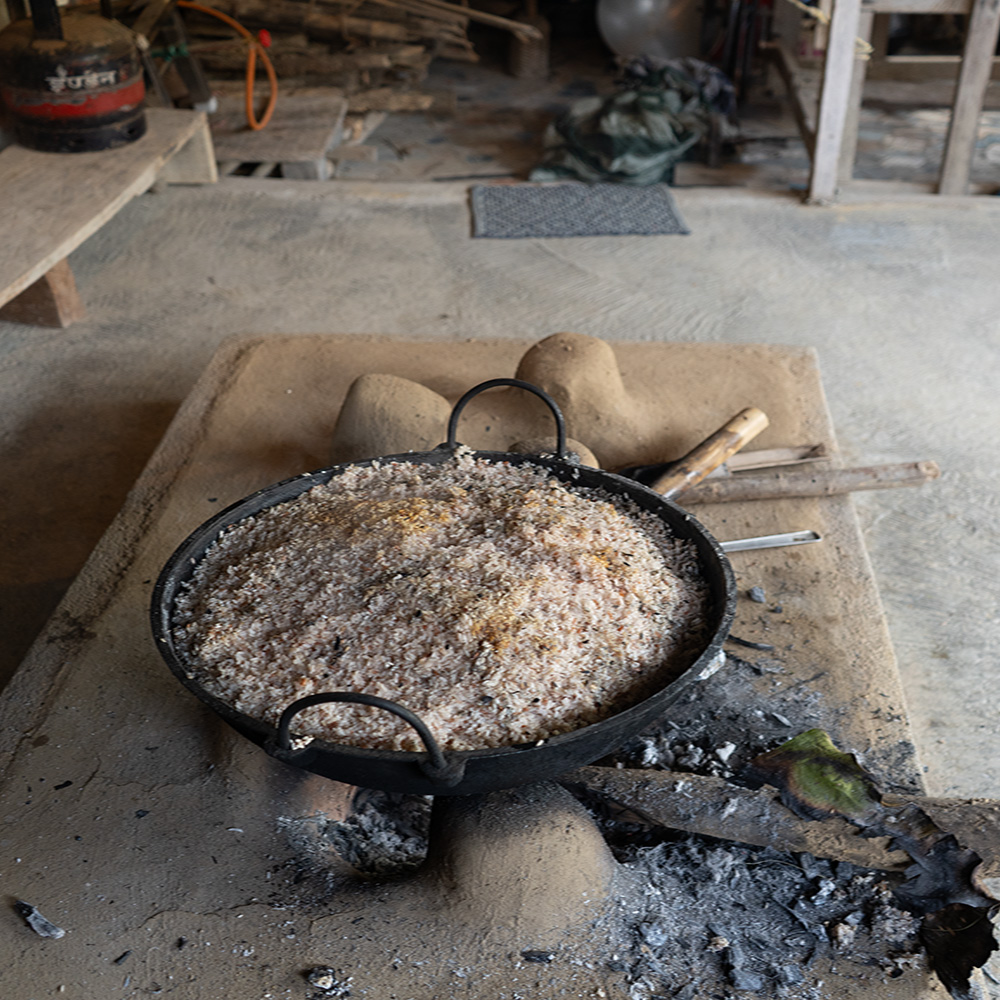



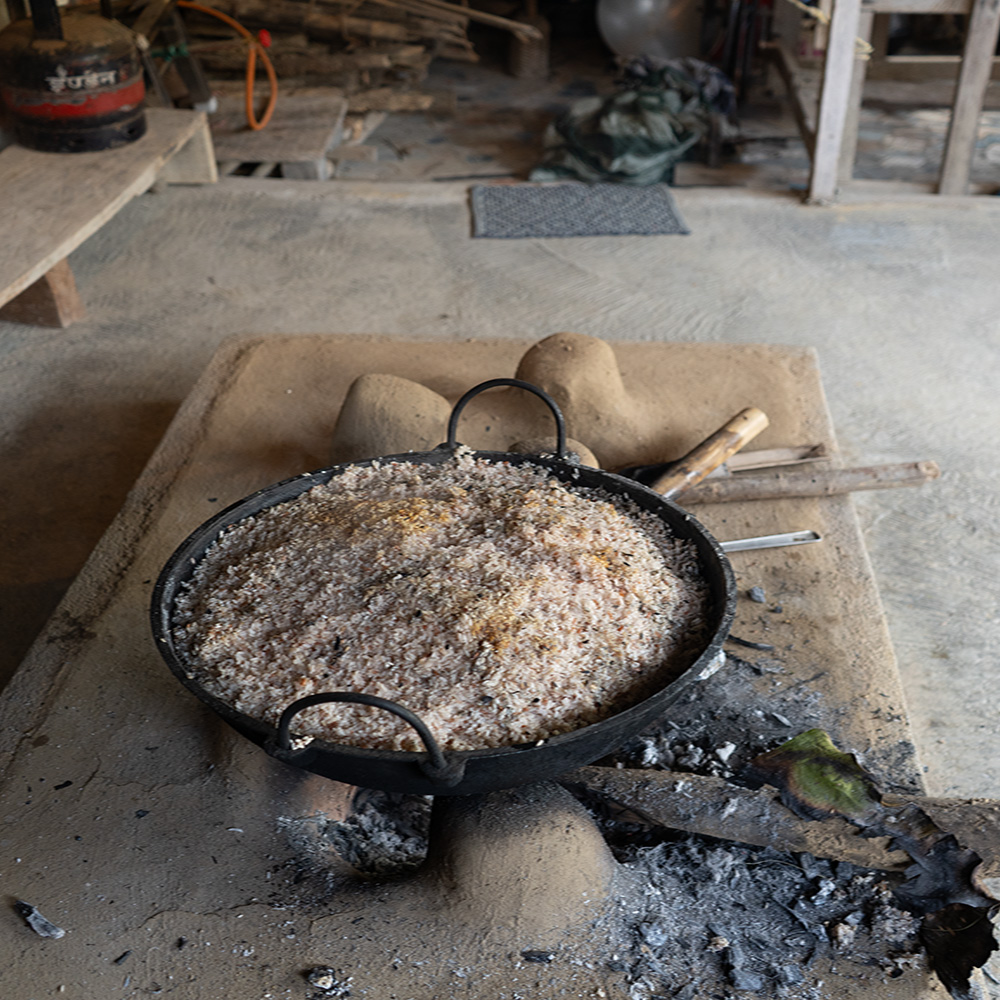
Judima Rice Beer
This advanced module explores Judima, the traditional rice beer of the Dimasa tribe, renowned for its unique brewing process and cultural significance. Learners will gain insights into the tribe’s heritage, the role of Judima in festivals, and its symbolism in hospitality. The course delves into its preparation, sustainability aspects, and evolving presence in modern society, including tourism and commercialization. Additionally, it highlights preservation efforts and contemporary adaptations. This module is designed for those eager to understand Judima’s deep-rooted traditions and its journey into the modern world.
 Most Viewed

What you'll learn
- The Dimasa Tribe and Judima : Understand the people and their traditional rice beer.
- Cultural Importance : Explore Judima’s role in festivals, rituals, and hospitality.
- Brewing Process : Learn about key ingredients and traditional preparation methods.
- Sustainability in Brewing : Discover eco-friendly and ethical brewing practices.
- Modern-Day Relevance : Analyze Judima’s place in tourism and the beverage industry.
- Commercialization and Challenges : Understand the market potential and hurdles.
- Preservation Efforts : Learn about initiatives to maintain its authenticity.
Couse Features:
- In-Depth Cultural Exploration : Comprehensive insights into Dimasa traditions.
- Step-by-Step Brewing Guide : Detailed breakdown of the traditional preparation.
- Industry Relevance : Discussions on commercialization and market trends.
- Sustainability Focus : Exploration of eco-conscious brewing practices.
- Interactive Learning : Activities to deepen understanding and application.
- Multimedia Resources : Engaging videos, images, and reading materials.
- Self-Paced Learning : Flexible study schedule to suit individual needs.
Who Should Enroll
- Beverage enthusiasts and fermentation researchers
- Cultural scholars and anthropologists
- Hospitality and tourism professionals
- Food and beverage industry experts
- Individuals passionate about indigenous traditions
- Historians studying tribal heritage
- Anyone interested in traditional brewing techniques
Description
JUDIMA RICE BEER
Introduction to Judima and the Dimasa Tribe
Traditionally, Dimasa community of Assam, India prepares and enjoy their own type of rice beer -Judima is part of a cultural tradition of Dimasa tribe. The Dimasa (“sons of the big river”), are one of the earliest known indigenous inhabitants of the North Eastern state of Assam in India living predominantly in Dima Hasao district of the state. The influence of their rich culture has shown in their language, customs, and traditional beliefs.
Judima occupies an important position in the practices and duties of the Dimasas in rituals and other ceremonies. Women only make it the traditional way, emphasizing their indispensable part in keeping this ancient art alive. The process includes fermentation of glutinous rice using a starter cake called "Humao" that embedded with bark of locally growing Thembra plant (Acacia pennata), which gives a characteristic flavour to the drink.
In September 2021, Judima was awarded the Geographical Indication (GI) tag, making it the first traditional brew from the Northeast India to get the honour. This status recognizes not only its unique cultural importance, but also helps to protect the traditional knowledge connected to its cooking methods.
Festivals The people of Dimasa are very lively and energetic community who enjoy life to the full and this is evident in the festivals that they organize and participate with much enthusiasm. Judima forms an essential part of their festival’s celebration like the Judima Festival. This exercise not only demonstrates the traditional process of brewing, but also supports women by giving them an opportunity to display their crafts and generating financial independence for the community.
Despite the forces of modernity, the Dimasa have been able to retain their indigenous customs, rituals and food habits. Work is in progress to record and share these preparation methods in order to protect for posterity this traditional art.
Every brew of judima is not just a brew, it is a representation of the culture and tradition of the Dimasa tribe. Its GI recognition and continued use in its indigenous traditional methods of flour processing suggest that it is vital to conserve and protect the indigenous cultural heritage expressions in the era of globalization.
Who Are the Dimasa?
Dimasa’s, whose name means "the sons of the big river", are among the early settlers in Northeast India and are the major ethnic community in the Dima Hasao District, Assam. They are members of the wider Bodo-Kachari group of people and the ethnic people speaking the Dimasa language which is a part of Tibeto-Burman Language family.
In terms of habitations, the Dimasa’s are predominantly settled on river banks, symbolizing their affinity to water resources. All these people some of whom had settled in the hilly areas of Assam, such as Cachar, Karbi Anglong and some parts of Nagaland. Their customs, agricultural activities and social systems have been shaped by this distribution.
Culture The Dimasas have a rich cultural heritage with distinctive customs, festivals, and social systems. Their culture is based upon a kin order system, under which each group of kinsmen shares a common ancestor. Marriage alliances, inheritance, and community relations depend on this system.
Dimasa traditional dress is a matter of very importance-of the pride of the Dimasa people. Women wear a "Rigu" (wrap-around skirt) combined with a "Rikhaosa" (blouse). Men wear a customary turban'‘Sgaopha” and ''Rigdo” around waist as loins. These clothes are usually handwoven, featuring complex designs and bright colors that have cultural importance.
Weaving is held in high esteem among Dimasa women and they produce traditional textiles of varied designs handed down through the generations. This practice not only fulfills practical needs, but also transmits culture.
Shifting agriculture as well as settled agriculture are the two major occupation and agricultural production systems of Dimasas. They farm rice, corn and vegetables with time-honored methods proven for sustainability on the hilly topography.
The Dimasas have several festivals, among which "Bushu" is the most notable one. The Bushu festival is celebrated after the harvest with festivities and dances, and with songs of thanksgiving for the good harvest. The traditional dances "Baidima" are performed at such gatherings, along with local musical instruments.
The Dimasas have resisted external influences and managed to maintain their traditional culture such as their bamboo and cane product crafts, traditional weaving style and food customs. This cultural conservativeness speaks to their desire to hold on to their roots.
The ethnicity has a very ancient history interwoven with a diverse range of culture, customs, traditions and social institutions of the people to which it belongs. The relationship that binds them to their roots, soil and fellow community members still forms an integral part of their identity in the multicultural context of North East India.
What Is Judima?
Judima is a supplementary drink extracted from rice and popular amongst the Dimasas, by the Dimasas: an ethnic group of northeastern India, mainly Assam. Judima is not essentially a drink; it is a tradition in itself, meaning culture of the Dimasa people, their social structure, their religious rituals, their sense of identity, their history- everything constitutes Judima in its essence.
Judima is actually made with very careful fermentation of rice being its main ingredient. For the formentino you simply pour water where rice has been soaking, let it ferment spontaneously and add a concentration of medicinal herbs, roots and the whole of natural substances that impart flavors and smells to the drink. Usually, Judima is produced in a community gathering which reflects how Judima serves the purpose of bonding with one’s family, friends and relatives.
“Judima is an integral part of the Dimasa society, with its history and tradition. It is not just a beverage but also a cultural symbol that reflects the Dimasas’ strong farming and land relationships. This deep relationship with rice has been cemented in the form of Judima, and the Dimasa, a proficient in rice cultivation. Rice is also a sacred crop so the change from it to Judima is treating the food as homage to the fields and the spirits and is physical food on the one hand and spiritual food on the other. This association with the rice is further reinforced by the process of production of Judima which is, communal and ritualistic, and it is symbolic of the oral tradition of the Dimasa, and their devotion for nature.
In the Dimasa society Judima has great utility. It is commonly ingested during shared public events, celebrations, and rituals, becoming a social and cultural bond promoting storytelling, entertainment, and bonding. In Dimasa society, drinking Judima is not merely an act of drinking alcohol but a symbolic representation of togetherness through shared cultural practice. Drinking is a village tradition where traditional songs are sung and dancing and storytelling take place, which helps foster Dimasa cultural norms.
Judima as religious and spiritual significance Apart from being a symbol a sacred spirit drink, Judima also has a prominent religious significance in Dimasa society. In most rituals and liturgies, it is a part. During important festivals like Karbi Anglong or Rongker, Judima is served to the souls of ancestors as a gesture of respect and to pay homage. Among these practices is also the offering of Judima in these ceremonies and worship is seen as a medium of communication with the divine world whereas its a practice to worship the spirits of the land and forefathers. The blood communion believed to have been established between the living and the dead by the consumption of Judima during rites prevents the separation of the material world from the spiritual one.
The significance of Judima is larger than the kindred and rites; it holds a cultural characteristic, considering the process of modernity and the non-indigenous approaches. As the Dimasa face the challenges of globalization, Judima is taking on new meaning as a cultural and social touchstone. Now in the modern times, making and taking of Judima has become a method to keep alive the Dimasa culture so that our young generations do not forget their roots and live a life full of love and respect to the culture of this land.
For, Judima is not just a rice beer; it is a story, a tradition, a symbol of fraternity, spirituality and an agent of cultural pride for the Dimasa community. Judima represents the very essence of Dimasa culture as it is consumed, produced, and has rituals associated with it and links the past, present, and future of the social, spiritual, and cultural value system in a harmonious manner.
The Recognition of Judima
Geographical Indications (GI) magic takes effect Judima, the official rice beer of the Dimasa community, now a GI product! This acknowledgement, given by the Government of India suggests that Judima has an identity associated with a region, and in this case, the boycotting it would undermine the Dima Hasao, district of Assam where the Dimasas have been brewing it for generations. The GI tag is a certification of authenticity that the product is known by not just by its quality but its cultural and regional significance.
Geographical Indication status is a key legal recognition, safeguarding products that come from a particular area from being misrepresented and - or stamped at source. In the case of Judima, this recognition goes a long way towards the maintenance of tradition concerning the brewing process as well as the unique cultural identity that the Dimasa community's relationship with Judima traditions exemplifies. With the Judima GI status, the government recognizes the value of the Dimasa community's knowledge, cultures and heritage and legally protected it from being replicated or industrially produced by people who don't follow the authentic modes of making it. The tag of GI guarantees that the Judima available in the market is authentic and made following the traditional ways maintained over centuries.
But the importance of GI status goes beyond mere branding – it is an essential part of safeguarding heritage. For the Dimasa tribe, the art of brewing Judima is not just a craft, but a cultural practice, deeply intertwined with their social, spiritual and economic life. With a GI (Geographical Indication), the Indian government has given Dimasa community a weapon to protect their tradition of knowledge and practices. This acknowledgment serves to slow the colonization of their culture and to highlight the distinctness of their heritage in the very global world in which we live. In addition, it offers itself as an avenue for Dimasa artisans to safeguard their traditions from being diluted or stolen.
A major benefit of GI recognition is the safeguard against the onslaught of mass-produced counterfeits that may compromise the originality and quality of Judima. Without a GI status, there would have been a threat that Judima may be commercially manufactured in other regions or produced by external entities but in different manner or with other ingredients, posing traditional status in jeopardy. With GI tag, if someone tries to manufacture Judima, outside the area or not following the traditional process, would be illegal and therefore help in maintaining the origin and the local morphology of the local culture.
Moreover, the official status of Judima as a GI product has provided the Dimasa community with the opportunity to gain economically. With the GI tag, the "authenticity and history" of the products carry more value, leading to greater demand and driving local economy through local production and export, he said. Benefits of the GI status There is pride among the Dimasa people since their traditional knowledge has been officially recognised and it is protected by law and commercially. It also creates a potential for the Dimasa to exploit niche markets and thus to make them see that their culture heritage is not only relevant within your own society but is also valuable on a wider, national or even on an international level.
Meanwhile, the GI tag of Judima also promises to strengthen sustainable practices. Judima, being hand brewed with age-old and eco-friendly brewing techniques and is also an intimate relation with the soil, this recognition could encourage a symbiotic relationship between environment and its inhabitants . The community’s embrace of organic, locally grown fare reflects international paradigms of sustainable agriculture, which adds another dimension of worth to the GI protection.
In conclusion, judicial recognition of Judima as GI is certainly a momentous event for the Dimasa community. Painter said it would not only protect the unique brewing systems and cultural practices surrounding Judima, but would also confer economic, legal and social rights. The GI status will play a crucial role in ensuring that the cultural property of Dimasa people is preserved and protected for the coming generations while reaping the full benefit of their traditional knowledge in the contemporary world.
The Cultural Significance of Judima
Judima is rich in cultural and spiritual values of Dimasa community and represents the connection of the Dimasas with their land, culture, tradition and community life. An identity symbol Judima is more than just a drink; it is a traditional rice beer and an identity of the Dimasa community, a heritage and a continuum. Generations-old process the process of making Judima is generational and embodies place-based agricultural practice, community solidarity and environment-conscious practice. With rice as the primary raw material, which is considered as sacred, its production process epitomizes the respect towards the earth and ancestors.
Test Description Judima is closely associated with Dimasa get- togethers, social gatherings, festivals, rituals etc and is seen as cementing a bond among the community. It promotes togetherness through communal eating, the telling of stories and sharing in celebration. At such cultural and religious congregations, Judima has been served to the deities as well as to the ancestors, cementing relationships with the spiritual and the ancestors. Taken together, these customs and beliefs are a guarantee for the sustenance of Dimasa's tradition and practice and Judima is a tradition across all generations.
Amidst the force of globalisation challenging the traditional way of living, Judima is a symbol of the strength and cultural richness of the Dimasas. It represents the continuity of their own cultural tradition, in which identity is kept and revered.
Judima in Festivals and Ceremonies
The traditional rice beer among Dimasa people, Judima is an integral part of various celebrations and rituals, its importance etched in the cultural and spiritual ethos. It's a symbol of solidarity, of respect for the divine, and commemoration of the bond within community. The act of consumption of preparatory drink Judima during festivals and religious rituals creates social bonhomie and respects our tradition of ancestors.
Some of the important festivals where Judima is of great importance are the Bishu- the traditional New Year celebration of the Dimasa people. Bishu is celebrated with fervour, as the completion of everything old and the commencement of the new. On the occasion of this festival, Judima is brewed in abundance and enjoyed by family and community. It is presented as an offering to gods and ancestors as a gesture of thanksgiving for the bounty and to pray for good fortune in the next year. The celebration culminates with the consumption of Judima with songs and dances in a spirit of feasting that helps to enliven the community ties while rejuvenating cultural sensibilities.
Bevoredwine also forms a part of marriage ceremony among Dimasa. In those ceremonies Gifts and Blessings presentations are performed, including the traditional ritual gifts giving. Judima is given to both the families as a token of good will, union, and as a traditional gesture of sisterhood between the mother-in-law, khina tantor and the king khina bam. The representation of Judima in such proceedings heralds the beginning of a new life with each other, a life of respect, love, and spiritual accord.
Apart from festivals and weddings, Judima is a part of other community related occasions like harvest feasts and social functions. Whether it’s a community feast or a ritual for the ancestors, Judima is an ever-present being, signifying the significance of tradition, divinity and collectiveness among the Dimasa people. And its function at these events is to keep cultural traditions alive, uniting people in the enjoyment and respect of their common roots.
Judima as a Symbol of Hospitality
In the Dimasa culture, it is not just a drink but more of a symbol, of hospitality, of warmth and togetherness. Presenting Judima to guests is a message of good faith, friendship and respect, representing the ideals of the Dimasa community. It represents the value of sharing and guarantees that any person may enter into a Dimasa home or society with open arms.
The hospitality of the Dimasas is well re?ected in their social life and Judima is one of the salient media of hospitality like songs and dances. When visitors come to the house, they are welcomed with Judima as a mark of respect. [The idea] It’s not just about buying someone a drink, it’s about creating an atmosphere of inclusivity and connection. Hosting a Judima makes guests feel part of your community, it encourages discussion, bonding and story-telling. And the collective act of drinking Judima promotes a feeling of oneness so that everyone in the gathering could feel that they are valued and connected to each other.
Tradition of sharing Judima with guest point to the sense of belongingness of the Dimasa. It’s a reminder that hospitality is about more than just physical nourishment: It’s spiritual and emotional nourishment, too. “Judima not only pleases the taste buds, but it is a great leveller of people, uniting hearts during an intimate chat or a grand celebration,” she says of the brew that brings people together and makes friendships stronger. Sharing, for Judima, is a tradition that continues to symbolize throughout the ages, the Dimasa people's concern for fellow beings, and obtain blessings in return of favor keeping the life a wonderful garden so that the best to all.
Oral Traditions and Folklore Around Judima
The history is just as much a part of that pot of tradition as the stories that have been spun over centuries, the songs sung, the folklore told.Modern day Judima can be found in the houses of some of the last remaining silpaonars, even markets of the town near the Karbi Anglong-Assam border. It is an important skill in those communities where professional historians did not exist and/or records were not kept or not available at such point in time. These oral legends have been passed on from generation after generation, and still find relevance with the people of the present generation. Preparation, Use, Symbolism, of Judima The preparation, use, and symbolism of Judima is intricately interwoven with folktales and rituals of the people, and is more than a beverage.
One of the better-known tales associated with Judima is that of the folktale of its origin. As per the Dimasa myth, the revelation of Judima was the result of an accidental and divine happening. A Dimasa man preparing for field work packed his lunch — cooked rice wrapped in banana leaves — hung on a tree trunk. When he returned later, the package appeared to be leaking. Tasting the liquid, he found it to be a sweet and tasty brew. The tree 'Acacia pennata' on which it was hung (also known as "timbrâ" in Dimasa) was said to have changed the rice into the drink. It was this mythical finding that marked the origin of Judima’s sacred and cultural status as a beverage of reverence.
This story is frequently narrated while making and drinking Judima and elders narrate it to youngsters. The story of the accidental finding of Judima is an illustration of how the Dimasa relate to, and respect nature, especially the plants and trees that form an integral part of their lives. A legend surrounding the timbra, the tree of which has the crucial ingredient for the brew is at the heart of this myth, and its bark is central in the dressing of the fermentation start, known as Humao. For the Dimasa people, the tree has the power to turn the rice not just into a food, but into a drink that is spiritually charged.
Apart from the backstory, Judima is embedded into Dimasa songs and chants. They are songs passed through generations that entertain but also tell the story of the community, marking significant events and cementing social ties. A common theme in all these songs is the importance of judima, which symbolises the link between the people and their land and the spiritual powers. When performing festivals and rituals like marriages, and births and mourning, these songs are sung and Judima is poured among all, culture and spirituality club together in these drinks.
The Dimasa society also believes that aging of Judima makes it tastier, smoother and stronger. This belief has been captured in the Dimasa proverb, “Shubung de radao birdao Ju de radao thaodao”— “Man grows more and more stupid as he climbs the ladder of years, but wine grows sweeter with the passage of time.” This aphorism is repeated in Judima-serving events, strengthening the metaphorical relationship between time, wisdom and ripening of the liquid.
In Dimasa mythology, Judima is considered to play an important role in various social ceremonies and life cycle rituals. Whether a guest to welcome various guests or a life event to celebrate such as marriages, births and deaths, Judima is a crucial driver of social integration and passage of customary time.. When the tribals are invited to village festivals, offering of Judima is a part of the festivities—an effective method to chip in to satisfy their souls and to cement relations with the living community too. Folklore stories of Judima not only teach the values of hospitality, respect for elders, and the sense of community, but also demonstrate how the brew connects one another to bind them each other under the spirit of bonding and unity.
The relationship between Judima and the folklore of the Dimasa is not only the drink. It is a manifestation of their love for the nature, their forefather and the mysterious forces which govern this world. It is this lore and legend, which is rooted in the living oral traditions, that makes Judima such a potent symbol of Dimasa—it is ever evolving and growing, while staying true to the ancient cultural roots of the people. Whether downed in the lyrical drawl of a tune or the narration of fables from ages gone by, these stories see to it [that] Judima remains at the very core of Dimasa life, filling in the space between past and present with each gulp.
Ingredients and Preparation of Judima
Judima, the rice beer of the Dimasas, is brewed with minimalistic and uniquely flavoured constituents with profound sentiments to the community’s socio-cultural belief. The major elements used are Bora rice (glutinous rice), and non-glutinous rice which is white rice and adversely Bairing rice which is particularly grown to make Judima. These rice types impart an exclusive texture and flavor, from sweet to even a little bit bitter, according to the fermentation.
Judima is produced following the production of the main starter cake Humao. This starter is produced by grinding rice in the powdered bark of the tree Acacia pennata, called locally timbra. The bark is sun-dried and powdered and kneaded with rice soaked in water to form a dough. They generally consist of small cakes that are shaped and dried, which can last for even days or even up to five days to prepare.
As for the beer, boiled rice is spread out to cool, then it is mixed with the Humao starter. It is then transferred to large earthen or bamboo containers (khulu) and is stored under jute bags. By 5-7 days, the rice ferment then releases a slightly yellowish liquor. With the longer fermentation, the Judima will be very smooth and tasty.
Now, let us consider this entire procedure in detail.
Key Ingredients
The ingredients utilized in the making of Judima i.e the so called ‘Rice beer’ of Dimasa tribe is listed below:
1. Bora Rice (Sticky Rice):
Judima is made by using bora rice, a sticky rice type needed for brewing the drink. Bora rice is highly starched and has high fermentation quality. It’s a short-grained rice, similar to sushi rice or Mochi rice and rather than being a long grained rice, like basmati, it seems to clump together when cooked, which when fermented, makes it a good texture to drink and helps the fermentation, as it’s a good source of carbohydrate for the yeast to feed upon.
Various types of rice can be used for the production of Judima, but Bora rice is favoured more because of its stickiness and better fermentation. The rice that goes into Judima is local though, and while some of it is grown, most is wild-harvested and the method of cultivation centuries old, handed down through the generations. Varieties of Bora rice, non-Bora rice and Bairing rice (a rice cultivar grown in Thang-ta locally) are mixed, but Bora rice is at the center of the Beer.
Rice of Bora is not only a technical performer in it brewing but it also symbolizes Dimasa people's agricultural working the life, nature, etc. The rice is usually grown in the fertile Assam hills, and the conditions lend to the final quality of the brew. This rice is handpicked and manually processed with great care; a testament of Dimasa tribe's respect for their land and their resources.
2. Thelon (Herbal Starter Cake):
A second major player on Judima, Thelon, is a herbal starter cake which is significant for fermentation. Thelon is made from many different native herbs, with the bark of the Acacia pennata tree (damiana), also called Thembra or Timbra by the Dimasa people where the Thelon is consumed, being the most prominent ingredient. This herb is not just important due to its aid in the brewing process, but also because of its cultural and folkloric value.
For the Dimasa tradition, how the fermentation was invented was by accident. Legend has it that a Dimasa farmer once packed rice for lunch and left it hanging in a tree while he went about his work. He discovered that when he came back, the rice had fermented and become a liquid, which was how Judima was born. The tree on which the rice was suspended was pennata, and the bark was one of the primary active substances in the preparation of Thelon.
Thelon is made by sun-drying the bark of Acacia pennata followed by grinding. It is mixed with rice soaked in water and made into little cakes. These are dried in the sun for a few days and kept in cool dry places. The cakes are then employed to inoculate freshly cooked rice, and the conversion begins within it. A small quantity of the older Thelon is sometimes mixed with the new batch to hasten the fermentation and ensure the desired flavour and consistency.
Thelon makes a much bigger impact than just for its role in fermenting, however, it's also a nod to cultural symbolism. "People from all ages have practised this form of art since time immemorial, the art evolved through time can be thus subsumed into this knowledge that have accrued over a period of generations, and it is reflective of their knowledge of and wise use of nature's material.” Furthermore, Thelon preparation can be a shared task, with families or the local brewer cooperating in making the starter cakes, building relationships within the community.
3. Water:
Water is added to make up both the rice base and the fermentation phase. It must be had to soak rice and mix ingredients to have good fermentation.
4. Additional Local Herbs and Plants:
Local plants such like Piper betle (betel), Buddleja asiatica, Hedyotis scandens, and others are sometimes employed in the fermentation starter culture, providing distinctive flavors and claimed medicinal value for the final brew.
Bora rice and Thelon are the heart and soul of Judima tea and combining these ingredients result in a uniquely flavoured beverage full of cultural, spiritual and profoundly rich lifestyle values. This is what makes Judima so special; the skill which goes into choosing the right wild yeast and the correct starter to be used to brew it, means every batch of Judima is not just the Dimasa tribe's heritage, but also its connection to its roots and its tradition.
Step-by-Step Preparation Process
Cooking of Judima Judima is the name for the traditional rice beer of the Dimasa tribe and its making is a laborious art The recipe is but as common as the culture but involves many important steps to retain the flavour and heritage of the ancestors. This is a step-by-step process of how Judima is made:
1. Harvesting and Drying the Rice
The process of preparing Judima starts with the cultivation of Bora rice (also known as sticky rice), which is found in abundance in the fertile fields in the region. They are made using a variety of rice called Bora, which has the best texture for fermentation. Bora rice is the choice for its glutinous and starchy texture. The rice is then rinsed well after harvest to remove any dirt, stones or impurities. The rice is then spread on bamboo mats to dry in the sun after being cleaned. This drying is important, as the rice needs to be at the correct stage for fermentation. The softened rice is then boiled and readied to be mixed with Thelon (fermentation starter cake).
2. Preparing Thelon and Fermenting the Rice
The second important process is to make the Thelon or Herbal leavened cake. The bark of the Acacia pennata tree, or Timbra, as it's known locally, is used to produce Thelon and is an essential part of the fermentation process. Bark is harvested, dried, and powdered. The powder is then kneaded with rice paste and shaped into small balls (about 5-7 cm in diameter, 80-100 g each).
These would then be sun-dried over the course of a few days to be stored for later use. After the rice has been boiled and dried, the fermentation mould is introduced by means of a piece of Thelon, a starter cake. The Thelon is full of natural enzymes and organisms which, when mixed with rice, will ferment the rice. It is subsequently put into big bamboo or earthen containers and covered with jute bags to maintain the mixture warm and protected while fermenting. Normally after 5~7 days of fermentation (it can be affected by weather or season), the color becomes slightly yellow and rice changes into liquid.
3. Aging and Bottling the Final Product
The resultant liquid from the rice mixture can be saved after fermentation and filtered to remove any solids. The liquid that remains is the fermented Judima that can be taken immediately or stored for additional aging. Judima gur also tastes better with the aging it mellows down and it gets smoothers and tastier. The longer the beer ages, the more the flavors stipen, and lend a honey-like sweetness along with a softer yellow hue.
Judima is also bottled with age. The bottles are locked in by the cap seal and the beer’s properties are retained until it is used. Aging not only affects the taste, it also affects how strong it is…the longer the brew is kept, the percentage of alcohol is higher (usually between 20-21% by volume); and it ranges even higher if stored for a longer time.
And tradition weighs heavily in all of this. From harvesting the rice to ageing the final product, every step is a result of the respect the Dimasa have for their own culture, the knowledge transferred through centuries and the sheer energy they put into making a beverage that is both cultural and nutritional.
Sustainability in Judima Preparation
The process of preparing Judima, the Indigenous rice beer of the Dimasa tribe, has an ecological relevance in that it is not just about culture but about saving of natural resources and sustainability. The age-old method through which rice, herbs and trees are selected for Judima reveals an age-old knowledge of the inter-relationship between humans and the environment. That being said, the tradition faces threats and opportunities to hold onto the culture and environment as pushed by contemporary pressures.
Traditional Practices of Sourcing Ingredients Sustainably
Among the Dimasas, the sourcing of the ingredients for Judima is performed in an ecofriendly way with least destructiveness to the natural habitat. The glutinous Bora rice is most commonly used practice variety for Judima and usually grown in small family-owned agricultural fields. These are farms that are using organic growing methods, not using chemical fertilizer or pesticides. It’s sustainable for soil structure, and minimizes the environmental harm inflicted by huge commercial farming operations.
Preparing Thelon, the custom slurry cake to use as starter in fermentation, is a similar exercise in sustainable sourcing. The main ingredient is taken from bark of Acacia pennata tree by a process that does not harm the tree. Cultural knowledge stipulates that some branches or parts of the tree are collected to allow the colony to survive. Furthermore, other botanicals utilised in the procedure, including Piper betle and Buddleja asiatica, are wild harvested from the indigenous jungles to ensure that they are not harvested at the expense of nature's own biomes.
These eco-friendly sourcing practices not only contribute to the local ecosystem but also ensure the quality and purity of Judima. "Having coexisted with nature for centuries, the Dimasa people have evolved such practices to make sure that their resources are renewable and that the cultivation and production of Judima does not upset the overall ecological equilibrium.
Challenges for Sustainability
Challenges to Judima preparation Despite the sustainable aspects of the traditions of making Judima, several threats are wanted in continuing the use of this traditional way of preparation. Modernization and commodification are increasingly intense sources of pressure. As Judima becomes more popular, notably after its GI tagging in 2021, the concerns of overcommercialisation and exhaustion of local resources are not unfounded. High demand of Judima can lead to unsustainable collection of its raw materials (Acacia pennata and Bora rice), especially when there is a growth for mass productions, which are profit-oriented.
A third is the abandonment of traditional knowledge and practice. The traditional knowledge of cultivation and preparation of Judima by generations after generations is gradually getting erased as the younger generation moves out of the villages to towns and cities in search of education and employment. In case if this knowledge does not transfer to future generations, there is likely to be depletion of quality and genuineness of Judima and traditional way of collection of its ingredients.
Opportunities for Preserving Tradition
There is also a considerable scope for preserving the preparation of Judima in a traditional way in true spirit of the cultural heritage yet to meet the requirements in contemporary world. One such avenue comes from community-led conservation. Local efforts could be on growing Bora rice and Acacia pennata tree but in a sustainable way. Promotion of sustainable farming practices and application of tree planting for posterity can help minimize the impacts of over harvesting.
Another chance lies in documenting and teaching. With the recording of the traditional way to prepare Judima and passing on this knowledge to the younger generation, the Dimasa can preserve the method. Partnerships with local universities and cultural institutions can also serve as a platform to teach the community, and even tourists, about environmentally friendly Judima production.
Further, certification programs could be introduced to guarantee that Judima producers comply with standards of sustainability, much as the GI tag has maintained its identity as a traditional beverage. These kinds of programs could help support sustainable practices and stimulate demand for eco-friendly traditionally processed Judima.
Judima and Its Place in Modern Society
Dimasa tribe's traditional rice beer Judima has its pride of place in today's society, more so as northeast India's cultural and economy map changers. Judima which was once a traditional drink, has now got its due recognition, especially after getting the Geographical Indication (GI) tag last year. "The significance of the kava industry will welcome the news and will gain some grounding in its stance for both local and overseas markets.
In contemporary society, Judima still forms a part of the Dimasa culture. It is found at significant events like weddings and births, but also funerals. But it can be more than tradition. Judima in light of tourism is one of the centres for cultural tourism, giving tourists a glimpse of the Dimasa heritage. Commercialization of Judima Depending on its GI status, brings with it its opportunities and challenges. It provides economic income to local communities but also question the authenticity and sustainability of the production.
In addition, younger generations are gravitating toward cities and lamenting the traditional brewing methods, as well as how to procure ingredients. Judima’s purpose in current society, therefore, is to strike a balance between tradition and capital, where it is not just a symbol of tradition but is rather also very much embedded in the economy of the present.
Judima in the Tourism Industry
Judima - Dimasa traditional drink the traditional rice brew of the Dimasa people, is considered now as an important cultural icon in the light of rising tourism in North East India. Judima, a unique and primary element of Dimasa culture, takes forefront in highlighting the rich tradition of 8 Dima Hasao district and the Dimasa as a whole in front of the visiting tourists. The unique cooking methods, flavor and closely related but local the traditions represent valuable attractions for cultural tourism.
A key ways Judima contributes to tourism sector is through tasting tours and cultural shows. Tourists to the area can take guided tours to see for themselves how Judima is made: from the collection of the rice, processing til it's ready, then left for fermentation. Many of these tours involve tastings, through which tourists experience the different flavors and styles of Judima - the taste profile of Judima changes with the aging and the indigenous differences in the brewing style.
There is also cultural performances and festivals around Judima such as the Judima Festival which brings tourists in contact with the Dimasa people in an atmosphere of music, dance and stories. These events not only position Judima as a significant cultural product but also provides the tourists a living experience of the tribal lifestyle, craft and cuisine. Integrating Judima into tourism experiences not only provides a chance to understand, appreciate enticing Dmisa culture, but also to ensure cultural exchange as well as boosting local economy.
Commercialization and Challenges
For the Dimasa tribe, the commercialisation of Judima is a double-edged sword, as it goes from tiny, local production to wider markets. Though the GI has put the beverage on the map globally, this transition from traditional, artisanal production to mass production has thrown up challenges.
Originally, Judima was produced in pockets by families and communities in the Dima Hasao district of Assam and each batch was a portrayal of the personal brewing process and ingredients of the people involved. This handmade approach allowed the drink to stay true and deeply rooted in the way of the Dimasa people. Yet with the growing consumption of Judima, now that it has acquired the GI tag, temptation to grow more has set in. Commercialising it en masse might mean mechanized brewing and the use of uniform ingredients, which would sap some of the unique flavour from Judima and its cultural cachet.
The demand is authenticity and the danger with commercialization is authenticity. Traditional judima brewing techniques, which utilize traditional fermentation practices passed down through generations and products sourced sustainably locally, may be altered to meet market demands. Furthermore, the cultural customs and wisdoms related to Judima preparation might be in danger of being drowned out by profit motives and the rush to the market.
Safeguarding the originality of Judima should not be lost in the name of commercial growth at the expense of its traditional way of preparation. It also involves ensuring that the brewing process is owned by local brewer, promoting ecological factors and that consumers are educated on the significance of Judima in cultural and historical aspects. The challenge is to steer these competing pressures in such a manner as to retain Judima as an emblem of Dimasa cultural identity, and not lose out on the economic dividends that would arise from commercialization.
Judima in Pop Culture and Media
Judima, the rice beer that is traditionally brewed by the Dimasa community, has popular recognition as well, owing to its portrayal in different mechanisms of mass communication-media not only at the local or National level even globally, helping in the recognition of Dimasa heritage in broader prospective. Although there are a few mentions of Judima in mainstream books and films, its presence in mainstream media is scarce; however, its cultural importance has been addressed by several popular publications and digital platforms
Preservation and Conclusion
Judima, the indigenous beverage of the Dimasa community, thus not only represents the protection of an important traditional cultural industry but also the Ainamma or the knowledge of the indigenous that has been handed down through generations. With Judima gaining popularity, thanks to the GI tag, people are becoming aware of its cultural and economic values. Yet there is no denying the struggle to keep it real in a more commercial world. The commercialization of Judima, however, lays down opportunities for income, notably, the local beer brewers, and threatens the traditional way of preparation and the quality of the product itself.
How do you maintain and preserve the distinguishing feature of Judima without promoting it to a wider audience and simultaneously undermining its traditional standing? Responsible sourcing of ingredients and standardization of production process, while preserving the original identity, and documentation of the method of preparation are important for its sustainable conservation. Furthermore, campaigns aimed at educating the local population as well as tourists about the cultural importance of Judima can result in respect and appreciation of the history of the drink.
Preservation of Traditional Methods
Uniqueness: The use of traditional practices in Judima processing would be beneficial in conserving the culture of the Dimasa community. By recording and sharing this tradition, the knowledge is passed on generation to generation, preserving the authenticity of Judima. It places the onus on the scientific documentation of the preparation of Judima for the sake of ensuring its quality and authenticity.
Documentation and Teaching of Preparation Techniques
The traditional method of making Judima is to document it, step by step from the selection of the ingredients to the fermentation and aging. This documentation which can contribute to researchers and the community (growing in the sector, as the traditional is being lost while the creation of the new generation continues). If organized educational programs and workshops can be made to happen for the dissemi- nation of this knowledge, perhaps people will have a deeper insight and reverence for Judima and its close cultural connotation.
Protecting Thembra Plant and Other Natural Resources
Thembra (Acacia pennata), a wild herb found in Dima Hasao, is an essential ingredient for the preparation of Judima. Conservation of Thembra plant and other resources are crucial for producing judima. These conservation measures may include sustainable use plans, cultivation projects, and the preservation of the habitat, with the purpose of making sure Thembra is accessible for coming generations. Partnerships with botanical gardens and conservation associations can assist these activities promoting the sustainable exploitation of natural resources.
Conclusion It can be concluded that maintaining the traditional ways of preparing Judima as well as the conservation of the natural resources used are the key for the preservation of the Dimasa cultural heritage. With documentation,practices in education & conservation of Judima Dimasa identity and tradition can exist.
Challenges and Modern Adaptations
1. Balancing Traditional Methods with Modern Demands:
- Preservation of Authenticity: The traditional way of making Judima, handed down through generation, is under threat due to the demands of the modern production process. Quality and authenticity are really difficult to assure in Judima if you want to cater to a bigger market.
- Technology Integration: Although traditional techniques and methodologies guarantee the purity and uniqueness of the product, modern and new technologies such as better fermentation control and packaging may also be needed to scale up production but do so without losing the soul of Judima.
- Cultural Integrity: As more and more tourists and outsiders get attracted towards the drink, there is a potential risk of Judima losing its cultural relevance and getting exploited for commercial use. There is need to follow-up to sensitize producers and consumers on the heritage and traditional linkages of Judima.
2. Addressing Over-commercialization and Environmental Impact:
- Over-commercialization: With the Judima gaining more and more popularity, especially after obtaining the GI (Geographical Indication) tag, there is a danger of commercialization and mass production which may eventually lead to extinction of conventional practices. On the other hand, it has to be taken care of that in the process of promoting Judima as a cultural symbol, its authenticity is not compromised upon.”
- Sustainability Issues: Excessive commercialization can put pressure on natural resources like the Thembra (Targeted area plant used for fermentation) and lead to degrading the environment. To ensure the conservation of these resources the sustainable management practices must be promoted.
- Environmental Impact: As production scales, waste, overuse of ingredients and need for chemical additives to meet the market grow. Striking the balance between growing and being good stewards of the environment can be a daunting task.
The traditional method of preparing Judima encounters several problems particularly in view of today’s demands. A big problem is how to maintain very old brewing methods alongside the increasing commercialization of the product. With Judima's repute spreading and it being mingled with larger markets, there are growing concerns that the drink could go the soda way and further depart from tradition. Large-scale travel may mean that standardized ingredients and methods will be used, removing the individual tastes and cultural importance derived from traditional methods. Moreover, industrialization at times may not account for sustainable sourcing of ingredients (like Thembra) that can have long-term environmental effects if not appropriately managed.
Another challenge is tackling the environmental impact of ramping up production. Local Brews of old the traditional beer making processes make extensive use of local natural ingredients such as rice (e.g., Bora rice) and the Acacia pennata tree. But as demand grows, the resources could become over-exploited, driving overharvesting and the collapse of that ecosystem. In addition, the younger people might not all be keen on carrying on such practices, preferring modern practices, or moving onto urban areas for job prospects, thereby endangering the future of the craft.
In reply, the present adaptations may include hybrid model of old and modern systems by making practicing of traditional brewing along with sustainable practices like promotion of organic farming for rice cultivation and planting and harvesting of Thembra. Additionally, by recording and teaching the traditional production processes to the younger generations and incorporating them to tourism and education, it is possible to close the bridge between tradition and modernity and preserve Judima but also make of it meaningful for contemporary society.
Conclusion
Judima has a great cultural and socio-economic value for the Dimasa people. It represents much more than just a mere drink encapsulating the spirit of Dimasa, signifying hospitality, togetherness and the rich culture of the tribe. As an everyday drink and an ingredient of the rites and observances it has become a symbol of social unity and festivity. One of the latest adds to its stature is the recent GI tag, which has not just made its presence more significant, it also has opened paths to earn more, benefiting local brewers and artisans to establish and develop themselves.But as Judima is gaining global prominence and commercial exposure, there is a need to balance the authentic tradition and the contemporary demand. But the real challenge has been in marketing of Judima responsibly and keeping the culture and tradition intact and also promoting sustainable business. To Promote Judima in right perspective the locals and tourists should be made aware about its history, preparation mode and cultural significance.