

Ahimsa Silk
The Ahimsa Silk - Beginners Module introduces learners to the cruelty-free silk’s heritage, cultural roots, and sustainable practices. The course explores the Khasi tribe's traditional weaving techniques, silk production processes, and the material's significance in rituals and traditions. Students will understand the unique attributes of Ahimsa Silk, its role in local economies, and its global demand. This foundational course equips learners with insights into ethical textile production and lays the groundwork for further exploration of sustainable fashion and craftsmanship.
 Most Viewed

What you'll learn
- Introduction to Ahimsa Silk : Understand the origins, significance, and unique features of cruelty-free silk.
- Traditional Silk Production : Explore sustainable sericulture practices and the tools used in silk extraction.
- Khasi Weaving Techniques : Learn about traditional weaving methods and craftsmanship of the Khasi tribe.
- Cultural and Economic Importance : Examine the role of Ahimsa Silk in rituals and its impact on community livelihoods.
- Sustainability and Market Trends : Gain insights into sustainable production and its growing global demand.
Couse Features:
- Foundational Knowledge : Comprehensive introduction to Ahimsa Silk and its cultural heritage.
- Practical Insights : Interactive learning about silk production and design basics.
- Expert Contributions : Guidance from experienced practitioners and cultural experts.
- Sustainability Emphasis : Focus on eco-friendly production methods and their broader impacts.
- Real-World Relevance : Case studies showcasing the global relevance of Ahimsa Silk.
Who Should Enroll
- Aspiring textile designers interested in sustainable materials.
- Students keen to explore traditional crafts and eco-friendly practices.
- Entrepreneurs venturing into ethical and eco-conscious textiles.
- Cultural heritage enthusiasts passionate about indigenous art.
- Professionals seeking to understand the basics of sustainable silk production.
Description
Introduction to Ahimsa Silk
Overview of Ahimsa Silk
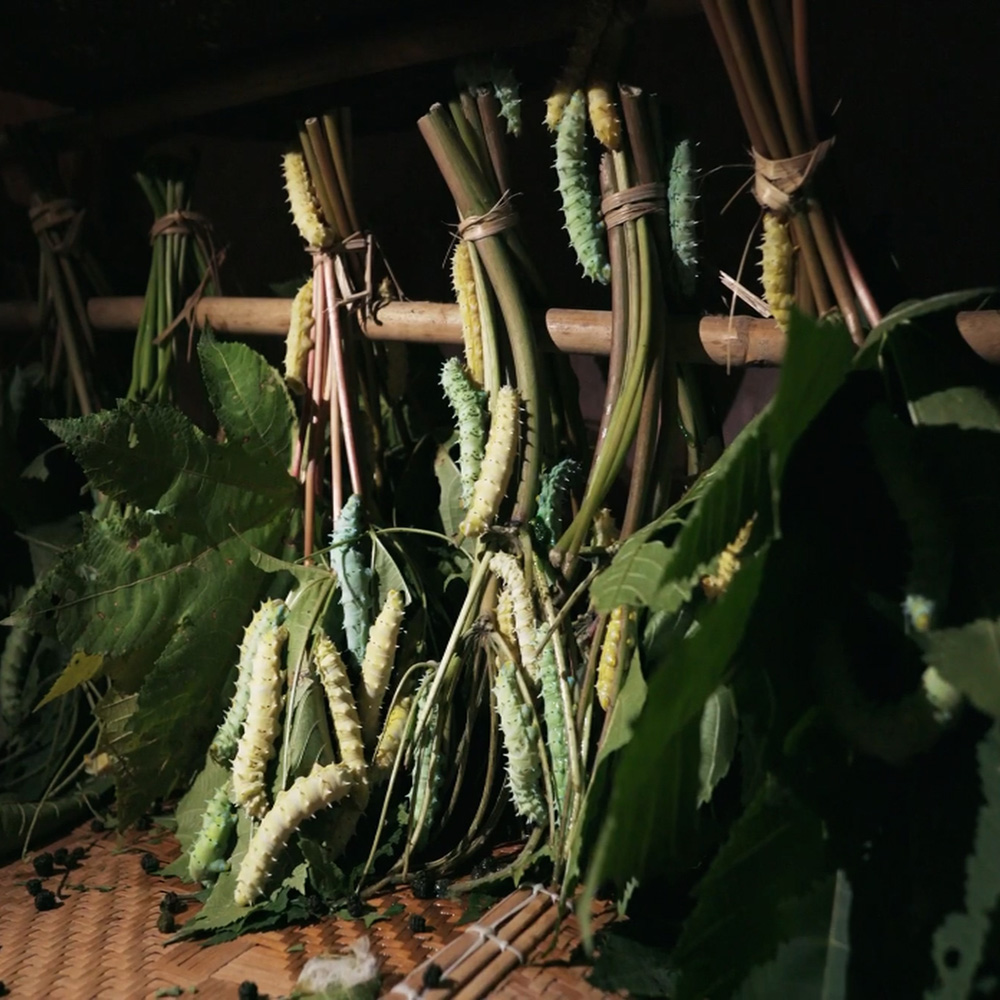
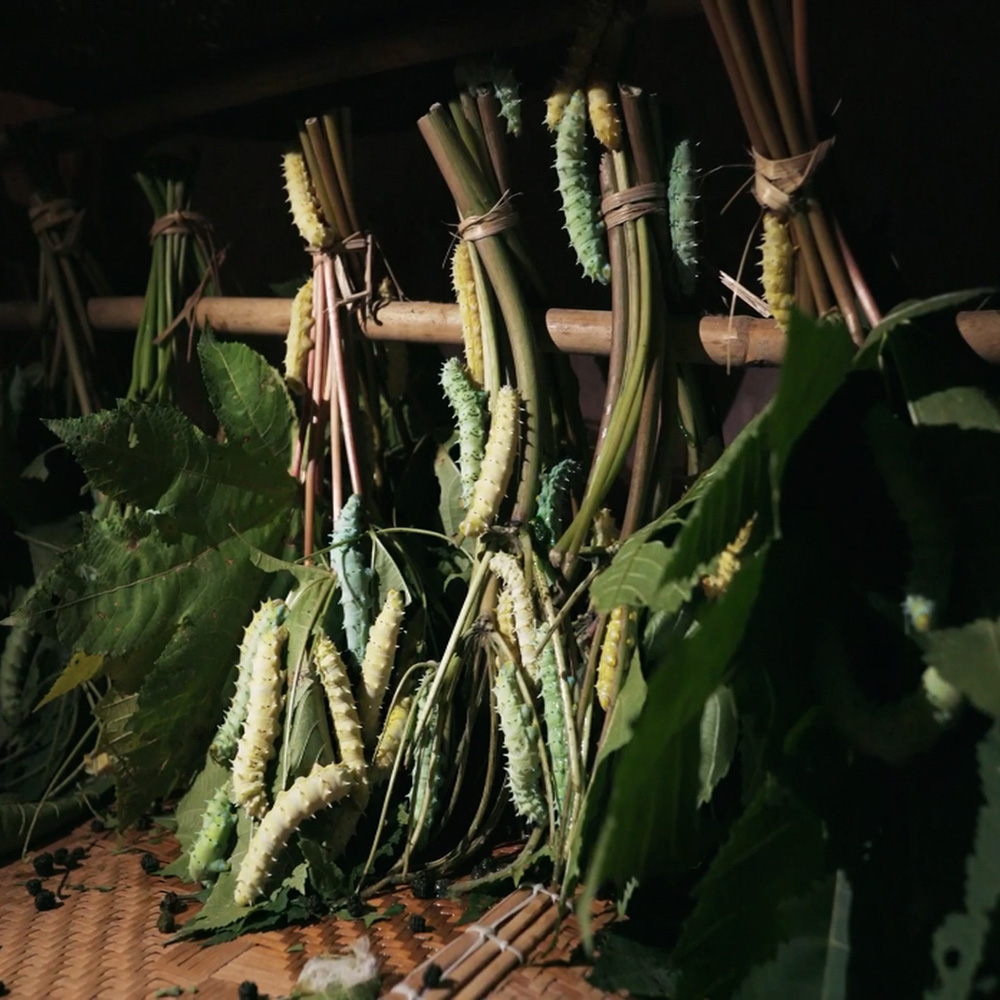
Ahimsa Silk renowned for its ethical and kind process of production that allows the worms to emerge from their cocoons.Eri silk is produced from the silk of Samia ricini, a variety of silkworm that unlike other varieties can leave its cocoon with an exhausting process. That way the moths make it out in a natural way, and we could progress with a non-violent way to produce silk. Eri silk is more common in places like Assam, India, where indigenous weavers have been using this sustainable form of weaving for centuries. Products and Applications Silk reeling The eri silkworm diapause enables it to be naturally spun at various intervals, producing high quality silk yarn.Ahimsa Silk – Ryndia of Khasi Hills – The Fabric It’s More Than A Fabric… Culture is the most vital fabric of the culture of the indigenous people and is inseparable from their lives. The journey of Ryndia silk starts with the nurturing of the larvae called eri silkworms which according to the Khasi people is like raising a child, that is so much of care and vigilance is necessary. The silkworm (which is reared in their houses and is considered as a friend) whose staple food is the leaf (of castor, payam, tapioka, etc.), belongs to the home of the Khasis, being a living example of the love and affection, they have for it. The practice of separating the ends and spinning the silk after the weft and warp of the cocoons have been boiled as well as killing the worm is unnecessary and barbaric compared to Ahimsa silk where the silk is extracted after the silkworm spins the silk which we refer to as “peace silk”.
Khasi Tribe and Silk Weaving
Weaving of silk among the Khasi is of great antiquity and interwoven with the life and culture of the people of the Khasi Hills.The Khasi inhabit the beautiful hills of Meghalaya in the North-east India. The tribe have had centuries to perfect their weaving, and are skilled artisans well known for their traditional weaving techniques. Weaving amongst the Khasi People is more than a mere productive economic occupation; it is intricately woven into the social and cultural life of the people.With the abundant mulberry reserve and favourable climatic conditions for cultivating silk, Meghalaya is the preferred terrain for cultivating silk. The Khasis produce, among others, eri silk or ryndia as it is called locally. This decision embodies their ethos of sustainability and nonviolence, as eri silk can be harvested without killing the silk-worms, who can simply emerge from the cocoons on their own. This work accords with the ethical tenet of non-violence that advocates unity with nature and honor for living things.Weaving The silk weaving in the Khasi family is a cottage industry, a common activity of the people, mainly women folk using simple form of tools such as spindles (charkha) for spinning the silk and handlooms for weaving. The entire operation from raising silkworms to dyeing and weaving has been inherited from previous generations, keeping traditional knowledge and skills alive. Natural dyes from local plants such as turmeric and onion peels are used to colour the silk that means the entire process is eco friendly and sustainable. Ahimsa silk clothing is of particular cultural importance to the Khasi tribe. They're typically only worn at significant life events such as weddings, festivals and community events and function as a mode of dress as well as an emblem of status, identity and cultural pride.
Silk Production Process Traditional Silk Production Practices
Conventional silk making, and particularly cruelty free silk, promotes ethical modus operandi where the welfare of the silkworm is prioritized during the entire silk making process. As opposed to traditional silk production (wherein cocoons with live larvae may be boiled to obtain silk), ethical silk fabrication permits the silkworm to fulfill its natural life cycle in adherence to ahimsa (non-violence).
Key Aspects of Ethical Silk Production
Life Cycle Conservation: The ethical silk-making process, especially that used for eri silk, involves allowing Samia ricini silkworms to hatch out of their cocoons. This one not only keeps the larvae safe, it also adds to biodiversity by allowing the moths to breed. It's a dramatic improvement over tried-and-true silk farming methods, which involve boiling the cocoons and killing the pupae, depleting the population over time.Environmentally friendly farming: Animal cruelty free silk generally means that ethical silkworms are sustainably farmed without the use of synthetic pesticides or fertilizers. This is very beneficial for an ecosystem and for the local farmers. Farmers improve the quality of silk and minimize environmental damage by supplementing the diet of their silkworms with local and organic food.Community involvement: Ethical silk production is frequently community-based, with women and family’s part of co-op farming and weaving businesses. The model not only brings direct economic benefit to households but also enhances the social fabric in communities. It inculcates a collective ownership on sustainable execution and enriches the cultural inheritance.
Extraction of Silk
Degumming the Cocoon:
The most important aim of degumming is to remove the sericin, a sticky gum. adhering the silk fibre together in the cocoon. This produces a smoother, spinning fiber.It starts by boiling the eri silk cocoons in water for degumming. At home a 'local' soap is frequently employed. This is partly to dissolve the sericin and release the silk fibers from the cocoon shell.
- Washing: The silk is then washed to remove the remaining sericin or impurities. This will rid the silk fibres of their natural gum for the next step.
- Flattening the Cocoon: The cocoon, after washing and gumming, is spread out into silk cakes. It is the practice of this to spread the silk fibers flat, so they can be better managed when they are spun.
- Drying: After forming the silk cakes, they are set to dry. Once it’s dry, the silk can be easily handled, then spun into yarn or thread.
Equipment and Techniques Hand-operated looms
Handlooms supported weaving is the traditional practice of silk weaving in the Khasi community that is the fundamental means of generating fine woven textile. The Khasi handloom is an extremely simple and yet most effective device. The weavers work mostly on horizontal looms, which enable them to develop intricate pattern and design.These hand looms, or hand floor looms, are operated by hand. The warp threads are controlled by the weavers with the help of pedals and they pick up the weft threads manually. The foot and hand coordination makes this weaving precise and intricate and artisans can make elaborate designs which often reflect the local landscape and culture of the Khasi people. The indigenous bamboo floor loom of Meghalaya is cheaply available. With this loom, though, the only fabric we are able to weave is narrow fabric such as shawls and we generally weave one shawl at a time. Then we had to adopt flying shuttle looms which are common in other parts of India to meet the market demand. This loom is wooden too, and will help us with larger and longer fabrics.Weaving beyond structure, these traditional looms are of cultural importance to continue the ancient tradition of hand weaving. The woven patterns in the fabric have both a function but also significance, they often tell stories, be it Khasi folklore or something inspired from the landscape around. Also, natural materials and dyes are generally employed, it all adds up to being a green process and connects the art form so much to the nature.This traditional floor loom weave ensures that every piece of fabric is one of a kind and that the weaver's skill, creativity and cultural identity are showcased in the fabric. Among these loom, the rich weaving tradition of the Khasis is preserved and handed down from generation to generation.
Takli (Spindle)
The takli is a long-established kind of spindle for spinning silk fibres into yarn. The takli is artfully maneuvered, causing the long threads that come out of the cocoon, to form even silk threads. This device is very essential for the quality and uniformity of the yarn, which eventually depends on the final textile fabric. The takli is usually a material native to their area – showing that the tribe is deeply rooted in its culture.
Reel
When the silk is taken off in the thread state it is frequently put up on a reel. These reels enable craftspersons to wind the thread in an organized manner to be ready for dyeing and weaving. “A reel is used to provide gentle control of these fragile silk threads to prevent them tangling or breaking.
Dyeing utensils
Dyes Natural dyes are an important component of the handmade silk thread production and thread is dyed by Khasi weavers in different utensils. These vessels are typically of clay or metal and used to boil water and plant material to achieve bright colours. Natural dyes would also add to the beauty of silk, while linking to the fact that the tribe are dedicated to a sustainable lifestyle.
Hand Tools for Finishing
Khasi Weavers: Hand tassels are an exclusive intricate finish given to stoles and shawls, enhancing both the look and utility of silk fabrics. The tassels are then hand-made by skilled crafters after the traditional weaving process on the floor loom. This process consits in creating decorative fringes by tying and hanging the yarn ends, making the final article unique and handmade.Tasselling is a key process that demonstrates the skill and care of the weaver. Every tassel is handmade to give the shawl or stole a personal, hand-finished touch. Hand-Tassel – Tasseling done by hand adds to the beauty of the material and provides a feel and texture to the fabric that makes the gown more attractive to wear. These tassels are commonly designed to match the stole's color and pattern, blending with the general pattern of the garment and contributing to the traditional Khasi aesthetics.The production process of the article, including trimming, and sewing of the final silk garments with the help of hand tools like scissors and needles, results in a silk article with better trim quality and durability. Such elaborate rituals in relation to tradition are reflected in the weaving style of the Khasi from its loom marking, the laying of the thread to the tasselling.
Textile Design and Craftsmanship Unique Features of Ahimsa Silk Texture
The feel of Ahimsa silk is one of the main differences of this silk variety. While it is sometimes viewed as thicker than typical silk, it still feels warm and soft to your skin. Eri silk exclusively produced by Eri silkworm has a more textured finish, is durable and has a wider utility (clothing, furnishing, and home decorative items) including textile-based craft products. The material being soft and warm is perfect for the weather in Meghalaya and provides comfort with sophistication.
Color
Known for their plant dyed, deep and natural shades of color, Ahimsa silk is one of the famous fabrics. The Khasi tribe make traditional colours that are bright shades of green, yellow and indigo, which are not only easy on the eye, but also the environment. The art of dyeing is often a craft that forms part of a tribe’s identity, with dye artists infusing old and new techniques together, using raw materials to produce colours that reflect their cultural heritage. This dedication to natural dyeing yields colors that are not only stunning, but also as enduring as those created with synthetic chemicals that are harmful to the environment.
Durability
Ahimsa silk is strong which makes it durable and it's a great choice for those of you who want to keep their clothes for everyday wear! The fibers, although softer than regular silk, are sturdy, which means they hold up better to the ravages of time than many other fabrics. The strength and vigour of pure silk can be attributed in part to how it's farmed and processed; taking inspiration from age old tradition techniques, ethical practices are applied preserving the strength and vitality from worm to weaver. In addition, fabrics produced from Ahimsa silk are more resistant to being damaged and aged, and thus to being loved and worn for many years.
Traditional Khasi Weaving Techniques Hand Weaving
Handloom is the foundation of the Khasi textile industry. Craftsman work on horizontal looms, giving weavers the ability to weave complicated patterns and designs. This old-fashioned process is time-consuming and skillfully demanding as craftsmen need to control both the warp and weft yarns to produce the fabric they want. Hand loom gives a lot of scope for designs and weavers use many motifs that convey their tradition and legends.
Plain Weave and Twill Weave
The two traditional techniques used in Khasi weaving are plain and twill weaves.
• Plain weave: This is the most basic form of weaving, in which the weft thread alternatively crosses over and under the warp thread. The cloth is therefore, a simple, strong fabric, which serves as a foundation for many Khasi textiles.
• Twill weave: This weave is more complicated and produces a diagonal ribbing of the fabric. This not only provides strength, but adds texture and visual interest to the finished item. The use of twill enables the weavers to produce intricate designs to showcase craftsmanship.Khasi weave is predominantly plain, not twill.
Use of natural dye
In addition to weaving, there is traditional production of natural dyes among the Khasis. Colours are derived from locally sourced plants, minerals and other natural elements creating lively, eco-friendly textiles. Dyeing is in fact an art form in its own right, which complements weaving, since it requires a knowledge of materials and techniques to obtain the desired colours.
Designing with Ahimsa Sil Traditional Designs
Khasi textiles Khasi artisans are famed for intricate weaves rich in patterns and motifs with cultural meaning. Things rooted in our own deep culture, nature, mythology, symbols from our community and so much more are all aspects of traditional design and the process in hand weaving and natural dyeing is applied. Typical designs include geometric figures, floral motifs, and designs imitating local flora and fauna. Such props become a mode of storytelling, symbolising the Khasi people’s deep relationship with the environment and their cultural heritage.
Modern Aesthetics
In the last several years, a new style of ahimsa silk products that has emerged is the use of contemporary design aesthetics. This trend is marked by minimalism tight-fitting and slim cut designs, skinny jeans, simple clothing, skinny-fit suits, etc.) until the financial crisis of 2007–08, when a more "dandy" aesthetic emerged. Designers are also using the cloth for clothes that can be worn in both informal and formal situations, which makes Ahimsa Silk more useful. For instance traditional saris and shawls are being re-written as fashion-forward ready-to-wear pieces and accessories like handbags and scarves that are perfect for urban wear.
Clothing and Fashion
Ahimsa Silk is now widely used in fashion industry because of its special attributes (soft, durable, and ethical means). Designers are presenting collections which celebrate its beauty through sleek lines and modern silhouettes with the same craftsmanship. Traditional patterned structured jackets, and flowy enough maxi dresses with traditional prints can cater to a fashion forward audience, for instance. By featuring the natural beauty of Ahimsa Silk, designers are sending a message about sustainability and ethical fashion.
Social, Cultural, Economic and Environmental Aspects Ahimsa Silk in Khasi Rituals Silk in Weddings
In Khasi society, weddings are the most significant event at which use of Ahimsa silk is most evident. Traditional dress The bride usually dresses in fine Ahimsa silk garments, intricately embroidered with ornamental designs of special significance. That they remember what these Vestments represent: the purity, beauty and holiness of the nuptial union.
Festivals and Celebrations
Festivals in Khasi tribes are marked with music, dance, rituals and Ahimsa Silk has an integral role to play during these times too. On special occasions like festivals the community wear traditional clothes of Ahimsa silk showing their ethnicity. The color and pattern of the silk garments are generally the same as the festival theme, thus demonstrating the textile handicraft while commemorating the event.
Religious ceremonies
Ahimsa silk also plays a major role in religious functions and customs. In Khasi culture, priests and women wear a silk robe, and silk is considered sacred. Support for Ahimsa Silk in these settings holds an inherent potential for nurturing the dialogue between the community and its spiritual path, due to the fact that sacred materials have long been selected for their purity and for their ethical provenance.
Sustainable silk production Nonviolent silk production
Ahimsa silk is made through a process that does not harm the caterpillar and lets it complete its life cycle. Unlike conventional silk production practices, such as sericulture, in which the silkworm is killed as silk is collected, Ahimsa silk is made by a process which permits the moths to emergence from the cocoon. It's not just good for the silkworms of course but a wider commitment to the ethical treatment of animals. Darwin justifies ahimsa silk by highlighting that it. simply prevent from bodily-harming particularly the human-like or sentient creatures with which it is surrounded and interfere with, in many ways, well-being or the natural lessening g of their number.
Natural dyeing practices
Khasi artisans employ natural dye extracted from plants, minerals and other natural sources, thereby having much lesser environmental impact than synthetic dyes. This method not only minimises chemical runoffs into water systems but also promotes local biodiversity. The bright, natural hues achieved through natural dyeing method are eco-friendly and also hold cultural relevance, with historical roots in certain traditional knowledge systems and practices.
Biodiversity conservation
Ahimsa silk manufacturing promotes the growth of a wide variety of plant species that help replenish the soil and promote the local ecosystem. Ethical practices in the production and weaving of albeit promote the conservation native plant species used in dyeing and safeguarding traditional knowledge.
Economic Impact on Khasi Communities Livelihood Generation
The making of Ahimsa silk contributes a major income to many Khasi households, working mainly women, being the weavers. Opting for silk weaving can enable these craftspeople to earn a sustainable livelihood and at the same time enabling them to retain their tradition. Ahimsa silk is labour intensive as it is being reeled, woven from and to prepa red fit the salary and generating large-scale employment to the local people of the region leading to the stride in the economic development of the region. What’s more, there is a growing international market for ethical and sustainable textiles—Khasi weavers could potentially tap into that to obtain a better financial return than from traditional farming, or other local industries. This transition is economically empowering and socially knitting our communities closer through collaborative production and marketing.
Promoting Rural Craftsmanship
Ahimsa silk also factorises when it comes to promotion of rural craftsmanship and traditional weaving. By practicing this traditional method, craftsmen are participating in the conservation of distinctive skills and knowledge that has been honed over generations. The laburnum motifs and other elaborate designs in Ahimsa Silk aren’t just ornamental but they contain a lot of cultural significance, which is representative of the Khasi people. Through the celebration of local craft, the making of Ahimsa Silk creates a dedicated pool of artisans, instilling a pride in their and their collective identity, thereby reinforcing the richness of their heritage. This weaving is also showcased at craft fairs, at exhibitions, through designer collaborations and so on, that helps highlight the craftsmanship and piques the interest of consumers in search of genuine handmade goods.
Education on community's development and empowerment
The benefits of Ahimsa Silk are not limited to the individual artisans but accrue to the larger Khasi community. Weaving co-ops that spring up around them make members feel the power of working together: collectively, they get trained, acquire resources, and exchange marketing tips. These cooperatives further enhance the skill levels of the craftsmen and enhance their market opportunities, wherein they can sell their goods at a reasonable cost. Moreover, the revenues from Ahimsa Silk production generate funds for projects for the local population such as for education, health care and infrastructure. As families become financially stable, they can invest in better homes and better childhoods, breaking the cycle of poverty.
Famous Personalities Associated with Ahimsa Silk Janeseline Pyngrop: Championing Ryndia-Eri Silk on the Global Stage
Janeseline M. Pyngrope is a prominent figure in the revival of Ryndia (Eri) silk, a heritage fabric synonymous with Meghalaya, India. As the co-founder and business head of the Daniel Sim Ethnic Fashion House, she has helped revive traditional weaving making the post-modern fabric a part of the fashion industry. Under her direction, the fashion house has been internationally recognized, showcasing Ryndia in events including the International Fashion Encounter in Toronto.Janeseline’s vision stretches beyond fashion; she wants to empower the local women weavers who have been the custodians of Meghalaya’s rich textile heritage. Through her close collaboration with these artisans, she also helps to keep their talents and cultural stories alive. It’s a way to preserve the traditional and to help the women who come to buy textiles. His work resonates with a consumer looking for sustainable and ethically manufactured fashion, transforming Ryndia Silk from a fabric into a story sewn into every garment.
Daniel Sim: A Notable Advocate for Ryndia Silk
Daniel Sim, along with Genesaline, has been instrumental in putting Ryndia Silk on the global fashion map. Their collections, which combine traditional clothing with contemporary styles, featuring innovative designs, have garnered attention at prestigious fashion weeks in New York, London, and Toronto. Sim’s work is deeply rooted in the preservation of Meghalaya’s weaving heritage; he actively collaborates with local weavers, promoting the revival of traditional techniques while fostering economic sustainability within the community.
His most recent collection, “Freespirit,” showcased the versatility of Ryndia Silk with garments that featured intricate designs and natural color palettes, reflecting both the spirit of the region and the craftsmanship of local artisans. Through his efforts, Daniel aims to not only create fashionable outfits but also tell the story of Meghalaya’s rich textile traditions, attracting a global audience that appreciates sustainable fashion.
Conservation and Promotion of Ahimsa Silk Challenges in Conservation High Production Costs
Expensive production The biggest enemy of Ahimsa silk is its production which is a costlier than normal silk. Raising silkworms without killing them takes much longer to produce, so ethical silk requires a lot more effort. Moreover, the low output of cocoons also adds to the cost. Ahimsa silk is also far more expensive than regular silk and this might be a draw back in terms of market appeal. But since the work can’t be highly mechanized without sacrificing ethical asepticity, keeping costs down is a struggle.
Limited awareness and demand
Though there's a global demand for ethical and sustainable fashion, the broader market remains mostly ignorant about the merits of Ahimsa silk. Those who are interested in traditional silk are aware of traditional silk, but they do not really know the ethical reasoning or cultural importance of Ahimsa silk, specifically from Meghalaya. When consumers do not know about something, it also means that demand cannot increase in the future, particularly in markets which are not well informed. Marketing and education are important elements in persuading consumers to think differently, but they can be expensive and slow to make a difference.
Scalability issues
The manufacturing of Ahimsa silk, especially in areas like the indigenous Khasi community, is usually done through traditional small scale processes. While these techniques are essential in saving traditional skills and cultural heritages of silk, they have limitations when it comes to the promotion of large-scale production, which is needed in response to increased demand. Restricted supply of raw material like eri silk required for Ahimsa silk also adds to the barrier in its large scale production in an eco-friendly and ethically swerving approach on which Ahimsa silk is based.
Conclusion
This fabric of Ahimsa silk (where ahimsa symbolizes non-violence) particularly by the Khasi tribe in Meghalaya is a beautiful combination of ethics, culture, and sustainability. As ahimsa (or nonviolence) permeates the idea of silk production, it relates to the principles of compassion, respect for living beings, and sustainable practices. Ahimsa silk, which means "peace silk", is a type of silk that does not kill the pupae — the adult moth is allowed to emerge from the cocoon as of contrast to most commercial silk production, where the pupae are killed to obtain longer silk fibers — therefore it is a form of ethical silk.Ahimsa silk is not merely a fabric for the Khasi tribe, but a cultural symbol connecting their history, spirituality, and their social structure. This is a community which is involved with silk production as well as silk weaving since many generations. The natural relationship they have with the environment around them serves as their home, and non-violence silk farming is not a new concept; it is deeply embedded into their way of life. This non-violent silk is sourced from eri silkworm which are promoted in the given climate of the region.Silk also holds significance in the traditional dress of the Khasi tribe; such garments are said to be worn mainly on important occasions such as weddings, but the Khasi also wear "non- violent silk" and it plays a role in community festivals and religious activities. This cloth is status symbol and has spiritual significance, symbolizing chastity, pride culture and deep respect to nature and animal life of the tribe. These silk fabrics reflect the craftsmanship of the Khasi people who honor their ancestors, their land and the place that had provided them for generations.