

tribal livelihood
Aka Tribe’s Livelihood, arunachal pradesh
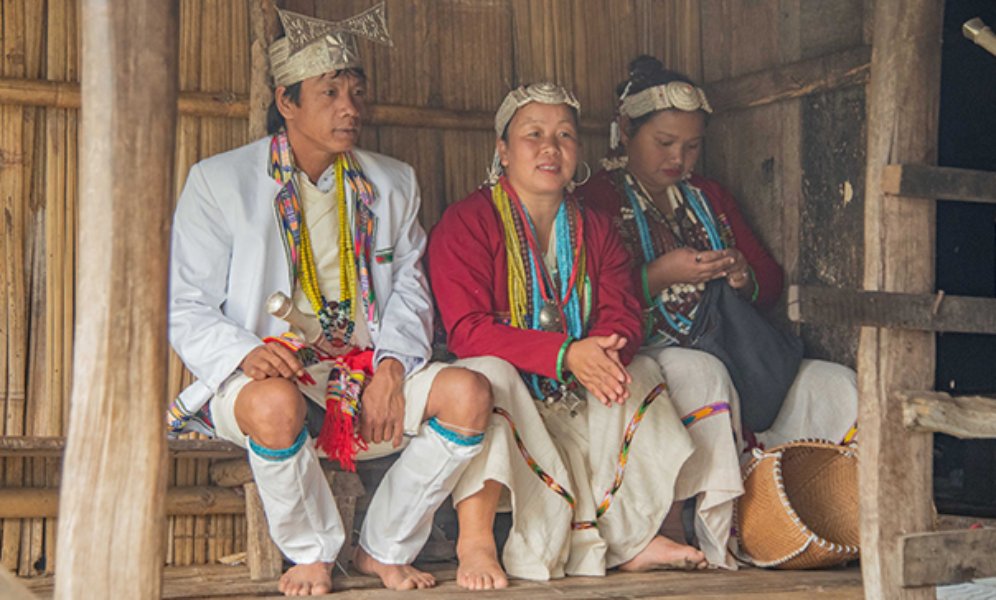
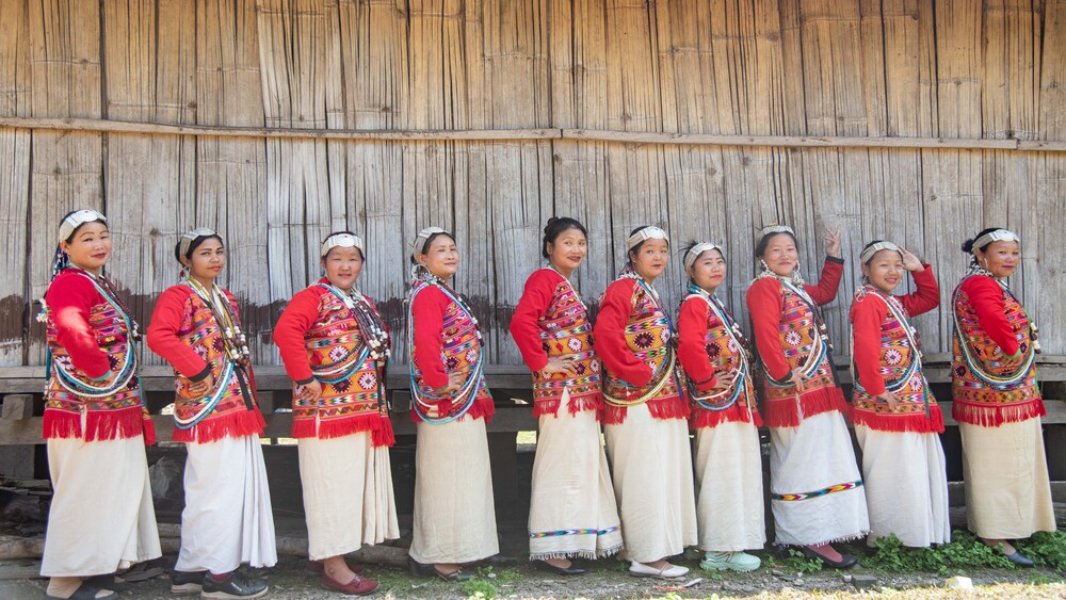
The Aka tribe of Arunachal Pradesh have a direct relation to nature and their livelihoods thrive around the lush forests, rivers, and mountains that surround them. Before coming to be known as Aka by the British, they were called Hrusso and today, they largely populate the Kameng districts and still practice age-old customs that celebrate and conserve the natural environment. Their way of life reflects a deep respect for forest resources and the practices by which they subsist continue to honor the natural world that upkeeps their livelihoods.
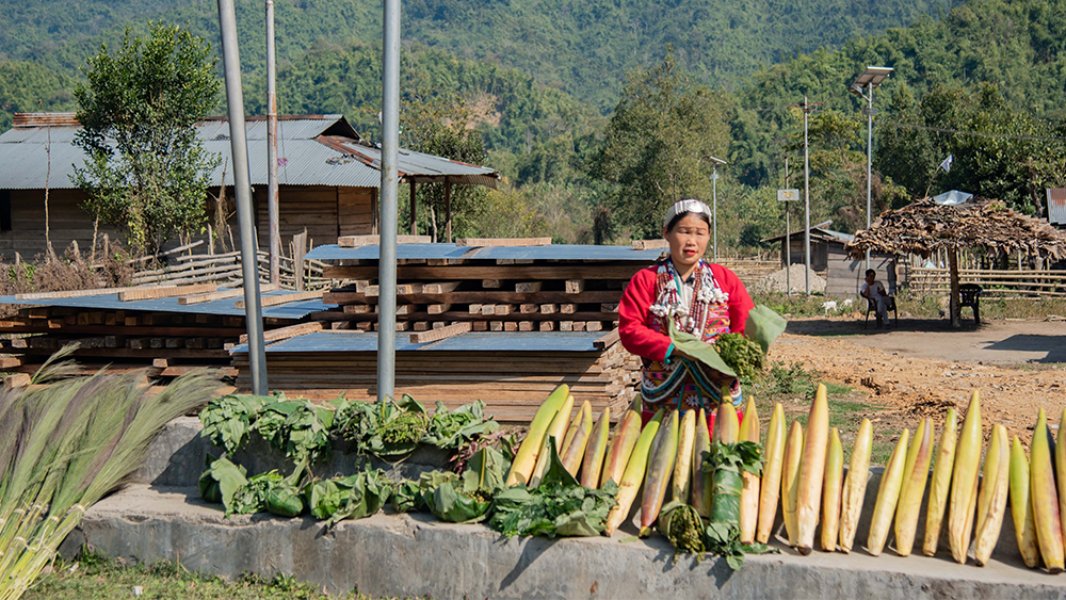
The basis of the Aka economy is found in forest and river resources. Their main professions are shifting agriculture (jhum cultivation), hunting, fishing, and gathering forest products. The Aka cultivate in their jhum fields vegetables, maize, and cucumbers to sell for income. Orange orchards and turmeric are cultivated in the villages like Bana. Bamboo and plantain leaves from the forests are used for house construction, household implements, and other necessities, thereby pointing to the extent of their dependence on forest resources in daily life.
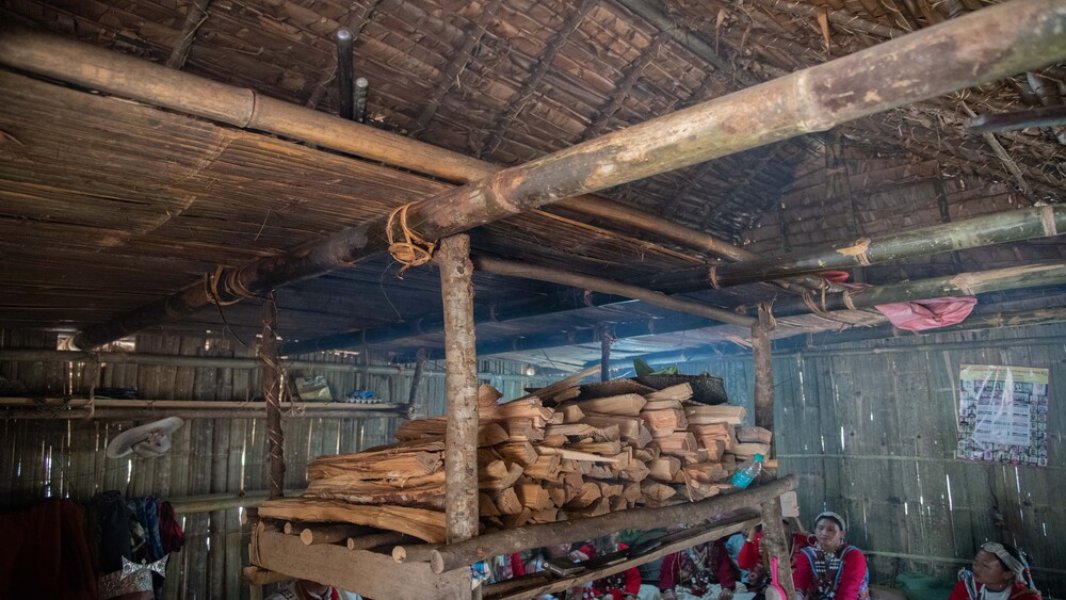
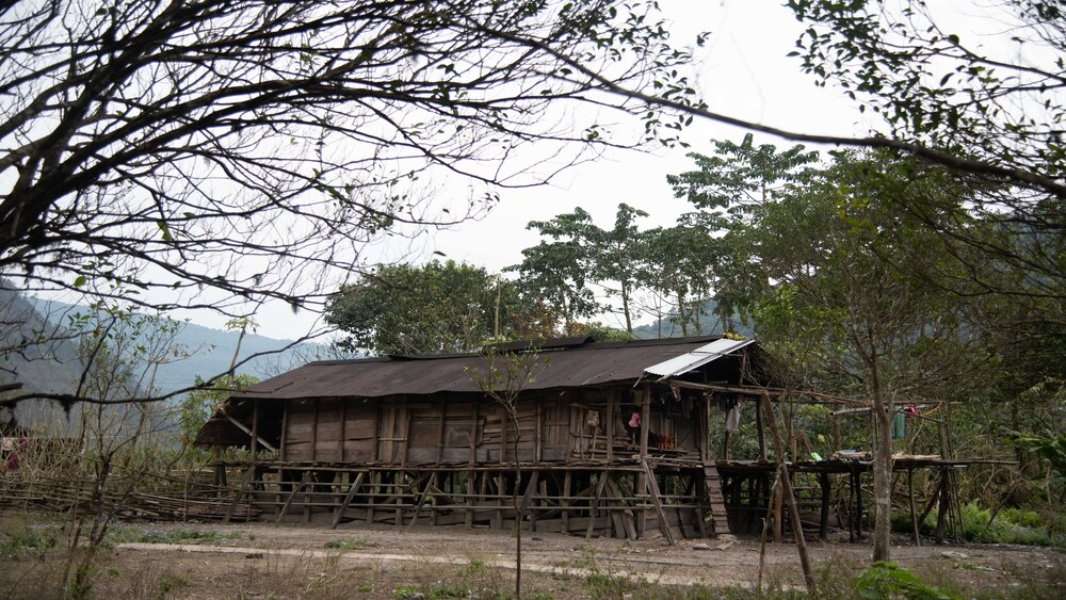
For the Aka, the natural environment is important spiritually and culturally. They see forests, rivers, and mountains as sacred and pray to the spirits of nature. Their houses, which are made of bamboo and cane leaves, are built communally, symbolizing their unity and respect for nature. The Aka people conserve ancestral knowledge concerning conservation, protecting the ecosystem while harvesting its resources. Their myths also mirror their ideas of origin and endurance, which reinforce their identity deeply embedded in the land.
The Aka have always had a rich set of traditional practices but are faced with the challenge of trying to preserve their livelihood. Environmental alteration, coupled with restricted market access and forest degradation, threatens their resources and traditional ways of life. The pressures of modernization and changing modes of agriculture also adversely impinge on their economic stability. Being a minority tribe, it adds further disadvantage to the Aka in trying to protect their heritage while meeting contemporary needs, hence the need for sustainable development solutions that respect their way of life.
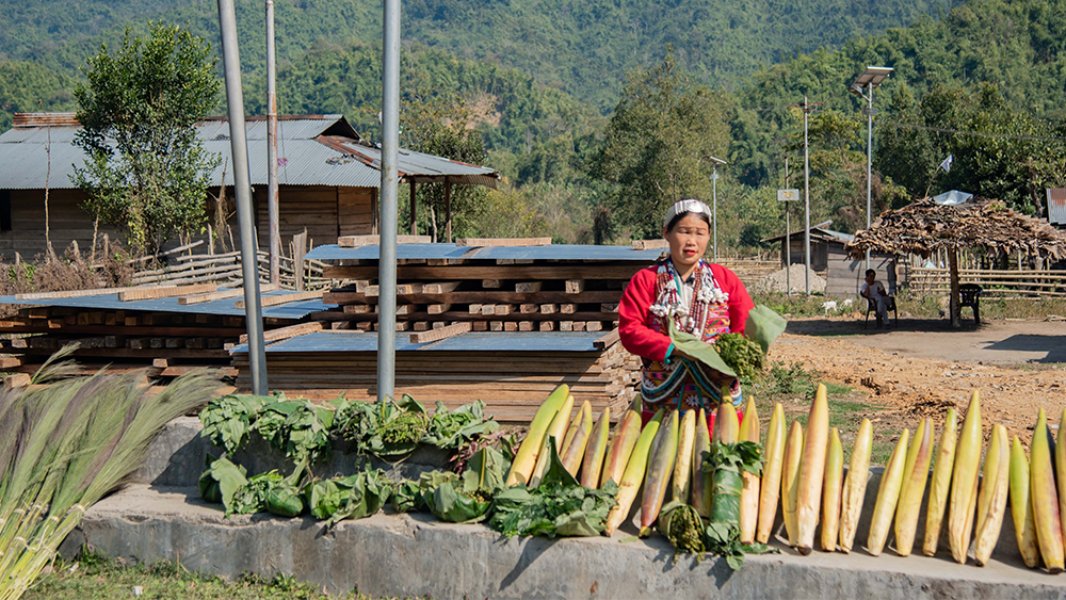
Aka Tribe has a system on sustainable resources. Conservation is done along with maximum use of the forest products. The age-old traditions of jhum, building bamboo houses, communal methods for catching fish are in-built sustainability. There is an enhancement of biodiversity in such areas as Pakke Tiger Reserve. The practice in resource sharing and living for the community are done by the Aka people, managing the environment with their livelihood.