
tribal livelihood
Reang Tribe’s Livelihood, tripura
The Reang or Bru tribe of Tripura makes a living mainly by practicing the ancient shifting cultivation called jhum. They cultivate rice, collect items from the forest, such as fruits and edible leaves, and fish and hunt for their sustenance. The Reangs are always on the move based on the agricultural cycle and believe in the nomadic way of life, in which they are deeply rooted with nature.
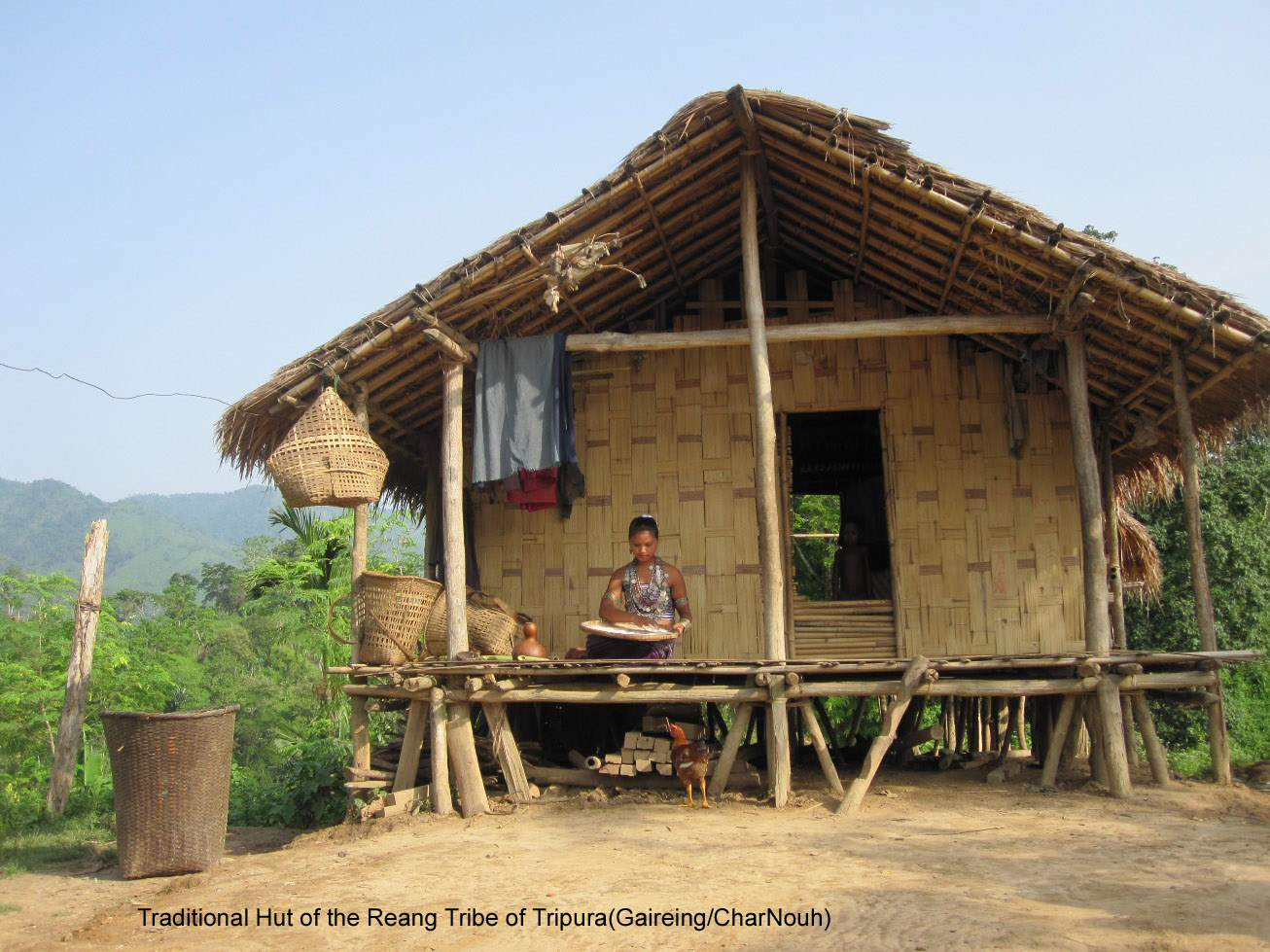
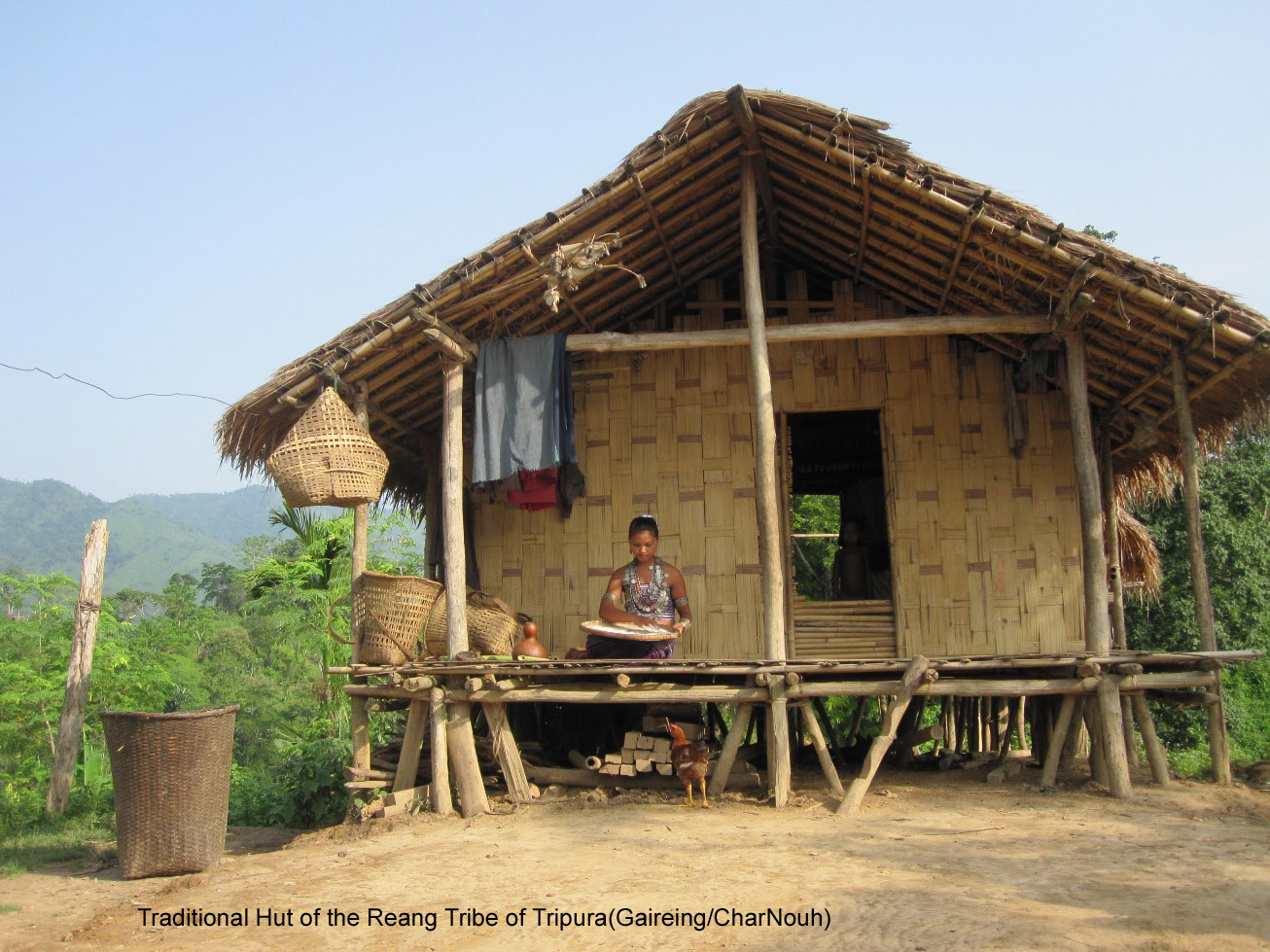
They live in bamboo huts called Gaireing or Char Nough, and the construction uses the locally available materials including bamboo poles, strips, and leaves. Usually, after one or two years of moving from one jhum area to another, they would conduct some ceremonial rituals to appease the forest deities before the relocation. Such a cycle, which reflects their deep ecological knowledge and sustainable use of forest resources, goes on and on.
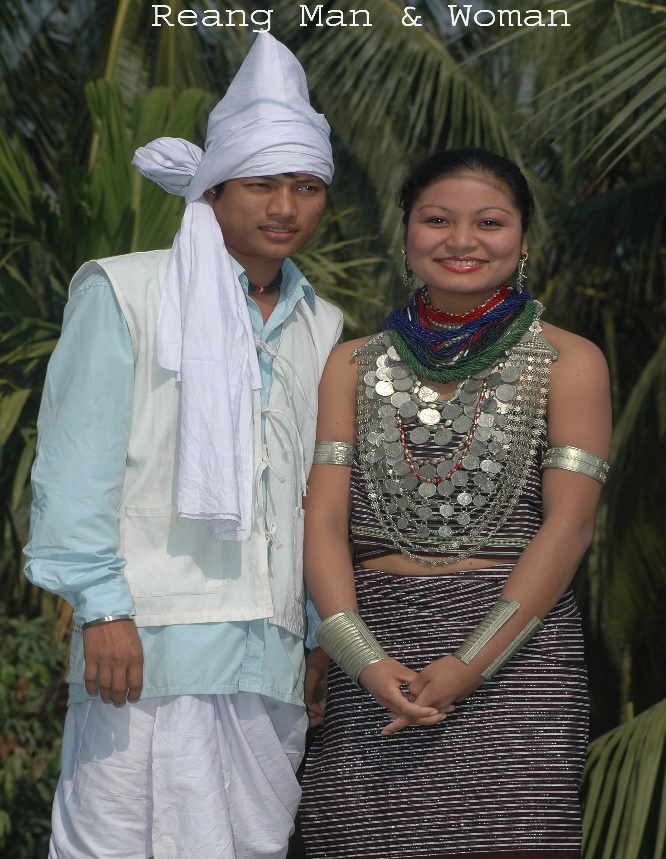
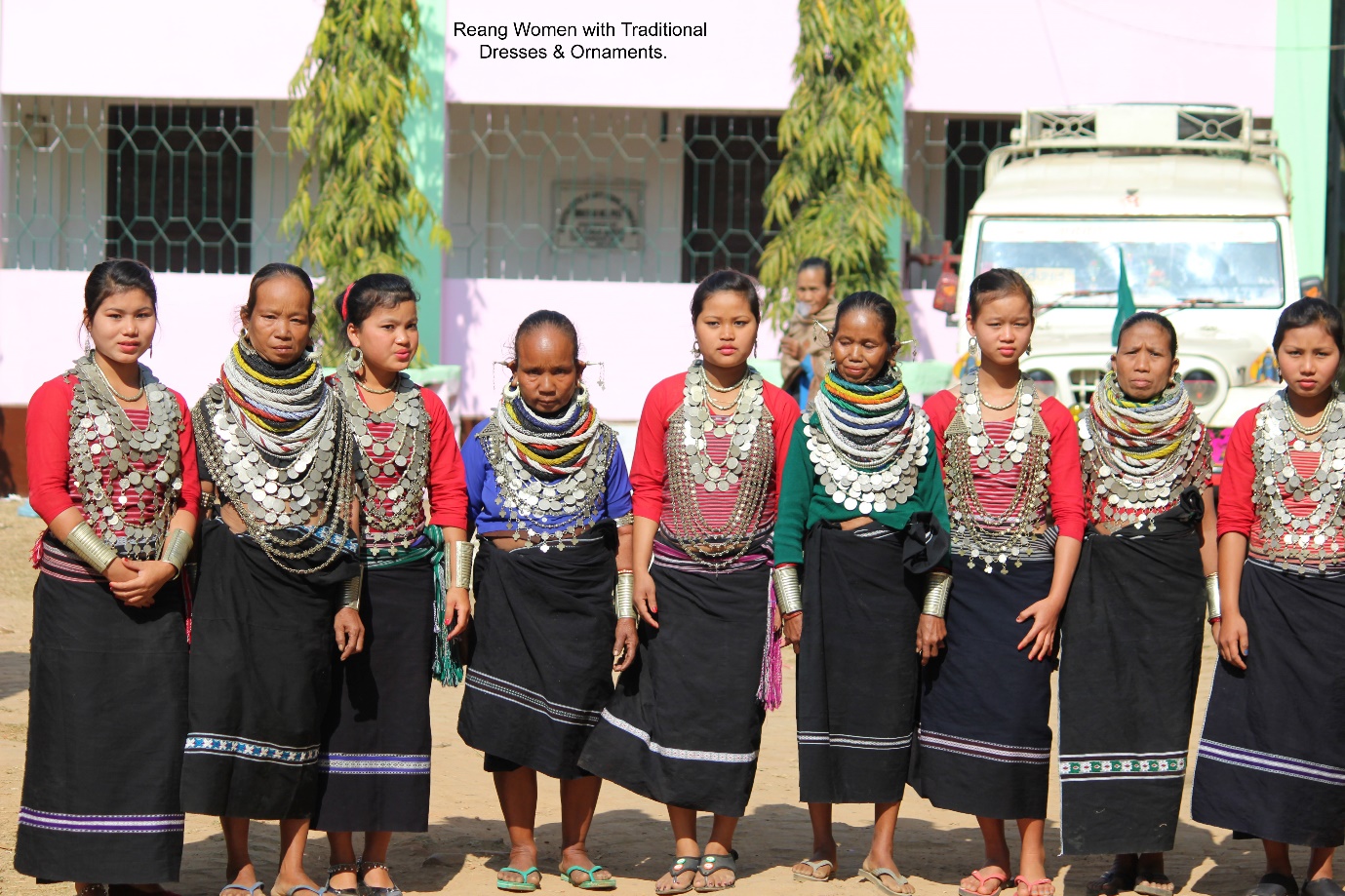
Even with the march of modernity, the Reang still maintain some of their age-old crafts and loom. The men wear handloomed garments and have a loincloth and turban, called Kamsoih, while women wear Passra or Rignai for the lower body and Ria for the upper body. These are woven on home looms and are mainly worn for festivals like Ker, Ganga Mutai, Goria, and Hojagiri performed after the harvest of jhum.
The Reang women further adorn themselves with elaborate silver ornaments, such as Rangbutang and Anchali for neckwear, Chandrahaar for the forehead, Youchow Checha worn on the forearm, and Jhumka for the ears. Through agriculture, traditional costumes, and cultural festivals, the Reang conserves its tribal identity that upholds self-sustenance and sustainable ways of living.