

tribal livelihood
Livelihood of Adi Tribe , arunachal pradesh
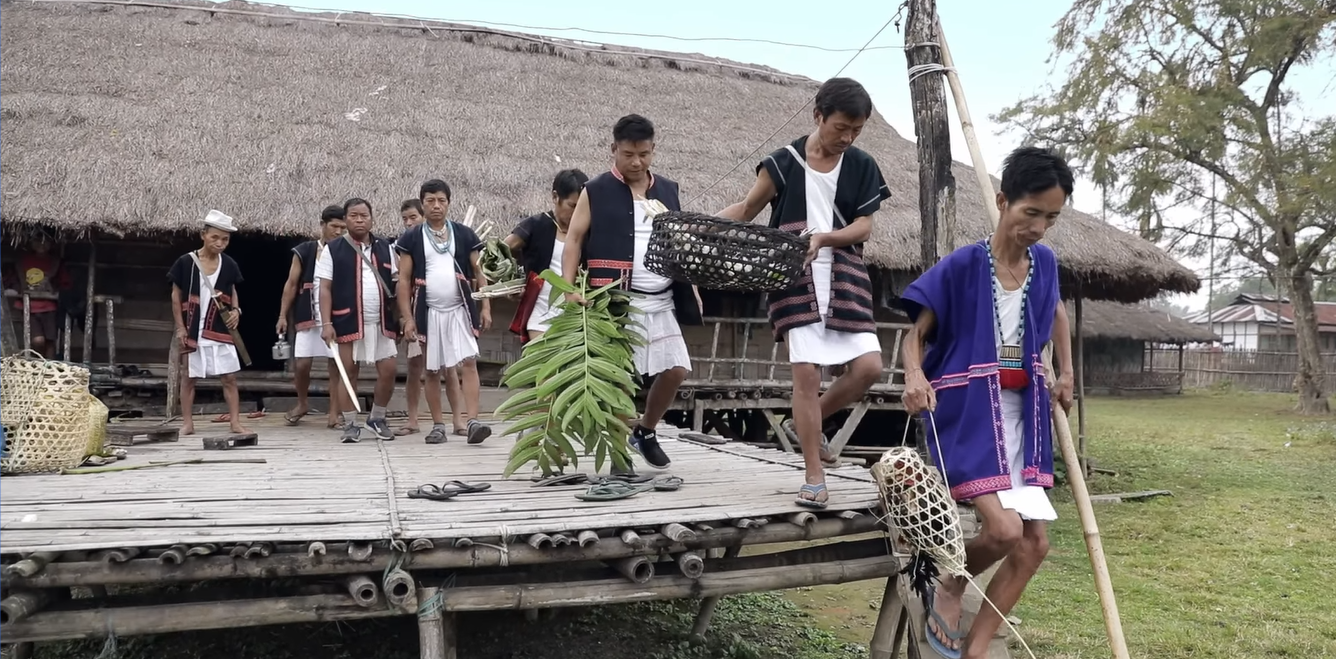
It is through the natural resources of the region that the Adi tribe of Arunachal Pradesh draws its life sustenance. These practices, in turn, are among those that are embraced by nature and ensure that the Adis live sustainably and preserve their culture. The Adi, by their very nature, are ever-the-more resilient and adaptive to balance traditional methods with the impact and implications of modernity.
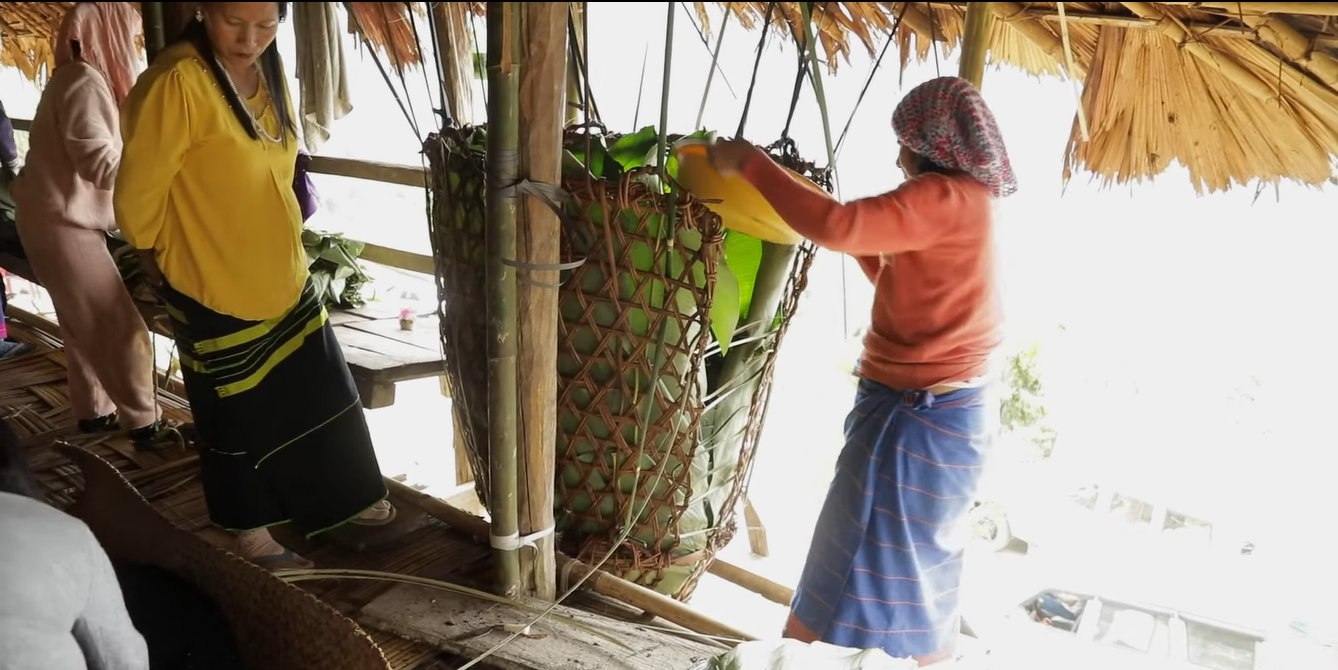
The Adi tribe engages in activities related to agriculture, fishing, and the forest. Shifting cultivation and wet rice cultivation have been practiced by the Adis with traditional knowledge passed down through generations. Handicrafts such as weaving and basket-making and local trade are also important for their economic sustenance.
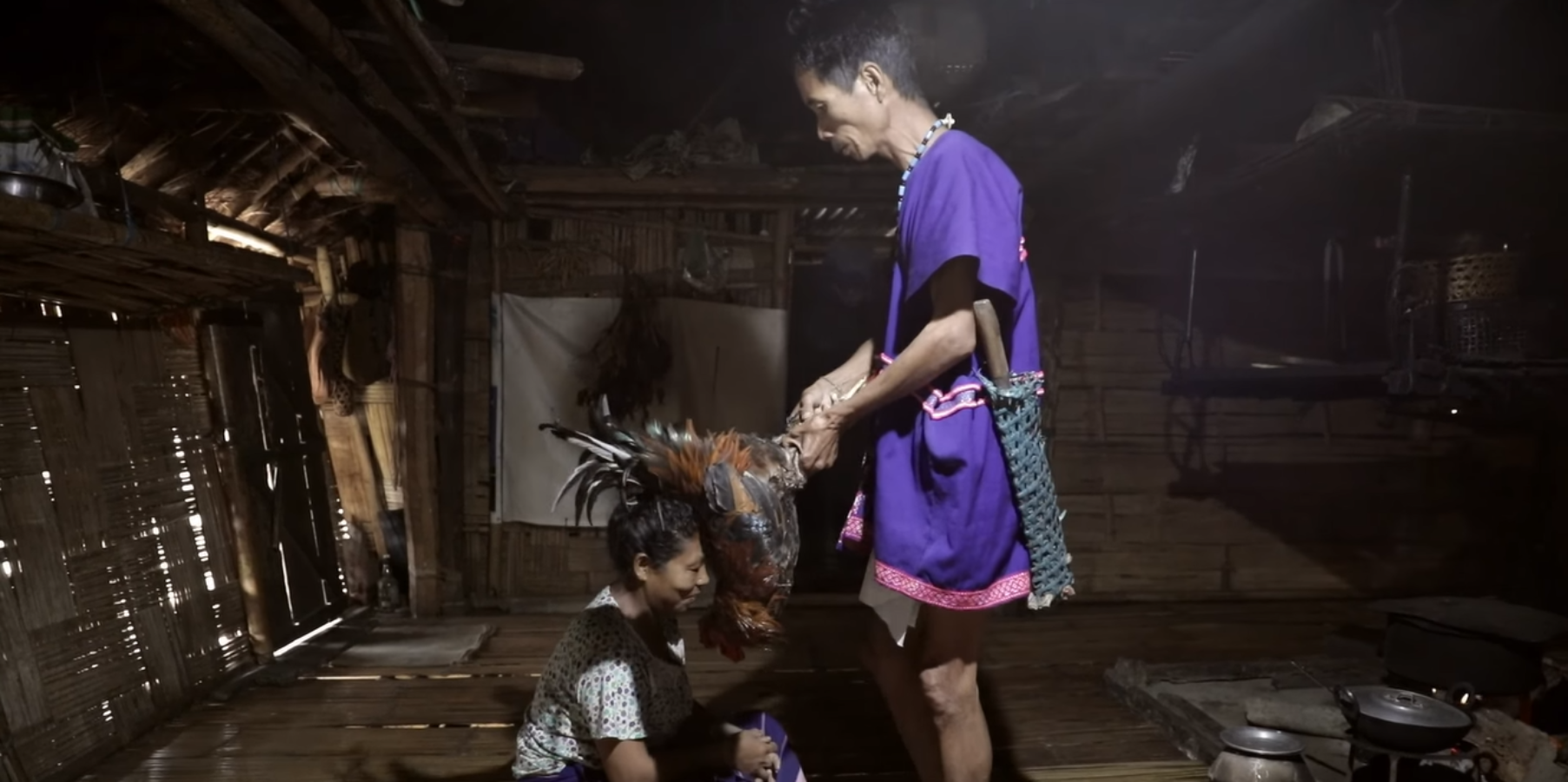
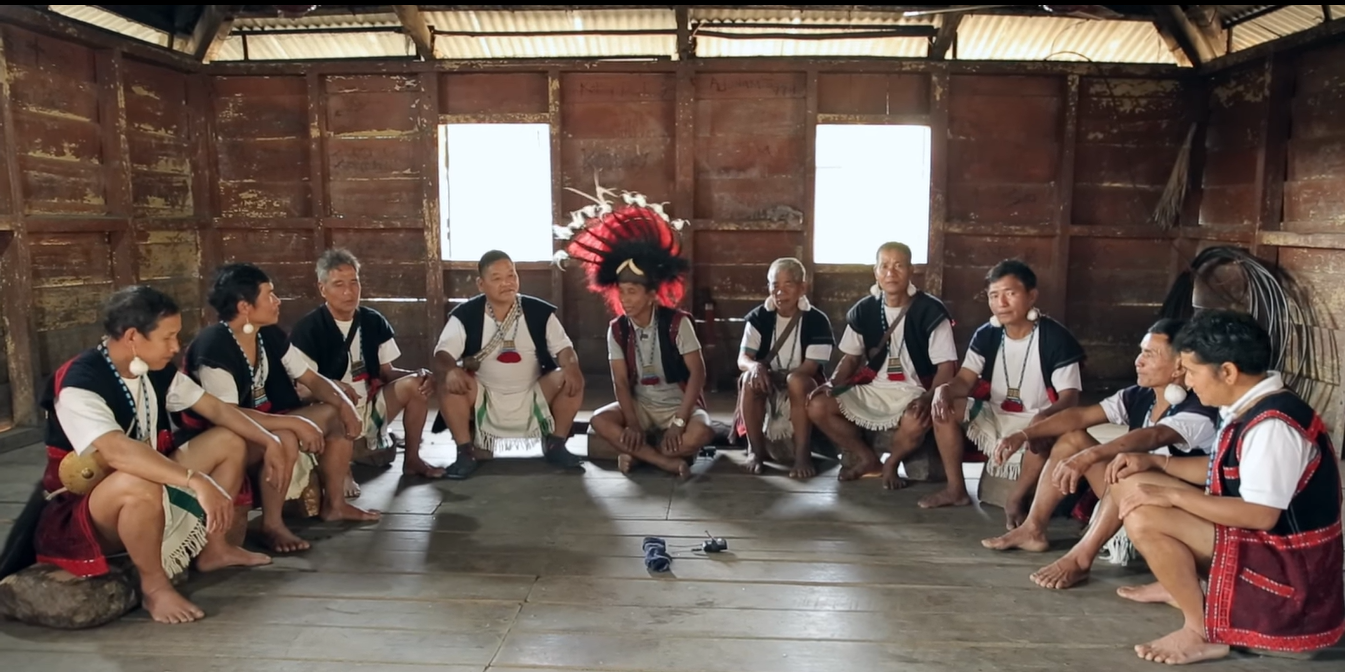
The Adi tribe attributes great cultural importance to agriculture and forest resources. Solung festival and other rituals and festivals are associated with agricultural cycles, celebrating nature's bounty and the tribe's bond with the land. These practices reinforce social cohesion and cultural identity.
The Adi tribes are struggling with climate change, deforestation, and modernization in their traditional cultivation practices and their natural resources. With modernization and modern agricultural encroachment, livelihood practices will be increasingly threatened.
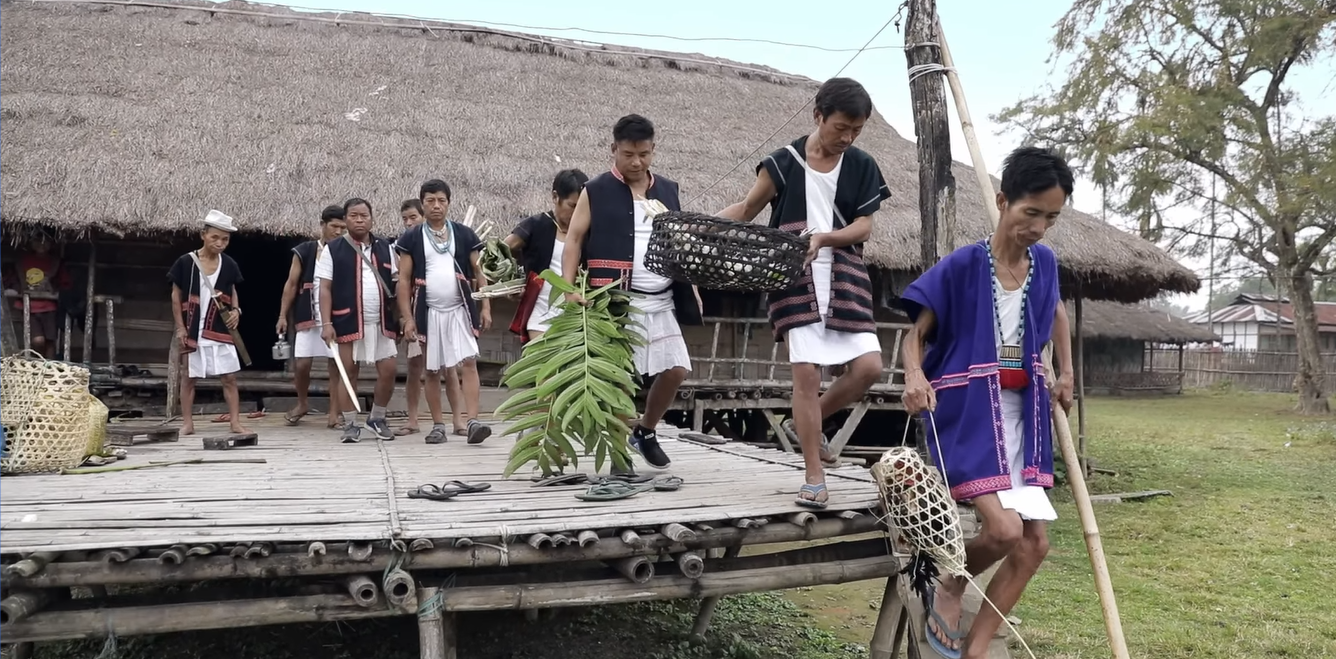
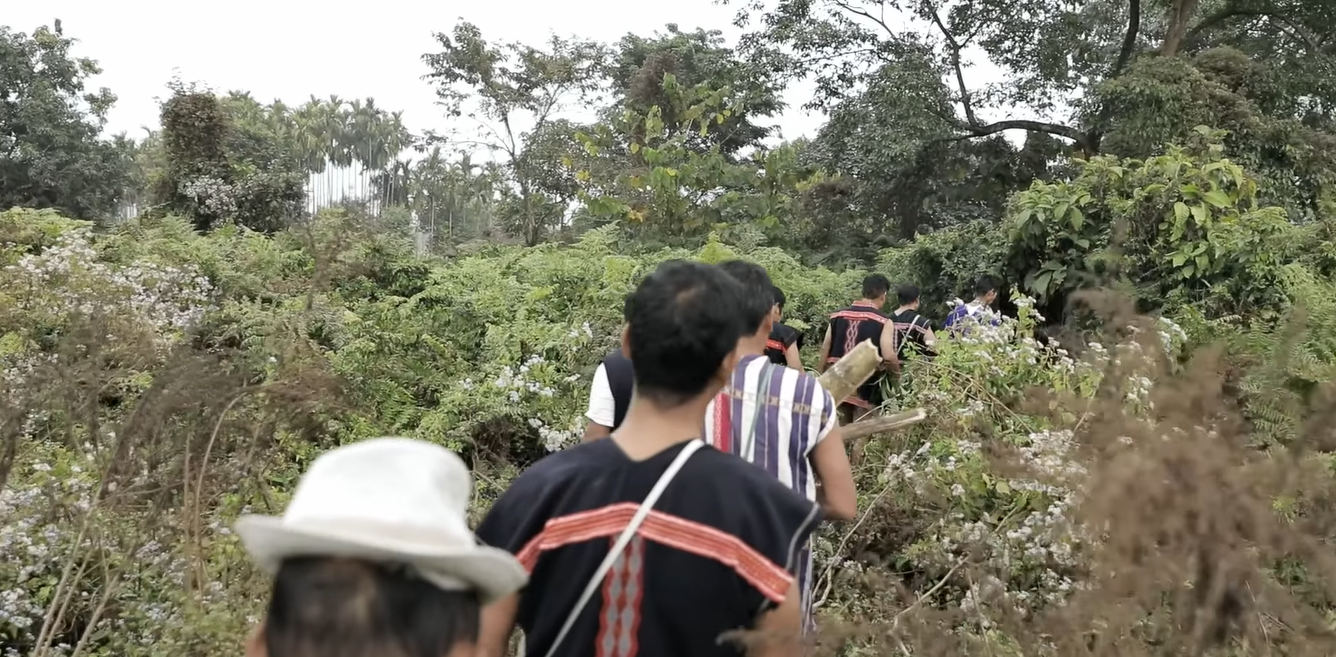
Some policies for fostering sustainable practices include establishing community reserve forests embracing traditional ecological knowledge. These efforts aim to maintain tribal life in dealing with contemporary preoccupations. The agroforestry and biodiversity conservation projects, however, balance nature.