


tribal livelihood
Bonda Tribe , odisha
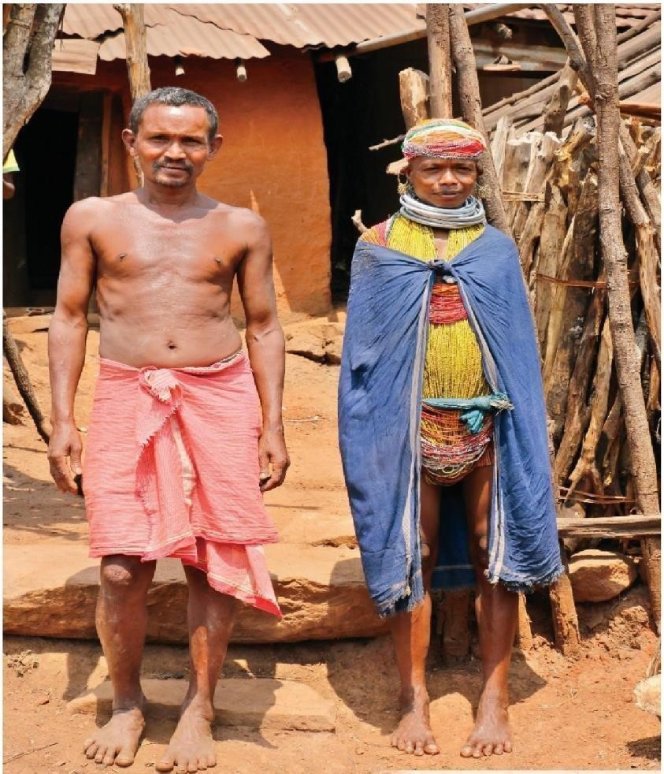
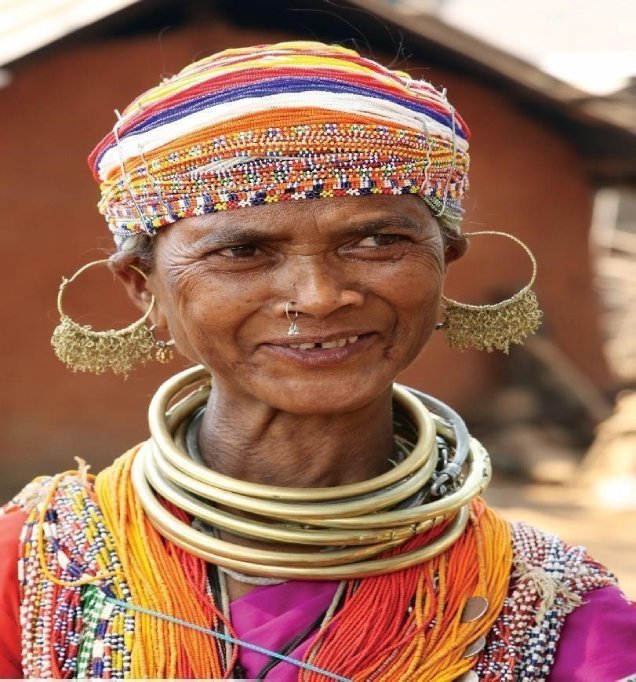
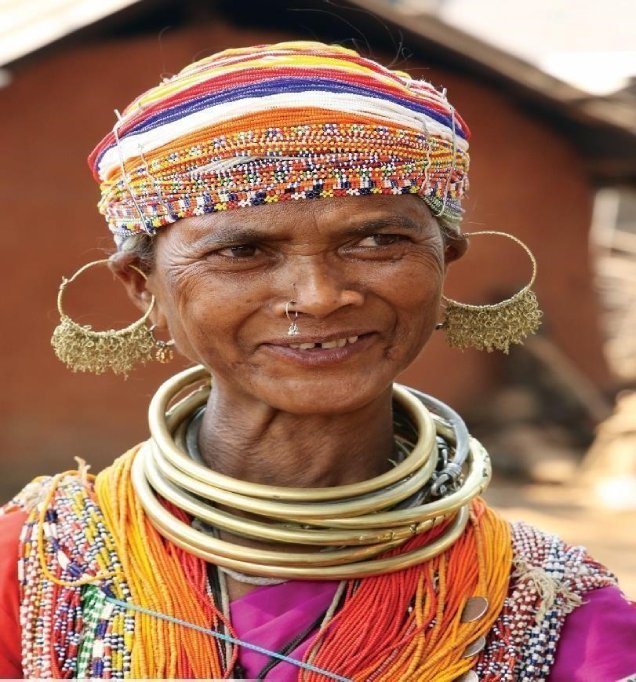
The Bonda tribe resides in the Malkangiri district of Odisha and is considered one of India’s most distinct and ancient tribal communities. According to data from SCSTRTI and OPELIP surveys conducted between 2015 and 2022, their total population is 10,993. The Bonda people, especially the women, are easily recognizable by their unique appearance. Bonda women traditionally shave their heads and wear a handwoven bark-fiber cloth known as ringa or nadi, along with heavy bead necklaces and ornaments that cover their neck and chest. In contrast, Bonda men wear a narrow strip of cloth called gosi, grow their hair long, and carry weapons such as axes, bows, and arrows. They speak Remo, a language belonging to the Munda family.
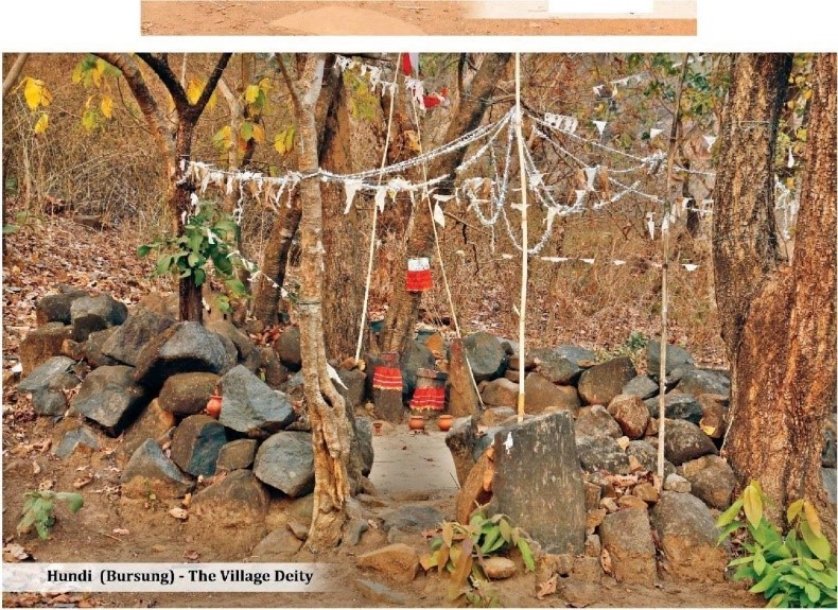
The Bonda are known for their fierce independence and assertive temperament. Traditionally, they are skilled in hunting, gathering, shifting cultivation, and streambed rice farming. Their society is organized around gender-based dormitories: the Selani Dingo for girls and the Ingersing Dingo for boys, where social values and cultural practices are passed on. Each Bonda village includes a community space called Sindibor, which acts as a cultural hub. The Bonda follow a polytheistic religion, centered on nature worship. Their major annual festival, Patkhanda Jatra, honors deities such as Patkhanda Maaparabhu and Hundi or Bursung, reflecting their deep reverence for natural forces.
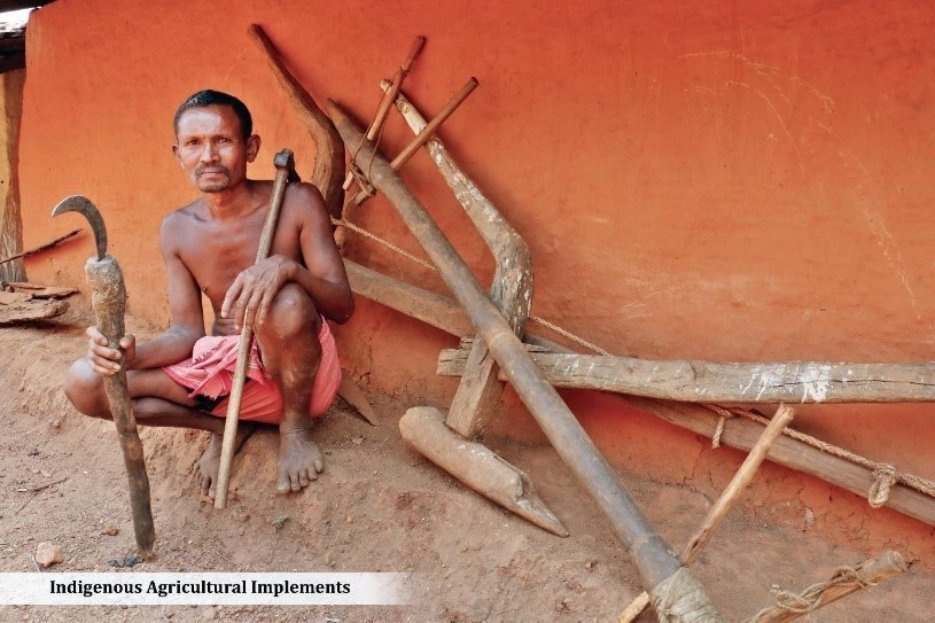
Agriculture is the primary source of livelihood for the Bonda people. They practice both shifting cultivation (klunda chas) and settled farming. On their hill slopes, they cultivate cereals, pulses, and oilseeds like kangu, suan, jana, oats, black gram, maize, and niger. In flatter areas, they use irrigation and terrace methods to transplant paddy. What makes Bonda agricultural practice unique is the harmonious blend of traditional swidden and settled cultivation, broadcasting and transplantation techniques, and both mono- and multi-cropping systems. This diverse and adaptive approach to farming supports their sustenance and reflects deep ecological knowledge.
In addition to farming, their livelihoods are supported by domestication of animals and seasonal collection of forest produce. It is essential to have forest resources for day-to-day survival and for making income. Women play a vital role in the household economy, balancing agriculture and other domestic work. Their contribution is said to be the backbone of Bonda society, showing the respect this community has for women's roles in the household and socio-economic spheres.
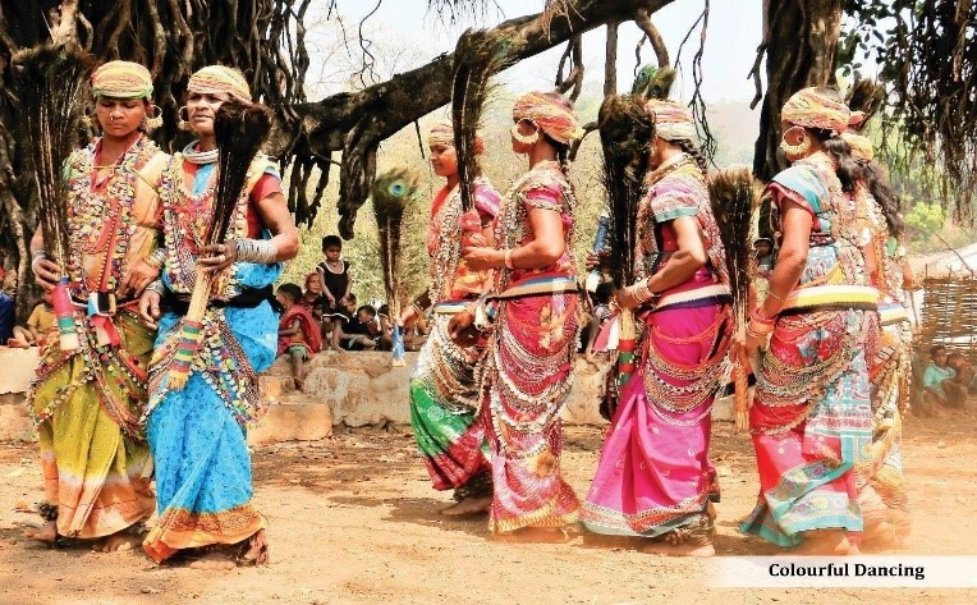
Cultural activities among the Bonda people are vibrant and expressive. They celebrate a series of events with dances and music, apparently for their own enjoyment rather than to entertain outsiders. During such encounters, boys play traditional instruments such as Kinding and Tamak while girls dance gracefully with peacock feather bunches in their hands. Their vibrant costumes, rhythmic dances, and lively atmosphere characterize the essence of community bonding while also ensuring cultural identity is passed on to generations within the Bonda tribe, which in itself has a rare amalgamation of adaptation, tradition, and harmony with nature.