

tribal languages and literature
Zindagi Teri Kis Kari Ae , jammu & kashmir
Illam is a poet who is famous for his introspective poetry that tends to touch on existential questions like mortality, deception, and the pursuit of a worthy existence. Through "Zindagi Teri Kis Kari Ae," he urges people to question their deeds and the impermanence of life. Through this poem, Illam conveys a firm message of living with conscience and duty rather than giving in to temptation and deceptiveness
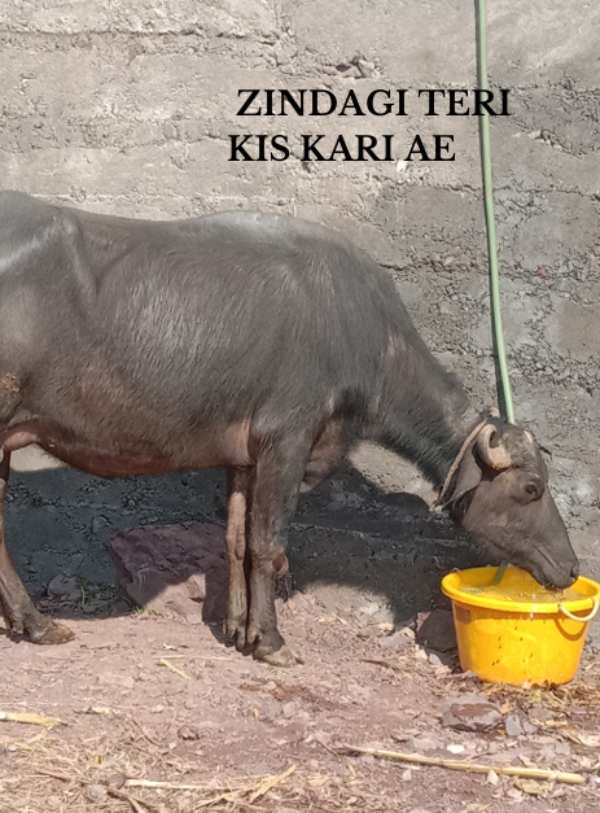
The poem is written in a conversational style and direct address to the speaker's own self or another person, challenging their motives and decisions. It uses plain, but effective language, and the form is simple, progressing from self-reflection to a call to morality. The fragmented style of the poem reflects the inner conflict of the speaker, who grapples with temptation and feelings of moral failure
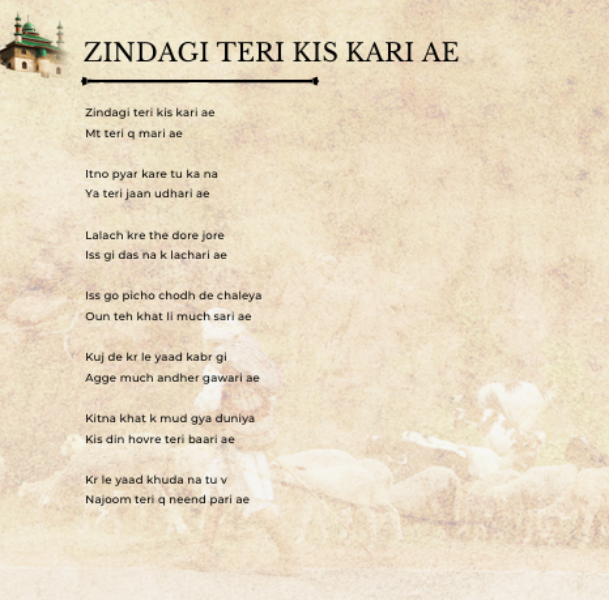
The poem also has an uneven rhyme scheme, which is an expression of the uncertainty and disorientation expressed in the speaker's musings. The absence of a patterned form in the rhyme is an indication of the randomness of life and the untamed path of individual struggle. The unevenness of rhyme is also an expression of the conflict between morality and temptation in the narrative of the poem.
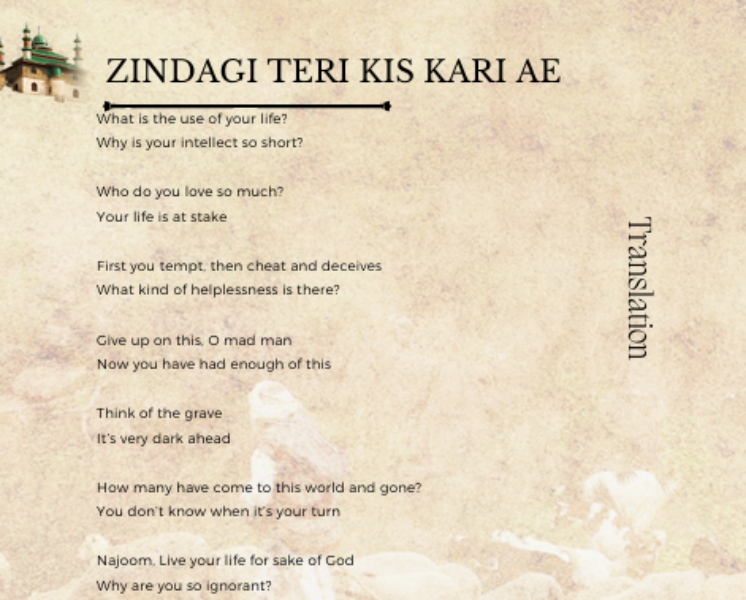
The atmosphere of the poem is disillusioned and regretful, with the speaker looking back at what he did and questioning the purpose of existence. It then shifts to a more dire note as the speaker ponders death, urging the listener to reform. The over-riding theme is that of ethical introspection: the poem condemns existence under the whim of temptation, lying, and egotistical ambitions while calling for the value of living for something greater than oneself. The certainty of death as a reminder to live with honesty and consciousness.
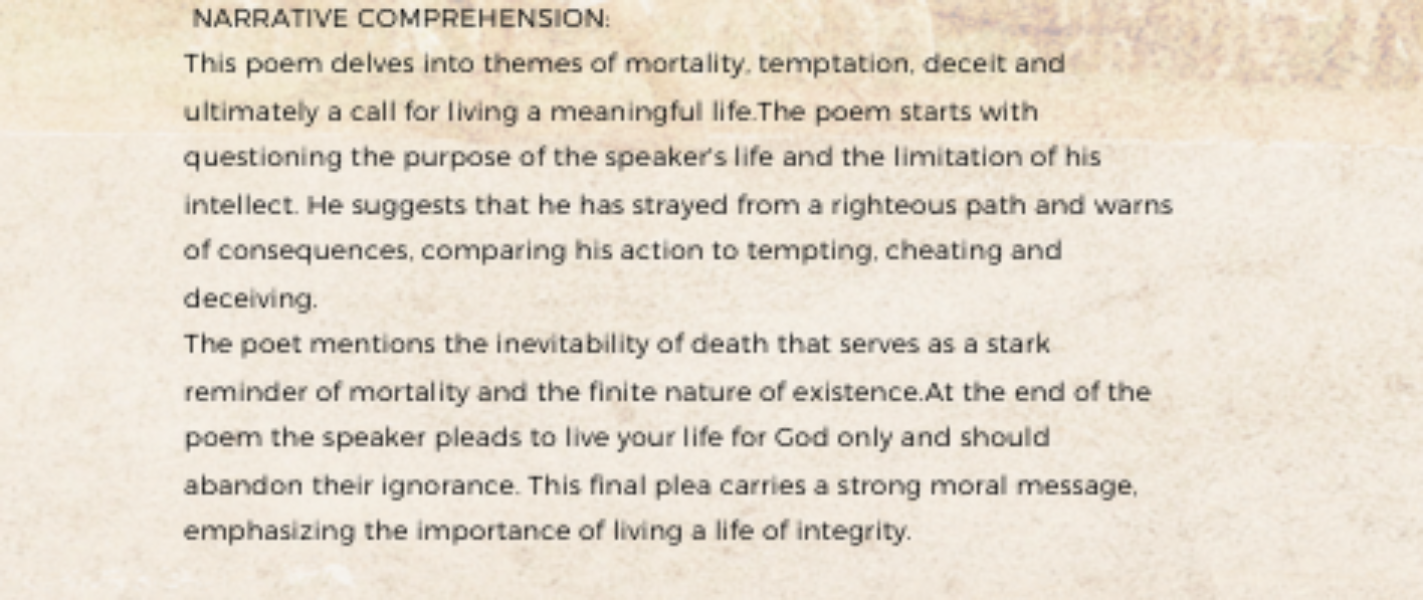
Thus, fundamentally, the poem is about the moral choices one makes through life and what follows. The reference to temptation, cheat, and deceits only to end in emptiness and an unclear termination. The speaker attempts to offset these unfavorable emotions with death that is all but empty and brings the listener to the fold of reflection on the fleeting nature of life and thus living with purpose. The last request to "live for God" stresses the theme of spirituality, integrity, and moral responsibility while terminating with a highly strong ethical statement.